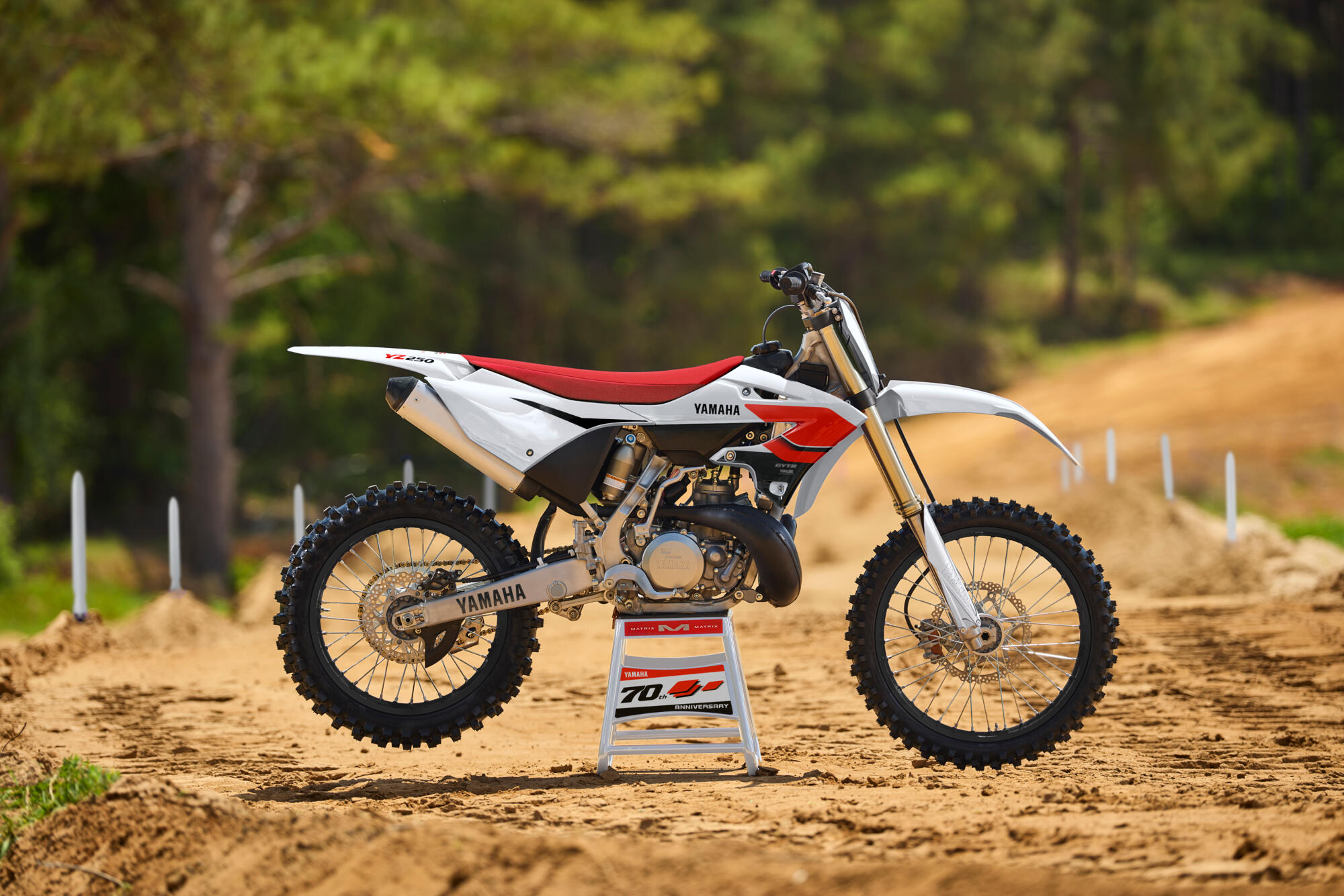
A 250cc 2-stroke engine typically produces between 40 and 55 horsepower, depending on its configuration, state of tune, and intended application. While these engines are renowned for their high power-to-weight ratios, "250 2-stroke hp" is a variable figure influenced by exhaust port timing, compression ratios, induction systems, and environmental variables like air density and fuel quality.
The Engineering Behind 2-Stroke Power Density
The 2-stroke engine cycle—completing power, intake, compression, and exhaust in a single revolution of the crankshaft—inherently grants it an advantage in power density over 4-stroke counterparts of similar displacement. In a 250cc engine, the lack of a complex valvetrain allows the engine to achieve higher revolutions per minute (RPM) and more frequent combustion events.
At its core, the horsepower output of a 250cc 2-stroke is a function of "BMEP" (Brake Mean Effective Pressure). Because 2-strokes do not have dedicated intake and exhaust valves, they rely on port timing—the precise moment the piston uncovers ports in the cylinder wall—to manage the flow of fuel-air mixture and exhaust gases. Tuning these ports for higher RPM allows the engine to pump more air, directly increasing the potential horsepower.
Factors Influencing Output
When discussing the horsepower of a 250cc engine, it is critical to distinguish between factory-rated output and actual performance on a dynamometer.
1. The Role of Exhaust Expansion Chambers
The expansion chamber is arguably the most significant external component affecting 2-stroke power. By utilizing pressure waves, the pipe "forces" fresh charge back into the cylinder before the exhaust port closes, a process known as scavenging. A pipe tuned for high RPM will significantly increase peak horsepower but often at the cost of low-end torque.
2. Induction and Fuel Delivery
Whether an engine utilizes a traditional carburetor or modern electronic fuel injection (EFI) affects the consistency of the power delivery. EFI systems can optimize the fuel-air mixture in real-time based on barometric pressure and temperature, ensuring that the engine consistently hits its peak power potential without the risk of "lean" conditions that can lead to catastrophic engine failure.
3. Compression Ratio
Increasing the compression ratio increases thermal efficiency and power, but it also increases the likelihood of pre-ignition or "detonation." In 2-stroke engines, this is a delicate balance; high-performance builds often require high-octane race fuel to withstand higher compression levels without damaging the piston crown.
Categorizing Performance by Application
The intended use of the engine dictates how the power is delivered. A motocross-tuned 250cc engine is vastly different from one designed for a marine outboard or a vintage road-racing machine.
| Application | Typical HP Range | Power Delivery Characteristic |
|---|---|---|
| Modern Motocross (250cc) | 48–54 hp | Explosive, high-RPM focused |
| Vintage Road Racing | 50–58 hp | Peak power, narrow powerband |
| Marine Outboard | 35–45 hp | High torque, sustained load |
| Recreational Enduro | 40–46 hp | Linear, luggable low-end torque |
Operational Limitations and Reliability
The high horsepower-to-displacement ratio comes with a "reliability tax." 2-stroke engines operate under extreme thermal stress. Because they burn oil as part of the combustion process and rely on port-based cooling and scavenging, they are prone to heat-related degradation.
Thermal Management
As horsepower increases, so does the heat generated at the piston crown. If the cooling system or the oil-to-fuel ratio is insufficient, the thin film of oil lubricating the cylinder wall can break down. This leads to friction, piston scuffing, and eventually a "seized" engine. For high-output 250cc engines, using high-quality synthetic 2-stroke oil and maintaining a precise oil-to-fuel ratio is mandatory.
Maintenance Schedules
Unlike 4-stroke engines that may run for hundreds of hours, high-performance 250cc 2-strokes often require top-end rebuilds—replacing the piston, rings, and potentially the wrist pin bearing—every 20 to 50 hours of operation. This is a standard procedure in competitive motocross to ensure the engine maintains its factory-specified horsepower.
The Impact of Environmental Variables
A 250cc engine rated at 50 hp at sea level will perform differently at 5,000 feet of altitude. Air density changes the mass of oxygen entering the combustion chamber. Without adjusting the jetting (on a carburetor) or the fuel map (on an EFI system), the engine will run "rich," losing power and potentially fouling spark plugs. Riders and operators must account for these environmental changes to maintain the expected power output.
Common Misconceptions Regarding Horsepower
A common point of confusion is the difference between "crank horsepower" and "wheel horsepower." Crank horsepower is measured at the engine's output shaft, whereas wheel horsepower accounts for the power lost through the transmission, clutch, and drivetrain. Typically, a rider can expect a 10–15% loss from the crankshaft to the rear wheel in a motorcycle application.
Another misconception involves "bolt-on" power. While aftermarket air filters, reeds, and performance pipes can shift the power curve, they rarely create massive increases in peak horsepower without corresponding internal engine modifications, such as porting, head milling, or increasing displacement.
Troubleshooting Power Loss
If a 250cc 2-stroke is underperforming, the issue is usually found in one of three areas:
- Compression: Perform a leak-down test. If the rings or cylinder are worn, the engine cannot build sufficient combustion pressure to make power.
- Ignition: Weak spark or incorrect ignition timing will prevent the engine from reaching peak RPM. Check the condition of the spark plug and the stator/CDI box.
- Exhaust Restriction: Carbon buildup in the expansion chamber or a clogged silencer can create significant backpressure, choking the engine's ability to "breathe" at high RPM.
Frequently Asked Questions
How can I increase the horsepower of my 250 2-stroke? Increasing power typically requires a combination of "porting" (re-shaping the cylinder ports to improve gas flow), installing a high-performance exhaust system, and using high-octane fuel to allow for higher compression. Always consult a professional tuner to ensure the engine remains reliable.
Does altitude affect 250 2-stroke performance? Yes. Higher altitudes have thinner air, which reduces the amount of oxygen available for combustion. This causes the engine to run rich. To maintain performance, the fuel-to-air ratio must be leaned out through re-jetting or ECU re-mapping.
Why is oil-to-fuel ratio important for horsepower? The oil provides the lubrication for the crank bearings and cylinder walls. If the ratio is too lean, the engine will suffer from excessive friction, sapping power. If it is too rich, the engine will "load up" with unburned oil, leading to carbon deposits and power loss.
What is the difference between a racing and a trail-tuned 250 2-stroke? A racing tune focuses on peak horsepower and high-RPM performance, often resulting in a narrow, "peaky" powerband. A trail tune prioritizes low-end torque and mid-range response, making the engine easier to manage in technical, low-speed terrain.
Is it possible for a 250 2-stroke to produce more than 60 hp? Yes, but usually only in specialized racing applications (such as 250cc shifter karts or custom road-race builds). At these levels, the engine requires exotic materials, precise blueprinting, and extremely high-octane fuel to prevent premature failure.
Next Steps for Owners
To accurately determine the performance of your specific 250cc 2-stroke, the most reliable method is to perform a dyno test. A dynamometer provides a baseline measurement of your engine’s current output and allows you to visualize the torque and power curves. Before testing, ensure your engine is in optimal mechanical condition—clean air filter, fresh spark plug, and properly tensioned chain or drive system—to ensure the data reflects the engine's true capability rather than its current state of neglect. If you are pursuing a performance build, document your modifications and consult with a reputable engine builder to ensure the longevity of your investment.