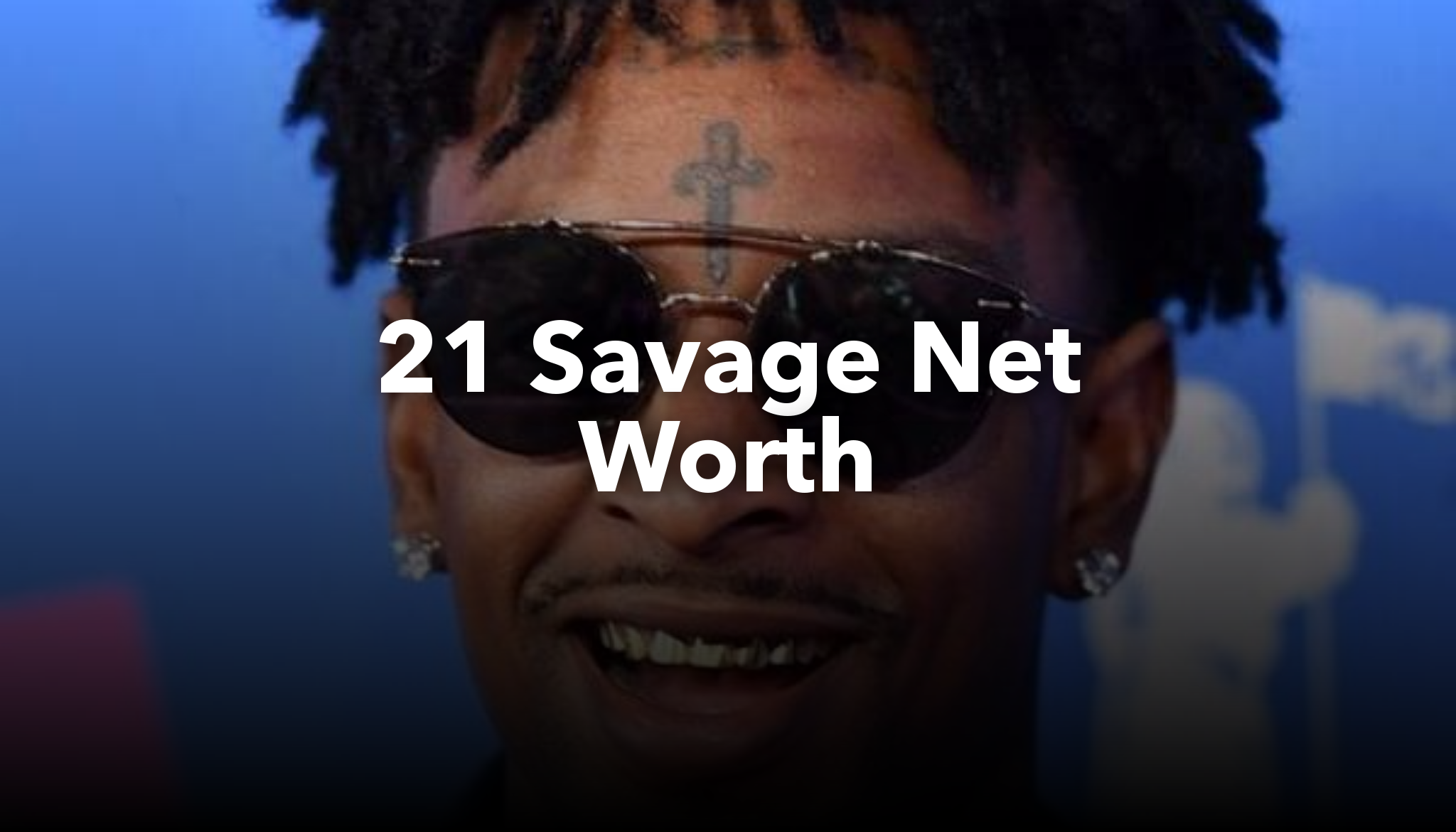
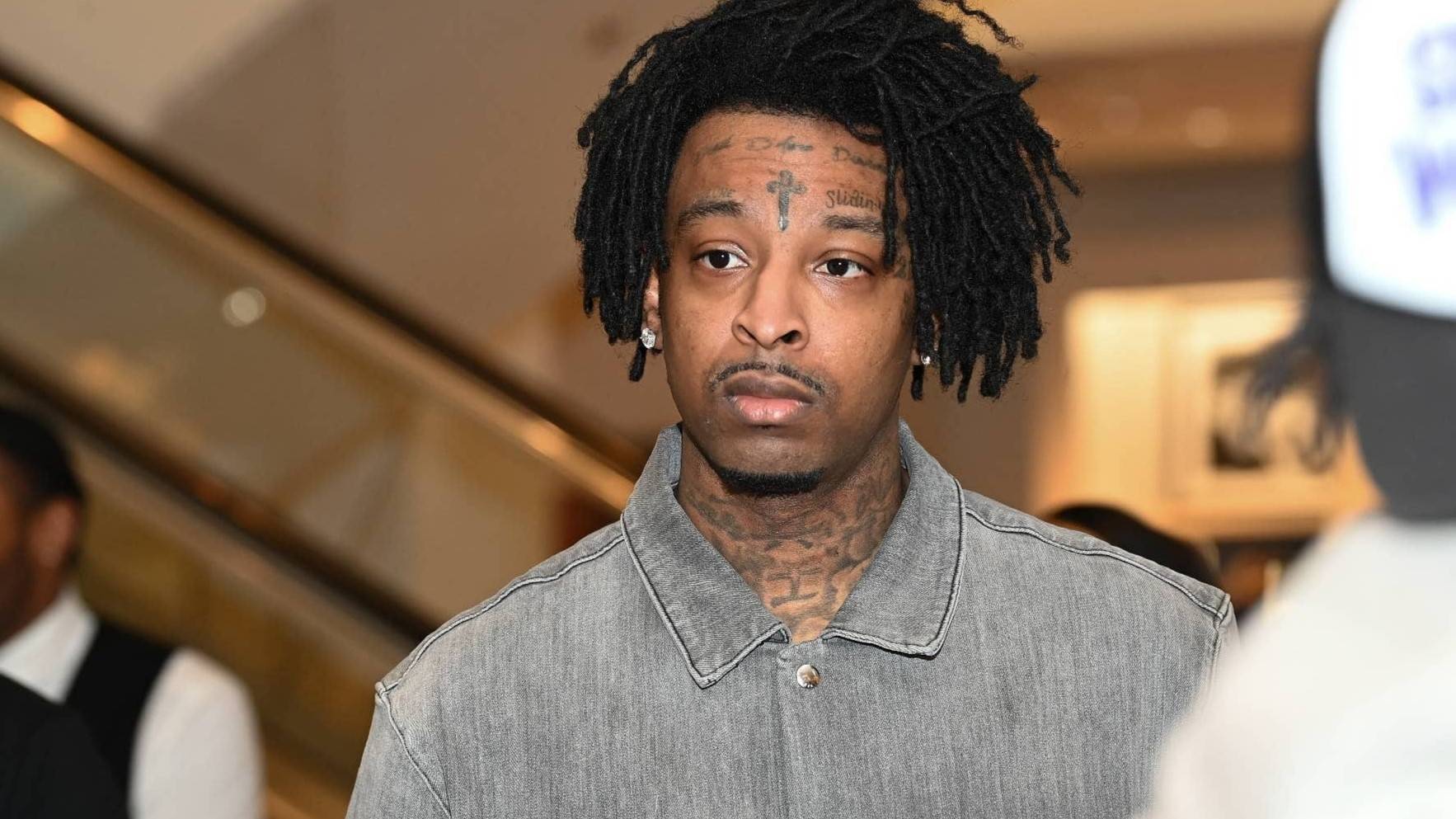
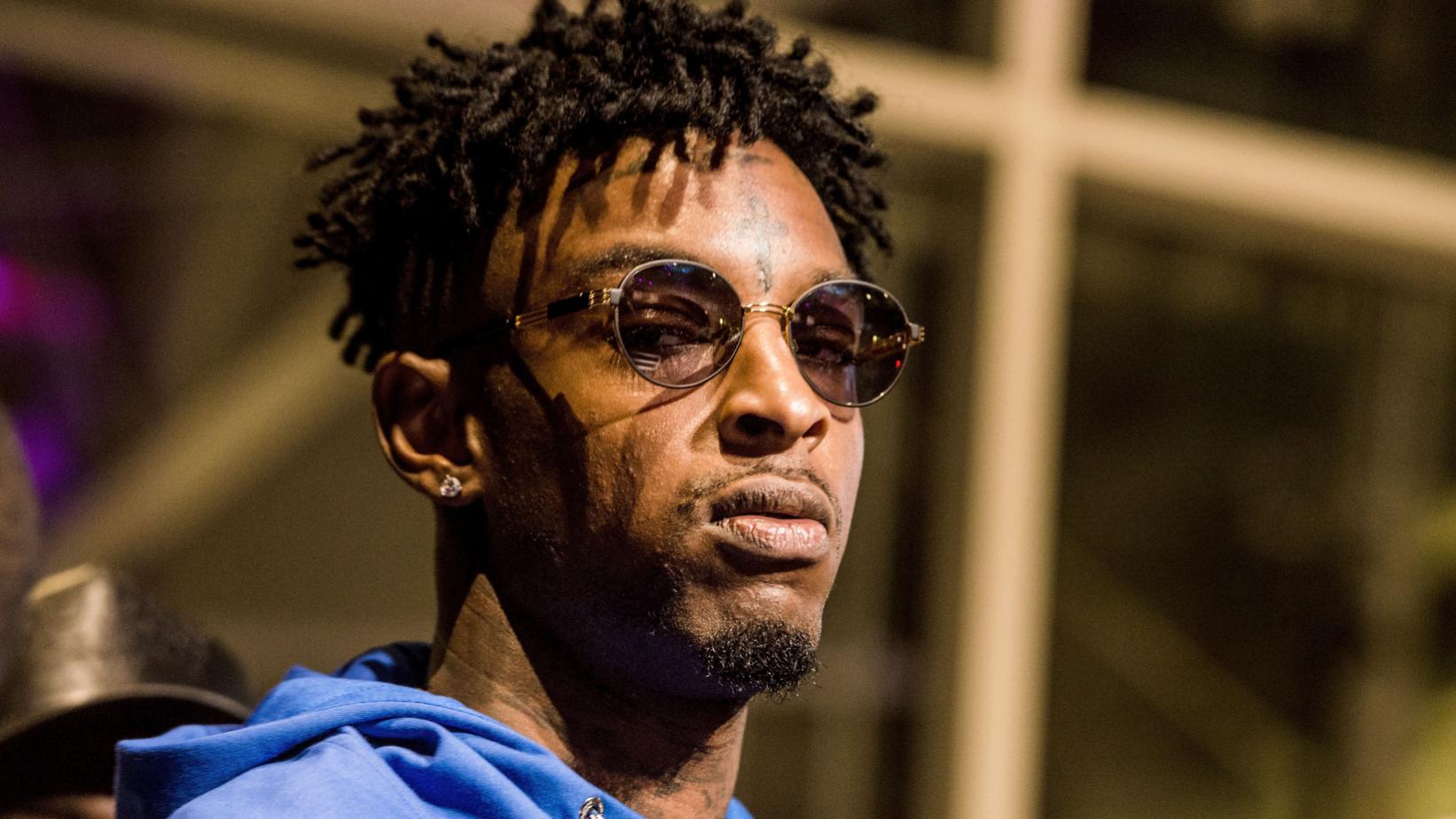
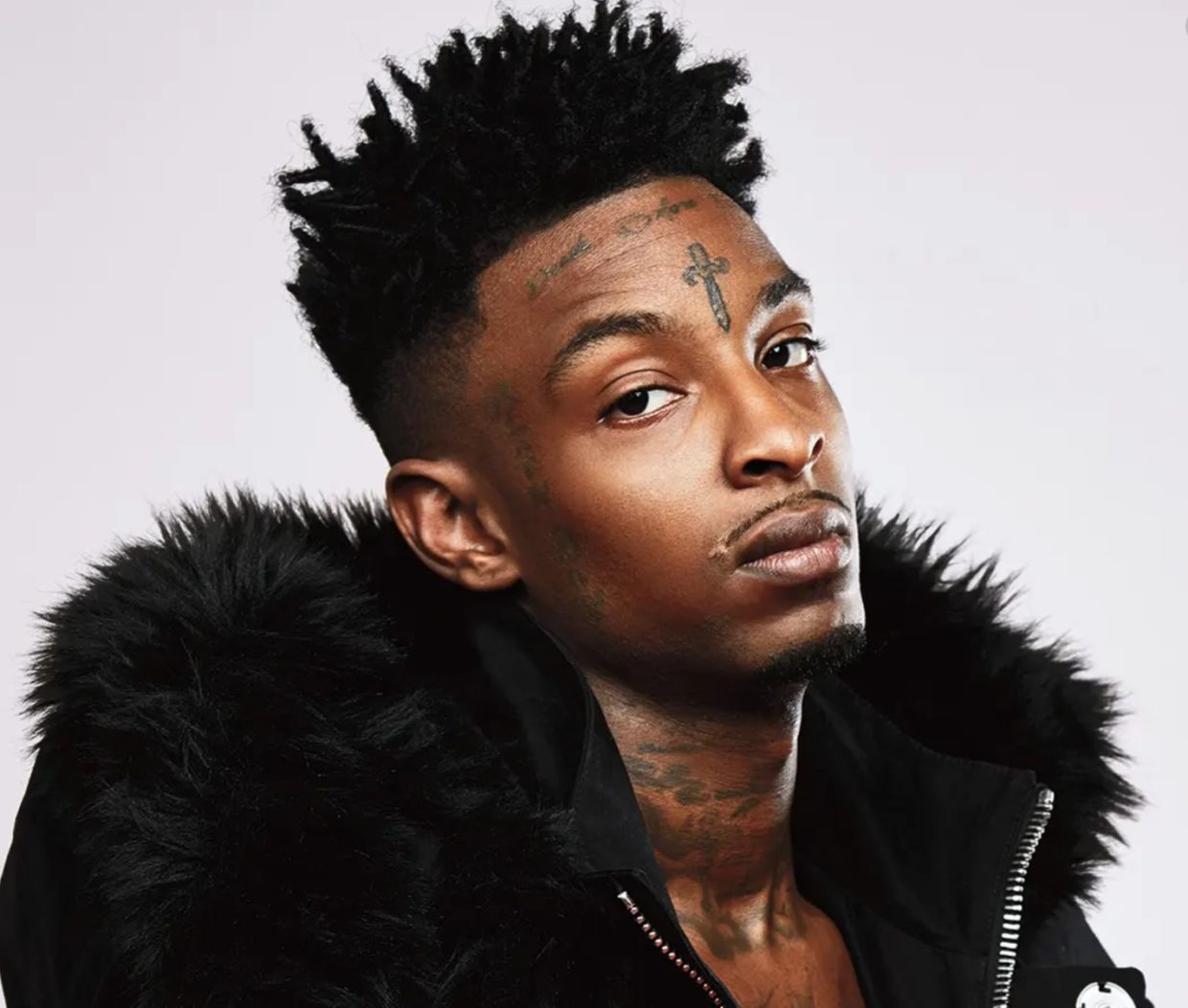
21 Savage's net worth is estimated to be between $12 million and $15 million, accumulated through multi-platinum album sales, global concert tours, strategic tech investments, and high-profile brand partnerships. His wealth reflects a strategic shift from underground mixtape success to diversified modern enterprise management.
The Genesis of 21 Savage: From Underground Success to Commercial Dominance
Understanding 21 Savage’s financial portfolio requires examining his trajectory in the music industry. Born Shéyaa Bin Abraham-Joseph, the artist emerged from the underground scene in Atlanta, Georgia. Early mixtapes such as The Slaughter Tape and Slaughter King established his dark, menacing trap sound and deadpan delivery. However, it was his collaborative EP Savage Mode (2016) with producer Metro Boomin that served as his commercial breakthrough, charting on the Billboard 200 and establishing him as a prominent voice in modern hip-hop.
Subsequent solo studio albums and collaborative projects expanded his commercial reach exponentially. Records like Issa Album, I Am > I Was, and his joint album with Drake, Her Loss, generated billions of streams across platforms like Spotify and Apple Music. Streaming royalties, paired with lucrative publishing deals and songwriting credits on global hits, form a steady foundation for his wealth.
Concert touring further amplifies these earnings. As a headlining arena act and festival staple, 21 Savage commands substantial booking fees per performance. Gross revenues from major North American and international tours contribute significantly to his annual cash flow, offsetting the high production costs associated with modern arena-scale stage setups.
Major Revenue Streams and Asset Allocation
A comprehensive financial profile of 21 Savage extends far beyond recorded music. Modern hip-hop wealth relies heavily on diversification into venture capital, real estate, and consumer brands.
Streaming and Publishing Royalties
Master recordings and publishing rights represent high-value assets in an artist's portfolio. While 21 Savage retains a significant stake in his catalog, major-label distribution through Epic Records ensures global marketing reach. Streaming revenues generate consistent, passive income, though the division between label overhead, producer cuts, and artist royalties fluctuates based on individual contract terms.
Touring and Live Performances
Live entertainment remains one of the primary drivers of wealth for contemporary musicians. Ticket sales, VIP packages, and festival appearances generate immediate capital. 21 Savage’s global appeal allows him to secure lucrative guarantees for international dates across Europe, Australia, and major urban centers worldwide.
Brand Partnerships and Endorsements
Corporate sponsorships have become a staple of modern rap entrepreneurship. 21 Savage has aligned with major brands, leveraging his cultural influence for high-profile marketing campaigns. These partnerships provide substantial upfront fees and, in some cases, equity stakes that appreciate alongside the sponsoring corporation's valuation.
Strategic Venture Investments and Entrepreneurship
Beyond traditional entertainment earnings, 21 Savage has cultivated a reputation as a savvy investor and entrepreneur. Rather than relying solely on performance income, he has channeled capital into technology startups, real estate holdings, and community-focused initiatives.
Technology and Startup Investments
Technology investments have become increasingly common among prominent musicians. 21 Savage has participated in venture capital rounds for emerging tech platforms and consumer apps. By investing early in disruptive technologies, he positions his portfolio to benefit from the digital economy, diversifying his wealth away from the cyclical nature of the entertainment industry.
Real Estate Portfolio
Real estate represents a cornerstone of long-term wealth preservation. 21 Savage has allocated capital into residential property acquisitions, securing tangible assets that appreciate over time while providing personal stability. These investments balance higher-risk ventures in entertainment and technology.
| Asset Class | Primary Revenue Source | Financial Impact |
|---|---|---|
| Music Catalog | Streaming, Publishing, Master Rights | Steady, passive cash flow with long-term residual value |
| Live Performance | Arena Tours, Festival Bookings | High-volume seasonal capital generation |
| Endorsements | Corporate Partnerships, Brand Deals | High-margin upfront revenue and equity opportunities |
| Venture & Real Estate | Tech Startups, Property Holdings | Long-term asset appreciation and portfolio diversification |
Financial Evolution and Legal Milestones
A critical turning point in 21 Savage's personal and professional life occurred in February 2019, when he was detained by U.S. Immigration and Customs Enforcement (ICE). The agency revealed that he was a British citizen who had overstayed a nonimmigrant visa originally obtained in 2005. This high-profile legal battle disrupted his international touring schedule for several years, as travel restrictions prevented him from leaving the United States while his immigration status was adjudicated.
During this period, his financial focus shifted inward toward domestic assets, digital engagement, and philanthropic endeavors. Resolving his legal status ultimately paved the way for international travel and global touring capabilities, which unlocked new tiers of earning potential that had been restricted during the height of his U.S.-only touring era.
Concurrently, his philanthropic work—most notably founding the "Leading by Example" foundation, which provides financial literacy education to underprivileged youth—enhanced his public standing and created strategic alignment with corporate sponsors seeking socially responsible brand partners.
Frequently Asked Questions
How does 21 Savage make most of his money?
While streaming royalties and album sales provide a consistent baseline, live concert tours and major brand partnerships generate the largest influx of capital. High-profile festival headlining slots and arena tours command substantial performance fees that dwarf standard recorded-music revenues.
What is the estimated net worth of 21 Savage?
Reliable financial trackers and industry analysts estimate his net worth to be between $12 million and $15 million. This figure fluctuates based on the performance of his touring schedule, real estate valuations, and the success of his venture capital investments.
Does 21 Savage own his master recordings?
While specific contractual agreements remain proprietary, top-tier artists of his caliber typically negotiate favorable royalty splits, profit-sharing models, or partial ownership stakes in their master recordings alongside major-label distribution partnerships.
How did immigration legal issues impact his finances?
His 2019 ICE detention and subsequent travel restrictions temporarily halted his international touring revenue. However, focusing on domestic streaming, digital brand partnerships, and venture investments during this period insulated his broader financial portfolio from severe disruption.
What businesses has 21 Savage invested in outside of music?
He has directed capital into various technology startups, digital consumer applications, and residential real estate properties. These investments form a diversified strategy designed to preserve and grow his capital independently of the entertainment industry.
Practical Next Steps for Wealth Tracking and Analysis
When evaluating the reported net worth of public figures like 21 Savage, readers should distinguish between gross earnings and liquid net worth. Assets tied up in real estate, private startup equity, and master catalog valuations cannot be immediately converted to cash without incurring transaction costs or market valuation adjustments. For those studying modern entertainment economics, analyzing diversification strategies—such as balancing high-risk performance income with stable real estate and tech investments—offers a valuable framework for understanding how contemporary artists build and sustain long-term wealth.