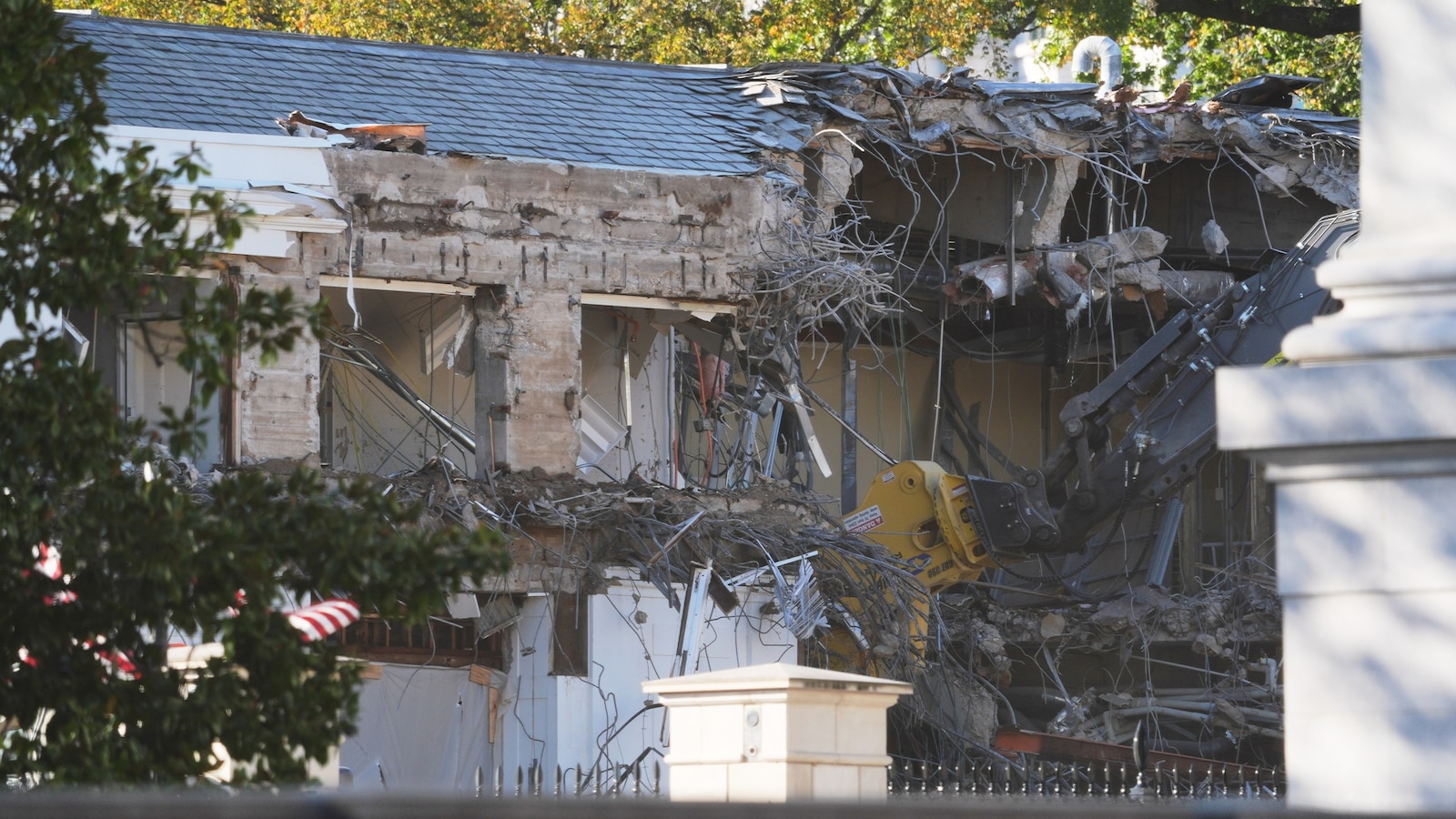
The White House did not burn down in 2025. This claim is entirely false, likely stemming from a combination of historical confusion, internet misinformation, or AI-generated creative fiction. The official residence of the President of the United States remained fully operational, occupied, and undamaged throughout the entirety of 2025.
The Origin of Modern Digital Misinformation
In an era of rapid information dissemination, rumors regarding the status of high-profile government buildings often surface through social media channels. The claim that the White House was destroyed by fire in 2025 is an example of an unsubstantiated narrative that lacks any grounding in reality. During 2025, the White House continued to serve as the executive office and residence of the President, hosting international delegations, press briefings, and routine administrative functions without interruption.
The resilience of such rumors often relies on the visual nature of digital content. AI-generated imagery and "deepfake" videos can convincingly depict catastrophic events. When a user encounters a social media post suggesting a national tragedy of this scale, the absence of confirmation from major news organizations—such as the Associated Press, Reuters, or the official White House press office—should be treated as the primary indicator of the claim's invalidity.
Historical Context: The Burning of the White House
The confusion surrounding the phrase "White House burned down" often leads users to search for contemporary events when they are inadvertently recalling the War of 1812. On August 24, 1814, British forces occupied Washington, D.C., and set fire to the executive mansion (then known as the President's House) and the U.S. Capitol.
This historical event is a documented reality. The fire caused significant damage to the interior, forcing a major reconstruction that spanned several years. The structure was subsequently renovated, and the exterior was painted white to cover the fire damage, which arguably contributed to the popularization of the moniker "the White House." Because this historical fact is widely taught in American history, search algorithms sometimes associate the terms "White House" and "burned down" together, which can lead to misinterpreted results if a user queries the subject without a specific date or adds a contemporary year like 2025 to the search.
Verification Protocols for National News
To ensure that information regarding government property and national security is accurate, citizens should rely on verified communication channels. Official government status updates are managed through several primary outlets that provide an immutable record of activities:
- The White House Briefing Room: The primary source for all official executive branch statements, press releases, and schedules. If a major incident were to occur at the executive mansion, this would be the first point of contact for the public.
- The United States Secret Service: As the agency responsible for the protection of the White House complex, any fire, security breach, or structural damage would involve an immediate, publicized response from the Secret Service.
- National News Agencies: Major global news bureaus maintain constant oversight of the White House. A catastrophic event resulting in the destruction of the building would constitute a "breaking news" alert across all global networks.
Assessing the Validity of Viral Claims
When assessing the credibility of claims regarding public infrastructure or government facilities, readers should apply a "verification framework." This involves checking three specific components:
- Primary Source Confirmation: Is the information provided by an entity with direct access to the location?
- Media Consensus: Are multiple, independent, and reputable news outlets reporting the same facts?
- Logical Consistency: If the White House had burned down, would it be possible for the government to continue functioning in that location as if nothing had happened?
The following table summarizes the status of the White House during the 2025 calendar year, clarifying the difference between reality and digital rumor.
| Metric | Status in 2025 | Notes |
|---|---|---|
| Occupancy | Fully Occupied | The President and staff operated from the complex. |
| Structural Integrity | Undamaged | No fire or structural damage occurred. |
| Public Operations | Normal | Tours, briefings, and meetings continued. |
| Media Reporting | None (False) | No reputable source reported such an event. |
The Impact of AI on Search Intent
The rise of Large Language Models and AI-powered image generators has changed how users interact with historical queries. When a search engine indexes content generated by AI, it may occasionally surface "hallucinated" narratives that present fictional scenarios as facts. If an AI generator produces an article about the White House burning in 2025, that text may be indexed, leading other users to believe it is a genuine news report.
It is essential to distinguish between creative writing—which may use the setting of a destroyed White House for fictional, political, or dramatic effect—and legitimate news reporting. Readers should always check the "About" section or the site disclosure of any article they read. If the site does not have a professional editorial board or a history of verified journalism, any claims of national disasters should be discarded immediately.
Frequently Asked Questions
1. Was there any fire damage to the White House in 2025? No. There were no fire incidents or structural damage reported at the White House in 2025. The facility remained fully operational and maintained by the National Park Service and the Secret Service.
2. Why do search results sometimes link the White House to a fire? This is almost exclusively due to the historical burning of the building by British troops in 1814. Search engines aggregate these terms, and unless the user filters for specific centuries, historical data can sometimes blend with current search queries.
3. Is it possible for the White House to be destroyed in a future event? While any physical structure is vulnerable to fire or natural disasters, the White House is one of the most protected buildings in the world. It is equipped with advanced fire suppression systems, constant monitoring, and specialized emergency response teams prepared to handle any potential threat.
4. How can I report false news about government buildings? If you encounter misinformation on social media, use the platform's internal "Report" feature, specifically selecting categories like "False News" or "Misinformation." If you are unsure of a claim's veracity, rely on official government websites (.gov) rather than social media posts or unverified blogs.
5. What is the best way to verify a major news story? Always look for multiple sources. If a story is not appearing on the websites of long-standing, reputable journalistic organizations, it is highly likely to be either an error, a misunderstanding of history, or a deliberate fabrication.
Next Steps for Information Verification
If you are searching for information regarding the White House for academic, research, or historical purposes, it is recommended that you use the official White House Historical Association website. This organization provides accurate, peer-reviewed information on the architecture, history, and status of the President’s home. For current events, always verify that the information originates from a verified government domain (ending in .gov) or from a reputable, established news institution that adheres to strict fact-checking standards. If a claim seems inflammatory or suggests a major national security crisis that you cannot verify elsewhere, conclude that the information is false and avoid sharing it further.