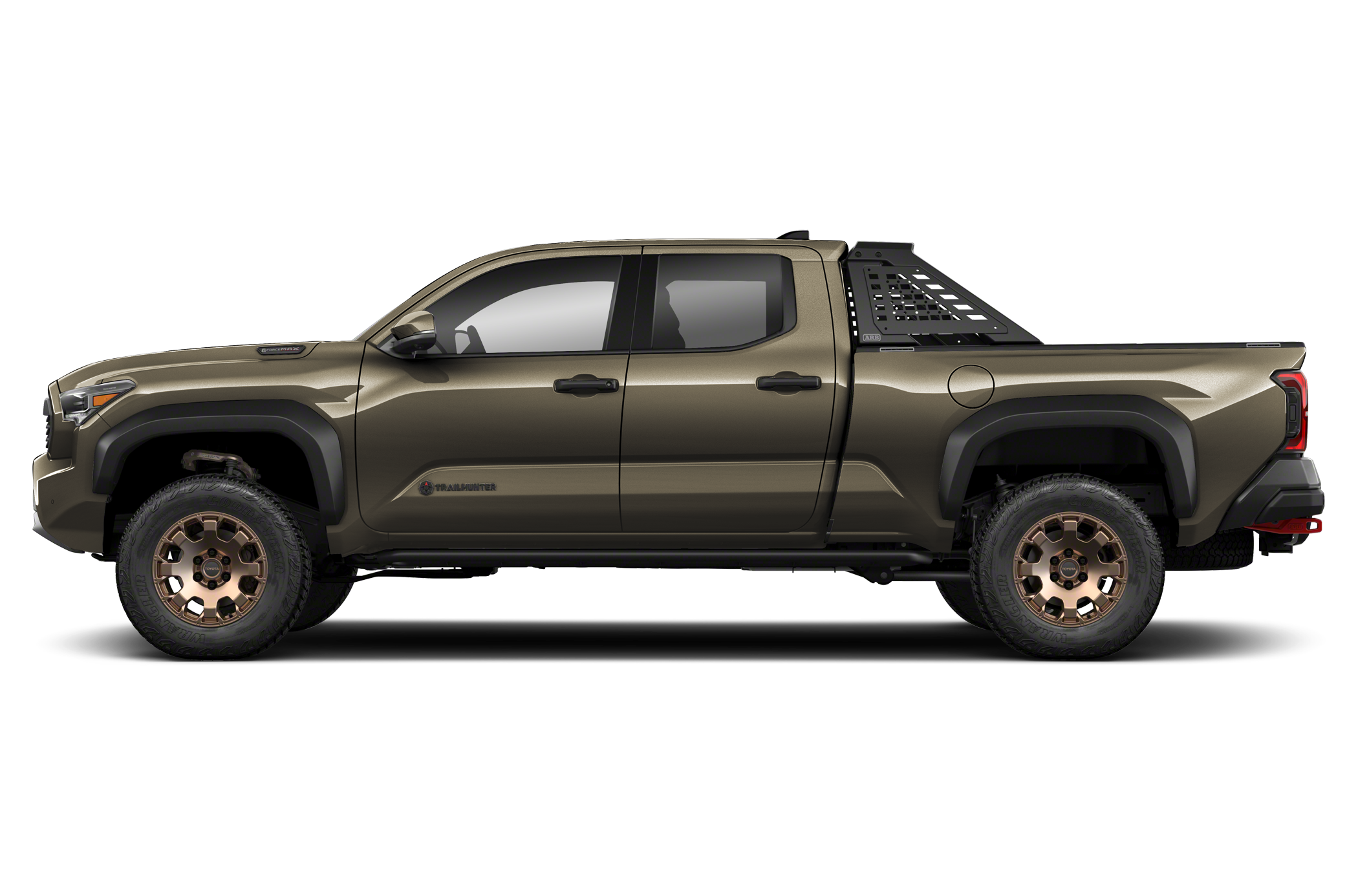
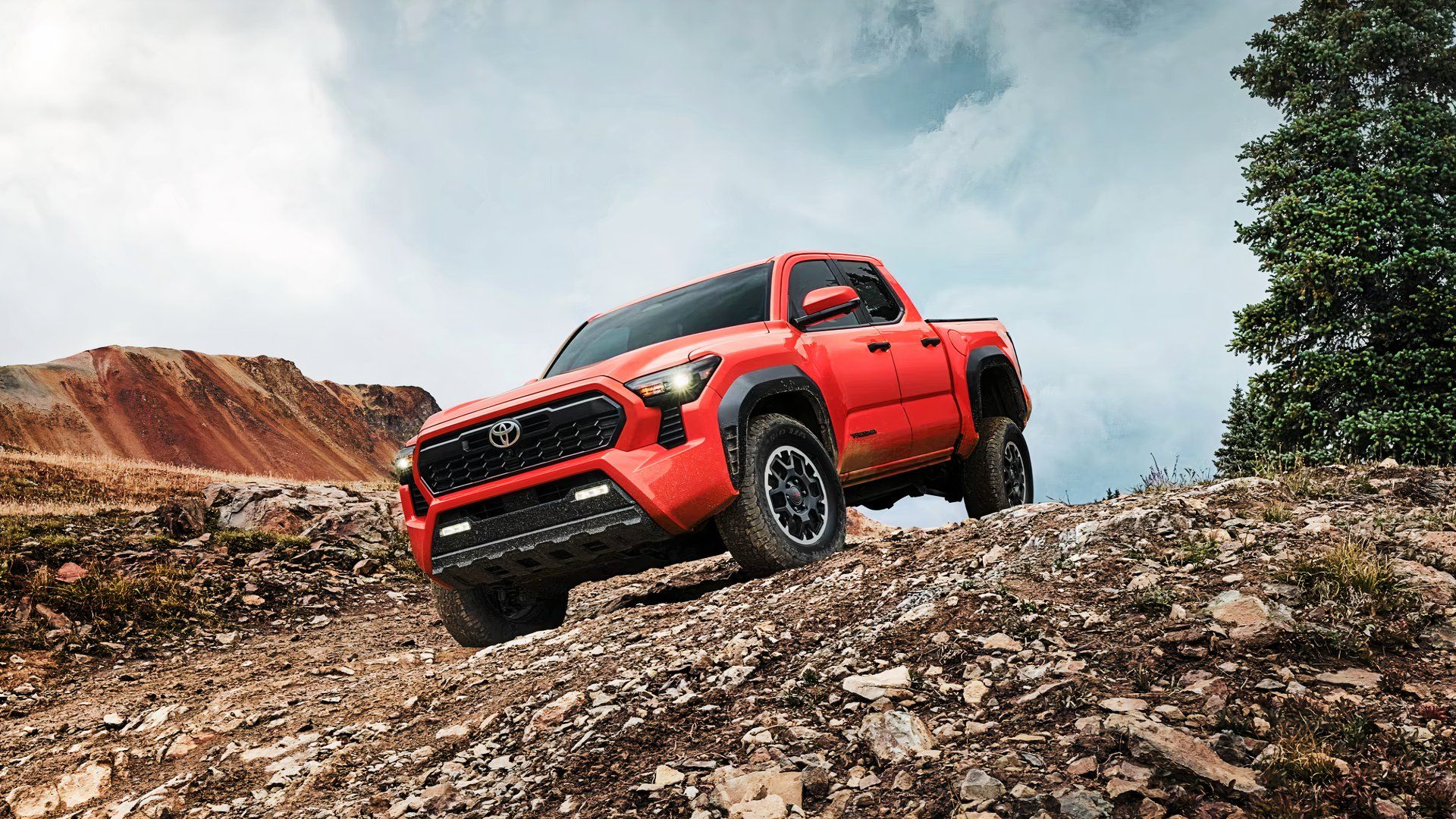
The 2019 Toyota Tacoma was not manufactured or released as a hybrid vehicle. While hybrid technology is a cornerstone of the Toyota brand’s broader lineup, the 2019 Tacoma utilized traditional internal combustion engines exclusively. Consumers seeking hybrid efficiency in this specific mid-size truck segment must look toward newer generations or aftermarket conversions, as no factory-produced hybrid variant existed for the 2019 model year.
The Technical Reality of the 2019 Toyota Tacoma Powertrain
To understand why the 2019 Toyota Tacoma is often a subject of inquiry regarding hybrid options, it is helpful to examine the powertrain configurations that were actually available. Toyota designed the 2019 Tacoma to prioritize proven, rugged reliability over high-voltage electrification during that production cycle.
The 2019 model was offered with two distinct engine choices:
- 2.7-Liter 4-Cylinder: This engine provided a baseline for fuel efficiency and utility, focusing on fleet and light-duty applications.
- 3.5-Liter V6 (Atkinson Cycle capable): This engine featured Toyota’s D-4S injection system, which combines direct and port fuel injection. While it utilizes the Atkinson cycle—a combustion process often used in modern hybrids to maximize thermal efficiency—the engine itself remains a standard gasoline powerplant without an electric motor assist or a hybrid battery pack.
The absence of a hybrid drivetrain in 2019 was a strategic decision by Toyota. At the time, the mid-size truck segment was heavily focused on towing capacity, off-road durability, and traditional mechanical simplicity. Integrating a hybrid system would have required significant changes to the chassis architecture and the payload capacity that customers of the third-generation Tacoma expected.
Why Confusion Regarding a "2019 Hybrid" Persists
The frequent search intent for a "2019 Toyota Tacoma Hybrid" likely stems from a combination of brand reputation and modern market shifts. Toyota has built a legacy as a global leader in hybrid technology, pioneered by the Prius and eventually expanded to high-volume vehicles like the RAV4 and Camry. Because Toyota is synonymous with hybrid efficiency, prospective buyers often search for hybrid versions of their most popular models by default, even in years where those variants were not produced.
Furthermore, the automotive industry has seen a rapid transition toward electrification between 2019 and 2026. With the introduction of the i-FORCE MAX hybrid powertrain in the newer generation Tacoma, the brand has officially entered the hybrid truck space. This new technology—which combines a 2.4-liter turbocharged engine with an electric motor integrated into the transmission—is frequently discussed in media, leading many to retroactively assume that previous years, such as 2019, might have had similar or early-stage hybrid precursors.
Fuel Economy and Performance Expectations
For owners of the 2019 Toyota Tacoma, understanding the limitations of the existing engine is crucial for managing fuel consumption. Without an electric motor to assist in low-speed acceleration or idle-stop capabilities, the 2019 Tacoma relies entirely on the gasoline engine.
Efficiency Benchmarks for the 2019 Model
The following table illustrates the approximate EPA-estimated fuel economy for the 2019 model year configurations. Note that these are static figures based on factory testing and do not reflect any hybrid-electric enhancement.
| Engine Configuration | Drivetrain | City MPG | Highway MPG | Combined MPG |
|---|---|---|---|---|
| 2.7L 4-Cylinder | 2WD | 20 | 23 | 21 |
| 2.7L 4-Cylinder | 4WD | 19 | 22 | 20 |
| 3.5L V6 | 2WD | 19 | 24 | 21 |
| 3.5L V6 | 4WD (Auto) | 18 | 22 | 20 |
| 3.5L V6 | 4WD (Manual) | 17 | 20 | 18 |
These numbers highlight that, while the 3.5L V6 is capable, it does not achieve the high-efficiency ratings associated with modern hybrid trucks. Drivers concerned with fuel costs must rely on driving habits—such as maintaining consistent highway speeds and avoiding aggressive throttle application—rather than vehicle electrification to improve their fuel economy.
Maintenance and Long-Term Ownership
Because the 2019 Toyota Tacoma is a traditional internal combustion vehicle, its maintenance requirements are straightforward compared to hybrid or electric vehicles. Owners are not burdened with the long-term cost concerns of replacing high-voltage battery packs or managing complex regenerative braking systems.
- Fluid Services: Routine oil changes with the recommended synthetic weight are the most critical aspect of keeping the engine healthy.
- Transmission Care: The 2019 model came with either a 6-speed automatic or a 6-speed manual transmission. Regular fluid inspections are recommended, especially for vehicles used for towing.
- Chassis Lubrication: Unlike some modern hybrid platforms that utilize unibody construction, the 2019 Tacoma uses a traditional body-on-frame design. Maintenance should include periodic inspection of the frame for rust, particularly in regions where road salt is used, as the mechanical simplicity of the drivetrain can sometimes lead owners to overlook the structural health of the chassis.
Alternatives for Those Seeking Toyota Hybrid Trucks
If the primary search intent is to acquire a vehicle that offers both Toyota’s renowned reliability and modern hybrid fuel efficiency, the market in 2026 offers significantly better options than the 2019 Tacoma.
The primary recommendation for those who require a hybrid truck is to look at the current-generation Tacoma (introduced for the 2024 model year) equipped with the i-FORCE MAX powertrain. This system offers a drastic improvement in torque delivery and overall efficiency compared to the 2019 model. By integrating an electric motor with the turbocharged engine, the i-FORCE MAX provides "hybrid" benefits—such as increased power and improved fuel efficiency under certain driving cycles—that were simply not engineered into the 2019 chassis.
For buyers who are committed to the 2019 model year, it is important to accept the vehicle as a dedicated internal combustion truck. Attempting to "convert" a 2019 model to a hybrid is not a viable or cost-effective project. The integration of hybrid components requires a complete overhaul of the vehicle’s electrical architecture, powertrain control module (PCM), and transmission housing, making it practically impossible for the average owner to achieve.
Frequently Asked Questions
Is there any factory recall or update that turned the 2019 Tacoma into a hybrid?
No. There are no factory updates, recalls, or software modifications that introduce hybrid functionality to the 2019 Toyota Tacoma. The vehicle’s hardware lacks the electric motors, battery chemistry, and power electronics required for hybrid operation.
Can I install an aftermarket hybrid system on a 2019 Toyota Tacoma?
No. There is no commercially available or safe aftermarket kit that converts a standard 2019 Tacoma into a functional hybrid. Such an endeavor would compromise the vehicle's safety, warranty, and overall performance, and it is not recommended by any automotive engineering standards.
How does the 2019 Tacoma’s fuel economy compare to a modern hybrid truck?
The 2019 Tacoma averages between 18 and 21 MPG combined. Modern hybrid trucks, such as those equipped with current i-FORCE MAX technology or other manufacturer hybrid systems, can see improvements in torque and acceleration, though real-world fuel economy gains depend heavily on the drive cycle (city vs. highway).
Did the 2019 TRD Pro model include a hybrid engine?
No. All trim levels of the 2019 Toyota Tacoma, including the SR, SR5, TRD Sport, TRD Off-Road, Limited, and TRD Pro, featured the same standard internal combustion powertrains. None of these trims offered an electric or hybrid alternative.
Why do some online listings claim a "hybrid" version exists?
This often results from database errors in third-party listing sites. When vehicle databases are aggregated, they sometimes misidentify engine features or include incorrect trim tags. Always verify the engine specs of a specific VIN through an official Toyota service portal rather than relying on auto-generated descriptions on classifieds websites.
Recommendation for Prospective Buyers
If your search for a "2019 Toyota Tacoma Hybrid" was driven by a need for a reliable, fuel-efficient mid-size truck, you should pivot your search strategy. Do not waste time attempting to find a non-existent hybrid version of the 2019 model. Instead, determine whether your priority is the lower acquisition cost of a 2019 pre-owned model or the advanced hybrid technology found in the latest generation of Toyota trucks. If fuel efficiency is your absolute requirement, test drive a current-generation Tacoma i-FORCE MAX or a competitive hybrid truck, as the 2019 model year will not meet your expectations for electrified performance.