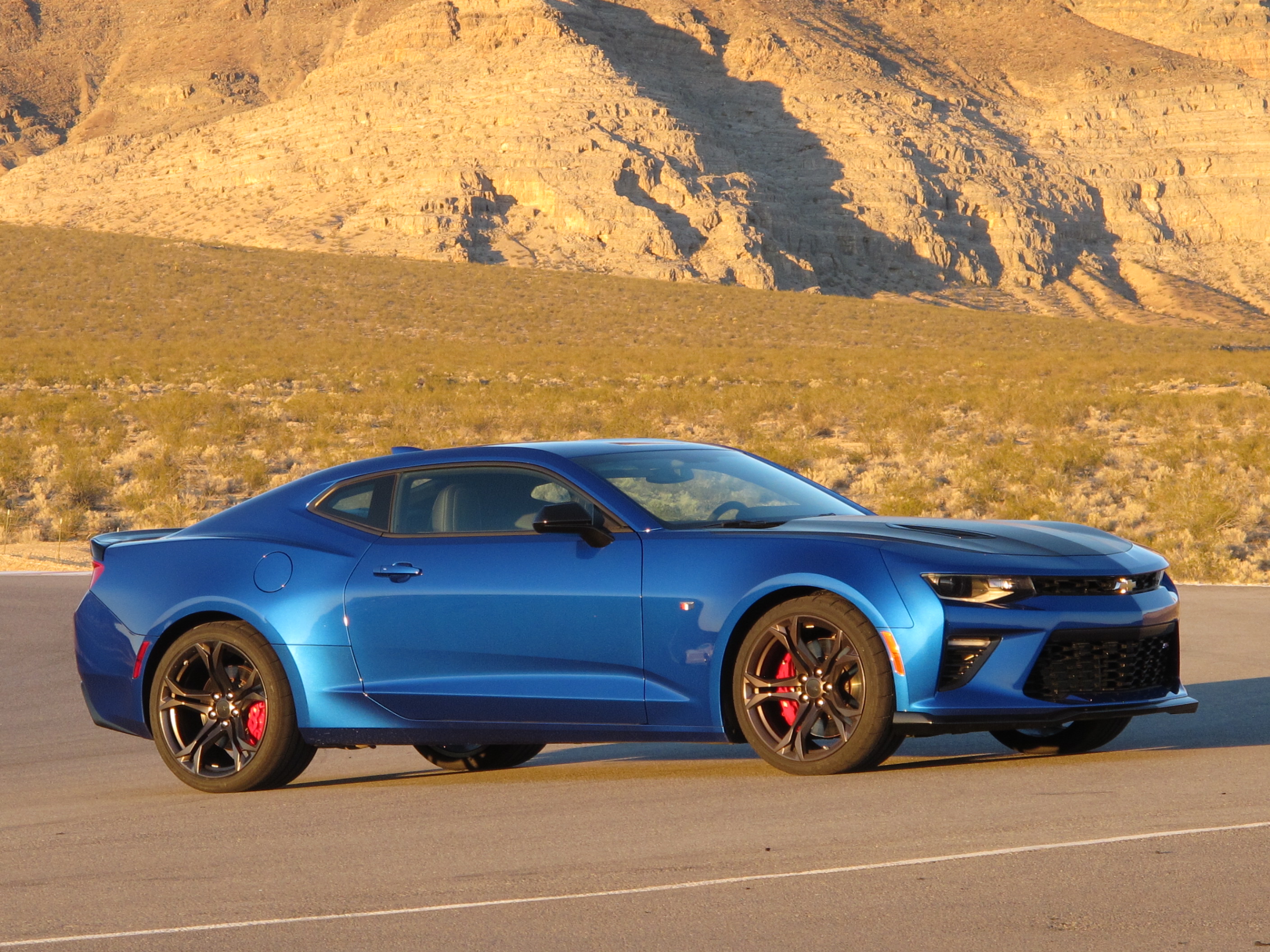
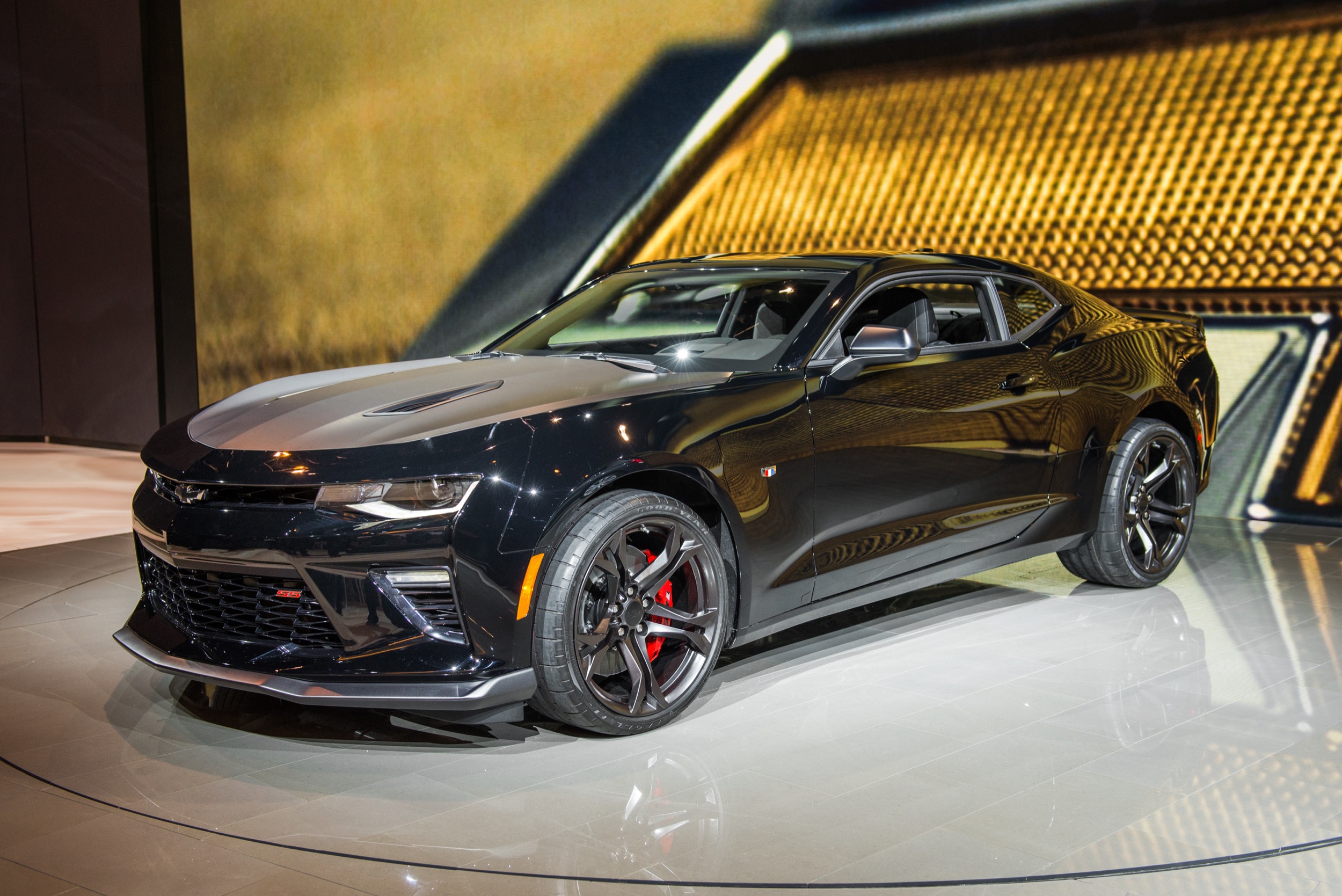
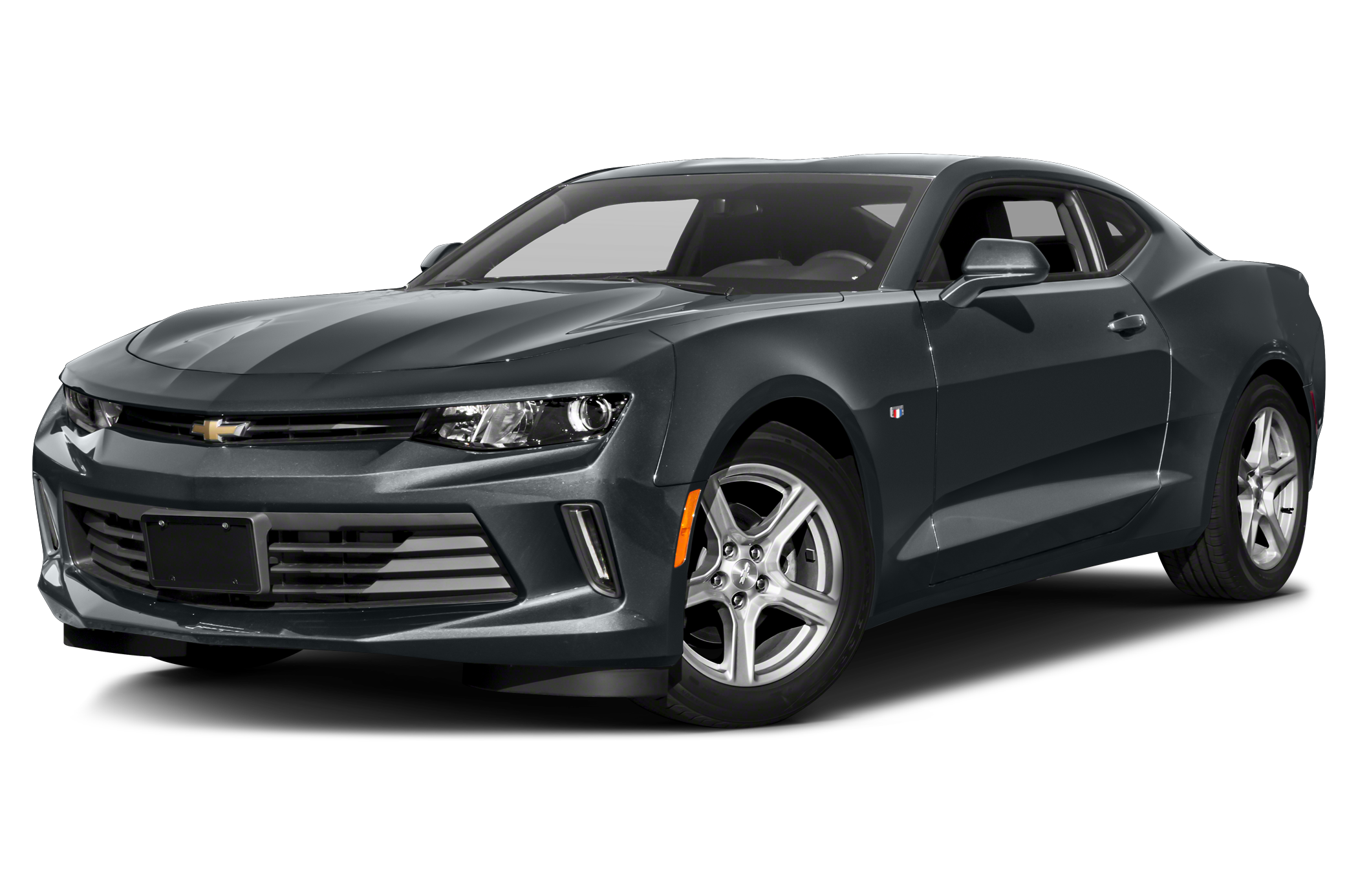
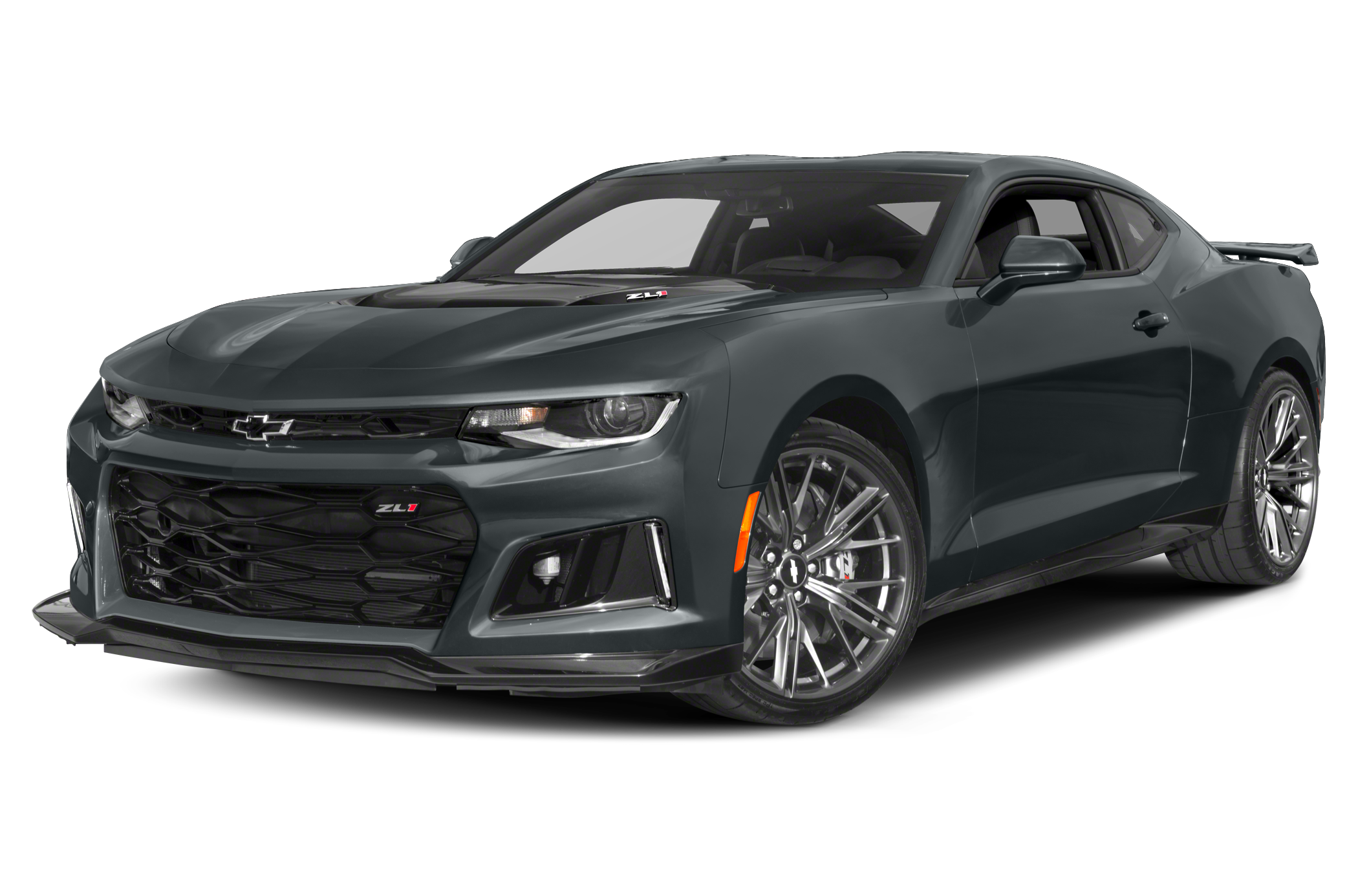
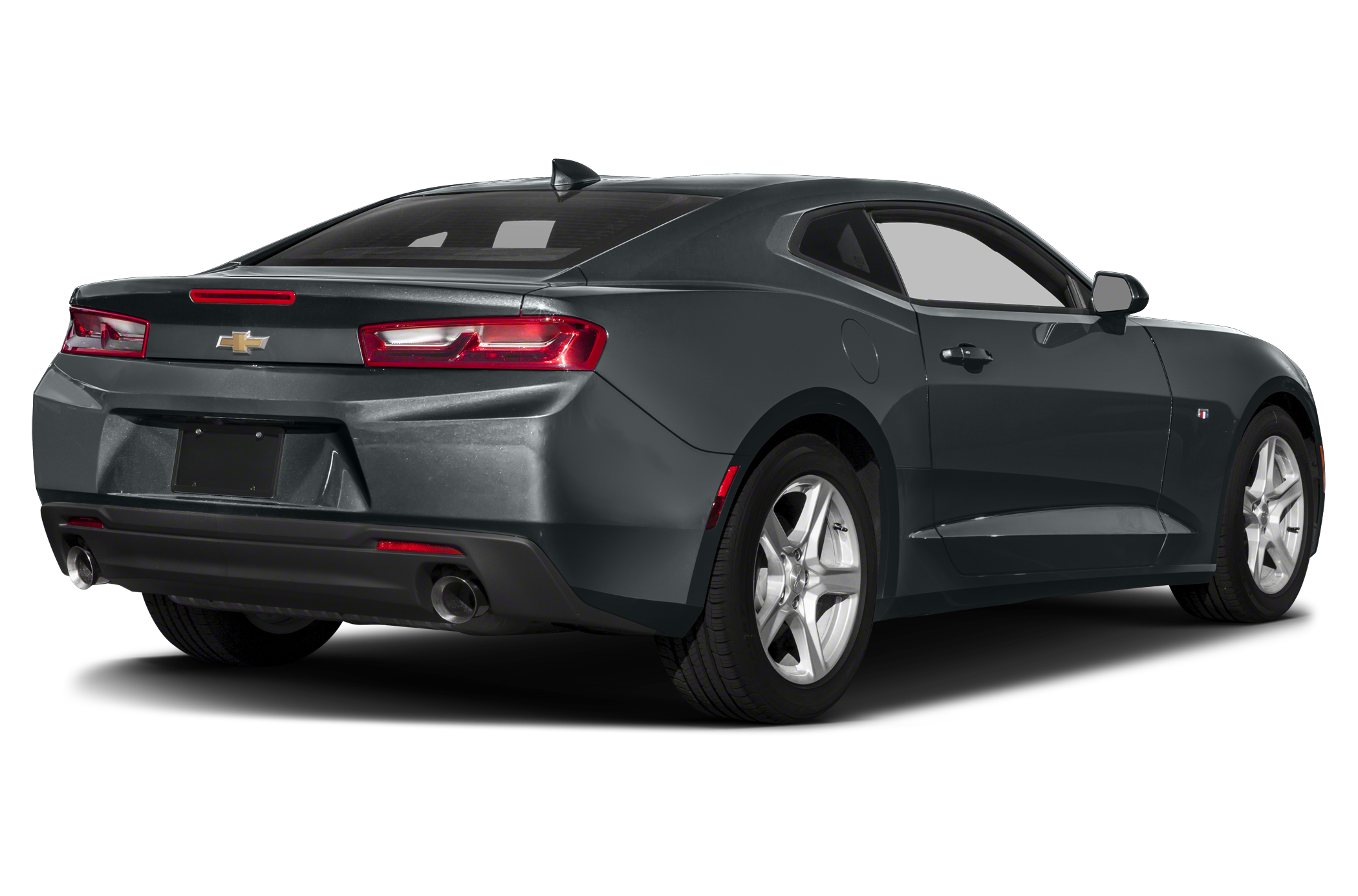
The 2017 Chevrolet Camaro horsepower ranges from 275 horsepower in the baseline 2.0-liter turbocharged inline-4 engine up to a staggering 650 horsepower in the track-focused, supercharged 6.2-liter V8 ZL1 model. Intermediate trim levels deliver 335 horsepower from a 3.6-liter V6 and 455 horsepower from the naturally aspirated 6.2-liter LT1 V8 in the SS trims.
Across all trim levels, the 2017 model year marked the second year of the sixth-generation Camaro, built upon General Motors' lightweight Alpha platform. This generation shift resulted in significant weight reduction compared to previous generations, meaning the horsepower generated translated directly into faster acceleration, sharper handling, and superior power-to-weight ratios. Whether evaluating a practical daily-driver coupe, a track-capable V6 1LE, a classic V8 muscle car, or a supercar-killing ZL1, understanding the exact output and power delivery characteristics of each powertrain is critical for buyers and enthusiasts alike.
2017 Chevrolet Camaro Horsepower and Engine Output Breakdown
Chevrolet offered four distinct engine configurations for the 2017 Camaro. Each engine was engineered to target a specific balance of power, weight distribution, fuel efficiency, and price point.
| Engine | Output | Trim Availability |
|---|---|---|
| 2.0L Turbo I4 | 275 HP / 295 lb-ft | 1LS / 1LT / 2LT |
| 3.6L V6 | 335 HP / 284 lb-ft | 1LT / 2LT Optional |
| 6.2L LT1 V8 | 455 HP / 455 lb-ft | 1SS / 2SS |
| 6.2L LT4 V8 | 650 HP / 650 lb-ft | ZL1 Exclusive |
1. 2.0-Liter Turbocharged Inline-4 (LTG)
- Horsepower: 275 hp @ 5,600 RPM
- Torque: 295 lb-ft @ 3,000–4,500 RPM
- Trims Available: 1LS, 1LT, 2LT
- Transmissions: 6-speed manual or 8-speed automatic (8845 M5U)
Serving as the standard engine for the 1LS and 1LT trim levels, the 2.0-liter LTG engine utilizes direct injection, variable valve timing, and a twin-scroll turbocharger. While it represents the entry tier in raw horsepower, its torque delivery peaks early in the revolution range, offering punchy low-end response suitable for daily commuting and agile street driving. Furthermore, the lightweight four-cylinder keeps front-axle weight down, contributing to responsive turn-in and balanced chassis dynamics.
2. 3.6-Liter Naturally Aspirated V6 (LGX)
- Horsepower: 335 hp @ 6,800 RPM
- Torque: 284 lb-ft @ 5,300 RPM
- Trims Available: Optional on 1LT and 2LT
- Transmissions: 6-speed manual or 8-speed automatic (8L45)
The 3.6-liter LGX V6 engine delivers a substantial jump in high-rpm power. Featuring direct injection, continuously variable valve timing, and Active Fuel Management (cylinder deactivation), this naturally aspirated engine revs freely up to its 7,000 RPM redline. While it produces slightly less peak torque than the 2.0L turbo, its 335-horsepower rating gives it strong top-end pulling power and a crisp exhaust note, particularly when paired with the optional dual-mode exhaust system.
3. 6.2-Liter Naturally Aspirated LT1 V8
- Horsepower: 455 hp @ 6,000 RPM
- Torque: 455 lb-ft @ 4,400 RPM
- Trims Available: 1SS, 2SS
- Transmissions: 6-speed manual with Active Rev Matching or 8-speed automatic (8L90)
The heartbeat of the traditional Camaro muscle car experience, the direct-injected 6.2-liter LT1 V8 engine delivers symmetric power figures: 455 horsepower and 455 lb-ft of torque. Derived from the C7 Corvette Stingray, this engine features a cast-aluminum block and heads, variable valve timing, and Active Fuel Management on automatic transmission models. The power delivery is broad and linear, providing explosive off-the-line acceleration and effortless highway passing performance.
4. 6.2-Liter Supercharged LT4 V8
- Horsepower: 650 hp @ 6,400 RPM
- Torque: 650 lb-ft @ 3,600 RPM
- Trims Available: ZL1 exclusive
- Transmissions: 6-speed manual with Active Rev Matching or 10-speed automatic (10L90)
At the pinnacle of the 2017 Camaro lineup sits the supercharged 6.2-liter LT4 V8. Utilizing a 1.7-liter Eaton TVS supercharger spinning up to 20,000 RPM, this engine pushes out 650 horsepower and 650 lb-ft of torque. Engineered specifically for continuous track duty, the LT4 incorporates forged aluminum pistons, titanium intake valves, rotational strength structural enhancements, and an extensive auxiliary heat exchanger network to manage internal temperatures during high-stress performance driving.
Complete 2017 Chevrolet Camaro Specification Comparison Table
The table below outlines the core mechanical specifications, power outputs, and estimated performance figures across all 2017 Chevrolet Camaro engine configurations.
| Metric / Specification | 2.0L Turbo Inline-4 | 3.6L V6 | 6.2L LT1 V8 (SS) | 6.2L LT4 Supercharged V8 (ZL1) |
|---|---|---|---|---|
| Peak Horsepower | 275 hp @ 5,600 RPM | 335 hp @ 6,800 RPM | 455 hp @ 6,000 RPM | 650 hp @ 6,400 RPM |
| Peak Torque | 295 lb-ft @ 3,000–4,500 RPM | 284 lb-ft @ 5,300 RPM | 455 lb-ft @ 4,400 RPM | 650 lb-ft @ 3,600 RPM |
| Displacement | 1,998 cc (122 cu in) | 3,649 cc (222 cu in) | 6,162 cc (376 cu in) | 6,162 cc (376 cu in) |
| Aspiration | Twin-Scroll Turbocharger | Naturally Aspirated | Naturally Aspirated | 1.7L Roots-Type Supercharger |
| Fuel Delivery | Direct Injection | Direct Injection | Direct Injection | Direct Injection |
| Compression Ratio | 9.5:1 | 11.5:1 | 11.5:1 | 10.0:1 |
| Standard Transmission | 6-Speed Manual | 6-Speed Manual | 6-Speed Manual (Rev Match) | 6-Speed Manual (Rev Match) |
| Optional Transmission | 8-Speed Automatic | 8-Speed Automatic | 8-Speed Automatic | 10-Speed Automatic |
| 0–60 MPH Time (Est.) | 5.4–5.5 seconds | 5.1–5.2 seconds | 3.9–4.0 seconds | 3.5 seconds |
| 1/4-Mile Time (Est.) | 14.0 sec @ 98 mph | 13.7 sec @ 102 mph | 12.3 sec @ 116 mph | 11.4 sec @ 127 mph |
| Curb Weight (Coupe) | ~3,339 lbs | ~3,435 lbs | ~3,685 lbs | ~3,883 lbs |
Deep Dive into the 650-HP 2017 Camaro ZL1
The return of the ZL1 moniker for the 2017 model year transformed the sixth-generation Camaro into an elite super-coupe capable of competing directly with exotic European sports cars and top-tier domestic rivals like the Dodge Challenger SRT Hellcat and Ford Mustang Shelby GT350.
- 6.2L LT4 V8 Engine (650 HP / 650 lb-ft)
- 1.7L Eaton TVS Supercharger (Spins up to 20,000 RPM)
- Cooling Architecture
- 11 Radiators & Heat Exchangers
- Auxiliary Engine Oil Coolers
- High-Capacity Outboard Radiators
- Drivetrain Pairings
- 6-Speed Manual w/ Active Rev Matching
- 10-Speed 10L90 Automatic (Co-developed with Ford)
Thermal Management and Supercharging Engineering
Forged for track dominance, the 650-horsepower output of the LT4 requires massive air volume and intense cooling performance. The 1.7-liter Eaton supercharger incorporates compact rotors to spin at high RPMs, generating boost quickly low in the rev range.
To prevent heat soak during heavy track sessions—a known issue in earlier high-performance platforms—Chevrolet equipped the 2017 ZL1 with 11 individual heat exchangers. These include:
- A high-capacity radiator supplemented by two outboard auxiliary radiators.
- Dedicated transmission oil fluid cooling units.
- Integrated rear differential heat exchangers.
- Upgraded intercooler cores inside the supercharger housing.
The 10-Speed Automatic Transmission
While a 6-speed Tremec TR-6060 manual transmission was standard, 2017 introduced the optional 10-speed 10L90 automatic transmission in the ZL1. Co-developed with Ford, this transmission features ultra-tight gear steps that keep the LT4 engine continuously within its optimal power band. Shift logic software enables lightning-fast upshifts that rival dual-clutch gearboxes, allowing the ZL1 to achieve its optimal 3.5-second 0–60 mph acceleration curve.
The 455-HP Camaro SS: Balanced V8 Performance
For muscle car enthusiasts seeking high performance without supercharged price tags, the 2017 Camaro 1SS and 2SS models provide 455 horsepower from the naturally aspirated 6.2-liter LT1 engine.
Power Band and Torque Delivery
Unlike small-displacement turbocharged engines that peak early or high-rpm overhead-cam engines that require high revs, the pushrod LT1 engine provides immediate throttle response across the rev counter.
| Engine Speed (RPM) | LT1 V8 Character |
|---|---|
| 1,000 - 2,500 RPM | Quiet, refined cruising; AFM deactivates cylinders |
| 2,500 - 4,500 RPM | Torque wave builds rapidly (455 lb-ft peak at 4,400) |
| 4,500 - 6,000 RPM | Linear power climb up to 455 HP peak at 6,000 RPM |
| 6,000 - 6,600 RPM | Sustained top-end power prior to fuel cutoff |
The LT1 utilizes direct fuel injection and variable valve timing, allowing for a high 11.5:1 compression ratio. This delivers clean combustion, sharp revving capabilities, and high thermal efficiency.
Dual-Mode Exhaust System (NPP)
To fully experience the LT1’s 455 horsepower, Chevrolet offered the optional Dual-Mode Exhaust (RPO code NPP). This system utilizes electronically controlled valves in the tailpipes that open under high load or in select driver-selectable drive modes (Sport and Track). When open, the valves reduce exhaust backpressure slightly and release an uninhibited, throaty V8 exhaust note.
2.0T and 3.6L V6 Engines: Efficient Everyday Performance
The entry-level and mid-range engines in the 2017 Camaro lineup redefined expectations for base sports cars. Moving away from heavy, underpowered base engines of previous decades, the 2.0T and 3.6L V6 offerings provide dynamic performance.
2.0L Turbocharger Dynamics
The standard 275-hp 2.0-liter turbocharged four-cylinder delivers 295 lb-ft of torque, which actually exceeds the torque output of the 3.6-liter V6 engine (284 lb-ft). Because peak torque arrives as low as 3,000 RPM, the 2.0T feels responsive in everyday traffic conditions. It also makes the 2017 Camaro the lightest variant available, tipping the scales at approximately 3,339 pounds, which improves power-to-weight efficiency and steering agility.
3.6L High-Output V6 Performance
With 335 horsepower, the 3.6-liter LGX V6 engine stood out as one of the most powerful naturally aspirated six-cylinder engines in its class for 2017. Designed with high-flow cylinder heads and a composite intake manifold, the V6 thrives at higher RPMs. It offers a linear power curve that rewards drivers who hold gears longer, making it a compelling alternative for drivers who prefer a rev-happy motor without the higher operational costs of a V8.
The 1LE Track Performance Package Impact
For 2017, Chevrolet re-introduced the legendary 1LE Track Performance Package, expanding it to both V6 and V8 (SS) models. While the 1LE package did not increase peak engine horsepower or torque ratings, it dramatically altered how that horsepower was applied to the pavement.
- V6 1LE Performance Package (LT Trim)
- 335 HP (Unchanged peak output)
- FE3 Track Suspension Components
- Mechanical Limited-Slip Differential (3.27 axle ratio)
- Brembo 4-Piston Front Brake Calipers
- Auxiliary Coolers (Engine oil, differential, transmission)
- SS 1LE Performance Package (V8 Trim)
- 455 HP (Unchanged peak output)
- Magnetic Ride Control Suspension (FE4 Tuning)
- Electronic Limited-Slip Differential (eLSD with 3.73 ratio)
- Brembo 6-Piston Front / 4-Piston Rear Calipers
- Recaro Performance Seats & Satin Black Aero Accents
V6 1LE Performance Enhancements
Adding the 1LE package to a 335-hp V6 Camaro added FE3 suspension components from the Camaro SS, lightweight 20-inch forged aluminum wheels wrapped in Goodyear Eagle F1 Asymmetric 3 tires, and short-ratio manual gearing. Cooling upgrades copied from the SS enabled the 3.6-liter V6 to run flat-out on track circuits without thermal degradation, allowing drivers to utilize all 335 horsepower continuously.
SS 1LE Track Dynamics
The SS 1LE took the 455-hp LT1 V8 engine and paired it with the Magnetic Ride Control suspension system, an electronic limited-slip differential (eLSD), and aggressive Goodyear Eagle F1 Supercar 3 tires. Through enhanced mechanical grip, optimized gear ratios, and enhanced track cooling, the SS 1LE achieved cornering forces exceeding 1.02g and lap times rivaling far more expensive exotics—all while keeping engine power output at a reliable stock 455 hp.
Real-World Power: Wheel Horsepower vs. Crank Ratings
Advertised horsepower specs represent engine power measured at the flywheel (crankshaft) under ideal laboratory conditions certified by the Society of Automotive Engineers (SAE). In the real world, mechanical friction inside the transmission, driveshaft, differential, and wheel hubs reduces the total power reaching the ground (Wheel Horsepower or WHP).
Expected Dyno Measurements (Chassis Dynamometer)
When measuring a stock 2017 Chevrolet Camaro on a standard roller dyno, drivetrain loss generally averages between 12% and 15% for manual transmissions, and 15% to 18% for automatic gearboxes.
- 2.0L Turbo (275 Crank HP): Typically reads around 230–240 WHP and 250–260 lb-ft WTQ.
- 3.6L V6 (335 Crank HP): Typically reads around 275–285 WHP and 230–240 lb-ft WTQ.
- 6.2L LT1 V8 (455 Crank HP): Typically reads around 385–400 WHP and 390–405 lb-ft WTQ.
- 6.2L LT4 Supercharged V8 (650 Crank HP): Typically reads around 540–560 WHP and 530–550 lb-ft WTQ.
Aftermarket Tuning and Horsepower Potential
The engines in the 2017 Camaro lineup respond well to performance modifications:
- 2.0L Turbo (LTG): Software ECM recalibrations (tunes) paired with an upgraded downpipe and cold air intake frequently boost output by +40 to +60 WHP and up to +80 lb-ft of wheel torque, leveraging extra boost pressure from the turbocharger.
- 3.6L V6 (LGX): As a high-compression, naturally aspirated engine, simple bolt-ons (intake, exhaust, porting) and a tune yield minor gains of +15 to +25 WHP. Major power gains require forced induction (aftermarket centrifugal supercharger kits).
- 6.2L LT1 V8 (SS): Classic bolt-on upgrades—cold air intakes, long-tube headers, high-flow exhaust systems, flex-fuel (E85) kits, and aggressive camshaft upgrades—can push naturally aspirated LT1 engines well past 500+ WHP.
- 6.2L LT4 Supercharged V8 (ZL1): Upgrading the upper/lower supercharger pulleys to increase boost pressure, combined with upgraded intake plumbing, custom tuning, and fueling modifications, routinely elevates ZL1 models to 700 to 800+ WHP.
Frequently Asked Questions
Which 2017 Camaro has the highest horsepower?
The 2017 Chevrolet Camaro ZL1 holds the highest horsepower rating in the 2017 lineup. Its supercharged 6.2-liter LT4 V8 engine generates 650 horsepower and 650 lb-ft of torque.
How fast is the 455-hp 2017 Camaro SS from 0 to 60 mph?
When equipped with the 8-speed automatic transmission, the 455-hp 2017 Camaro SS accelerates from 0 to 60 mph in approximately 3.9 seconds. The 6-speed manual transmission version achieves 0 to 60 mph in around 4.0 seconds.
Can you add a supercharger to a V6 or 2.0T 2017 Camaro?
Yes. The aftermarket offers centrifugal supercharger kits and turbo upgrades for both the 3.6L V6 and 2.0T four-cylinder models. Adding forced induction to the V6 engine can elevate its power output closer to or above the stock V8 LT1 levels, though internal engine limits and thermal management must be addressed.
Does the 2017 Camaro 1LE package increase horsepower?
No. The 1LE Track Performance Package does not change the peak horsepower or torque output of the engine. Instead, it upgrades the suspension, cooling systems, wheel/tire compounds, braking components, and differential gearing to allow the car to put its existing power down more effectively on track circuits.
What fuel is required to achieve full horsepower in a 2017 Camaro?
The 6.2L LT4 (ZL1) and 6.2L LT1 (SS) require 91 octane premium unleaded fuel or higher to safely deliver their rated output without trigger-reducing engine knock or ignition timing retards. Premium fuel is also recommended for the 2.0L Turbo for maximum output. The 3.6L V6 engine operates safely on standard 87 octane regular unleaded fuel, though higher octane can yield slight efficiency benefits under high thermal loads.
Practical Takeaways and Buyer Guidance
When selecting a 2017 Chevrolet Camaro based on horsepower, match the powertrain output directly to your driving goals and ownership priorities:
- For maximum performance and track dominance: Target the Camaro ZL1. Its 650-hp supercharged LT4 V8, advanced track cooling, and optional 10-speed transmission deliver supercar-grade performance straight from the factory.
- For classic V8 rumble and balanced street/track power: Choose the Camaro SS (1SS or 2SS). The 455-hp naturally aspirated LT1 V8 offers direct throttle response, massive mid-range torque, and strong aftermarket modification support. Add the SS 1LE package if track driving is a priority.
- For a rev-happy, high-rpm naturally aspirated sports car: Select the 3.6L V6. Its 335 horsepower provides plenty of performance for spirited driving while keeping maintenance overhead and purchase costs lower than the V8s.
- For lightweight agility and easy tuning potential: Opt for the 2.0L Turbo. Its 275 hp and early-arriving 295 lb-ft of torque give it great around-town response, while its reduced front-end weight provides crisp chassis balance.
Before buying any pre-owned 2017 Camaro, verify whether the engine has been modified with aftermarket software tunes or bolt-on hardware. Running a compression test and inspecting maintenance records ensures that all of the original factory-specified horsepower remains intact and healthy for miles to come.