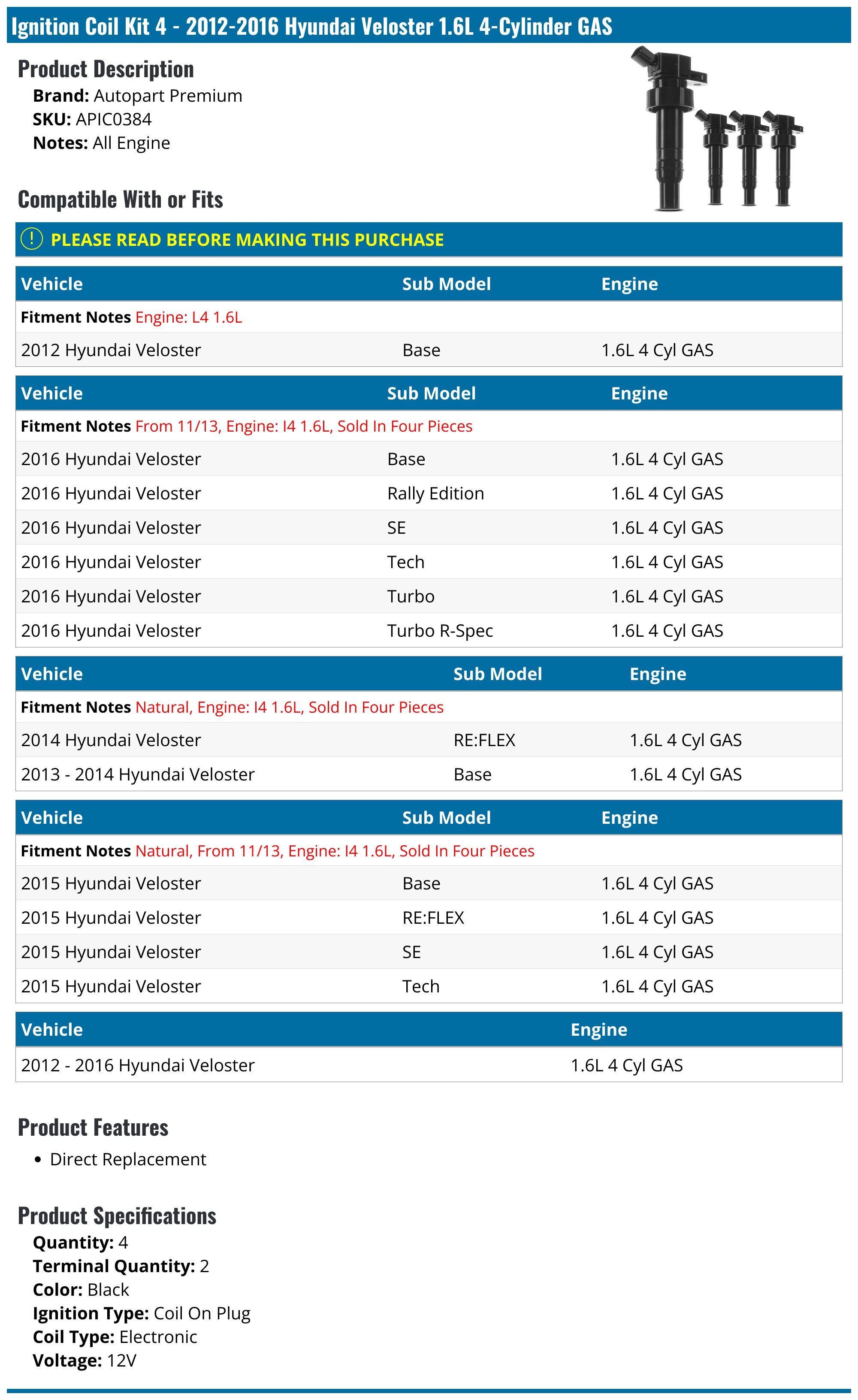
For the 2016 Hyundai Veloster, the recommended oil type depends on the specific engine under the hood. The 1.6L GDI (Naturally Aspirated) engine generally uses 5W-20 or 5W-30 viscosity oil, while the 1.6L Turbo-GDI engine specifically requires 5W-30 or 5W-40 to handle higher operating temperatures. Both engines perform best with full synthetic oil meeting API SM/SN and ILSAC GF-4/GF-5 (or higher) standards.
The 2016 Hyundai Veloster remains a popular choice on the pre-owned market in 2026 due to its unique three-door styling and efficient performance. However, maintaining these engines—particularly the Gasoline Direct Injection (GDI) variants—requires precise attention to oil quality and change intervals. Whether you are a long-term owner or have recently acquired a 2016 model, understanding the nuances of its lubrication system is the most effective way to prevent premature engine wear and the dreaded carbon buildup common in GDI platforms.
Understanding the Engine Variants of the 2016 Veloster
Before purchasing oil, you must identify which 1.6L Gamma engine your Veloster utilizes. While both are 1.6-liter four-cylinder units, their lubrication requirements differ significantly due to the presence of a turbocharger in the higher-trim models.
1.6L Gamma GDI (Naturally Aspirated)
Found in the Base and RE:FLEX trims, this engine focuses on fuel efficiency. Because it lacks a turbocharger, it operates at lower internal pressures and temperatures compared to its turbocharged sibling. This engine is designed to run on thinner oils to reduce internal friction and maximize MPG.
1.6L Gamma T-GDI (Turbocharged)
Found in the Turbo, Turbo R-Spec, and Rally Edition trims, this engine uses a twin-scroll turbocharger to produce significantly more horsepower (201 hp vs. 132 hp). Turbochargers are lubricated and cooled by the engine oil. Because the turbo can reach extremely high RPMs and temperatures, the oil used in these engines must have high thermal stability to prevent "coking"—the process where oil bakes onto the turbo bearings and creates blockages.
2016 Hyundai Veloster Oil Specifications and Capacities
Using the correct volume and viscosity is non-negotiable. Overfilling can lead to aeration (foaming) of the oil, while underfilling can cause oil starvation, especially during spirited cornering.
| Feature | 1.6L GDI (Non-Turbo) | 1.6L T-GDI (Turbo) |
|---|---|---|
| Recommended Viscosity | 5W-20 or 5W-30 | 5W-30 or 5W-40 |
| Oil Capacity (with filter) | 3.49 US Quarts (3.3 Liters) | 4.76 US Quarts (4.5 Liters) |
| API Rating | SM, SN, or higher | SM, SN, or higher |
| ILSAC Rating | GF-4, GF-5, or higher | GF-4, GF-5, or higher |
| ACEA Rating (Optional) | A5 or higher | A5/B5 (Highly Recommended) |
| Drain Plug Torque | 25.3 - 32.5 lb-ft | 25.3 - 32.5 lb-ft |
Deciphering the Viscosity: Why 5W-30?
The "5W" refers to the oil's flow characteristics in cold weather (W for Winter). A lower number means the oil flows more easily at startup, which is when most engine wear occurs. The "30" or "40" refers to the oil's thickness at operating temperature.
For the 1.6L Turbo, many enthusiasts and technicians in 2026 recommend 5W-40 for those living in warmer climates or those who drive aggressively. The slightly thicker oil provides a more robust film of protection for the turbocharger bearings under high heat. Conversely, for the non-turbo engine, 5W-20 is the preferred choice for maximizing fuel economy in moderate climates.
The Importance of Full Synthetic Oil for GDI Engines
While the 2016 owner's manual mentions conventional oil, the automotive industry and Hyundai's own updated service bulletins have shifted strongly toward full synthetic oil. This is especially critical for the 2016 Veloster for three main reasons:
1. Prevention of Carbon Buildup
The Veloster uses Gasoline Direct Injection (GDI). Unlike traditional engines where fuel is sprayed into the intake ports (cleaning the valves in the process), GDI engines spray fuel directly into the combustion chamber. This means the intake valves are never "washed" by fuel. Oil vapors from the crankcase can settle on these hot valves and bake into carbon deposits. Full synthetic oils typically have lower volatility (NOACK scores), meaning they produce fewer vapors and help reduce this buildup.
2. Low-Speed Pre-Ignition (LSPI)
Turbocharged GDI engines are susceptible to LSPI, a phenomenon where the air-fuel mixture ignites prematurely at low speeds and high loads. This can cause catastrophic piston failure. Modern synthetic oils (API SN Plus or API SP) are specifically formulated with different detergent packages (lower calcium, higher magnesium) to mitigate the risk of LSPI.
3. Turbocharger Longevity
The turbocharger in the 2016 Veloster spins at over 150,000 RPM. Conventional oil breaks down much faster than synthetic when exposed to the extreme heat of the turbo's center housing. Synthetic oil maintains its molecular integrity longer, ensuring the turbo remains lubricated even after a hot shut-down.
Oil Change Intervals: Normal vs. Severe Conditions
In 2026, as many 2016 Velosters approach or exceed 100,000 miles, adhering to a "Severe" maintenance schedule is often the safer bet. Hyundai defines two different sets of intervals:
Normal Maintenance Schedule
- 1.6L GDI: Every 7,500 miles or 12 months.
- 1.6L T-GDI: Every 5,000 miles or 6 months.
Severe Maintenance Schedule
You should follow the severe schedule if you frequently drive in heavy traffic, inhabit extremely cold or hot climates, drive short distances (less than 5 miles) where the engine doesn't reach full temp, or drive on dusty/salty roads.
- 1.6L GDI: Every 3,750 miles or 6 months.
- 1.6L T-GDI: Every 3,000 miles or 3 months.
For the Turbo models, most experts suggest a middle ground of 3,500 to 5,000 miles using a high-quality full synthetic oil to ensure long-term engine health.
Selecting the Right Oil Filter
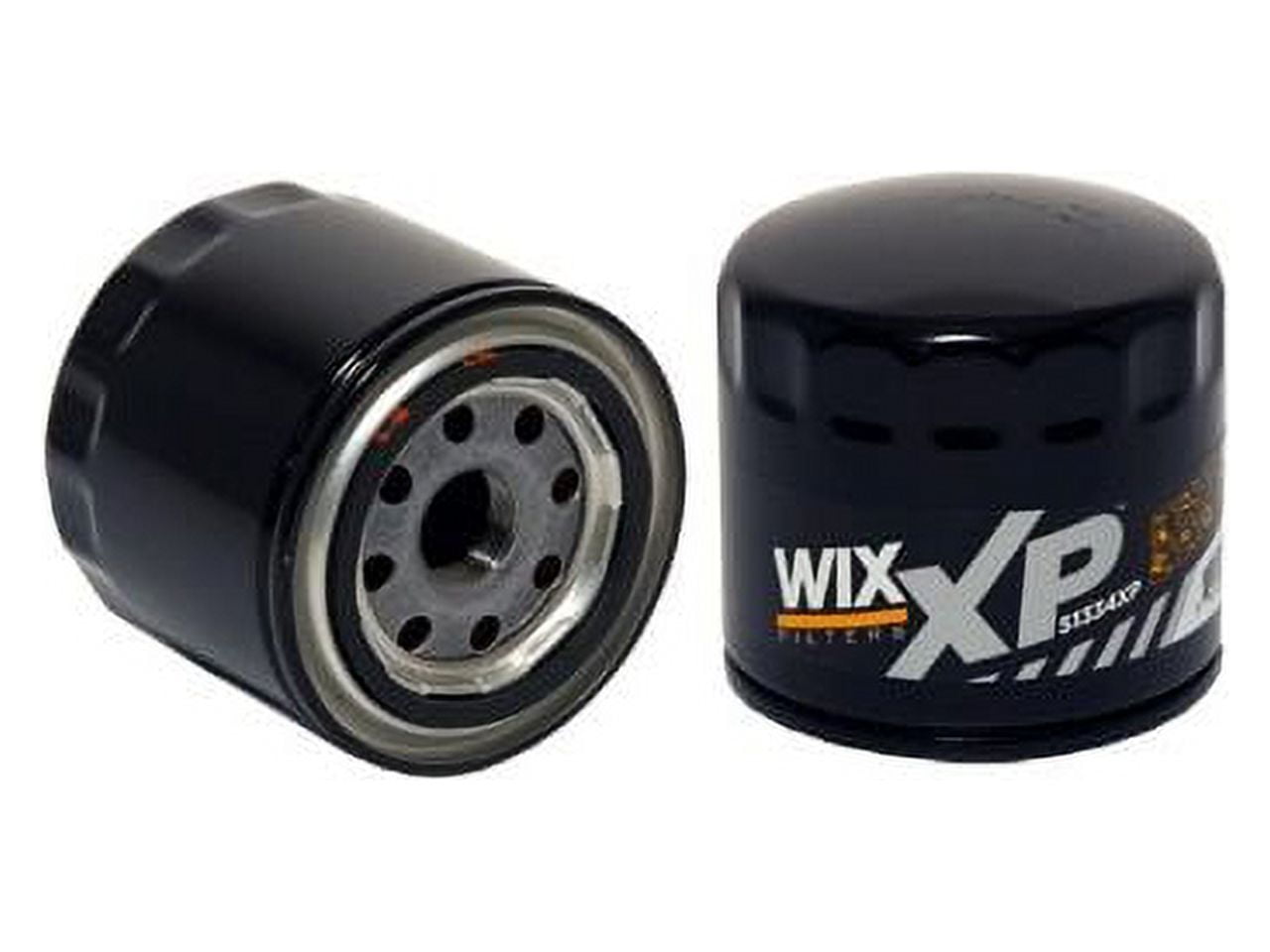
The filter is just as important as the oil itself. For the 2016 Hyundai Veloster, the recommended OEM part number is 26300-35504 (or the updated 26300-35505).
Many Veloster owners have reported "engine knocking" or "ticking" sounds when using low-quality aftermarket filters. This is often because the Hyundai OEM filter contains a specific bypass valve and anti-drain back valve tension designed for the Gamma engine's oil pressure requirements. While premium brands like Mobil 1, WIX XP, or Royal Purple are excellent alternatives, many mechanics still suggest sticking with the genuine Hyundai "Blue" filter for the best results.
DIY Guide: How to Change the Oil in a 2016 Hyundai Veloster
If you plan to perform this maintenance yourself, the process is straightforward but requires specific tools.
Tools and Supplies Needed:
- 17mm socket or wrench (for the drain plug)
- Oil filter wrench (80mm 15-flute is common for OEM)
- Drain pan (at least 5-quart capacity)
- Funnel
- New crush washer for the drain plug (Essential to prevent leaks)
- Full synthetic oil (3.5qts for GDI, 4.8qts for Turbo)
Step-by-Step Procedure:
- Warm the Engine: Run the engine for about 5 minutes to warm the oil, allowing it to drain more completely and carry away contaminants.
- Lift the Vehicle: Safely lift the front of the car using a jack and jack stands, or use drive-on ramps.
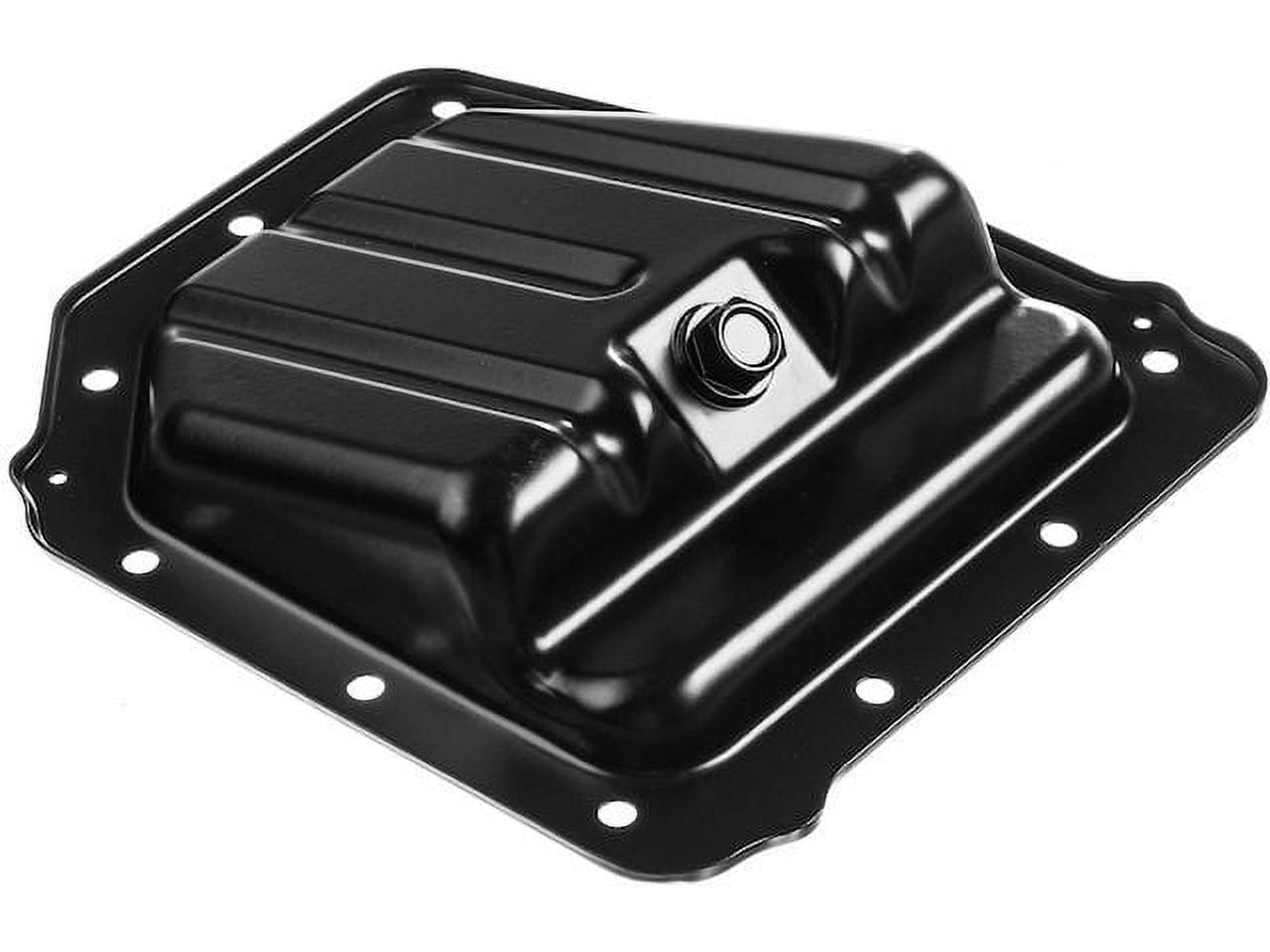
- Drain the Oil: Place the pan under the oil pan. Remove the 17mm drain plug. Be careful, as the oil may be hot. Let it drain until it is only a slow drip.
- Replace the Crush Washer: Remove the old aluminum crush washer from the drain plug and install a new one. This is a common failure point for minor leaks.
- Remove the Filter: Locate the oil filter (facing the front of the car). Unscrew it. Be prepared for oil to spill from the filter housing.
- Prep the New Filter: Apply a thin film of clean oil to the rubber gasket of the new filter. Hand-tighten it onto the engine—do not over-tighten with a wrench.
- Refill: Pour the recommended amount of oil into the filler neck on top of the engine.
- Check for Leaks: Start the engine and let it idle for a minute. Check underneath the car for any drips from the drain plug or filter.
- Verify Level: Turn off the engine, wait 3 minutes for the oil to settle, and check the dipstick. Adjust the level if necessary.
Troubleshooting Common Oil Issues in 2016 Velosters
As these vehicles age, owners may encounter specific oil-related symptoms.
High Oil Consumption
Some 2016 Veloster owners have reported increased oil consumption as the mileage passes the 80,000-mile mark. If you are losing more than a quart every 1,500 miles, it is time to check the PCV (Positive Crankcase Ventilation) valve. A clogged PCV valve can increase internal pressure and force oil into the combustion chamber. Replacing this valve is an inexpensive and easy fix.
The "Oil Light" Flickering
If the oil pressure warning light flickers at idle, it could indicate a failing oil pressure sensor or, more seriously, low oil pressure. Always check the oil level immediately. If the level is correct but the light persists, have the oil pressure tested with a mechanical gauge.
Oil Around the Spark Plugs
If you find oil in the spark plug wells when changing plugs, the valve cover gasket or the spark plug tube seals have likely failed. This is a common maintenance item for 10-year-old Hyundais and should be addressed to prevent ignition misfires.
FAQ: 2016 Hyundai Veloster Oil Requirements
Can I use 10W-30 oil in my 2016 Veloster? While 10W-30 will not immediately damage the engine in warm climates, it is not recommended. The 5W-20 or 5W-30 weight is necessary to ensure the oil reaches the top of the engine and the turbocharger quickly during cold starts. Using a thicker "10W" oil can lead to increased wear over time.
How do I reset the oil life/service light? The 2016 Veloster has a service interval reminder in the instrument cluster. To reset it:
- Turn the ignition to the "ON" position (do not start the engine).
- Use the "Select/Reset" buttons on the steering wheel to navigate to the "Service Required" screen.
- Press and hold the "OK" or "Reset" button for more than 5 seconds.
- The interval will reset to the programmed distance/time.
Is full synthetic oil worth the extra cost? Yes. For GDI and Turbo engines like those in the 2016 Veloster, full synthetic oil is the single best investment you can make. It resists sludge formation, protects the turbo, and helps keep the intake valves cleaner for longer.
What is the best oil brand for the Veloster Turbo? While brand choice is often subjective, many owners prefer oils that meet the ACEA A5/B5 standard, such as Pennzoil Platinum, Quaker State Ultimate Protection, or Castrol Edge. These formulations are specifically designed for the high-shear environments of modern turbocharged engines.
Final Recommendation
For the best longevity of your 2016 Hyundai Veloster in 2026, use a high-quality 5W-30 Full Synthetic oil paired with a Genuine Hyundai OEM filter. If you drive the Turbo model, consider shortening your change interval to 4,000 miles to protect the turbocharger from heat-related wear. Regularly checking your oil level (at least once a month) is also vital, as GDI engines are known to consume small amounts of oil between services. By following these technical guidelines, you can ensure your Veloster remains a reliable and spirited performer for years to come.