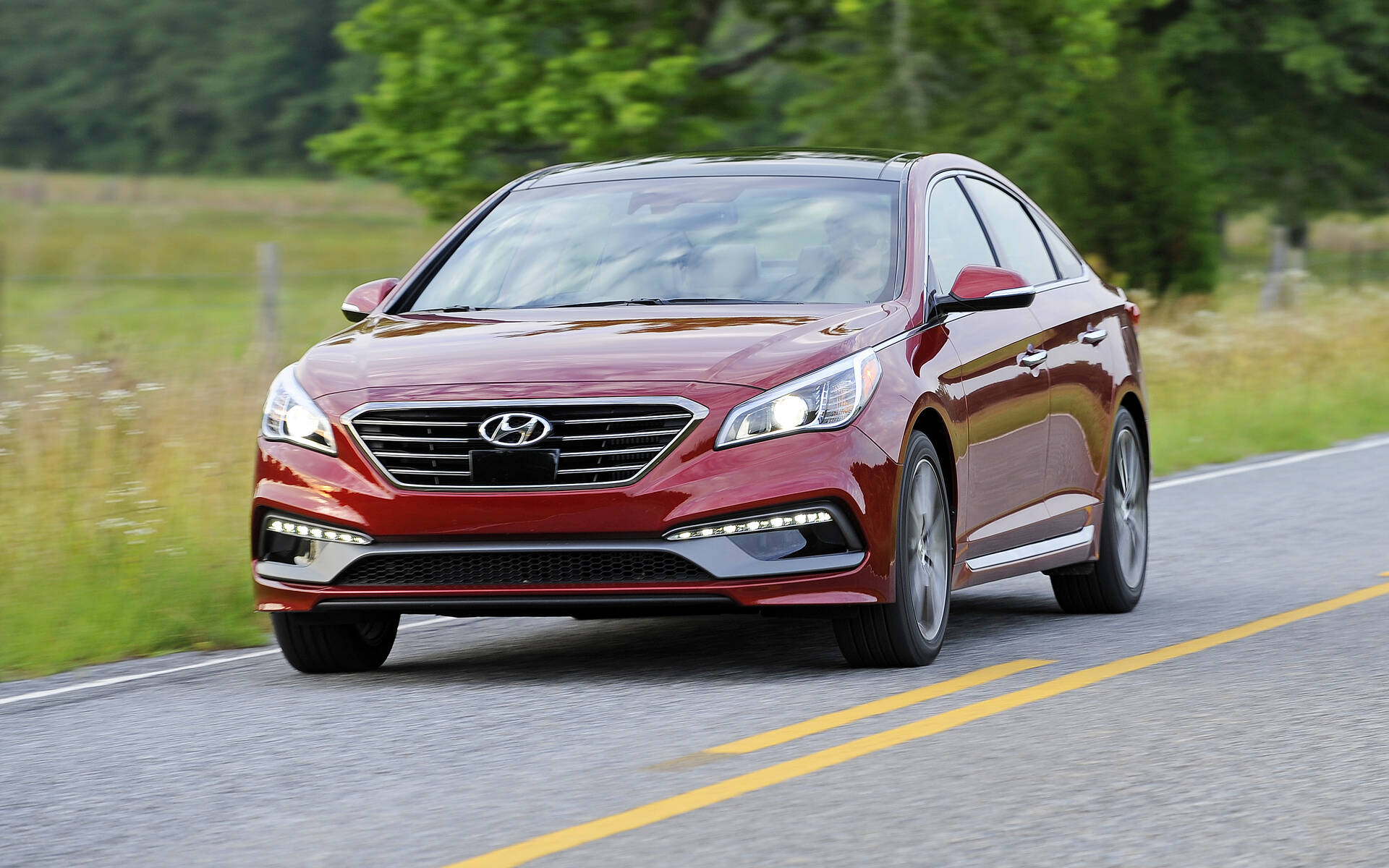
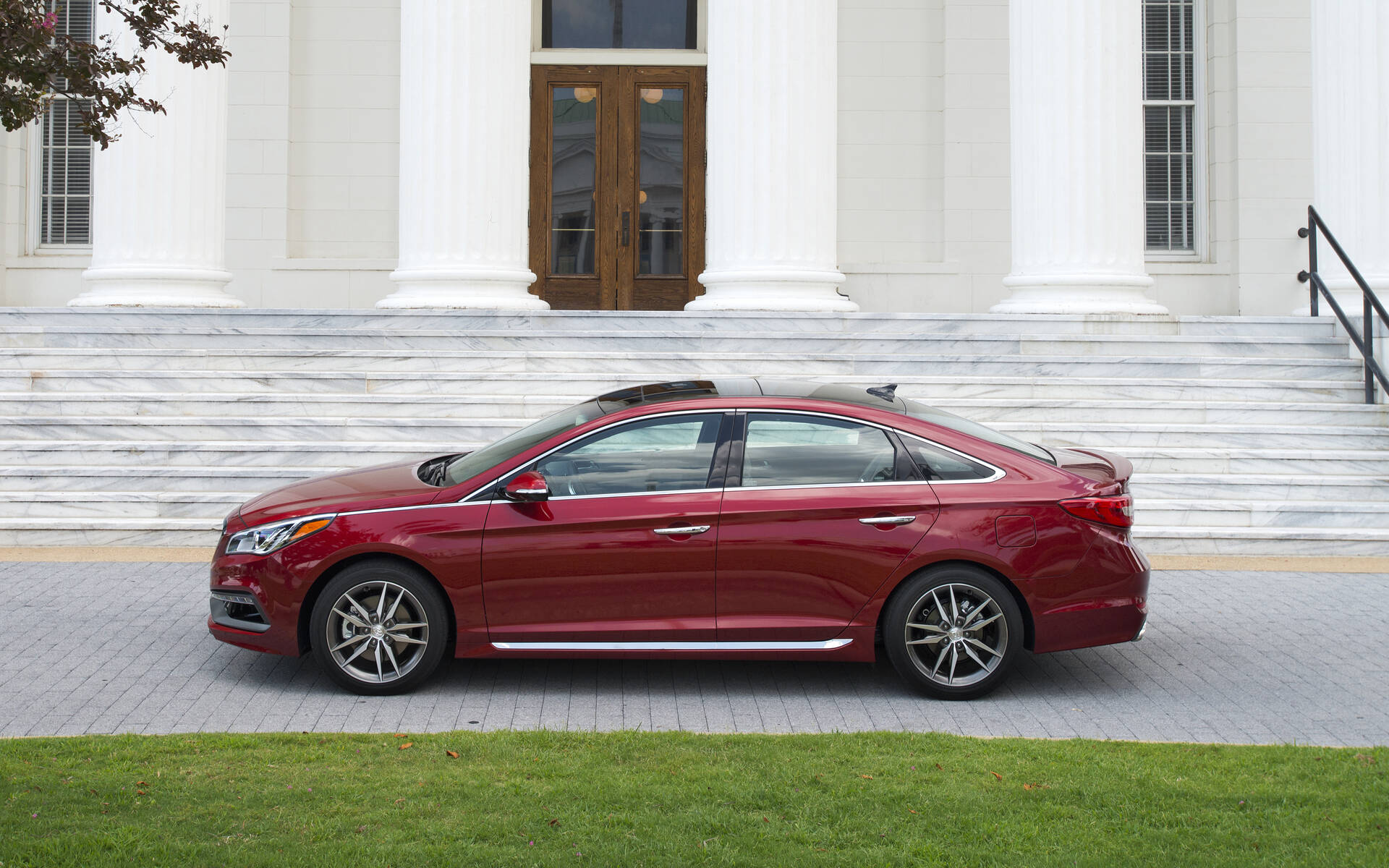
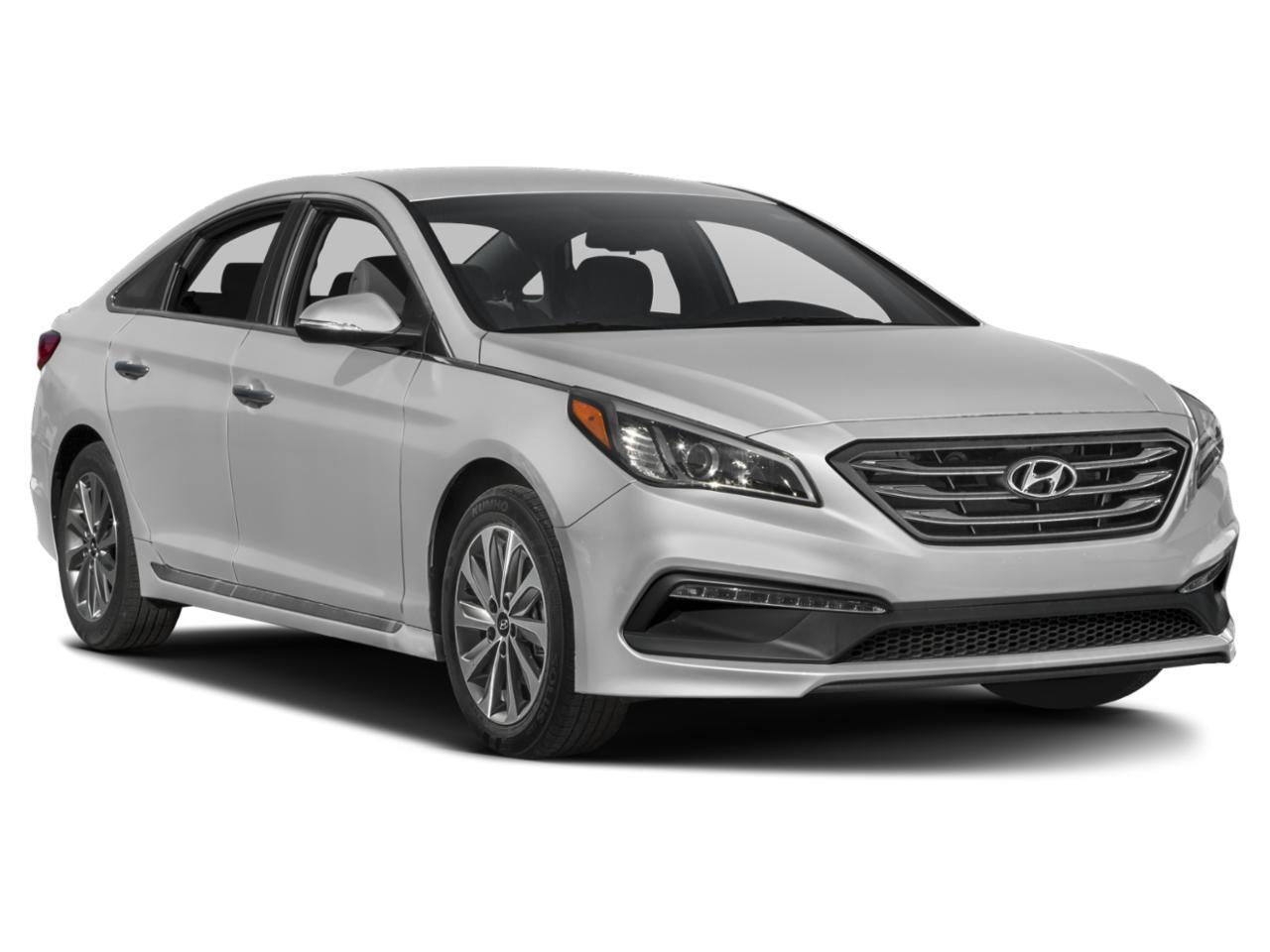
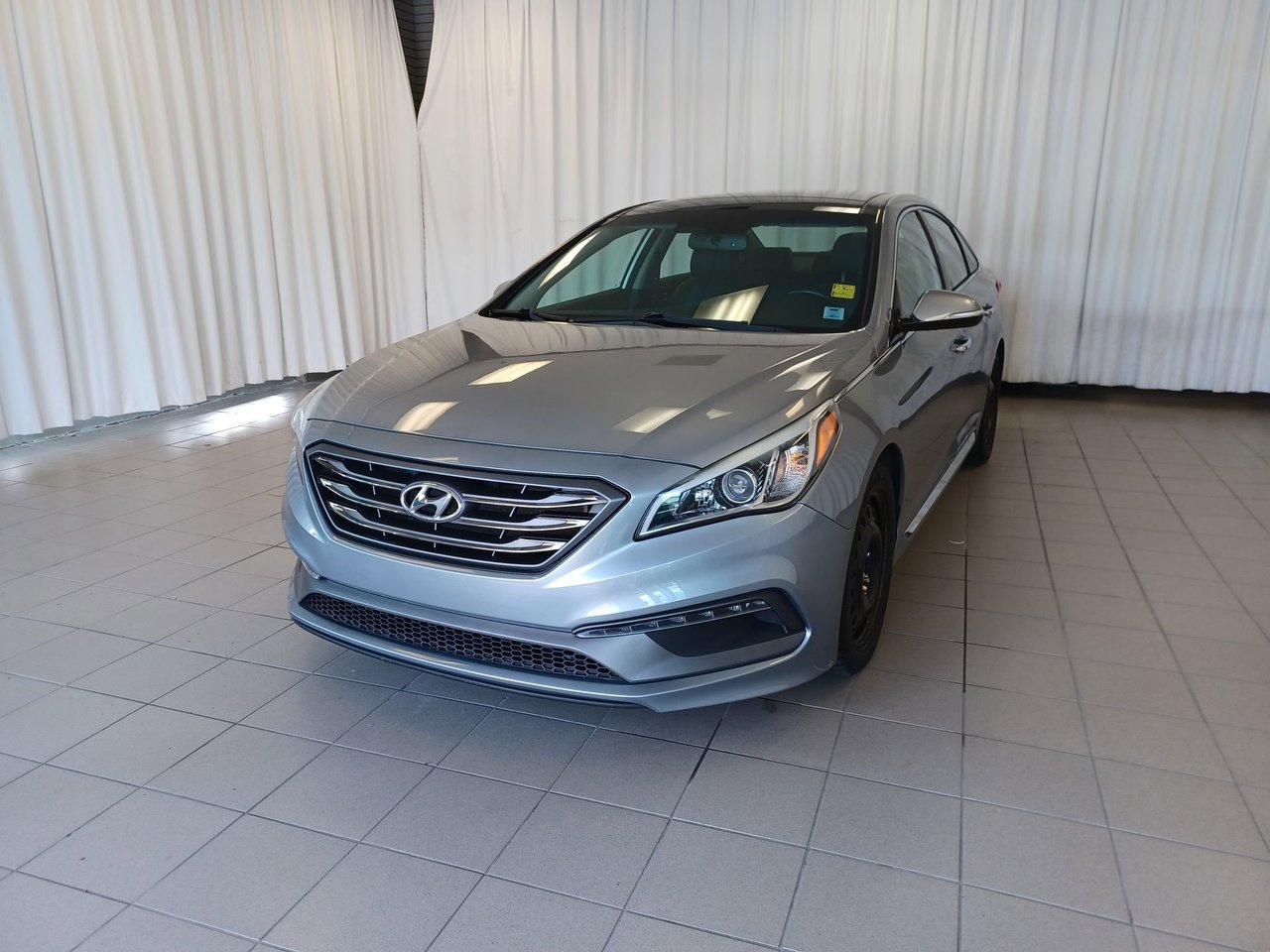
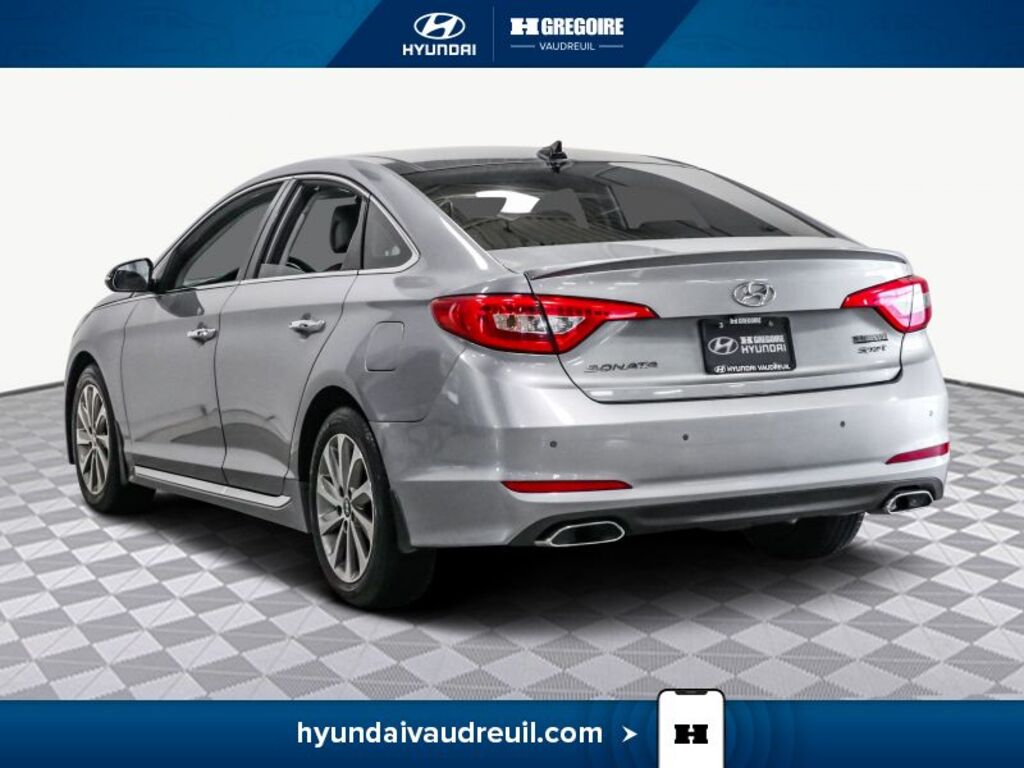
The 2015 Hyundai Sonata 2.4L Sport occupies a pivotal chapter in the midsize sedan market, combining a complete structural redesign with a naturally aspirated Theta II engine and aggressive styling cues. Released for the 2015 model year as part of the vehicle's seventh generation, this model year shifted away from the fluidic sculpture design language of its predecessor toward a more refined, European-inspired aesthetic while improving interior packaging, safety performance, and driving dynamics.
Introduction to the Seventh-Generation Sonata
When Hyundai introduced the redesigned seventh-generation Sonata for the 2015 model year, the South Korean automaker sought to address criticisms of the previous generation. While the 2011–2014 models drew praise for their striking exterior styling and fuel efficiency, reviewers and owners frequently noted a stiff ride, vague steering feel, and excessive cabin noise.
To correct these shortcomings, Hyundai invested heavily in structural rigidity, utilizing an advanced high-strength steel frame that improved torsional and bending stiffness. Within this lineup, the Sport trim emerged as a volume-seller, targeting buyers who wanted the practical dimensions and reliability of a family sedan paired with distinctive exterior accents and a more athletic interior environment. Positioned above the base SE and below the turbocharged 2.0T and luxury Limited trims, the 2.4L Sport struck a balance between everyday fuel economy and engaging curb appeal.
Evolution and Historical Timeline
Understanding the 2015 Hyundai Sonata 2.4L Sport requires examining the historical trajectory of the seventh generation, from its pre-production development to its eventual phase-out.
- 2013: Global Development
- Late 2014: 2015 Model Launch
- 2016-2017: Mid-Cycle Refinements
- 2018-2019: Eighth-Gen Successor
Pre-Production and Design Phase (2013–Early 2014)
Development of the LF-generation Sonata began years prior to its public debut, with primary engineering taking place at Hyundai’s Namyang Research and Development facility in Korea, alongside fine-tuning at the Nürburgring in Germany and the California testing grounds. Engineers focused on NVH (Noise, Vibration, and Harshness) reduction, suspension geometry optimization, and crash safety enhancements.
Official Launch and Market Arrival (Spring–Summer 2014)
The production version debuted at the New York International Auto Show in April 2014, with vehicles arriving at North American dealerships by the summer of 2014 as 2015 models. The Sport trim immediately captured attention for its unique front fascia, mesh grille, rocker panels, and dual-tip exhaust system, distinguishing it cleanly from the standard SE and Eco variants.
Mid-Cycle Updates and Production Run (2016–2017)
While the 2015 model established the baseline specifications, subsequent years brought minor feature re-allocations. Apple CarPlay and Android Auto integration arrived via software updates and factory adjustments for the 2016 and 2017 model years. The body style and powertrain combination remained fundamentally unchanged until the extensive facelift for the 2018 model year, which overhauled the front fascia, suspension tuning, and transmission options.
Powertrain and Mechanical Specifications
At the heart of the 2015 Hyundai Sonata 2.4L Sport is a naturally aspirated four-cylinder engine designed for linear power delivery and long-term durability.
| Specification Category | Technical Detail |
|---|---|
| Engine Type | 2.4-liter Theta II GDI (Gasoline Direct Injection) Inline-4 |
| Horsepower | 185 hp @ 6,000 rpm |
| Torque | 178 lb-ft @ 4,000 rpm |
| Transmission | 6-speed automatic with SHIFTRONIC manual shift mode |
| Drivetrain | Front-Engine, Front-Wheel Drive (FWD) |
| Fuel Economy (EPA est.) | 24 mpg City / 35 mpg Highway / 28 mpg Combined |
| Fuel Tank Capacity | 18.5 gallons |
Engine Architecture and Performance
The 2.4-liter GDI engine utilizes direct fuel injection to optimize combustion efficiency, delivering 185 horsepower and 178 lb-ft of torque. Unlike the turbocharged 2.0T variant, which relies on forced induction for immediate low-end pull, the 2.4L power plant offers a smoother, more predictable power band well-suited for city commuting and highway cruising.
Drive Mode Select—standard on the Sport trim—allows drivers to cycle through Normal, Eco, and Sport modes. Selecting Sport tightens steering weight and adjusts transmission shift points to hold gears longer under acceleration, providing a slightly more responsive feel without altering the engine's base output.
Transmission and Drivetrain
Power is routed through a traditional 6-speed automatic transmission rather than a continuously variable transmission (CVT) or a complex dual-clutch unit. This conventional planetary gear setup provides crisp, predictable shifts and pairs well with the engine's torque curve. The inclusion of steering-wheel-mounted paddle shifters on the Sport trim gives drivers manual control over gear selection when navigating winding roads or managing engine braking on descents.
Exterior Design and Sport Trim Distinguishing Features
The exterior of the 2015 Sonata Sport moves away from the sweeping, coupe-like profile of the sixth-generation LF model toward a conservative yet muscular stance. The aerodynamic drag coefficient was lowered to 0.27, aiding both high-stability and fuel efficiency.
Unique Sport Styling Elements
- Front Fascia and Grille: A unique matte-finish or chrome-trimmed aggressive mesh grille flanked by projector headlights.
- Body Accents: Dark chrome exterior door handle inserts, side sill extensions with chrome trim, and a subtle rear lip spoiler.
- Exhaust Setup: Visible dual-tip chrome exhaust outlets integrated into the lower rear bumper fascia.
- Wheels and Tires: 17-inch alloy wheels wrapped in 215/55R17 low-rolling-resistance tires, offering a balance of ride comfort and cornering grip. (Note: The optional Sport Appearance Package upgraded these to 18-inch alloy wheels with 235/45R18 performance tires).
Interior Comfort, Technology, and Ergonomics
Inside, the 2015 Sonata Sport prioritizes driver-centric ergonomics, clear instrumentation, and improved material quality compared to its predecessor.
Cabin Layout and Materials
The horizontal center stack layout places climate and audio controls within easy reach, utilizing physical buttons and knobs rather than relying entirely on touchscreen menus. The Sport trim adds unique cloth seating surfaces with leatherette bolsters (or optional full leather), a flat-bottom leather-wrapped steering wheel, carbon-fiber-look dashboard accents, and aluminum pedal covers.
Passenger and Cargo Dimensions
- Headroom (Front/Rear): 40.4 / 38.0 inches (without panoramic sunroof)
- Legroom (Front/Rear): 45.5 / 35.6 inches
- Passenger Volume: 106.1 cubic feet
- Cargo Volume (Trunk): 16.3 cubic feet, representing one of the largest trunk capacities in the midsize sedan class, complemented by a standard hands-free smart trunk opener.
Safety Ratings and Driver Assistance Features
Safety represents one of the strongest selling points of the seventh-generation Sonata. The body structure features a high percentage of advanced high-strength steel, which contributed to top-tier crash test results upon release.
Crash Test Performance
The Insurance Institute for Highway Safety (IIHS) named the 2015 Hyundai Sonata a Top Safety Pick+, earning the highest rating of "Good" across all crashworthiness evaluations, including the challenging small overlap front crash test. The National Highway Traffic Safety Administration (NHTSA) awarded the vehicle a 5-star overall safety rating.
Standard and Optional Safety Equipment
- Active Safety: Electronic Stability Control (ESC), Traction Control System (TCS), Antilock Braking System (ABS) with Electronic Brake-force Distribution (EBD), and Brake Assist.
- Airbag System: Seven airbags, including a driver’s knee airbag, front seat-mounted side-impact airbags, and side-curtain airbags with rollover sensors.
- Available Advanced Driver Assistance Systems (ADAS): While many advanced aids were reserved for higher trims or packages, the Sport trim could be equipped with Blind Spot Detection (BSD), Rear Cross-Traffic Alert, and Lane Change Assist.
Ownership Experience, Common Issues, and Maintenance
Evaluating a pre-owned 2015 Hyundai Sonata 2.4L Sport requires understanding its long-term reliability profile, common maintenance requirements, and typical ownership costs.
Routine Maintenance Requirements
- Oil Changes: Requires 5W-20 or 5W-30 synthetic oil (depending on operating climate) changed every 7,500 miles under normal driving conditions, or every 3,750 miles under severe operating conditions.
- Spark Plugs: Direct-injection engines benefit from inspection and replacement of iridium spark plugs around 105,000 miles.
- Coolant and Transmission Fluid: The factory coolant service interval is typically 60,000 to 100,000 miles, while the 6-speed automatic transmission utilizes a sealed fluid lifetime design that benefits from drain-and-fill services every 60,000 miles for high-mileage longevity.
Notable Mechanical Considerations
While the 2.4L Theta II GDI engine is generally robust, prospective buyers and current owners should remain aware of historical service bulletins and warranty extensions issued by Hyundai for this engine family regarding potential excessive oil consumption and bearing wear. Regular oil level monitoring between service intervals is strongly recommended by technicians to catch any consumption issues early.
Frequently Asked Questions
What is the difference between the 2015 Sonata Sport and the base SE trim?
The Sport trim adds distinct exterior styling cues, including a mesh front grille, rocker panel extensions, a rear lip spoiler, dual exhaust tips, and standard 17-inch alloy wheels. Inside, the Sport features a leather-wrapped flat-bottom steering wheel, unique seat bolsters, and upgraded trim accents, along with standard power adjustment for the driver's seat.
Does the 2015 Hyundai Sonata 2.4L Sport have Apple CarPlay or Android Auto?
Factory-installed Apple CarPlay and Android Auto were not natively available on initial production 2015 models. However, Hyundai subsequently released software updates for vehicles equipped with the 8-inch navigation system, allowing owners to add these smartphone integration features via an update applied at a dealership or downloaded onto an SD card.
Is the 2015 Sonata Sport turbocharged?
No. The 2.4L Sport model features a naturally aspirated 2.4-liter direct-injection four-cylinder engine producing 185 horsepower. If you are looking for a turbocharged engine in the 2015 lineup, you must step up to the Sonata 2.0T Sport or 2.0T Limited, which feature a 2.0-liter turbocharged four-cylinder engine making 240 horsepower.
What kind of fuel economy does the 2015 Sonata 2.4L Sport achieve?
According to EPA estimates, the front-wheel-drive 2.4L Sport achieves approximately 24 mpg in city driving, 35 mpg on the highway, and 28 mpg combined. Real-world fuel economy generally matches these figures closely under normal driving conditions and smooth highway cruising.
How reliable is the 2015 Hyundai Sonata 2.4L engine?
The Theta II 2.4L GDI engine has a mixed reliability record. While many units cross 150,000 miles without major powertrain failures when maintained with regular oil changes, certain production blocks experienced premature cylinder wear or oil consumption issues, leading to extended warranties from Hyundai for affected vehicles. Prospective buyers should check service history records for oil consumption tests and recall completions.
Conclusion and Next Actions
The 2015 Hyundai Sonata 2.4L Sport stands out as a well-rounded midsize sedan that bridges the gap between sensible family transportation and athletic design. With its rigid chassis, spacious cabin, excellent safety scores, and balanced naturally aspirated performance, it remains a competitive option in the pre-owned vehicle marketplace. For those considering purchasing or maintaining a 2015 model, reviewing the vehicle's maintenance history, verifying the completion of any open service campaigns, and checking oil levels regularly will ensure long-term reliability and satisfaction.