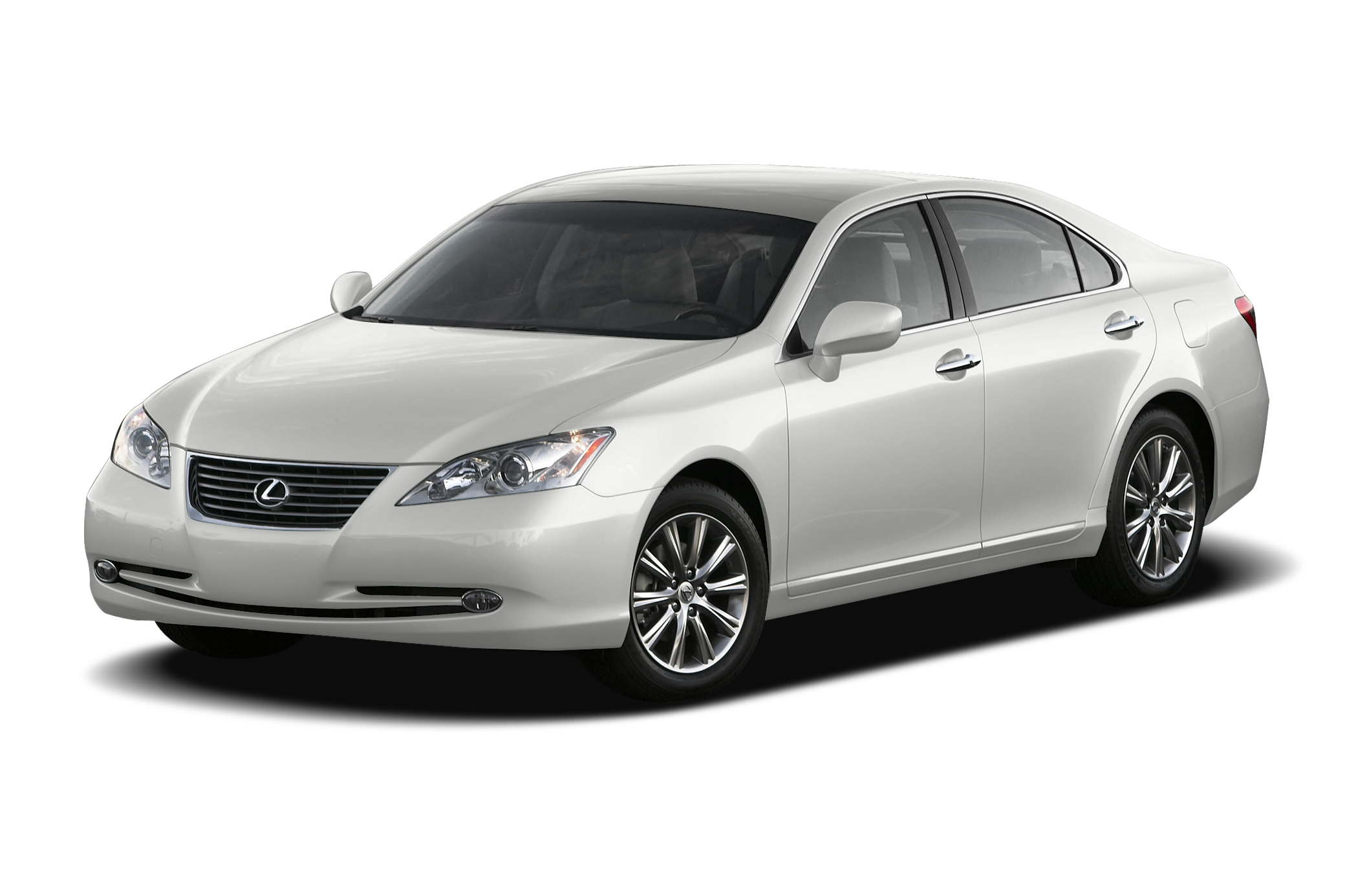
The 2013 Lexus ES 250 marked a pivotal evolution for the ES lineup, signaling the transition to the sixth-generation (XV60) platform. Built on a longer wheelbase derived from the Toyota Avalon, it introduced the signature "Spindle Grille" and a dedicated 2.5-liter four-cylinder engine for international markets, prioritizing efficiency and rear-cabin luxury.
Historical Context: The Birth of the Sixth Generation
When Lexus unveiled the 2013 ES series, it wasn't merely a facelift; it was a fundamental reimagining of what their entry-level luxury sedan should represent. Historically, the ES was often criticized for being too closely related to the Toyota Camry. For the 2013 evolution, Lexus made the strategic decision to move the ES from the Camry’s chassis to the longer, more robust Toyota Avalon (XX40) platform.
This change was the cornerstone of the 2013 evolution. By adopting the Avalon’s architecture, the ES 250 gained a significant increase in physical presence and interior volume. The wheelbase was stretched by 45 mm (1.8 inches), and the overall length increased by 25 mm (1 inch). Most of this extra space was dedicated to the rear passenger compartment, effectively moving the ES out of the "compact-leaning" mid-size segment and firmly into the "executive" luxury category.
The introduction of the ES 250 variant specifically was an evolution aimed at global diversification. While North American markets focused on the V6-powered ES 350 and the hybrid ES 300h, the ES 250 was developed for markets like China, Russia, and Southeast Asia. In these regions, high-displacement engines were subject to heavy luxury taxes. The 2.5-liter I4 engine allowed Lexus to offer the same prestige and interior dimensions of the ES 350 but at a more accessible price point and with lower operational costs.
Technical Specifications: Powering the ES 250
At the heart of the 2013 Lexus ES 250 evolution lies the 2AR-FE engine. This 2.5-liter, naturally aspirated four-cylinder engine was shared with the Toyota Camry and RAV4 of the era, but it was meticulously tuned for the Lexus application to ensure smoother power delivery and reduced NVH (Noise, Vibration, and Harshness) levels.
Engine and Performance
The 2AR-FE engine features Dual VVT-i (Variable Valve Timing with intelligence) on both the intake and exhaust cams. In the 2013 ES 250, this power plant produces approximately 181 horsepower and 235 Nm of torque. While these figures may seem modest compared to the 268 horsepower of the V6 ES 350, the evolution focused on the "Lexus Driving Signature"—a sense of linear, predictable acceleration rather than raw speed.
The engine is mated to a six-speed Super ECT (Electronic Controlled Transmission). This transmission was specifically programmed for the ES 250 to prioritize smooth shifts over aggressive gear hunting. As of 2026, this drivetrain is widely regarded by mechanics as one of the most reliable configurations Lexus has ever produced, largely because the engine is under-stressed in this luxury application.
Suspension and Aerodynamics
The evolution of the chassis also brought about a redesigned suspension system. The 2013 model utilized opposite-wound coil springs on the front MacPherson struts, which helped improve straight-line stability. The rear suspension also saw a move toward a more sophisticated MacPherson strut setup designed to absorb high-frequency vibrations from uneven road surfaces.
Aerodynamics played a crucial role in the 2013 redesign. Lexus engineers achieved a drag coefficient (Cd) of just 0.27. This was achieved through the use of aero-stabilizing fins on the tail lamps and door mirror housings, as well as extensive underbody fairings. This evolution wasn't just for fuel efficiency; it was primarily to reduce wind noise, ensuring the "library-quiet" cabin for which Lexus is famous.
Design Evolution: The Spindle Grille and L-Finesse
Visually, the 2013 ES 250 was the vessel for the second iteration of Lexus’s "L-finesse" design language. This was the year the Spindle Grille truly became the face of the brand.
Exterior Aesthetics
The 2013 evolution saw the front fascia adopt a more aggressive, hourglass-shaped grille. It was a polarizing move at the time, but it successfully distanced the ES from its conservative predecessors. The LED daytime running lights (DRLs) were shaped in a distinct "L" pattern, a motif that was mirrored in the rear LED tail lamps.
The side profile became more athletic, with a higher beltline and more pronounced "kick-up" at the C-pillar. This evolution made the car look lower and longer, even though the actual height had barely changed. The wheels for the ES 250 were typically 17-inch alloys, though 18-inch options were available in higher trim levels, providing a balanced ride quality that favored comfort over "sport" feel.
Interior Craftsmanship
Inside, the 2013 ES 250 represented a massive leap forward in material quality. The dashboard featured a horizontal layout, which Lexus claimed helped the driver focus on the road while keeping controls within easy reach. The evolution included:
- The Analog Clock: A classic luxury touch placed centrally in the dash.
- Remote Touch Interface (RTI): A haptic-feedback controller that operated like a computer mouse to navigate the infotainment system.
- NuLuxe Trim: This year marked the wider adoption of NuLuxe, a high-quality synthetic leather that was lighter and more environmentally friendly than traditional hide, though genuine semi-aniline leather remained an option.
The Avalon Platform Advantage: Rear Cabin Luxury
The decision to use the Avalon platform (wheelbase of 2,820 mm) is the single most important factor in the 2013 ES 250’s evolution. This shift essentially transformed the ES from a driver-centric mid-size car into a chauffeur-friendly executive sedan.
Rear legroom increased by a staggering 104 mm (4.1 inches) compared to the previous 2012 model. Knee room also increased by 71 mm. For buyers in the Asian markets—where the ES 250 was most popular—this was the primary selling point. It allowed the ES 250 to compete with long-wheelbase versions of the BMW 3 Series or Audi A4, but at a lower price point and with legendary Lexus reliability.
The rear seat evolution also included better thigh support and an optional power rear sunshade, further cementing its status as a vehicle designed for those who might spend as much time in the back seat as they do behind the wheel.
2013 Lexus ES 250 Comparative Specifications
| Feature | 2013 Lexus ES 250 | 2013 Lexus ES 350 | 2013 Lexus ES 300h |
|---|---|---|---|
| Engine | 2.5L I4 (2AR-FE) | 3.5L V6 (2GR-FE) | 2.5L I4 Hybrid (2AR-FXE) |
| Horsepower | ~181 hp | 268 hp | 200 hp (Total System) |
| Transmission | 6-Speed Automatic | 6-Speed Automatic | e-CVT |
| Drive Type | FWD | FWD | FWD |
| Fuel Economy | ~7.9 - 8.2 L/100km | ~9.4 - 10.2 L/100km | ~5.4 - 5.9 L/100km |
| 0-100 km/h | ~9.5 Seconds | ~7.1 Seconds | ~8.1 Seconds |
| Key Market | Asia, Russia, ME | North America, Middle East | Global |
Ownership and Reliability in 2026
As of 2026, the 2013 Lexus ES 250 is widely considered one of the safest bets in the used luxury car market. Because the 2.5-liter engine is less complex than the hybrid system in the 300h and less prone to the minor oil-line issues found in early 3.5L V6s, it remains a favorite for high-mileage longevity.
Common Maintenance in 2026
Thirteen years after its initial release, owners of the 2013 ES 250 should be aware of several "age-related" evolution points:
- Dashboard Material: Early 2013 models sometimes experienced "sticky" dashboard surfaces in extremely hot climates. While many were replaced under warranty, used buyers in 2026 should inspect the dash for UV damage.
- Suspension Bushings: Due to the weight of the Avalon-based chassis, the rubber bushings in the front control arms often require replacement around the 150,000 km (93,000 mile) mark to maintain that "Lexus-smooth" ride.
- Infotainment Screen: The early Remote Touch systems can feel dated by 2026 standards. Many owners now opt for aftermarket CarPlay/Android Auto retrofits that integrate with the factory screen.
- Drivetrain Longevity: The 2AR-FE engine is known to easily exceed 300,000 km with basic oil changes. In 2026, the main concerns are usually minor, such as water pump replacements or serpentine belt tensioners.
Market Specificity: Why the ES 250?
The existence of the ES 250 is a masterclass in market-specific engineering. In 2013, many European competitors were moving toward small-displacement turbocharged engines. Lexus, however, chose to stick with a larger-displacement naturally aspirated four-cylinder for the ES 250.
The reasoning was two-fold: Reliability and Linear Response. Turbocharged engines of that era often suffered from "turbo lag" and increased heat-related wear. Lexus prioritized a car that would feel the same on day 1 as it would on day 4,000. For the target demographic—business professionals and families in emerging markets—the ES 250 offered the perfect balance of "big car" status with "small car" tax and fuel liabilities.
Frequently Asked Questions
Was the 2013 Lexus ES 250 ever sold in the United States?
No. In the North American market, Lexus positioned the ES 300h (hybrid) as the "efficiency" option. The ES 250 was reserved for international markets where hybrid technology was either too expensive or the infrastructure wasn't yet ready, and where displacement-based taxes made the 3.5L V6 prohibitive.
How does the ES 250 differ from the ES 350 besides the engine?
Mechanically, the primary differences are the engine, the final drive ratio of the transmission, and slightly softer spring rates in the ES 250 to account for the lighter four-cylinder engine. Visually and internally, the cars are virtually identical, sharing the same cabin dimensions, leather options, and technology suites.
Is the 2013 ES 250 fuel-efficient enough for modern 2026 standards?
While it cannot compete with 2026-era hybrids or EVs, the ES 250 remains respectable. It typically averages around 8.0L/100km (approx. 29 MPG) on the highway. For a luxury sedan of its size, its efficiency remains competitive with modern non-hybrid entry-level executive cars.
Does the 2013 ES 250 have Bluetooth and modern safety tech?
Yes. The 2013 evolution included standard Bluetooth hands-free calling and audio streaming. Safety features for the era included ten airbags, Blind Spot Monitor with Rear Cross-Traffic Alert, and the Pre-Collision System (PCS), though these were often optional rather than standard in some markets.
What is the most common mechanical issue for this model?
The most frequently reported "issue" isn't a failure, but rather a characteristic: the 2.5L engine can sound somewhat buzzy under heavy acceleration compared to the whisper-quiet V6. Beyond that, the water pump is a known wear item that typically requires replacement every 120,000 to 150,000 km.
Final Recommendation
The 2013 Lexus ES 250 evolution was a landmark moment that redefined the ES from a luxury-trimmed mid-size car to a genuine executive powerhouse. By leveraging the Avalon platform, Lexus provided a level of rear-seat comfort that was previously unavailable in this price bracket.
If you are looking at this vehicle in 2026, the ES 250 represents the "sweet spot" of the sixth-generation lineup for those who value mechanical simplicity and long-term ownership. It lacks the complexity of the hybrid battery and the higher fuel consumption of the V6, making it an ideal choice for a reliable, comfortable, and prestigious daily driver. For prospective buyers, the priority should be finding a well-documented service history, as the "evolution" of this car was built on the foundation of Toyota’s most robust mechanical components.