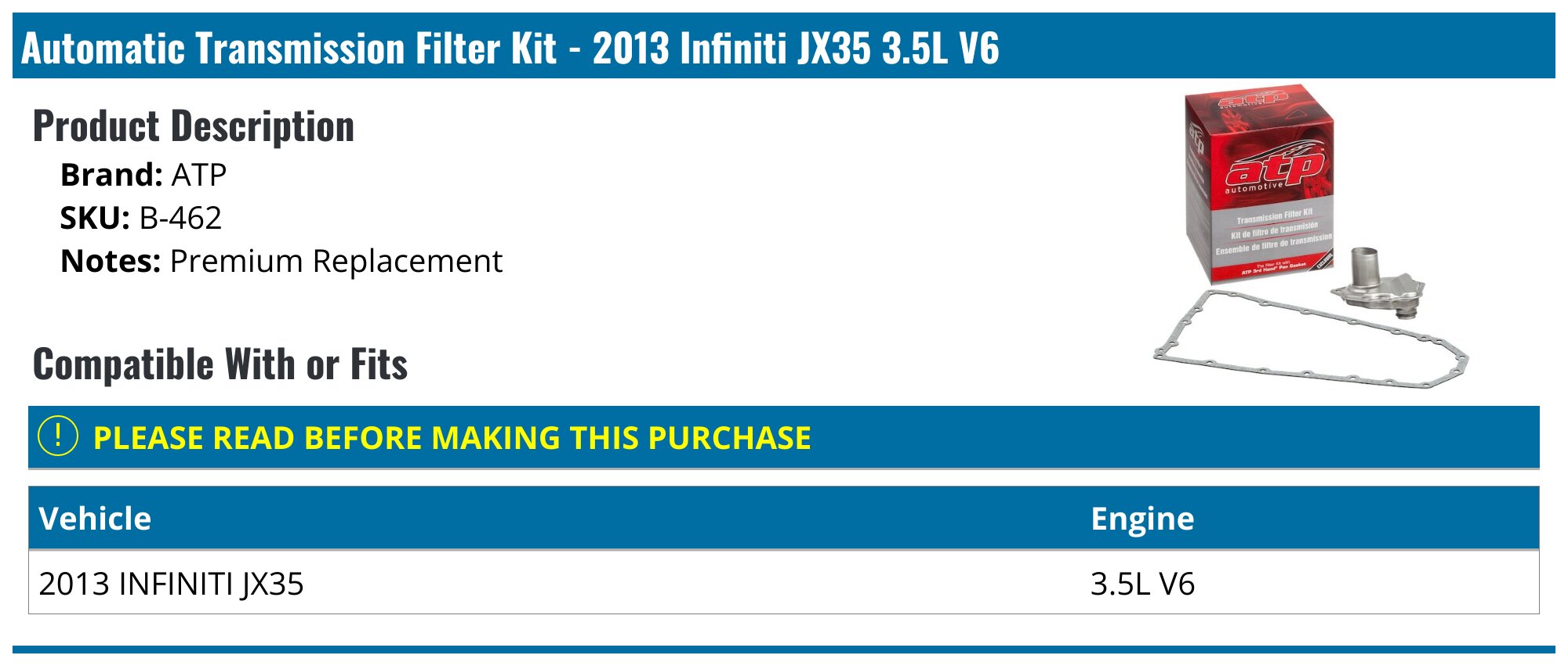
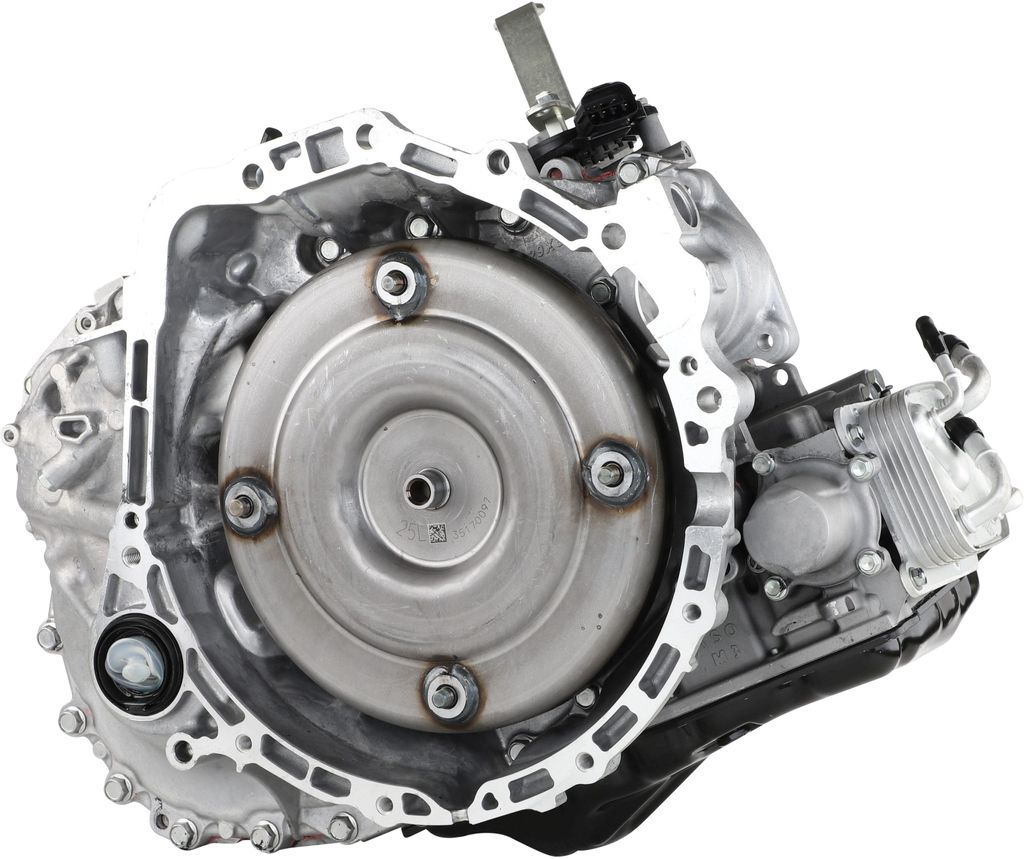
The 2013 Infiniti JX35 is most frequently associated with significant CVT transmission failures, including shuddering and complete mechanical breakdown. Other major concerns involve faulty airbag sensors (OCS), cooling fan failures leading to engine overheating, and sunroof drain clogs that cause interior flooding. These issues often require repairs exceeding the vehicle's current market value.
As we look at the 2013 Infiniti JX35 in 2026, this vehicle represents a unique moment in Infiniti’s history. It was a one-year-only nameplate before being rebranded as the QX60 for the 2014 model year. While it offered a luxurious three-row interior and a smooth ride when new, its legacy has been marred by a series of mechanical and electrical vulnerabilities. For current owners or those looking at high-mileage examples on the used market, understanding these systemic flaws is essential for maintaining safety and financial stability.
The Xtronic CVT: A Legacy of Transmission Failure
The most pervasive and expensive problem facing the 2013 Infiniti JX35 is its Continuously Variable Transmission (CVT). Manufactured by Jatco (a Nissan subsidiary), this transmission was designed to prioritize fuel economy and smooth "gearless" transitions. However, in the heavy JX35 chassis, the unit frequently fails under the stress of daily driving.
Transmission Shudder and "Judder"
Owners often report a sensation known as "judder"—a violent shaking or shuddering during acceleration, typically between 20 and 40 mph. This is usually caused by the internal steel belt slipping on the pulleys or a failure in the hydraulic pressure system. By 2026, most remaining JX35s have either had their transmission replaced or are operating on borrowed time.
Total Transmission Failure and Limp Mode
When the CVT fails internally, the vehicle may enter "limp mode," where engine power is severely restricted to prevent further damage. In many cases, the transmission simply ceases to engage, leaving the driver stranded. Unlike traditional automatic transmissions, CVTs are rarely rebuilt by independent shops; usually, a total replacement with a remanufactured unit is the only solution.
Cost of Repair
In the current 2026 market, a CVT replacement for a JX35 typically costs between $5,000 and $7,500, depending on labor rates and parts availability. Given that the resale value of a 2013 JX35 has depreciated significantly, a transmission failure often renders the vehicle a "total loss" from a financial perspective.
Engine Performance and Cooling System Vulnerabilities
While the 3.5-liter V6 (VQ35DE) engine used in the JX35 is generally considered a robust and "legendary" powerplant, the components surrounding it in this specific application are prone to failure.
Cooling Fan Motor Failure
A common issue that can lead to catastrophic engine damage is the failure of the dual cooling fan assembly. The motors within these fans are known to burn out prematurely. If the fans stop spinning while the vehicle is idling or in stop-and-go traffic, the engine can overheat within minutes. If the driver does not catch the rising temperature gauge immediately, the aluminum cylinder heads can warp, leading to blown head gaskets.
Oil Sludge and Maintenance Sensitivity
The VQ35DE engine is sensitive to oil quality. Because the JX35 was often used as a "family hauler" for short trips, many engines suffered from oil sludge buildup if the 3,750-mile or 5,000-mile oil change intervals were ignored. By 2026, any JX35 without a documented service history should be approached with extreme caution, as internal sludge can lead to timing chain guide wear and oil pressure loss.
Safety Recalls and Occupant Protection Issues
The 2013 JX35 has been the subject of several high-profile recalls by the National Highway Traffic Safety Administration (NHTSA). Prospective buyers should verify that all recall work has been performed by an authorized dealer.
Occupant Classification System (OCS) Failure
One of the most dangerous common problems involves the OCS. This system uses sensors in the front passenger seat to determine if an adult or a child is present, or if the seat is empty. In the JX35, these sensors often malfunction, incorrectly identifying an adult passenger as a child or failing to detect them at all. This results in the passenger airbag being suppressed, meaning it will not deploy in a collision. Multiple recalls were issued to reprogram or replace the OCS sensors.
ABS Actuator and Brake Fluid Leaks
Some units were recalled for a defect in the Anti-lock Braking System (ABS) actuator. An internal seal could leak brake fluid onto a circuit board, leading to a short circuit. In extreme cases, this could cause a fire under the hood, even when the vehicle was parked and turned off.
| System | Primary Problem | Common Symptoms | Estimated Repair Cost (2026) |
|---|---|---|---|
| Transmission | CVT Internal Failure | Shuddering, slipping, limp mode | $5,000 – $7,500 |
| Cooling | Fan Motor Burnout | Temperature gauge rising at idle | $600 – $900 |
| Safety | OCS Sensor Malfunction | "Airbag Off" light stays on with passenger | $0 (Recall) / $1,200 |
| Brakes | ABS Actuator Leak | Warning lights, fluid on driveway | $1,500 – $2,200 |
| Body | Sunroof Drain Clog | Wet floor mats, electrical gremlins | $200 – $500 |
| Fuel System | Fuel Level Sensor | Inaccurate gas gauge readings | $450 – $700 |
Electrical Gremlins and Interior Functional Issues
Beyond the mechanical drivetrain, the 2013 JX35 suffers from several "nuisance" issues that can degrade the luxury experience and lead to secondary failures.
Sunroof Drain Clogs and Flooding
The JX35 features a large panoramic sunroof. The drainage tubes located in the A-pillars are prone to clogging with debris such as pine needles or dust. When these tubes clog, water backs up and flows into the cabin, typically soaking the front passenger footwell. This is more than a cosmetic issue; the Body Control Module (BCM) is located near the floor in this area. If the BCM gets wet, the vehicle may experience erratic behavior, such as headlights turning on by themselves, windows failing to operate, or the car refusing to start.
Infotainment and Navigation Lag
The 2013-era Infiniti Connection system was advanced for its time but hasn't aged well. Owners frequently report the screen freezing, the backup camera failing to engage promptly, or the Bluetooth connection dropping. In 2026, these systems are essentially obsolete, and hardware failures in the head unit can be expensive to fix with OEM parts.
Fuel Level Sensor Accuracy
Many JX35 owners have reported that the fuel gauge does not accurately reflect the amount of gas in the tank. The car may indicate it has a quarter-tank of fuel when it is actually nearly empty. This is caused by a failure of the fuel level sending unit located inside the gas tank.
Driving Dynamics and Suspension Wear
As a heavy crossover with a soft suspension setup, the JX35 puts considerable strain on its chassis components. By the time these vehicles reach the 13-year mark in 2026, the following suspension issues are common:
- Front Strut Leaks: The heavy front end of the JX35 leads to premature leaking of the front struts, resulting in a "bouncy" ride and uneven tire wear.
- Lower Control Arm Bushings: The rubber bushings in the front control arms often tear, leading to a "clunking" sound when driving over bumps or during hard braking.
- Transfer Case Leaks (AWD Models): On All-Wheel Drive models, the seals on the transfer case are known to weep oil. If left unchecked, the transfer case can run dry and seize, adding another multi-thousand-dollar repair to the list.
Comprehensive Inspection Checklist for Buyers
If you are considering purchasing a 2013 Infiniti JX35 in 2026, a standard pre-purchase inspection is not enough. You must look for these specific indicators of the problems mentioned above:
- Check Service History for CVT Fluid Changes: The CVT requires specialized NS-3 fluid. If the fluid hasn't been changed every 30,000 to 50,000 miles, the transmission is at a high risk of failure.
- The "Stall Test": During a test drive, find a slight incline. Stop the vehicle and then accelerate gently. If you feel any vibration or "searching" for a gear, the CVT is failing.
- Inspect the Floor Carpets: Lift the floor mats in both the driver and passenger footwells. If the carpet feels damp or smells of mildew, the sunroof drains are likely clogged, and the electrical system may be compromised.
- Listen to the Cooling Fans: Start the vehicle and turn the A/C to the maximum setting. Open the hood and verify that both electric fans are spinning rapidly. If only one is spinning or if they are making a grinding noise, they must be replaced immediately.
- Scan for "Hidden" Codes: Use an OBD-II scanner to check for codes like P17F0 or P17F1. These codes indicate CVT "judder" and often exist even if the Check Engine Light is not currently illuminated.
Frequently Asked Questions
Is the 2013 Infiniti JX35 a reliable used car?
Generally, no. While the engine is solid, the high failure rate of the CVT transmission and the OCS airbag sensors makes it a high-risk purchase. In 2026, many of these vehicles are reaching the end of their functional lifespan unless they have been meticulously maintained.
Did Infiniti fix the CVT issues in the JX35?
Infiniti released several software updates to "improve" the belt clamping pressure in the CVT, and they extended the transmission warranty for many owners early on. However, these were often temporary fixes for an inherent hardware limitation. Most experts agree the 2013-2015 units are the most vulnerable.
Can I swap the CVT for a traditional automatic transmission?
Technically, no. The vehicle's engine management system, wiring harness, and mounting points are specifically designed for the CVT. A conversion would be cost-prohibitive and functionally nearly impossible.
How many miles will a 2013 Infiniti JX35 last?
With perfect maintenance, the engine can easily exceed 200,000 miles. However, the transmission rarely lasts that long without a replacement. Most JX35s require a major transmission intervention between 80,000 and 120,000 miles.
Is the 2013 Infiniti JX35 the same as the Nissan Pathfinder?
Yes. The JX35 shares its platform, engine, and transmission with the 2013-2020 Nissan Pathfinder. Consequently, they share almost all of the same mechanical problems, particularly regarding the CVT.
Final Recommendation
For those owning a 2013 Infiniti JX35 in 2026, the best strategy is proactive maintenance of the cooling system and frequent CVT fluid exchanges. However, for those looking to buy one, the potential for a $7,000 transmission failure makes it a poor investment compared to contemporaries like the Acura MDX or Lexus RX350 from the same era, which utilize more reliable traditional automatic transmissions. If you do proceed with a purchase, ensure the vehicle has passed a specialized inspection focusing on the CVT and electrical health.