In 2012, the hip hop landscape underwent a seismic shift as the genre moved away from traditional crate-digging and heavily sampled loops toward original compositions and atmospheric textures. This transition was fueled by the "legal beat" movement, which emphasized cleared samples, royalty-free libraries, and the professionalization of online beat licensing, forever changing how independent and major artists sourced their music.
The Cultural and Sonic Pivot of 2012
By 2012, hip hop had reached a crossroads. The high-gloss "Bling Era" of the mid-2000s had faded, replaced by the "Blog Era," where digital distribution platforms like SoundCloud, DatPiff, and Bandcamp allowed niche subgenres to gain mainstream traction. This democratization of music meant that sounds previously confined to specific regions—like Chicago’s aggressive Drill or the hazy, reverb-soaked "Cloud Rap" of the West Coast—could now influence the global soundscape simultaneously.
The year 2012 is often cited by music historians as the moment hip hop’s "prestige" era began. With the release of Kendrick Lamar’s good kid, m.A.A.d city, the genre proved it could maintain cinematic, long-form storytelling while utilizing a hybrid of live instrumentation and programmed drums. Simultaneously, Kanye West’s G.O.O.D. Music collective released Cruel Summer, which pushed the boundaries of maximalist production, blending electronic dance music (EDM) elements with traditional trap structures.
This era’s "shifting sounds" were not merely stylistic choices; they were responses to a changing industry. Producers were increasingly wary of the legal minefields associated with uncleared samples. As a result, the "sound" of 2012 became defined by what was legally permissible as much as what was aesthetically pleasing. Synthesis, interpolation, and the use of "legal beats" became the new industry standard.
The "Legal Beat" Revolution: From Crate-Digging to Licensing
The term "legal beats" refers to instrumentals that are either entirely original or contain samples that have been pre-cleared for commercial use. Before 2012, the process of clearing a sample was often an expensive, bureaucratic nightmare reserved for major label artists. For the independent artist, using a three-second clip of a 1970s soul record could lead to a "cease and desist" order or the total loss of royalties.
The Impact of Copyright Enforcement
The shift toward legal beats was accelerated by several high-profile legal precedents and the increasing sophistication of digital fingerprinting technology. By 2012, YouTube’s Content ID system was becoming highly effective at flagging copyrighted material. Producers realized that if they wanted their music to stay online and generate ad revenue, they needed to change their methodology.
- Original Composition: Producers began to rely more heavily on Virtual Studio Technology (VSTs) to recreate the "feel" of old records without actually sampling them.
- Interpolation: Instead of sampling a master recording, artists would re-record a melody or lyric. This only required permission from the songwriter (publishing) rather than the record label (master), often making it cheaper and easier to manage.
- Royalty-Free Libraries: The rise of companies providing high-quality, pre-cleared loops allowed producers to build "legal" tracks from the ground up.
The Birth of the Modern Beat Marketplace
2012 was a pivotal year for the online beat-selling economy. Platforms like BeatStars (founded in 2008 but gaining massive momentum by 2012) and Airbit (formerly MyFlashStore) began to formalize the way "legal beats" were sold. This created a new middle class of producers who didn't need a major label placement to earn a living. They could sell non-exclusive licenses to thousands of artists simultaneously, providing a legal framework—complete with automated contracts—that protected both the creator and the buyer.
Technical Drivers of the 2012 Sound
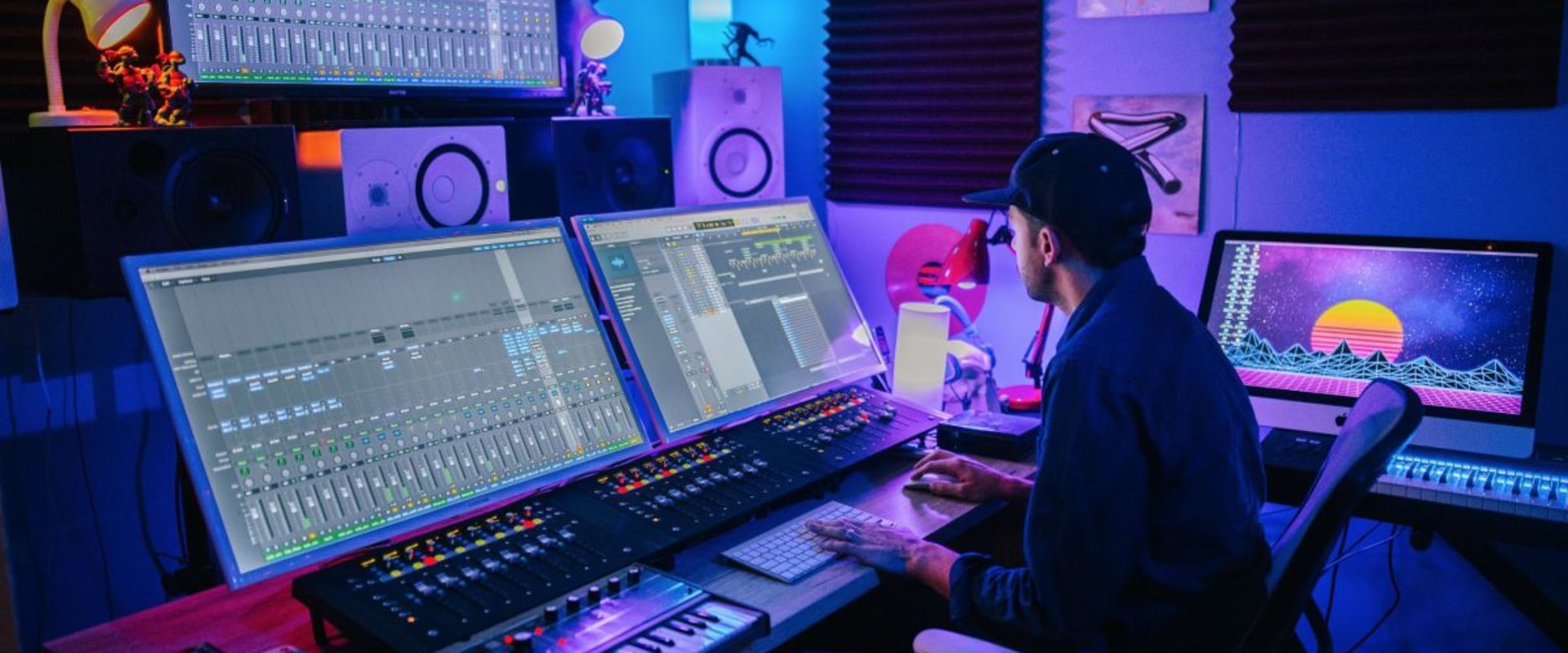
The shift in hip hop's sound was inextricably linked to the technology available to producers at the time. The transition from hardware (like the MPC or SP-1200) to software-based Digital Audio Workstations (DAWs) was nearly complete by 2012.
The Dominance of FL Studio and Ableton
While Pro Tools remained the standard for recording and mixing, FL Studio (formerly FruityLoops) became the engine of the trap movement. Its step sequencer was perfectly suited for the rapid-fire hi-hats and booming 808s that defined the 2012 sound. Ableton Live also saw increased adoption among hip hop producers who were looking to incorporate live performance elements and advanced time-stretching capabilities into their workflows.
The "Synth" Aesthetic
Because producers were moving away from samples to avoid legal issues, they leaned heavily into synthesizers. Several specific VSTs became synonymous with the 2012 era:
- Spectrasonics Omnisphere: Known for its vast library of atmospheric and cinematic sounds, it was a favorite for the "cloud rap" and Drake-inspired "OVO sound."
- LennarDigital Sylenth1: A staple for creating the sharp, aggressive leads found in Lex Luger-style trap beats.
- Native Instruments Massive: While often associated with dubstep, its wavetable synthesis was used to create the heavy, distorted basslines that began to permeate hip hop.
Case Studies: Albums That Defined the Transition
To understand how the "shifting sounds and legal beats" of 2012 manifested in the real world, one must look at the landmark releases of that year.
| Album | Artist | Production Style | Impact on "Legal" Trends |
|---|---|---|---|
| good kid, m.A.A.d city | Kendrick Lamar | Cinematic, Live-Instrumentation, Original Composition | Proved that narrative rap could thrive without relying on heavy, uncleared soul samples. |
| Finally Rich | Chief Keef | Aggressive Trap, Synthetic Leads, Minimalist | Mainstreamed the "Drill" sound, which relied almost entirely on original VST-based production. |
| Life Is Good | Nas | "No I.D." Sophisticated Sampling, Interpolation | Showed how veteran artists could still use samples by carefully clearing and interpolating classics. |
| The Heist | Macklemore & Ryan Lewis | Independent, Horn-heavy, Original Arrangements | A massive commercial success for an independent duo using "legal" original compositions. |
| 1999 | Joey Bada$$ | Boom Bap Revival, Traditional Sampling | Served as a counter-culture movement, purposefully keeping the "illegal" sample sound alive in the underground. |
The Legal Framework: Navigating Licensing in the 2010s
As of 2026, we look back at 2012 as the year the "Standard Beat License" became codified. Before this period, buying a beat online was often a "handshake deal" over email. By 2012, the industry began to adopt specific tiers of licensing that are still used today:
Non-Exclusive (Lease)
This allowed an artist to use a beat for a small fee (typically $20-$50). The producer retained ownership, and the artist was usually limited by a certain number of streams or sales. This was the ultimate "legal beat" solution for the emerging SoundCloud rapper.
Exclusive Rights
The artist pays a higher fee to be the sole user of the beat moving forward. In 2012, exclusive rights for a "buzzing" online producer could range from $500 to $5,000. This cleared the path for the song to be played on the radio or used in sync licensing (TV/Film) without the fear of another artist releasing the same track.
Sync Licensing and the Shift to "TV-Ready" Beats
2012 saw a spike in hip hop being used in commercials and video games. For a song to be "sync-ready," every element had to be accounted for. This further incentivized producers to avoid samples. A "legal beat" was a profitable beat; a sampled beat was a liability that many music supervisors refused to touch.
Regional Shifts: The Sonic Geography of 2012
The sound of hip hop in 2012 was not monolithic. It was a collection of regional movements that were beginning to bleed into one another thanks to the internet.
- Chicago (Drill): Young Chop and Chief Keef pioneered a sound that was cold, mechanical, and entirely synthetic. It didn't sound like the "Old Chicago" of Kanye West’s soul-sampling era. It was the sound of the digital age.
- Toronto (The "OVO" Sound): Led by producers like 40, this sound was characterized by low-pass filters, ambient textures, and a "submerged" feeling. It relied on high-end synthesis and original piano melodies rather than traditional boom-bap loops.
- Atlanta (The Trap Expansion): While trap had been around for a decade, 2012 saw it become more melodic. Producers like Mike WiLL Made-It began incorporating pop sensibilities and cleaner, "legal" synth sounds that made the genre more palatable for Top 40 radio.
Challenges and Controversies of the "Legal" Era
The transition to legal beats wasn't without its detractors. Many purists felt that the "soul" of hip hop was being lost. The art of digging through crates for an obscure drum break or a haunting vocal snippet was being replaced by "drag-and-drop" loop packs.
Furthermore, the legalities of the new marketplace created fresh disputes. "Type Beats"—instrumentals titled after famous artists to attract search traffic—became a dominant force. This led to questions about "sonic branding" and whether a producer could be sued for making a beat that sounded too much like another artist’s style, even if no samples were used.
FAQs: Understanding the 2012 Hip Hop Landscape
What exactly is a "legal beat" in the context of 2012 hip hop?
A legal beat is an instrumental track where all components—melodies, drums, and vocal snippets—are either originally composed by the producer or sourced from royalty-free libraries where the rights have been cleared for commercial use. By 2012, this became the standard for independent artists to ensure their music could be monetized on digital platforms.
How did the sound of hip hop change between 2011 and 2012?
The shift was marked by a move toward "moodier" and more "atmospheric" production. While 2011 was still dominated by the high-energy "Lex Luger" trap sound, 2012 introduced the introspective textures of Kendrick Lamar and the dark, minimalist energy of Chicago Drill. There was also a significant increase in the use of software synthesizers over hardware samplers.
Why did sampling become less common in 2012?
The primary reason was the cost and legal risk. Digital fingerprinting technology made it nearly impossible to release sampled music without detection. Additionally, the rise of independent distribution meant that artists didn't have the legal departments of major labels to clear samples for them, making original "legal beats" a more practical choice.
Who were the most influential producers of the 2012 shifting sound?
Key figures included Mike WiLL Made-It, who bridged the gap between Atlanta trap and pop; Young Chop, the architect of the Drill sound; Noah "40" Shebib, who defined the ambient Toronto sound; and No I.D., who modernized traditional hip hop production for artists like Nas and Big Sean.
Is it still possible to use samples legally today?
Yes, but the process has evolved. Since 2012, services like Splice and Tracklib have emerged to make sample clearance more accessible. In the 2026 landscape, most producers use a combination of royalty-free loops and original synthesis to maintain a "sampled" aesthetic without the legal headaches of the past.
Recommendations for Producers and Artists
For those looking to capture the essence of the 2012 era while staying legally compliant in the modern market, several steps are essential. First, focus on "hybrid" production—blending original VST melodies with high-quality drum samples that carry the texture of hardware. Utilizing modern versions of 2012-era synths like Omnisphere or Massive X can provide that nostalgic yet crisp sound.
Furthermore, always ensure that any "lease" or "exclusive" agreement is documented with a clear contract. In the 2026 music economy, the "paperwork" is just as important as the "patter." For independent artists, sourcing beats from reputable marketplaces that offer automated clearing and split-sheet generation is the best way to avoid the legal pitfalls that many 2012 pioneers had to navigate by trial and error.