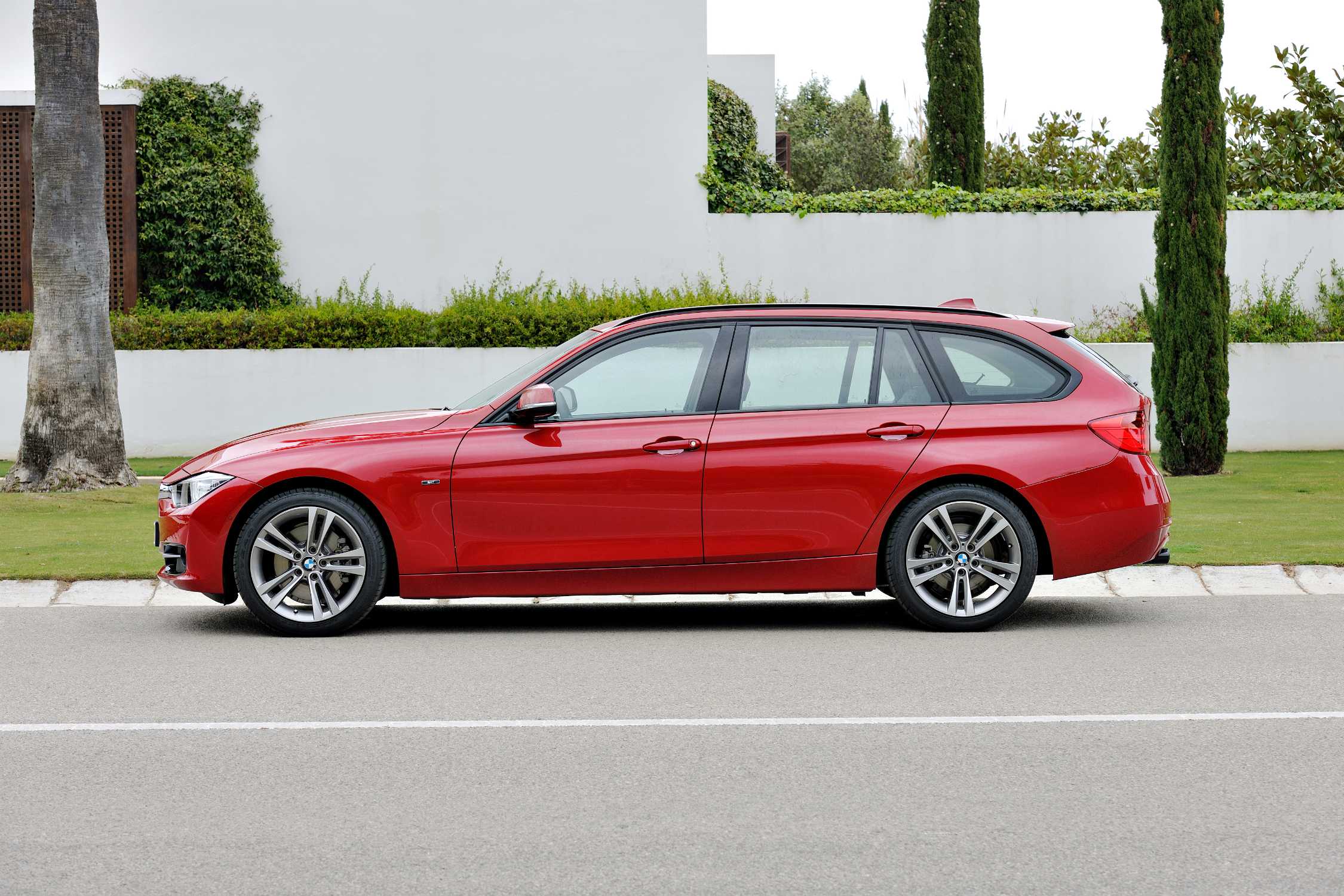
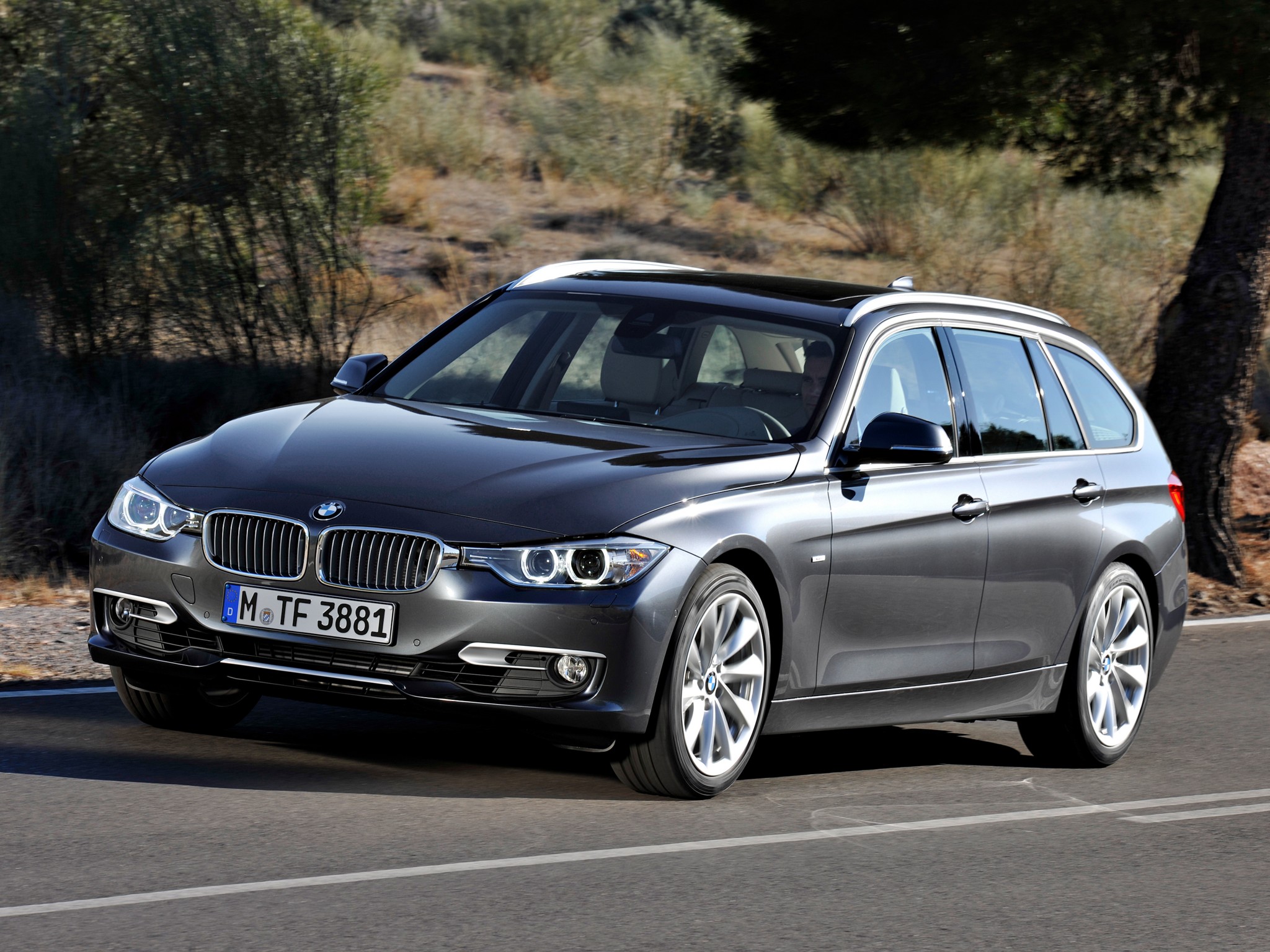
The 2012 BMW 3 Series Touring represents a pivotal transition in the history of the premium compact executive estate. During this calendar year, BMW phased out the celebrated E91 generation and introduced the F31 generation, offering buyers a choice between the mechanical purity of the older platform and the increased efficiency, technology, and space of the newer model. Both versions remain highly sought after in the pre-owned market for their unique blend of driving dynamics and daily utility.
Understanding the 2012 Transition: E91 vs. F31
When discussing the 2012 BMW 3 Series Touring, it is essential to distinguish between the two generations that shared the showroom floor that year. The E91 (part of the fifth-generation 3 Series) was reaching the end of its production cycle, while the F31 (the sixth generation) began its global rollout in the latter half of the year.
The E91 Touring is often remembered for its hydraulic power steering and more compact, driver-centric dimensions. It appealed to those who valued a "connected" road feel and the classic BMW chassis balance. Conversely, the F31 Touring was designed to address the E91’s primary criticisms: limited rear legroom and a slightly firm ride. The F31 introduced a longer wheelbase, more cargo capacity, and a significant shift toward turbocharged four-cylinder engines across the range, replacing several naturally aspirated six-cylinder units.
In 2026, these vehicles are now established classics in the "modern-classic" transition phase. Collectors often seek the late-model E91s for their mechanical steering, while families and commuters prefer the F31 for its superior iDrive infotainment and improved fuel efficiency.
Exterior Design and Aerodynamics
The design philosophy of 2012 saw BMW moving from the "flame surfacing" era of Chris Bangle toward a more streamlined, horizontal aesthetic.
The E91 Aesthetic
The late-model 2012 E91 Touring featured the LCI (Life Cycle Impulse) or facelifted design. This included more prominent "kidney" grilles, LED-accented taillights with a distinct L-shape, and a more sculpted hood. It maintained a taut, athletic stance that looked smaller and more nimble than its successor. The short front overhangs and long hood remained signature elements of its rear-wheel-drive proportions.
The F31 Aesthetic
The F31, arriving in mid-2012, introduced a wider, more planted look. The headlights now extended all the way to the chrome frame of the kidney grilles, a design hallmark of the F30-era 3 Series. The bodywork featured more pronounced "character lines" along the sides, which served both an aesthetic and aerodynamic purpose. BMW achieved a notably low drag coefficient for the F31, which contributed to reduced wind noise and better highway fuel economy compared to the E91.
Interior Comfort, Tech, and Cargo Versatility
The interior of a 2012 3 Series Touring varies significantly depending on which generation you select. However, both adhere to BMW’s driver-oriented cockpit layout, where the center console is slightly angled toward the driver.
Infotainment and iDrive
The 2012 model year was a high point for BMW's iDrive system development. The F31 models introduced the "Professional Navigation" system with a higher-resolution screen and a faster processor. This era saw the introduction of BMW ConnectedDrive, which allowed for better integration with smartphones, though by 2026 standards, these systems are primarily used for basic Bluetooth audio and navigation. The E91's iDrive, while functional, feels noticeably more "retro" with slower menu transitions and lower screen brightness.
Cargo Capacity and Practicality
Practicality is the primary reason for choosing the Touring over the Sedan. Both generations feature the iconic independently opening rear window, allowing users to drop small items into the boot without opening the entire tailgate—a feature that remains a fan favorite.
- E91 Capacity: Offers approximately 460 liters of space with seats up, expanding to 1,385 liters with the rear bench folded.
- F31 Capacity: Increased the stakes with 495 liters of boot space, growing to 1,500 liters with the seats down.
The F31 also introduced a more flexible 40:20:40 split-folding rear seat arrangement as standard, compared to the more traditional 60:40 split found in many E91 configurations. This allows for long items like skis to be carried while still seating two passengers in the rear comfortably.
Engine Range and Performance Specifications
The 2012 model year was the era of "EfficientDynamics," BMW's initiative to reduce emissions without sacrificing the "Ultimate Driving Machine" ethos. This led to a mix of legendary straight-six engines and the rise of high-torque turbodiesels.
Petrol Engines
In the E91, the 328i still utilized the N52/N53 naturally aspirated straight-six in some markets, known for its silky-smooth power delivery. However, the F31 328i famously switched to the N20 2.0-liter turbocharged four-cylinder. While some purists missed the six-cylinder sound, the N20 offered more low-end torque and significantly better fuel economy. The 335i remained the flagship petrol, utilizing the N55 TwinPower Turbo straight-six, producing roughly 300 horsepower and providing sports-car-level acceleration.
Diesel Engines
In Europe, the 320d was the volume seller. The 2012 320d utilized the N47 engine, producing 184 horsepower. It was widely praised for its ability to achieve over 60 mpg (imperial) on long motorway runs while still reaching 60 mph in under 8 seconds. For those seeking more power, the 330d and 335d offered immense torque (up to 630 Nm in some configurations), making them some of the fastest "real-world" cars on the road at the time.
Driving Dynamics: Steering and Suspension
A major point of contention and discussion regarding the 2012 transition involves the steering system.
The Shift to EPS
The E91 utilized a hydraulic power steering system. It offered a heavy, mechanical feel that communicated every ripple of the road surface to the driver's hands. When the F31 launched in 2012, it moved to Electric Power Steering (EPS) to save fuel (as the system only draws power when the wheel is actually turning). While the F31's steering is precise and light for city driving, many enthusiasts feel it lacks the nuanced feedback of the E91.
Suspension Tuning
The 2012 F31 was engineered to be more comfortable than the E91. The older car was often criticized for a harsh ride, particularly when equipped with early-generation run-flat tires and the M Sport suspension. BMW addressed this in the F31 by refining the dampers and offering Variable Sport Steering and Adaptive M Suspension as options, allowing drivers to toggle between "Comfort" and "Sport" modes via the Drive Performance Control switch.
Technical Specifications Comparison
The following table compares the key metrics of the two primary versions of the 320d Touring (the most common variant) available during the 2012 calendar year.
| Feature | 2012 BMW 320d Touring (E91 LCI) | 2012 BMW 320d Touring (F31) |
|---|---|---|
| Engine Type | 2.0L I4 Turbodiesel (N47) | 2.0L I4 Turbodiesel (N47) |
| Horsepower | 184 hp @ 4,000 rpm | 184 hp @ 4,000 rpm |
| Torque | 380 Nm @ 1,900-2,750 rpm | 380 Nm @ 1,750-2,750 rpm |
| 0-100 km/h (0-62 mph) | 7.9 Seconds | 7.7 Seconds |
| Transmission | 6-Speed Manual / 6-Speed Auto | 6-Speed Manual / 8-Speed ZF Auto |
| Cargo Volume (Seats Up) | 460 Liters | 495 Liters |
| Wheelbase | 2,760 mm | 2,810 mm |
| Fuel Economy (Combined) | ~4.8 L/100km | ~4.7 L/100km |
Reliability and Common Issues to Watch
In 2026, a 2012 BMW 3 Series is a mature vehicle. Potential buyers or owners must be aware of specific mechanical tendencies associated with this era of German engineering.
- N47 Timing Chain: The N47 diesel engine used in 2012 models is known for timing chain wear. If a "marbles in a tin can" rattling sound is heard from the rear of the engine, the chain may be stretching. Failure to address this can lead to catastrophic engine failure. By 2026, many of these will have been replaced, but verification in service records is crucial.
- N20 Oil Pump Drive: Early versions of the N20 petrol engine (found in the F31 328i) had issues with the oil pump drive chain and plastic guides. Similar to the diesel timing chain, this is a preventative maintenance item that should be checked.
- Cooling System: Like many BMWs, the plastics used in the cooling system (expansion tanks, radiator connectors) can become brittle after 14 years of heat cycles. Proactive replacement of the water pump and thermostat is often recommended around the 100,000-mile mark.
- Suspension Bushings: The E91, in particular, is sensitive to worn front tension strut bushings, which can cause steering wheel wobble under braking.
- iDrive Hardware: On some 2012 models, the hard drive or the CIC/NBT head unit may show signs of failure (rebooting loops). Specialist repairs are now widely available for these units.
Ownership Costs and Maintenance in 2026
Maintaining a 2012 3 Series Touring today requires a balance of DIY capability and a trusted independent specialist. Parts availability is excellent due to the massive volume of these cars produced.
- Servicing: Standard oil changes and inspections should occur every 10,000 to 12,000 miles, despite BMW’s original "Longlife" intervals of up to 18,000 miles. Shorter intervals are better for the turbochargers and timing chains.
- Tires: Many 2012 models originally came with run-flat tires (RFT). Many owners in 2026 have switched to conventional tires to improve ride quality and reduce road noise, though this requires carrying a mobility kit or a spare.
- Emissions Compliance: Buyers should be aware of local low-emission zones. While 2012 diesels are generally Euro 5 compliant, they may face restrictions in certain city centers that require Euro 6 (which didn't become standard for the 3 Series until later). The petrol models of 2012 are typically exempt from these specific city-center charges as they meet Euro 4 or higher standards.
Frequently Asked Questions
Is the 2012 BMW 3 Series Touring a good family car?
Yes, it is highly regarded for small to medium-sized families. The F31 version is preferable for families with taller children or rear-facing car seats, as it offers more legroom than the E91. The ISOFIX anchors are easy to access, and the wide opening of the tailgate makes loading strollers straightforward.
Which engine is the most reliable for the 2012 model?
The six-cylinder petrol engines (like the N52/N53 in the E91 325i/330i) are often considered the most robust in terms of long-term mechanical durability, provided the cooling system is maintained. For high-mileage drivers, the 330d offers a great balance of power and longevity, though the timing chain issue on the 320d (N47) is a known factor that requires inspection.
How does the 2012 Touring handle in the snow?
As a rear-wheel-drive vehicle, its performance in snow depends heavily on tire choice. With high-quality winter tires, the 50/50 weight distribution makes it quite capable. Many 2012 models were also available with xDrive (BMW’s all-wheel-drive system), which provides significantly more traction in adverse weather conditions.
What is the difference between SE and M Sport trims?
The SE (Special Equipment) trim focuses on comfort, featuring softer suspension and smaller wheels. The M Sport trim is the most popular on the used market; it includes a more aggressive body kit, firmer M Sport suspension, larger wheels, and bolstered sport seats. In 2012, BMW also introduced "Modern," "Luxury," and "Sport" lines for the new F31 to provide more aesthetic variety.
Does the 2012 model have Bluetooth and USB?
Most 2012 3 Series models include Bluetooth for hands-free calling. However, Bluetooth audio streaming (A2DP) was often part of an "Enhanced Bluetooth" or "Professional Navigation" package. Most cars will have a USB port in the center armrest for music playback and charging.
Final Recommendation
When choosing a 2012 BMW 3 Series Touring in 2026, your decision should hinge on your driving priority. If you seek a tactile, old-school driving experience and prefer a more compact car, the late-model E91 with a straight-six engine is a modern classic that continues to reward the driver.
However, for the vast majority of users, the F31 generation (introduced in mid-2012) is the superior daily driver. It offers a more compliant ride, significantly better interior space, and a more modern infotainment interface. Regardless of the generation, ensure the vehicle has a documented service history, specifically addressing the timing chain (for diesels) or oil pump (for four-cylinder petrols) to ensure the car remains a reliable and engaging companion for years to come.