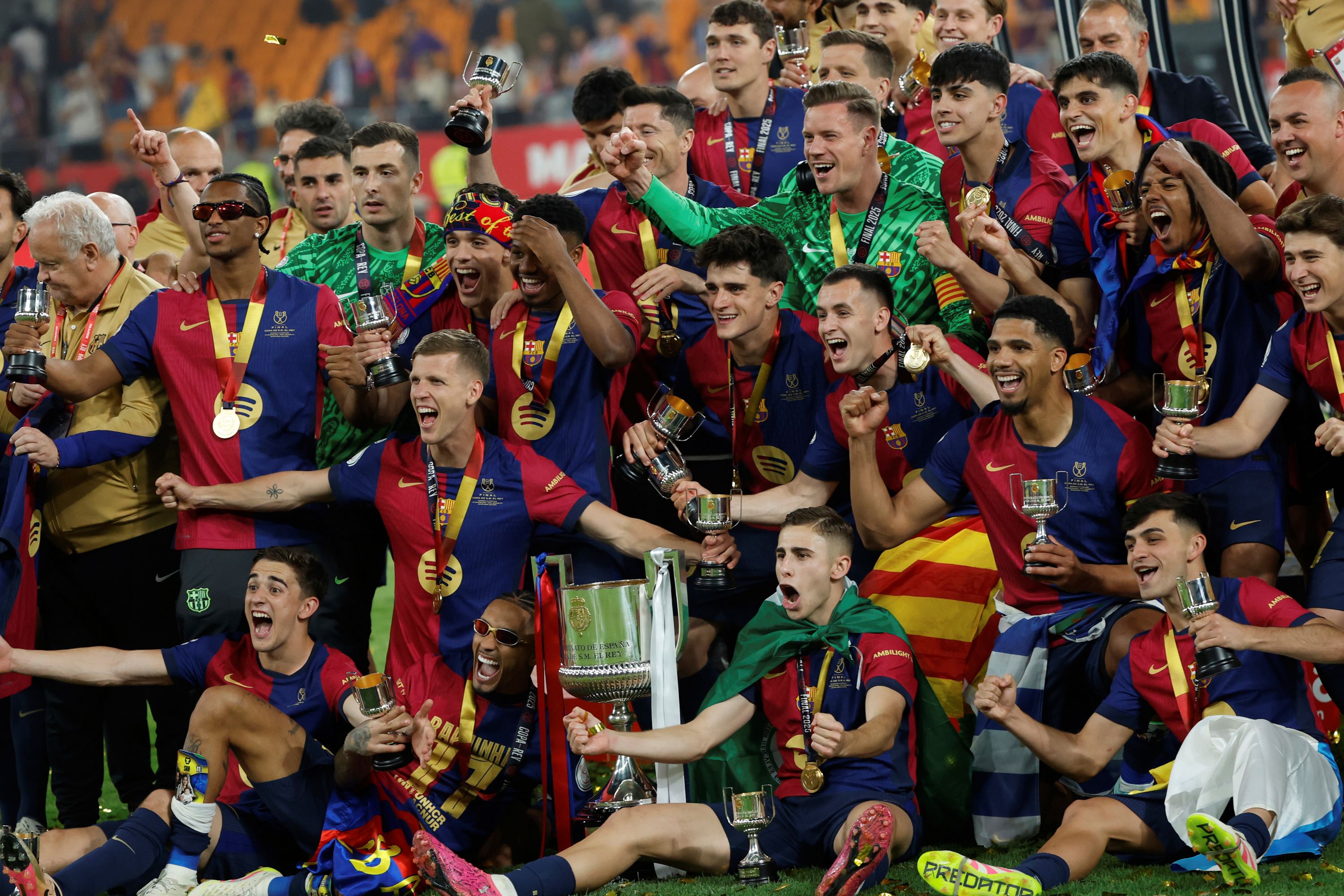
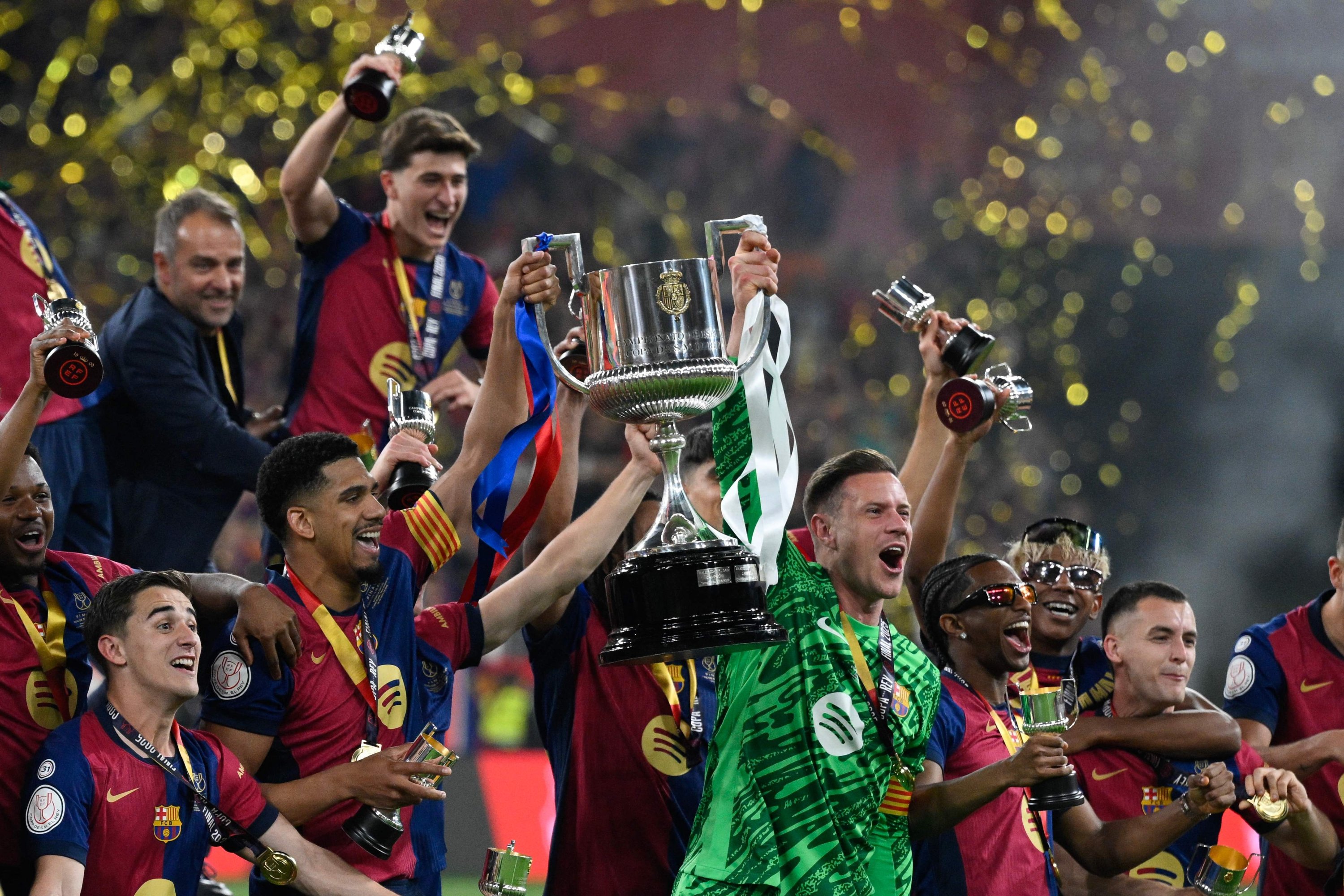
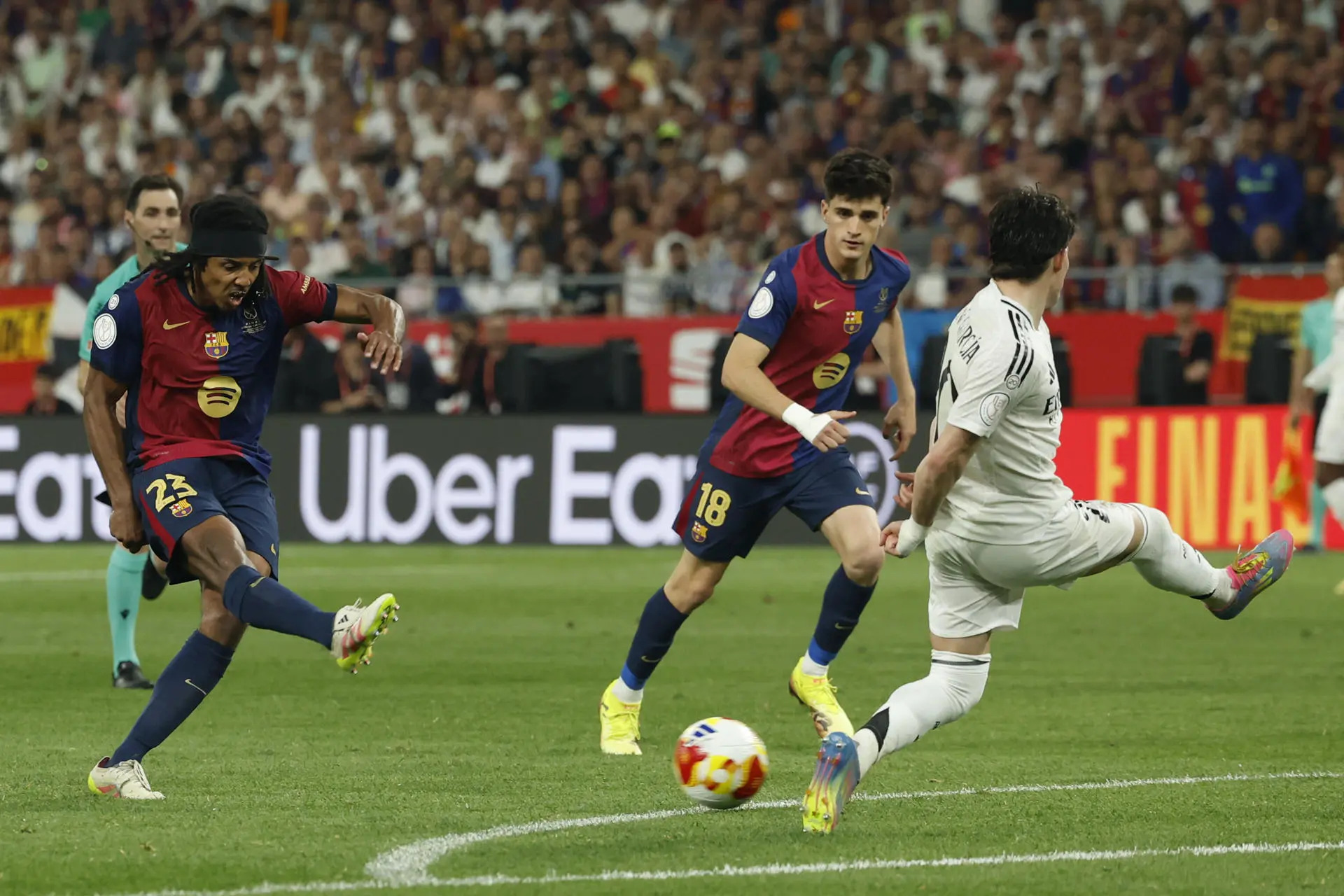
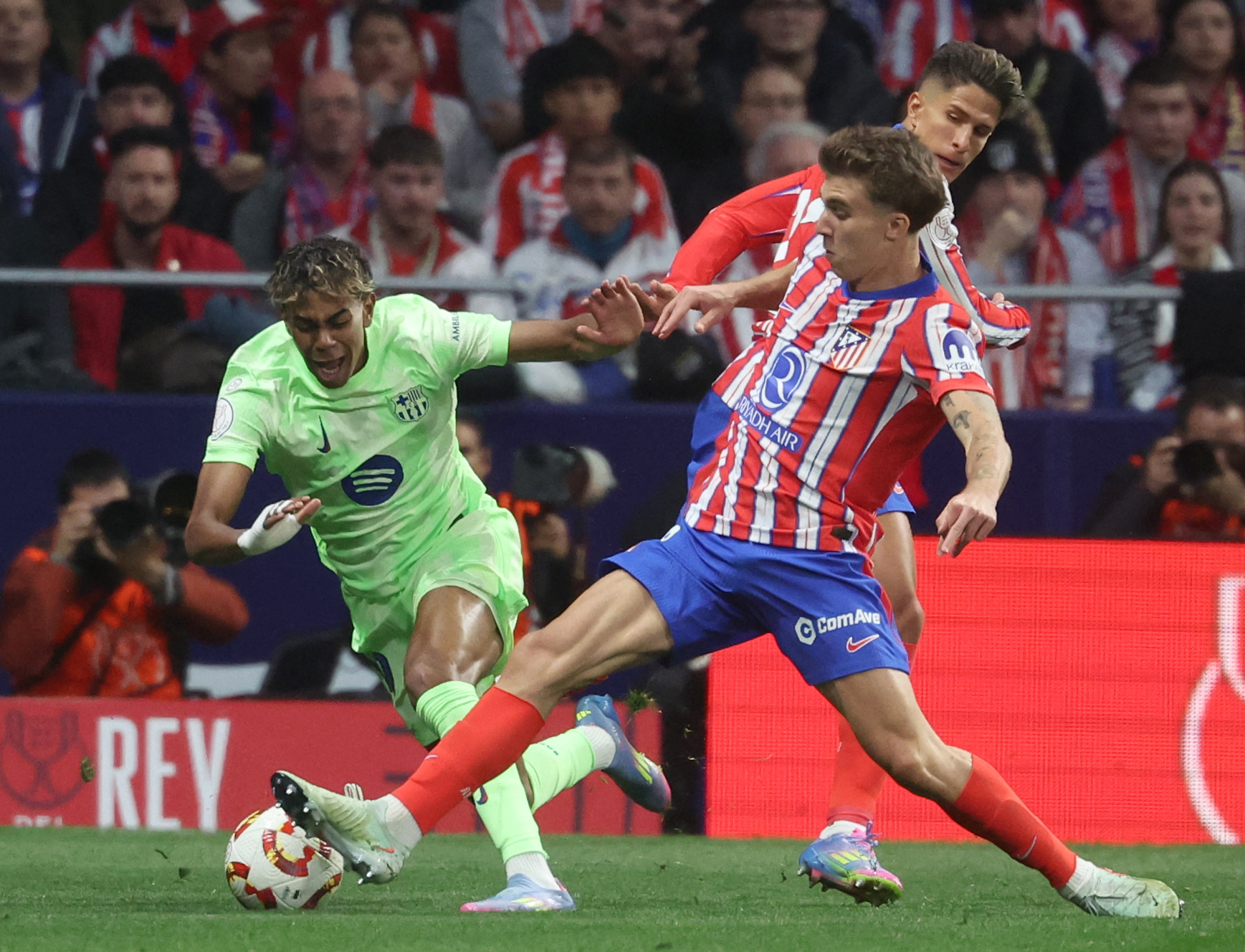
The 2011 Copa del Rey final remains one of the most iconic clashes in modern football history, serving as the first of four "El Clásico" encounters played within an 18-day window in April 2011. Hosted at the Mestalla Stadium in Valencia, the match saw Real Madrid secure a 1-0 victory over FC Barcelona after extra time, courtesy of a Cristiano Ronaldo header, marking a pivotal moment in the managerial rivalry between José Mourinho and Pep Guardiola.
Context and Historical Significance
To understand the gravity of the 2011 Copa del Rey final, one must consider the landscape of Spanish football at the time. Under Pep Guardiola, FC Barcelona was widely regarded as the best team in the world, having perfected the "tiki-taka" style of play characterized by possession-based dominance and fluid movement. Conversely, Real Madrid, under the newly appointed José Mourinho, was constructed to act as the primary counter-balance—a physically imposing, transition-heavy machine designed specifically to disrupt Barcelona's rhythm.
The final was not merely a contest for a trophy; it was the ultimate test of two diametrically opposed football philosophies. The pressure on both sides was immense, as the match acted as the centerpiece of a historic series of fixtures that included La Liga and UEFA Champions League semi-final legs. For Real Madrid, the win provided validation for Mourinho’s defensive pragmatism and ended a lengthy trophy drought in the competition.
Tactical Setup: Mourinho’s Innovation
José Mourinho approached the 2011 final with a specific tactical plan that deviated from his standard formations. Recognizing that Barcelona’s central midfield trio of Xavi, Andrés Iniesta, and Sergio Busquets functioned as the heart of the team, Mourinho deployed Pepe in an advanced midfield role. This move was designed to break up play, harass Xavi and Iniesta, and create a physical blockade that prevented Barcelona from finding their stride.
This tactic forced Barcelona to build their attacks through the flanks, rather than through the middle. While this allowed Barcelona to maintain high possession statistics, it starved them of the high-quality, central penetration passes that were their hallmark. By sacrificing technical fluency for high-intensity pressing and physical disruption, Real Madrid successfully stifled the flow of the match, pushing Barcelona into a rhythm that suited the Madrid defensive structure.
The Flow of the Match: Regulation Time
The first half of the match saw a dominant Real Madrid side that seemed to catch Barcelona off guard. Real Madrid’s pressing was relentless, and they effectively utilized the pace of Cristiano Ronaldo and Ángel Di María on the break. During the first 45 minutes, it was Real Madrid who created the most dangerous chances, frequently isolating Barcelona’s full-backs and testing José Manuel Pinto, who started in goal for the Catalans in the cup.
As the match progressed into the second half, Barcelona began to reclaim control. The adjustments made by Guardiola saw Lionel Messi dropping deeper into midfield to collect the ball, bypassing the congestion created by Pepe and Xabi Alonso. As Barcelona found their tempo, the momentum shifted; Pedro and Messi began to create pockets of space, leading to several high-stress moments for the Real Madrid defense. Iker Casillas, in goal for Madrid, produced a string of crucial saves that kept the scoreline level, most notably a reaction save from a dangerous Pedro strike.
The Turning Point: Extra Time
With the score at 0-0 after 90 minutes, the match moved into extra time. The physical fatigue was evident, yet the intensity remained at a fever pitch. The deciding moment occurred in the 103rd minute. Angel Di Maria, operating on the left flank, delivered a precise, floating cross into the penalty area. Cristiano Ronaldo, rising above the Barcelona defense, directed a powerful header into the bottom corner of the net, beyond the reach of Pinto.
This goal forced Barcelona to abandon their structural discipline in a desperate search for an equalizer. The final minutes of extra time were chaotic, with Real Madrid retreating into a deep defensive block and Barcelona throwing bodies forward. Despite the sustained pressure, the defensive organization led by Sergio Ramos and Ricardo Carvalho held firm, securing the title for the Blancos.
Statistical Comparison: A Look at the Data
The following table outlines the key match statistics, highlighting how the two teams approached the game differently in terms of possession and discipline.
| Metric | Real Madrid | FC Barcelona |
|---|---|---|
| Goals Scored | 1 | 0 |
| Possession | 34% | 66% |
| Shots (Total) | 16 | 13 |
| Shots on Target | 6 | 4 |
| Fouls Committed | 25 | 16 |
| Yellow Cards | 5 | 3 |
The data confirms the tactical narrative: Barcelona controlled the ball, but Real Madrid were more clinical and direct when they had opportunities. The high foul count for Real Madrid underscores the physicality that Mourinho introduced to neutralize Barcelona's technical superiority.
The Role of Key Entities
- José Mourinho: His decision to use Pepe as a midfield destroyer was the defining tactical choice of the match, effectively stalling Barcelona’s engine room.
- Cristiano Ronaldo: Beyond his goal, his role as a target man and his ability to transition quickly from defense to attack provided the outlet Madrid needed to release pressure.
- Iker Casillas: His performance in the second half, particularly when under intense pressure from Messi, was critical in ensuring the score remained level until the breakthrough.
- Pep Guardiola: While his system was largely stifled, his halftime adjustments showed the resilience of the Barcelona side, which nearly broke through in the final stages of regulation time.
Aftermath and Legacy
The 2011 Copa del Rey victory had a profound impact on the psychology of the Real Madrid squad. It provided the players with the belief that they could beat the "invincible" Barcelona, a narrative that would carry forward into the following seasons. For the sport of football, the match solidified the intense, often bitter nature of the Clásico rivalry during the early 2010s, as the competitive tension between the two clubs reached an all-time high.
It also highlighted the evolution of the tournament itself. The Copa del Rey, which had previously been viewed by some as secondary to the league, suddenly became a battlefield for global supremacy. The match served as a blueprint for other managers on how to potentially disrupt high-possession teams through tactical fouls, compact defensive blocks, and vertical, speed-based counter-attacks.
Frequently Asked Questions
Why was this match considered the start of a series of games? The 2011 Copa del Rey final was the first of four matches between the two sides played in 18 days. The two teams also met in the La Liga and twice in the UEFA Champions League semi-finals, creating a period of intense rivalry often referred to as "the eighteen days of hell."
How did Pepe's role in midfield affect the match? Pepe’s deployment as a defensive midfielder was designed to man-mark or disrupt the passing lanes of Xavi and Iniesta. By physically imposing himself on Barcelona's creative pivot, he prevented the team from dictating the tempo of the game, forcing them to rely on wide play.
Was the 2011 final the only trophy Real Madrid won that season? Yes, in terms of major competitions, the Copa del Rey was the only piece of silverware secured by Real Madrid that season. Barcelona went on to win both the La Liga title and the UEFA Champions League.
What was the significance of the venue? The Mestalla Stadium in Valencia was chosen as a neutral ground. Being equidistant from both cities, it provided a hostile, high-pressure environment that intensified the emotional weight of the rivalry.
Why did Barcelona have more possession but lose? Possession does not equate to chance quality. Real Madrid’s tactical strategy was to absorb pressure and utilize the individual brilliance of players like Ronaldo and Di Maria to score via swift transitions. Barcelona had the ball, but they struggled to break down the deep-seated defense for the full 120 minutes.
Recommendation for Further Study
To fully grasp the magnitude of this encounter, observers should view the full match footage alongside post-match tactical analyses from 2011. Understanding the specific player movements off the ball—particularly how Madrid’s defense shifted as a unit—offers a masterclass in defensive coordination against a possession-dominant opponent. Collectors of football history may find the match reports from major Spanish sports publications, such as Marca and AS, essential for documenting the immediate reaction to the result and the shift in the power dynamic between these two giants.