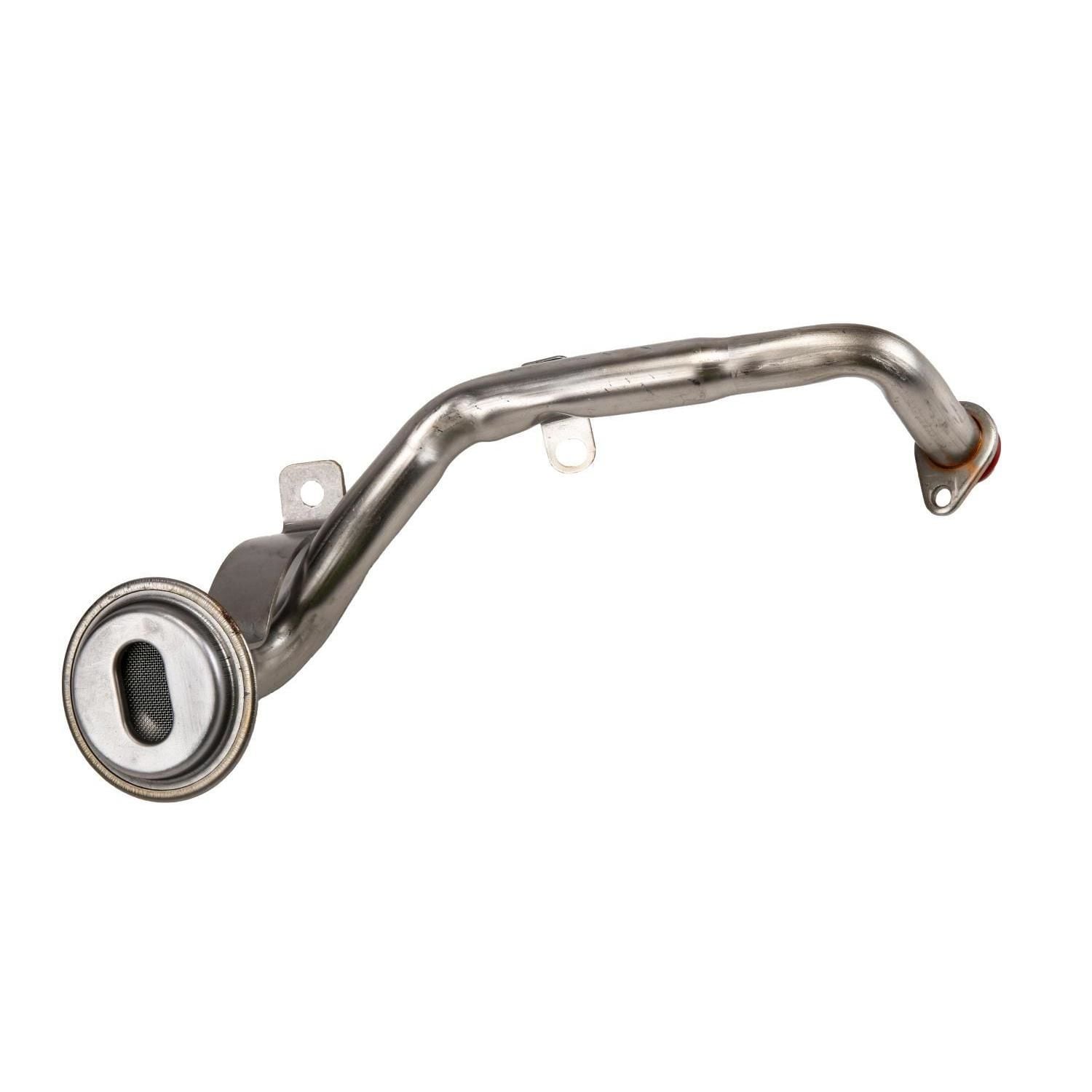
For the 2011 Chevrolet Camaro, the engine oil requirements vary based on the specific engine configuration. The 3.6L V6 (LLT engine) requires SAE 5W-30 viscosity, while the 6.2L V8 engines (LS3 and L99) require SAE 5W-30 synthetic oil. Always ensure the oil carries the dexos1 certification or meets the GM standard specified in your owner’s manual for optimal engine performance and longevity.
Maintaining the engine oil in a 2011 Chevrolet Camaro is one of the most critical aspects of preserving the performance and longevity of its internal combustion engine. Whether you are driving the base V6 model, the manual-transmission SS with the LS3, or the automatic-transmission SS with the L99, understanding the specific lubrication needs of these engines is paramount. As vehicles age, proper maintenance becomes even more essential to prevent premature wear on seals, pistons, and bearings.
Understanding Engine Oil Specifications for 2011 Models
When selecting oil for your 2011 Camaro, the primary identifier is the SAE (Society of Automotive Engineers) viscosity grade. Viscosity refers to the oil's resistance to flow; lower numbers indicate thinner oil that flows more easily at low temperatures, while higher numbers indicate thicker oil that maintains a protective film at high operating temperatures.
For the 2011 model year, General Motors transitioned toward the implementation of the "dexos1" engine oil specification. This proprietary standard was designed to ensure better protection against sludge, deposits, and engine wear compared to generic off-the-shelf oils available at the time. While many high-quality synthetic oils meet these requirements, verifying that the bottle displays the dexos1 logo is the safest way to ensure compliance with the manufacturer’s original engineering standards.
Differentiating Between Engine Types
The 2011 Camaro lineup featured distinct engine architectures that necessitate slightly different maintenance considerations, even if they share the same viscosity requirement.
1. The 3.6L LLT V6 Engine
The 3.6L V6 engine utilizes a direct-injection fuel system. Direct injection can lead to increased fuel dilution in the engine oil if not monitored correctly. Because of this, adhering strictly to the Oil Life Monitoring (OLM) system or consistent interval-based changes is necessary. SAE 5W-30 is the factory-recommended viscosity for this engine, providing the necessary balance between cold-start flow and high-temperature protection during spirited driving.
2. The 6.2L LS3 V8 (Manual Transmission)
The LS3 is a high-performance pushrod engine. Given the tight tolerances and the higher thermal output compared to standard passenger engines, using a full-synthetic 5W-30 oil is highly recommended. The synthetic base stock offers superior resistance to heat-induced breakdown during hard cornering or sustained high-RPM operation.
3. The 6.2L L99 V8 (Automatic Transmission)
The L99 features Active Fuel Management (AFM), a system that shuts down half of the cylinders under light-load conditions to improve fuel economy. Because the AFM system relies on oil pressure to activate the solenoids for cylinder deactivation, using the correct oil is not just about lubrication—it is about ensuring the electronic-hydraulic system functions without hesitation. Using a high-quality 5W-30 full synthetic that meets GM's dexos1 specification is vital for the long-term reliability of the AFM hardware.
Comparison of Oil Requirements and Capacities
Understanding how much oil your vehicle requires is as important as choosing the right type. The following table provides the capacity for each engine variant.
| Engine | Displacement | Recommended Viscosity | Approx. Capacity (with filter) |
|---|---|---|---|
| LLT V6 | 3.6L | SAE 5W-30 | 6.0 Quarts (5.7 Liters) |
| LS3 V8 | 6.2L | SAE 5W-30 | 8.0 Quarts (7.6 Liters) |
| L99 V8 | 6.2L | SAE 5W-30 | 8.0 Quarts (7.6 Liters) |
Note: Capacities are estimates. Always fill to the specified level on the dipstick and verify after running the engine briefly to fill the filter.
The Importance of the Oil Life Monitoring System
The 2011 Camaro is equipped with a sophisticated Oil Life Monitoring (OLM) system. This is not a simple mileage counter; it is an algorithm that calculates the degradation of the oil based on actual engine operating conditions. Factors such as engine revolutions, operating temperatures, and cold starts are all tracked.
You should never exceed the "0%" threshold on the OLM display. If you use your Camaro primarily for short trips or in harsh conditions (excessive idling, dusty environments, or frequent track use), the OLM system will likely trigger a service notification much sooner than the traditional 3,000 or 5,000-mile intervals. While many enthusiasts prefer to change their oil at set intervals for peace of mind, the OLM is the minimum standard you must follow to maintain engine health.
Selecting the Right Oil Filter
The filter is the second half of the lubrication equation. A high-quality oil filter should feature:
- Anti-drainback valve: Prevents oil from flowing back into the pan when the engine is turned off, ensuring a quick return of oil pressure during startup.
- Efficient filtration media: Capable of trapping small particles without significantly restricting flow.
- Durable casing: Designed to withstand the pressure spikes associated with the high-output pumps in the V8 models.
When performing an oil change on a 2011 Camaro, ensure the gasket from the old filter has been removed from the engine block before installing the new one. A "double gasket" scenario will cause a massive, rapid oil leak immediately upon starting the engine, which can lead to catastrophic damage.
Step-by-Step Maintenance Guidance
Performing an oil change at home requires the vehicle to be safely lifted and secured. Never rely solely on a hydraulic jack; always use jack stands on the manufacturer-recommended lift points.
- Preparation: Warm the engine to operating temperature to allow the oil to drain more freely, but allow it to sit for a few minutes to avoid burns.
- Draining: Remove the drain plug located on the oil pan. Ensure you have a catch basin large enough to accommodate the high capacity of the V8 engines (8 quarts).
- Filter Removal: Once the oil is drained, remove the oil filter. Apply a thin layer of fresh, clean oil to the rubber gasket of the new filter before threading it on by hand. Do not over-tighten; hand-tightening is typically sufficient.
- Refilling: Add the specified amount of 5W-30 synthetic oil. Start with one quart less than the maximum capacity, then add the remainder slowly, checking the dipstick level periodically.
- Resetting the OLM: After changing the oil, turn the ignition to the "ON" position without starting the engine. Use the Driver Information Center (DIC) controls to navigate to the Oil Life remaining screen. Press and hold the "Set/Reset" button until the display returns to 100%.
Common Mistakes to Avoid
- Overfilling: Adding too much oil can lead to "frothing" or aeration caused by the crankshaft hitting the surface of the oil. This significantly reduces the oil’s ability to lubricate and cool the engine.
- Mixing Viscosities: Avoid blending different oil weights. While technically possible in an emergency, it compromises the performance characteristics the manufacturer intended for the engine’s specific tolerances.
- Ignoring the Dipstick: Never rely solely on the manual’s volume capacity. Always verify the level on the dipstick on level ground after the engine has run.
Frequently Asked Questions
Can I use 5W-20 instead of 5W-30 in my 2011 Camaro? No. You should strictly follow the 5W-30 viscosity recommendation. The internal components of the 2011 Camaro engines were engineered to work with the film strength and flow characteristics of 5W-30. Using a lighter weight (5W-20) can result in insufficient lubrication under high-load conditions.
Is full synthetic oil required for the 2011 Camaro? While the original 2011 manuals might have allowed for conventional or semi-synthetic blends that met the GM standards of the time, modern high-performance vehicles benefit significantly from full synthetic oils. Given the age of the vehicles in 2026, full synthetic provides the best protection against thermal breakdown.
What should I do if the oil pressure light comes on? If the low oil pressure light illuminates while the engine is running, stop the vehicle immediately in a safe location and turn off the engine. Check the oil level. If the level is normal but the light persists, the issue may be a faulty oil pressure sensor or a mechanical failure of the oil pump. Do not continue driving, as internal engine damage will occur rapidly.
Does the 3.6L V6 have different oil needs than the 6.2L V8? They share the same viscosity requirement (5W-30), but the V8 models have a significantly larger oil capacity. Regardless of the engine, prioritize oils that meet the dexos1 specification to ensure the additives are compatible with your engine's seals and internal coatings.
How often should I check my oil level? Despite the Oil Life Monitoring system, it is good practice to check your engine oil level at every refueling stop, especially on older vehicles. This allows you to spot consumption issues—where the engine burns oil over time—long before the oil level drops to a critically low point.
Final Recommendation
To keep your 2011 Camaro in peak condition, prioritize using a high-quality 5W-30 full synthetic oil that carries the dexos1 certification. Combine this with a premium oil filter, and adhere to the prompts provided by the vehicle's Oil Life Monitoring system. Regularly checking your oil level between changes remains the most effective "low-cost" insurance policy against unexpected mechanical failures in your vehicle's engine.