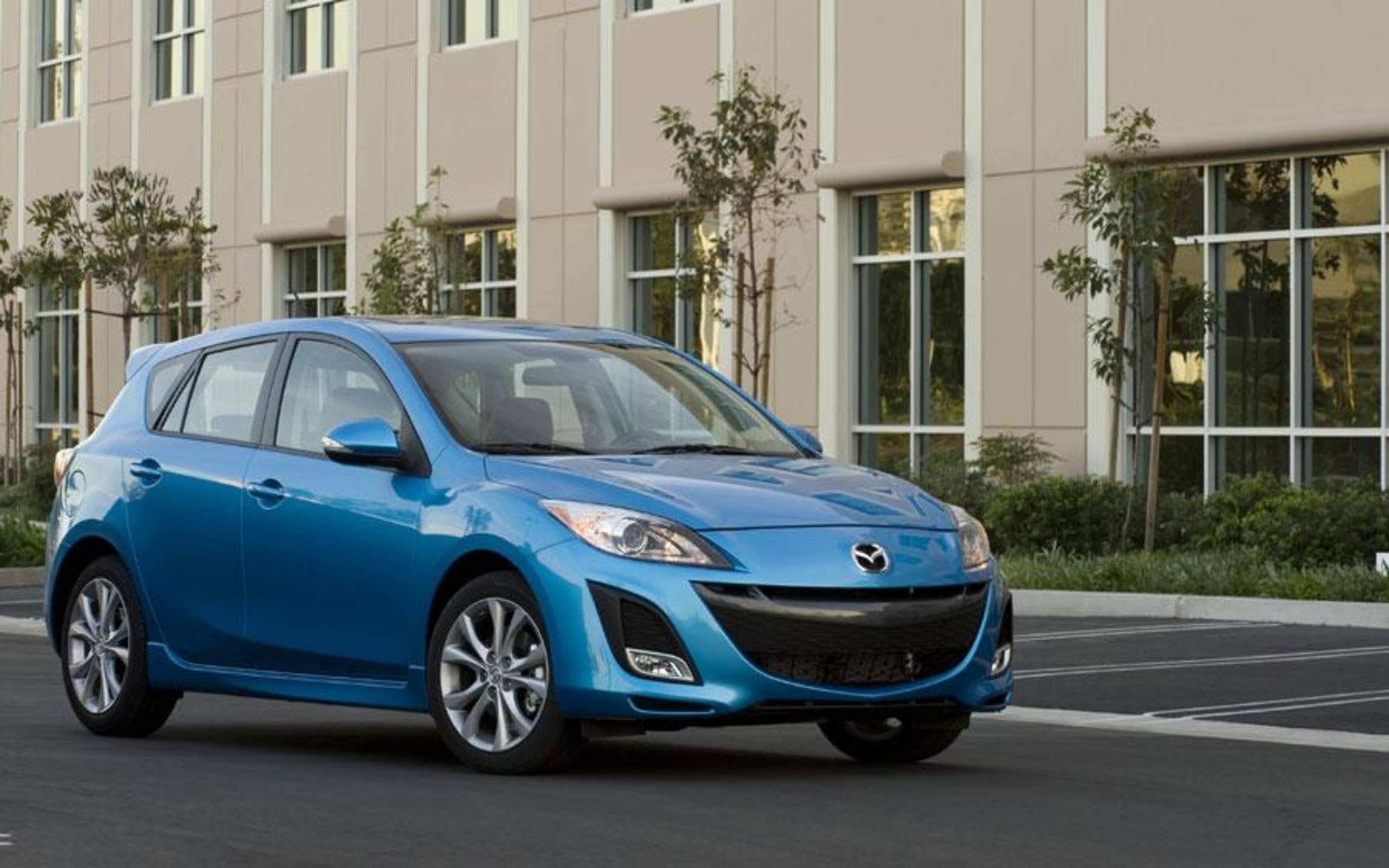
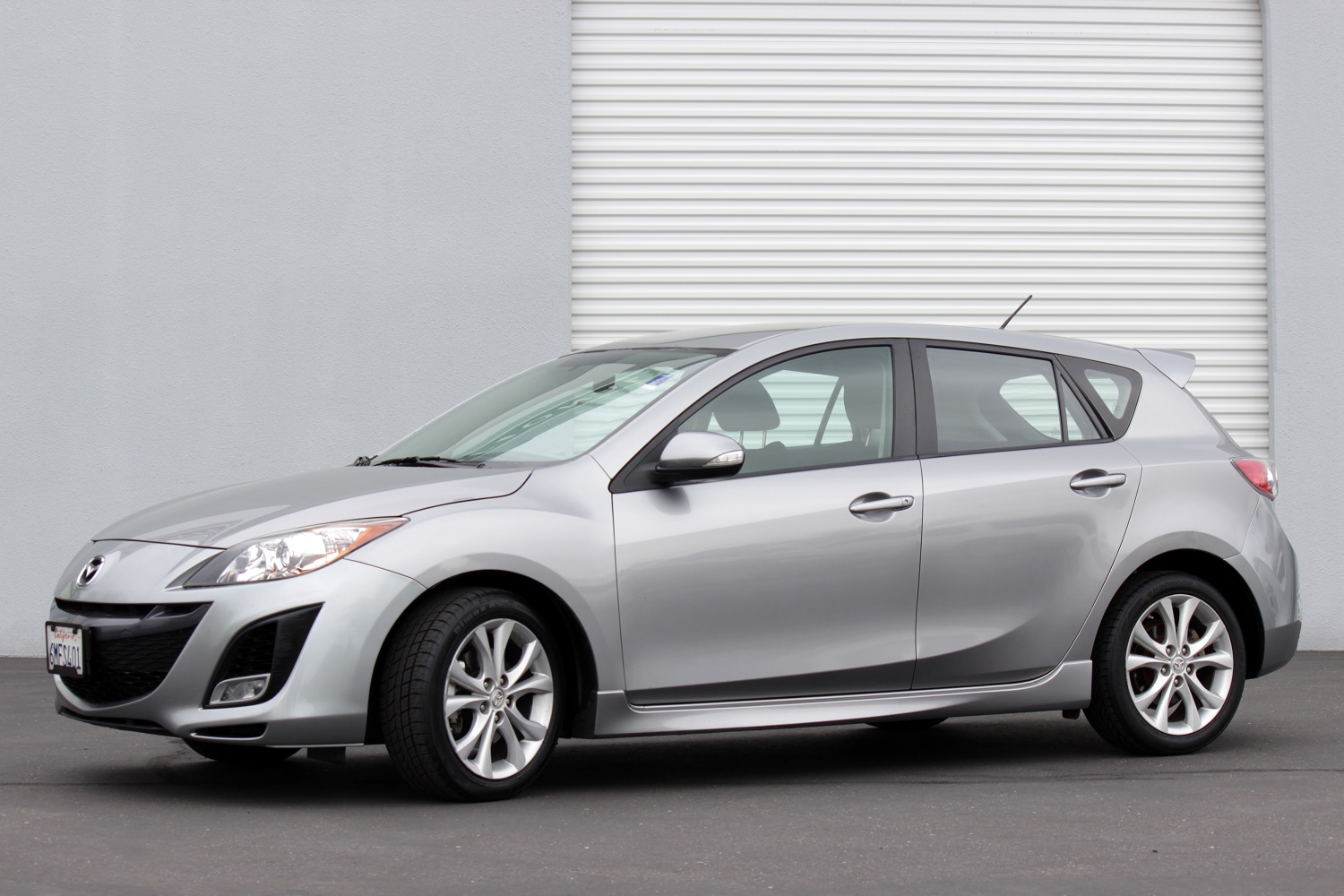
The 2010 Mazda 3 S, part of the second generation (BL) series, represents a pivotal era for the compact car segment, offering a sophisticated balance of athletic handling, interior refinement, and reliable performance. Designed for drivers seeking a "zoom-zoom" experience without sacrificing daily utility, the S trim features the potent 2.5L four-cylinder engine, distinguishing it as the performance-oriented alternative to the base 2.0L model.
Understanding the 2010 Mazda 3 S Identity
When evaluating the 2010 Mazda 3 S, it is essential to distinguish it from the entry-level "i" trim. The "S" designation signifies the inclusion of the 2.5-liter MZR inline-four engine, which produces 167 horsepower and 168 lb-ft of torque. In 2010, this model was available in both sedan and hatchback body styles, providing flexibility for different lifestyle needs.
The 2010 model year marked a significant design shift. It introduced a more expressive "smiling" front fascia and a completely overhauled cabin that emphasized soft-touch materials and an ergonomic layout. For the modern driver in 2026, this vehicle occupies a unique space: it is old enough to be highly affordable on the secondary market but robust enough to serve as a reliable daily commuter if maintained with diligence.
Technical Specifications and Performance
The core of the Mazda 3 S experience is its powertrain. Unlike the 2.0L engine found in the lower trims, the 2.5L unit provides significantly more passing power, making it better suited for highway driving and hilly terrain.
- Engine: 2.5L DOHC 16-valve 4-cylinder (MZR)
- Transmission: 6-speed manual or 5-speed automatic with Sport mode
- Suspension: Independent front MacPherson strut and rear multi-link setup
- Braking: Four-wheel disc brakes with Anti-lock Braking System (ABS)
- Curb Weight: Approximately 2,900–3,100 lbs depending on configuration
The suspension tuning in the S trim is slightly firmer than the base model, which enhances cornering stability and steering feedback. This focus on driver engagement is a hallmark of the Mazda brand, ensuring that the 2010 model feels more agile than many of its period-correct competitors, such as the contemporary Toyota Corolla or Honda Civic.
Interior Features and Ergonomics
The 2010 cabin was lauded upon release for its "premium-compact" feel. The dashboard features a dual-cockpit design that curves around the driver, placing controls within easy reach. The S trim typically includes upgraded upholstery, a leather-wrapped steering wheel, and a more comprehensive multi-information display.
Despite its age, the 2010 Mazda 3 S holds up well in terms of usability. The seats are supportive, making them suitable for long-distance commuting. However, potential buyers should note that the rear seat legroom is modest. If your primary use case involves carrying multiple adults frequently, the sedan offers a standard trunk, while the hatchback provides a more versatile cargo area with the rear seats folded down.
Maintenance and Reliability Considerations
As of 2026, the youngest 2010 Mazda 3 S has been on the road for sixteen years. Consequently, maintenance is the single most important factor in determining the longevity and safety of the vehicle.
Common Maintenance Focus Areas
- Suspension Bushings: After over a decade, rubber components in the suspension, particularly the front control arm bushings and rear sway bar links, may exhibit wear. Symptoms include clunking noises over bumps or imprecise steering feel.
- Engine Mounts: The hydraulic engine mounts on this generation are known to wear out. A tell-tale sign is increased vibration at idle or a noticeable "thump" when shifting between drive and reverse.
- Rust Prevention: While the second generation improved upon the first generation's notorious rust issues, the rear wheel arches and rocker panels remain susceptible, especially in regions that utilize road salt. Inspect these areas annually.
- Cooling System: The cooling system components, including the thermostat and radiator hoses, should be monitored. High-mileage vehicles should have the coolant flushed and replaced if there is no documented record of recent service.
Comparison Table: 2010 Mazda 3 Trim Tiers
| Feature | Mazda 3 i (2.0L) | Mazda 3 S (2.5L) |
|---|---|---|
| Engine Displacement | 2.0 Liters | 2.5 Liters |
| Horsepower | 148 hp | 167 hp |
| Transmission Options | 5-speed Manual/Automatic | 6-speed Manual/5-speed Auto |
| Wheels | 16-inch Steel/Alloy | 17-inch Alloy |
| Primary Use | Economy Commuter | Performance/Utility Daily |
Safety and Legal Requirements
The 2010 Mazda 3 S came standard with a robust suite of safety features for its time, including dynamic stability control (DSC), traction control, and six airbags (front, side-impact, and side-curtain). If you are purchasing this vehicle in 2026, verify that all recalls have been addressed. The most notable recall for this period involved the steering column and power steering motor; you can verify the status of any specific VIN through the National Highway Traffic Safety Administration (NHTSA) database.
Practical Tips for Long-Term Ownership
To maximize the value of your 2010 Mazda 3 S in 2026, adhere to a strict oil change interval. While some modern synthetic oils allow for extended drain intervals, a 5,000 to 7,500-mile cycle is recommended for the 2.5L MZR engine to prevent carbon buildup and ensure the longevity of the variable valve timing components.
Additionally, pay attention to the transmission fluid. For the automatic transmission, a drain-and-fill procedure—not a full power flush—every 60,000 miles can significantly extend the life of the transmission solenoids. If you own the manual transmission model, changing the gear oil every 100,000 miles is a simple, cost-effective way to maintain smooth shifting.
Frequently Asked Questions
Is the 2010 Mazda 3 S reliable for a student or daily commuter? Yes, provided it has been maintained. The MZR 2.5L engine is generally robust and lacks the common timing chain failures found in some other compact cars of the era. Prioritize finding a well-documented service history over the lowest possible mileage.
Does the 2010 Mazda 3 S require premium fuel? No. The engine is designed to run on regular 87-octane gasoline. Using higher octane fuel will not provide additional power or fuel economy, as the engine's compression ratio does not require it.
How do I address the road noise in the cabin? The 2010 model is known for having a fair amount of road noise compared to modern standards. Installing high-quality, touring-grade tires with a low noise rating can significantly mitigate interior decibels.
What should I look for during a pre-purchase inspection? Focus on the engine mounts, potential oil leaks near the valve cover gasket, and the condition of the rear suspension links. Also, ensure the air conditioning compressor engages and blows cold air, as these can fail as vehicles age.
Can I upgrade the infotainment system? Yes. While the factory head unit is outdated, the double-DIN dashboard architecture makes it very easy to install an aftermarket stereo that supports Apple CarPlay or Android Auto, bringing the vehicle’s connectivity up to 2026 standards.
Final Recommendation
The 2010 Mazda 3 S remains a compelling choice for drivers who prioritize steering feedback and mechanical engagement over soft-touch dashboard plastics and complex electronic driver aids. To succeed with this vehicle, commit to an immediate inspection of the cooling and suspension systems upon purchase. By addressing the rubber wear parts and maintaining fluids, you can extract many more years of enjoyable, reliable service from this classic compact sports sedan. If you are currently in the market, prioritize vehicles located in dry climates to avoid the long-term effects of corrosion, and always insist on a professional pre-purchase inspection from an independent mechanic.