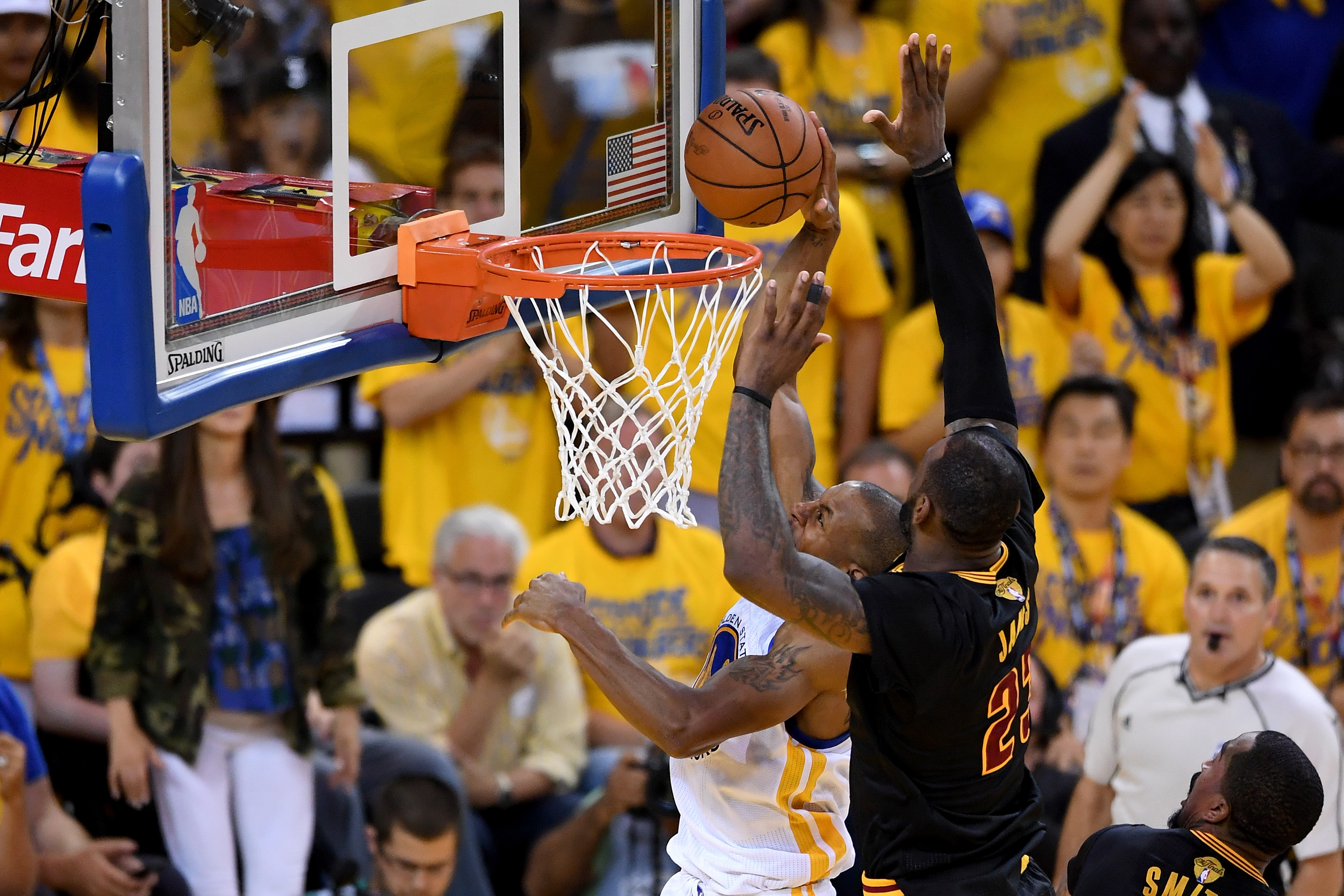
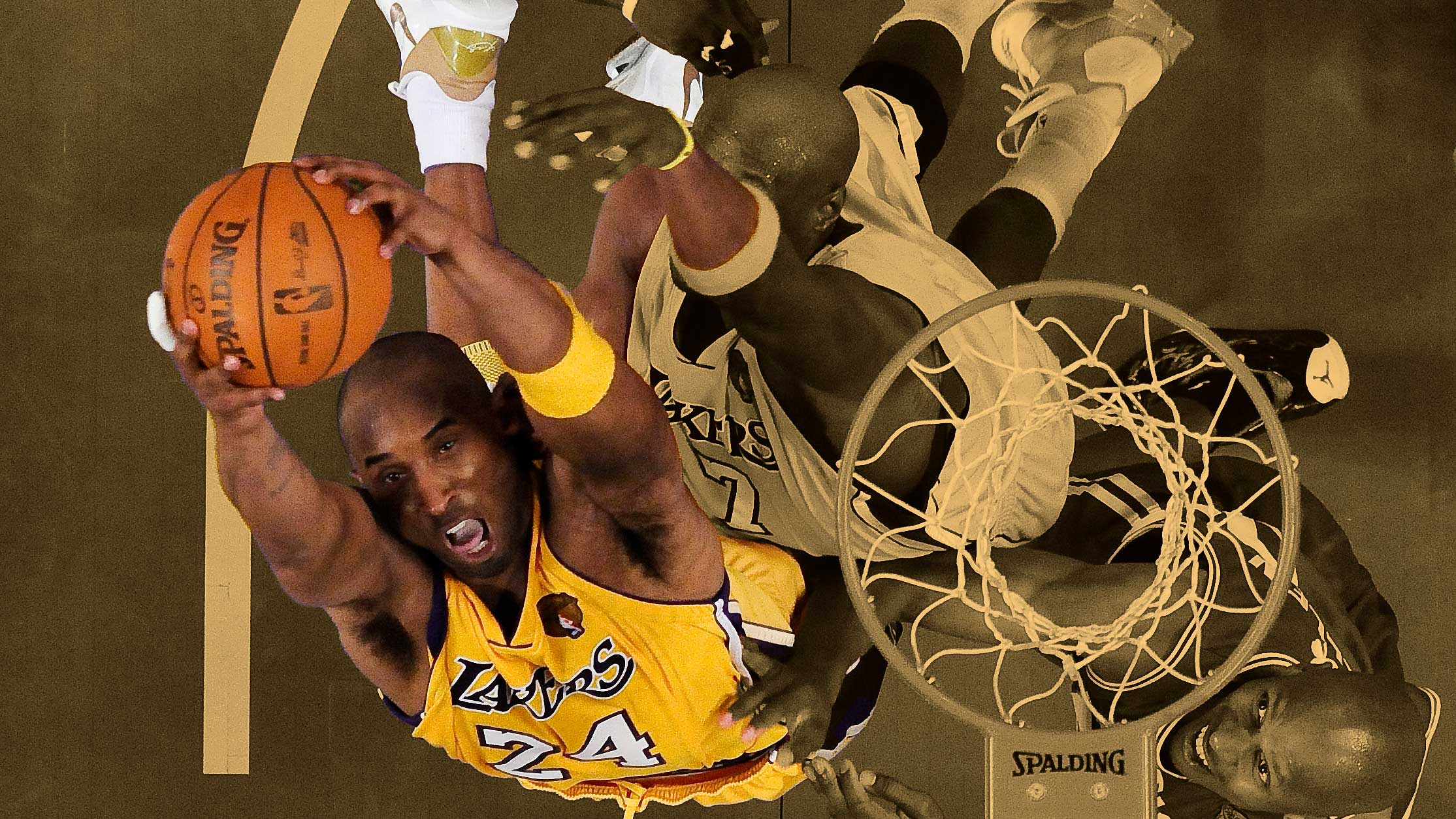
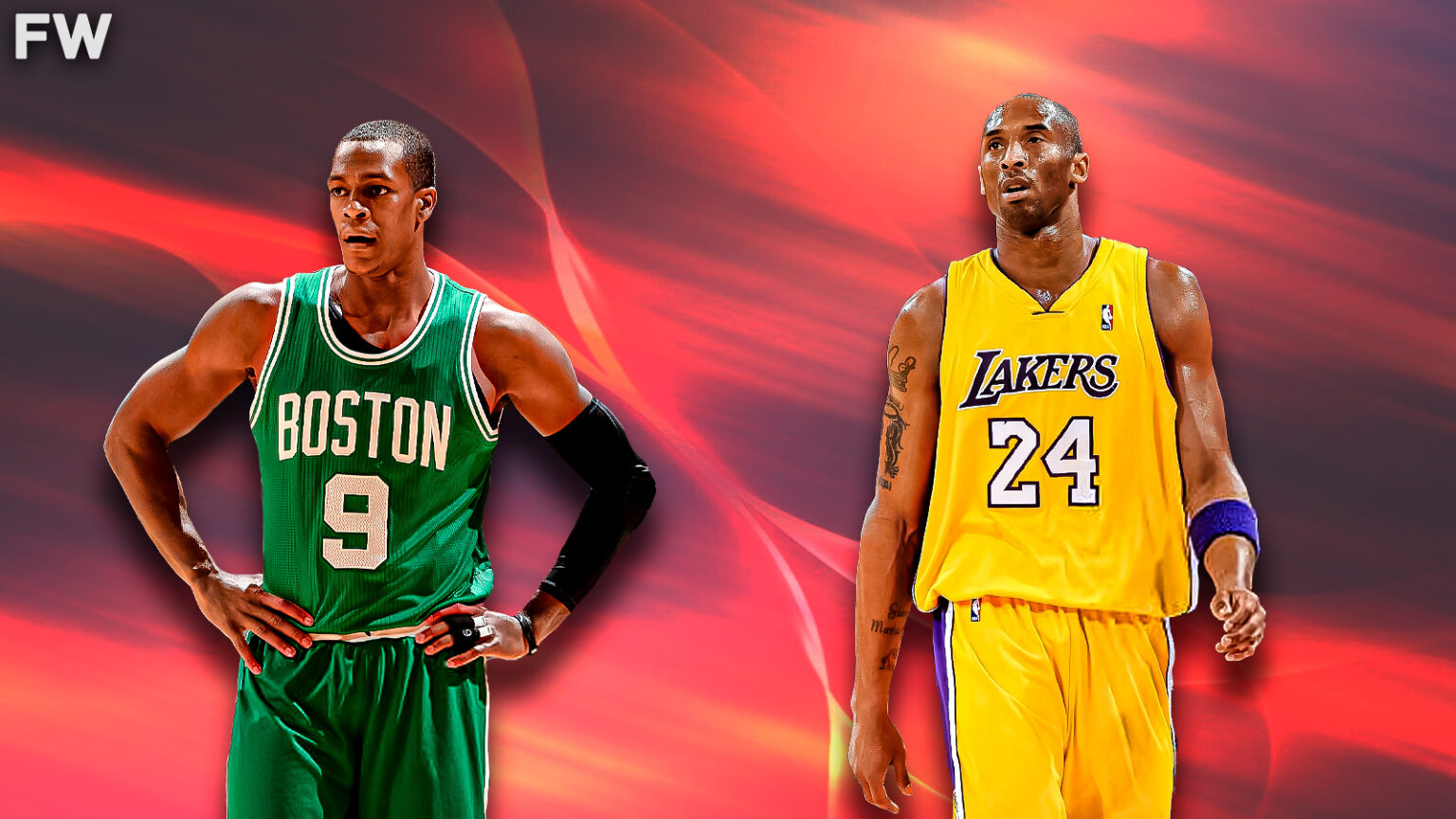
Game 7 of the 2010 NBA Finals between the Los Angeles Lakers and the Boston Celtics stands as one of the most intensely physical, historically significant, and defensively brutal championship games in basketball history. Played on June 17, 2010, at the Staples Center in Los Angeles, this decisive matchup capped off a legendary rivalry series, delivering a dramatic conclusion that cemented legacies, tested endurance, and showcased elite playoff basketball under the ultimate pressure.
Historical Context and Rivalry Background
The Los Angeles Lakers and the Boston Celtics entered the 2010 NBA Finals carrying decades of historic animosity. Their rivalry defined entire eras of professional basketball, featuring legendary clashes in the 1960s, 1970s, 1980s, and most recently, the 2008 NBA Finals, where the Celtics decisively defeated the Lakers in six games. Entering the 2010 series, the narrative was clear: the Lakers sought redemption and a chance to validate their core roster, while the Celtics aimed to secure another title for their veteran "Big Three" of Kevin Garnett, Paul Pierce, and Ray Allen, alongside point guard Rajon Rondo.
The series lived up to its billing, swinging back and forth through the first six games. Boston’s defensive intensity and tactical execution clashed with Los Angeles’s size, versatility, and the relentless offensive pressure of Kobe Bryant. By the time Game 7 arrived, both teams were battered, exhausted, and acutely aware of what was at stake. For Kobe Bryant, winning a fifth championship would place him just one title away from matching Michael Jordan, while a loss would mean dropping a second consecutive series to Boston’s historic franchise. For the Celtics, capturing banner number 18 on their arch-rival's home floor represented the ultimate triumph.
Tactical Breakdown and First-Half Struggles
From the opening tip, Game 7 played out in the half-court, characterized by immense physical contact, tight officiating, and suffocating defensive schemes. Both teams struggled immensely with shooting efficiency, succumbing to the weight of the moment and the relentless defensive pressure. The Staples Center crowd watched in stunned silence as the ball simply refused to go through the hoop for either side.
| Quarter | Boston Celtics Score | Los Angeles Lakers Score | Key Narrative / Observation |
|---|---|---|---|
| First Quarter | 23 | 14 | Celtics establish early rhythm; Lakers struggle offensively. |
| Second Quarter | 17 | 20 | Defensive battle continues; low-scoring grind favors Boston. |
| Third Quarter | 27 | 17 | Celtics extend lead behind physical play and perimeter shooting. |
| Fourth Quarter | 15 | 37 | Lakers mount historic comeback; clutch free throws seal win. |
As shown in the scoring progression, the first half was defined by defensive dominance and offensive ineptitude. The Celtics utilized their trademark team defense, clogging the paint against Pau Gasol and forcing Kobe Bryant into difficult, contested jump shots. Bryant struggled mightily in the first half, shooting just 3-of-14 from the field. However, his willingness to attack the basket and draw fouls kept the Lakers within striking distance, even as Boston took a 40-34 lead into halftime.
The Turning Point: Third-Quarter Deficit and Resilience
The third quarter began ominously for the purple and gold. The Celtics capitalized on Laker turnovers and missed shots, building their lead to as many as 13 points at 53-40. During this stretch, Rasheed Wallace provided crucial minutes and scoring for Boston, stretching the floor and punishing the Lakers' interior defense.
Facing a double-digit deficit entering the final frame of the season, Los Angeles required a massive shift in energy. Lakers coach Phil Jackson leaned heavily on his bench and defensive specialists, notably sending Ron Artest onto the floor with instructions to maintain defensive discipline while finding ways to impact the game offensively. Kobe Bryant, recognizing that his jumper was not falling, shifted his focus entirely toward rebounding, drawing contact, and orchestrating plays for his teammates.
The Historic Fourth-Quarter Comeback
The fourth quarter of Game 7 remains one of the most scrutinized and thrilling periods in NBA Finals history. The Lakers opened the frame with a renewed sense of urgency, sparking an aggressive 11-4 run that erased Boston's lead and electrified the home crowd.
Pau Gasol asserted his dominance in the paint, securing crucial offensive rebounds against Kevin Garnett and converting tough second-chance opportunities. Gasol finished the game with 19 points and 18 rebounds, exerting massive influence on both ends of the floor. Meanwhile, Kobe Bryant, despite shooting 6-of-24 for the game, scored 10 of his game-high 23 points in the fourth quarter, relentlessly attacking the rim and earning trips to the free-throw line where he converted 11-of-15 attempts.
The defining moment of the quarter arrived with under a minute remaining and the Lakers holding a narrow lead. With the shot clock winding down, Kobe Bryant drove toward the lane, drew a crowd of defenders, and kicked the ball out to an open Ron Artest standing behind the three-point line. Artest, who had been heavily criticized throughout his career for erratic shot selection, calmly caught the pass and drained a deep three-pointer with 1:10 remaining, pushing the Lakers' lead to 79-73 and sending the Staples Center into a frenzy.
Defensive Climax and Final Seconds
With a six-point cushion, the Lakers still had to survive Boston's final offensive salvos. Ray Allen, who had struggled with his shot throughout the game, hit a clutch three-pointer with 16.4 seconds remaining to cut the deficit to 81-79, forcing the Lakers to execute under pressure.
Following Boston's timeout, the Celtics were forced to foul. Lakers guard Sasha Vujacic stepped to the free-throw line with 11.7 seconds left and calmly sank two critical free throws, extending the lead to four points. As Boston’s final desperation three-pointer missed its mark and the final buzzer sounded, the scoreboard read 83-79 in favor of Los Angeles, sealing the franchise's 16th NBA championship.
Key Statistical Performances and Legacy Impact
Analyzing the box score reveals the sheer grit required to win the game. Neither team shot above 33% from the field—the Lakers shot 32.5% while the Celtics shot 30.8%. The difference-maker proved to be Los Angeles's dominance on the glass, particularly on the offensive boards, where they outrebounded Boston 23-to-8. This rebounding advantage led to crucial second-chance points that offset poor shooting percentages.
- Kobe Bryant (Lakers): 23 points, 15 rebounds, 2 assists, 1 steal (Named Finals MVP).
- Pau Gasol (Lakers): 19 points, 18 rebounds, 4 assists, 2 blocks.
- Ron Artest (Lakers): 20 points, 5 rebounds, 3 steals, including the game-clinching three-pointer.
- Paul Pierce (Celtics): 18 points, 10 rebounds, 2 assists.
- Kevin Garnett (Celtics): 17 points, 3 rebounds, 1 steal.
- Rajon Rondo (Celtics): 14 points, 10 rebounds, 4 assists, 2 steals.
For Kobe Bryant, this championship was arguably the sweetest of his five rings. Winning without Shaquille O'Neal against their greatest historical rival validated his status as the undisputed leader of the franchise. For the Celtics, the loss marked the gradual closing window of their championship-caliber core, though their defensive performance throughout the series remains legendary.
Frequently Asked Questions
What was the final score of the 2010 NBA Finals Game 7?
The Los Angeles Lakers defeated the Boston Celtics with a final score of 83-79. The low-scoring affair reflected the intense defensive battle and physical nature of the elimination game.
Who won the MVP award for the 2010 NBA Finals?
Kobe Bryant won the NBA Finals MVP award. Despite shooting poorly from the field in Game 7, he finished with 23 points, 15 rebounds, and hit crucial free throws down the stretch while leading the series in scoring.
How many rebounds did Pau Gasol grab in Game 7?
Pau Gasol grabbed 18 total rebounds, including 9 offensive boards. His interior presence and ability to secure second-chance opportunities were vital to overcoming the Lakers' cold shooting night.
Why is Ron Artest's three-pointer so famous?
Ron Artest hit a deep three-pointer with 1:10 remaining in the fourth quarter to extend the Lakers' lead to six points. Following the shot, Artest famously thanked his psychiatrist in his post-game television interview, creating an unforgettable pop-culture and sports moment.
How did the Lakers overcome their shooting struggles in Game 7?
The Lakers overcame 32.5% shooting from the field by dominating the offensive glass, grabbing 23 offensive rebounds, and drawing frequent fouls to score 24 points from the free-throw line.
Conclusion and Final Takeaway
Game 7 of the 2010 NBA Finals remains a masterclass in resilience, defensive execution, and championship resolve. When skill sets faltered under the immense pressure of an elimination game, the Lakers relied on toughness, rebounding dominance, and clutch execution to secure a historic victory. For fans and historians of the sport, the game serves as the ultimate testament to the fierce competitiveness of the modern era's greatest rivalry.