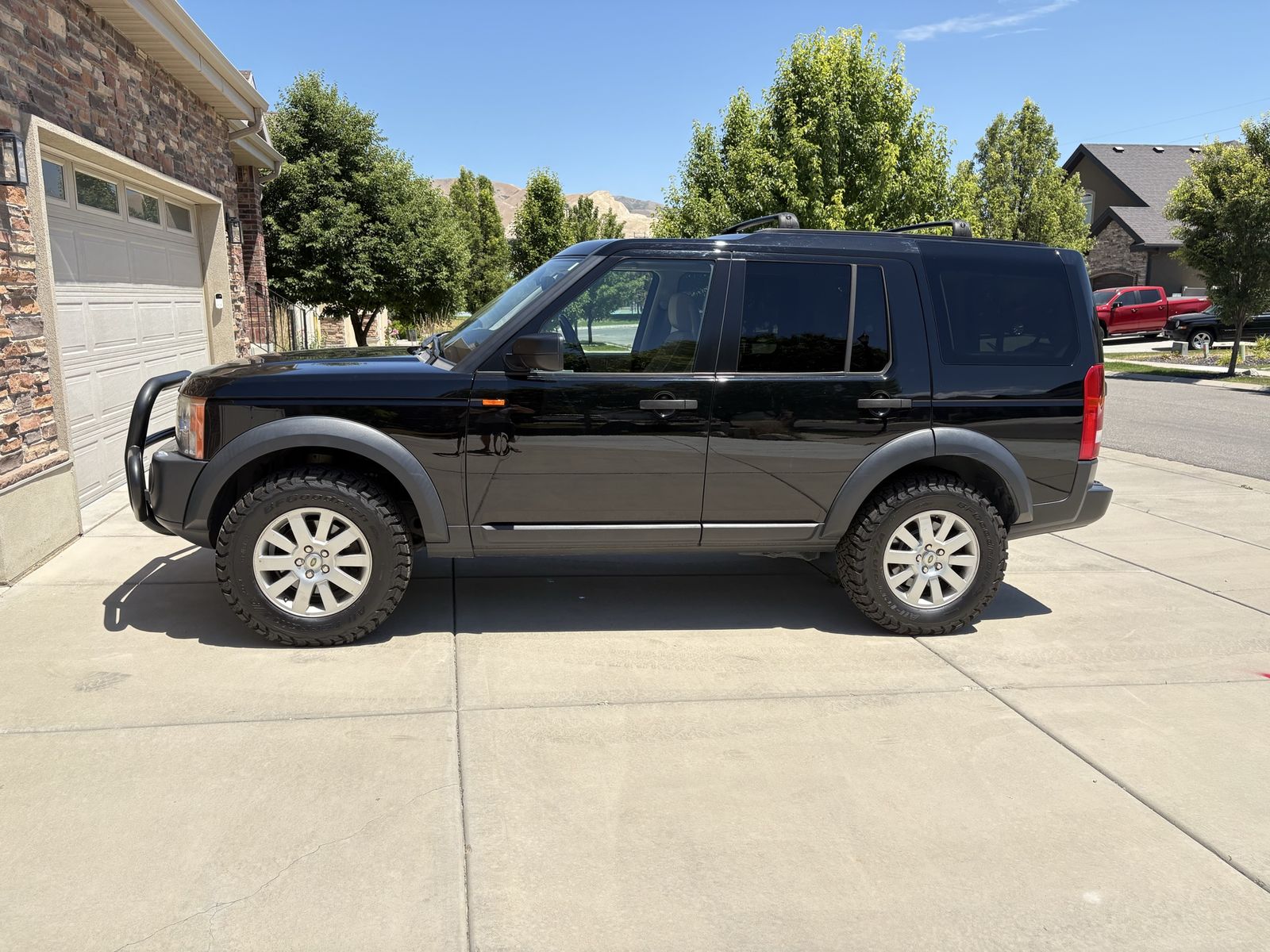
The 2006 Land Rover LR3 SE remains a distinctive choice for enthusiasts seeking a fusion of rugged, boxy aesthetics and advanced off-road technology. Positioned as a versatile luxury SUV, it balances traditional Land Rover utility with independent air suspension and sophisticated terrain-response systems, making it a compelling, albeit high-maintenance, option for drivers in 2026.
Understanding the 2006 Land Rover LR3 SE Heritage
The LR3, known in many global markets as the Discovery 3, represented a massive structural departure for the brand when it debuted for the 2005 model year. By 2006, the vehicle had firmly established its reputation as a "techno-adventure" machine. The SE trim level was the mid-range offering, slotting between the base model and the HSE.
For the 2006 model year, the LR3 SE featured the 4.4-liter AJ41 V8 engine, producing 300 horsepower and 315 lb-ft of torque. Unlike many of its contemporaries, the LR3 utilized an Integrated Body Frame (IBF) architecture. This engineering approach combined the stiffness of a traditional ladder frame with the monocoque structure of a passenger car, intended to provide high ground clearance while maintaining on-road composure.
Design Philosophy and Interior Practicality
The exterior design of the 2006 LR3 SE is iconic for its utilitarian "stadium seating" profile and asymmetric tailgate. The vertical lines serve a functional purpose, maximizing internal head clearance and cargo volume. Inside, the SE trim prioritizes modularity. The second and third-row seats are designed to fold completely flat into the floor, creating a cavernous loading area.
The ergonomics are quintessentially mid-2000s British automotive: functional, chunky, and dominated by hard-wearing materials intended to handle mud and abuse. However, buyers in 2026 should note that the infotainment systems and connectivity options are significantly dated. Integration with modern smartphones will likely require aftermarket head-unit replacements or Bluetooth adapters, as the factory Harmon Kardon system lacks native auxiliary inputs for modern mobile standards.
Technical Specifications and Capability
The core appeal of the 2006 LR3 SE is its proprietary Terrain Response System. This electronic management tool adjusts engine mapping, transmission shift points, and traction control sensitivity based on driver-selected modes: General, Grass/Gravel/Snow, Mud/Ruts, Sand, and Rock Crawl.
Mechanical and Performance Data
| Feature | Specification |
|---|---|
| Engine | 4.4L AJ41 V8 |
| Horsepower | 300 hp @ 5500 rpm |
| Torque | 315 lb-ft @ 4000 rpm |
| Transmission | 6-Speed ZF Automatic |
| Drivetrain | Permanent 4WD with Two-Speed Transfer Case |
| Suspension | Fully Independent Air Suspension |
| Max Towing Capacity | 7,716 lbs (3,500 kg) |
The air suspension system is perhaps the most significant component for long-term owners to monitor. It allows for varying ride heights, from "Access Mode" for easy entry to an "Extended" mode for clearing deep obstacles. In 2026, the age of these air struts and compressor pumps makes them a primary focus for pre-purchase inspections.
Operating Costs and Long-term Maintenance
Owning a 2006 Land Rover LR3 SE in 2026 requires a realistic perspective on operating costs. This is not a low-maintenance Japanese SUV; it is a complex British engineering project.
The AJ41 V8 engine is generally considered robust, but it is sensitive to cooling system failures. Plastic cooling components, such as the thermostat housing and coolant reservoir, become brittle over two decades. If the engine overheats, the aluminum block is prone to head gasket failure, which represents a catastrophic and expensive repair.
Furthermore, the electrical system is intricate. The LR3 is notorious for "bus errors" where disparate electronic modules fail to communicate correctly, often triggered by minor voltage fluctuations from an aging battery or oxidized wire harnesses. Potential owners should prioritize vehicles with documented service histories, specifically regarding the transmission fluid flushes and suspension compressor rebuilds.
Driving Dynamics: On-Road vs. Off-Road
On the pavement, the 2006 LR3 SE feels heavy and deliberate. The steering is weighted heavily, and there is noticeable body roll in tight corners, which is expected for a vehicle with a high center of gravity and nearly 6,000 pounds of curb weight. It is a capable highway cruiser, though fuel economy remains poor by modern standards, averaging roughly 14–16 mpg.
Off-road is where the vehicle justifies its design. The combination of the two-speed transfer case, electronic locking differentials (if equipped), and the sophisticated height-adjustable suspension allows the LR3 to traverse terrain that would stop most modern crossovers. The vehicle’s ability to articulate its wheels while maintaining chassis stability is a benchmark for the era.
Buying Guide: What to Look For in 2026
When evaluating a 2006 LR3 SE in the current market, your search intent should focus on the following verification steps:
- Air Suspension Health: Check if the vehicle settles overnight. A dropping corner indicates a leaking air spring, which is a common failure point after 15+ years.
- Cooling System Integrity: Ask for documentation confirming when the radiator, thermostat, and coolant crossover pipes were last replaced.
- Electronic Gremlins: Perform a full diagnostic scan using a tool capable of reading Land Rover-specific codes (e.g., GAP Diagnostic IID Tool). Many issues are "ghost codes" caused by low voltage.
- Rust Inspection: While the frame is well-protected, inspect the rear wheel arches and the subframe mounting points for corrosion, especially in regions that utilize road salt.
- Transmission Performance: Ensure the ZF 6-speed shifts smoothly without flaring or hesitation. Neglected fluid changes are the primary cause of premature transmission wear.
Frequently Asked Questions
Is the 2006 Land Rover LR3 SE a reliable daily driver in 2026? The LR3 can be a reliable daily driver only if you are prepared for higher-than-average maintenance costs. It is not recommended for owners who cannot perform basic DIY repairs or who lack a dedicated specialist mechanic. Reliability is conditional on preventative maintenance.
How does the 2006 LR3 SE compare to modern SUVs? The 2006 LR3 offers superior mechanical off-road capability and structural rigidity compared to most modern unibody crossovers. However, it lacks current safety tech, fuel efficiency, and seamless smartphone integration, making it feel significantly dated in cabin technology.
What is the most common failure on the 2006 LR3? The most common failures are related to the air suspension compressor and the plastic cooling system components. Additionally, the electronic parking brake module can seize if not used regularly, leading to expensive repairs.
Can I tow a trailer with the 2006 LR3 SE? Yes, the LR3 is an exceptionally capable tow vehicle. With a towing capacity of 7,716 lbs, it handles heavy trailers with stability. However, ensure the vehicle's air suspension is calibrated correctly to maintain a level trailer ride height under load.
Should I choose an LR3 over a contemporary Toyota Land Cruiser? The Toyota Land Cruiser (100 Series) of the same era is generally more reliable and has higher resale value. You would choose the LR3 if you prioritize its unique styling, advanced off-road traction software, and superior modular interior packaging.
Final Recommendation
The 2006 Land Rover LR3 SE is an enthusiast's vehicle. It rewards the owner with world-class off-road capability and a distinct aesthetic that holds its own in 2026. If you intend to purchase one, allocate at least 20-30% of your budget for immediate post-purchase mechanical restoration. Focus on fixing the cooling system and suspension components immediately to ensure longevity. If you value character and capability over low-cost commuting, the LR3 remains a highly rewarding ownership experience.