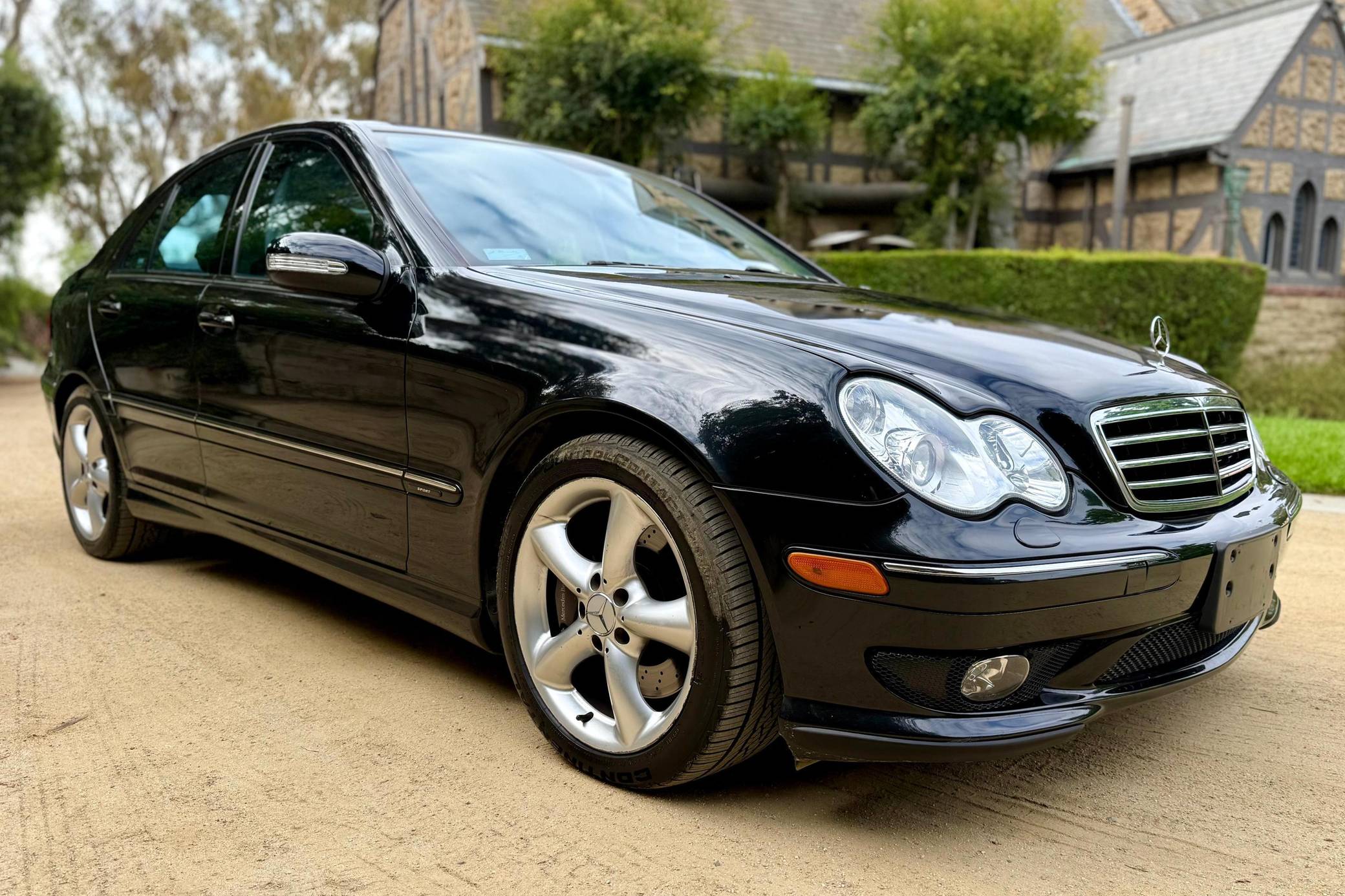
The 2005 Mercedes-Benz C230 Kompressor generally achieves average to above-average reliability for an entry-level luxury car of its era, provided it has received diligent maintenance. While its M271 supercharged four-cylinder engine and interior electronics are durable, prospective buyers and current owners must watch out for known issues such as timing chain wear, oil leaks from the camshaft adjuster magnets, and failing flex discs.
Navigating the market for an aging European luxury vehicle requires looking past the badge and examining the underlying mechanical infrastructure. Released during a fascinating period for the German automaker, the 2005 model year sits squarely in the middle of the W203 generation's lifecycle. A significant mid-cycle refresh in 2005 brought revised styling, an updated interior layout, and a heavily revised electrical architecture that effectively separated these later models from their notoriously troublesome 2001–2004 predecessors. Understanding the true reliability profile of the 2005 Mercedes-Benz C230 Kompressor requires an analytical look at its engine architecture, transmission durability, electronic systems, and routine maintenance requirements.
Evolution of the W203 Platform and the 2005 Refresh
The W203 C-Class debuted for the 2001 model year, offering a smaller, more accessible entry point into the Mercedes-Benz lineup. Early examples of this generation, particularly those built between 2001 and 2004, earned a somewhat checkered reputation for electrical glitches, premature rust, and interior material degradation. Recognizing these shortcomings, Mercedes-Benz implemented a sweeping mid-cycle facelift for the 2005 model year.
This refresh was not merely cosmetic. While the exterior received updated bumpers, a revised grille, and new light clusters, the most critical changes occurred beneath the skin. The CAN bus electrical architecture was streamlined and updated, resolving many of the erratic instrument cluster warnings and accessory drain issues that plagued earlier cars. Furthermore, the interior switchgear, instrument cluster design, and audio systems were modernized. For anyone evaluating 2005 Mercedes-Benz C230 Kompressor reliability, filtering out pre-2005 models is a crucial first step, as the 2005 and 2006 model years represent the most refined iterations of the W203 sedan and sport coupe.
The Heart of the Matter: The M271 Supercharged Engine
The defining mechanical feature of the C230 Kompressor is the M271 engine—a 1.8-liter, inline-four powerplant equipped with an Eaton Roots-type supercharger (hence "Kompressor," the German term for compressor or supercharger). Producing 189 horsepower and 192 lb-ft of torque, this engine was designed to offer the fuel efficiency of a four-cylinder engine combined with the low-end throttle response of a larger naturally aspirated V6.
| Component / System | Common Failure Point | Estimated Cost & Impact |
|---|---|---|
| Timing Chain & Gears | Premature wear on sprockets and chain stretch due to narrow chain design. | High ($1,500 - $3,000). Risk of engine destruction if neglected. |
| Camshaft Adjusters Magnet Seals | Oil leakage migrating into engine wiring harness. | Moderate ($400 - $800). Prevents ECU damage if caught early. |
| Supercharger Intercooler Pump | Coolant leaks or internal pump failure. | Moderate ($300 - $600). Causes reduced boost and sluggish performance. |
| Drive Belts & Pulleys | Idler pulley bearing seizure and serpentine belt wear. | Low to Moderate ($150 - $350). Routine preventive maintenance item. |
While the M271 is generally robust, it has a few well-documented mechanical vulnerabilities that dictate its long-term reliability.
The Timing Chain Dilemma
The most critical reliability concern on the M271 engine involves the timing chain system. Unlike heavy-duty timing chains found in older Mercedes engines, the M271 utilizes a single-row timing chain and softer metal timing gears on the camshafts. Over time, particularly if oil change intervals were neglected or inferior oil was used, the timing chain stretches, and the teeth on the camshaft sprockets wear down prematurely.
If left unaddressed, this can cause the engine to jump timing, resulting in catastrophic valve-to-piston contact and total engine failure. Owners are strongly advised to listen for any rattling noises upon cold startup. If a rattle persists for more than two seconds, immediate inspection or replacement of the timing chain, guides, and sprockets is mandatory. Preventive replacement is typically recommended around 100,000 to 120,000 miles.
Camshaft Adjuster Magnets and Oil Wicking
Another notorious M271 quirk involves the camshaft adjuster solenoids (often referred to as magnets). The internal seals on these magnets can degrade, allowing engine oil to leak past the connector pins. Due to capillary action, this oil travels through the engine wiring harness and can eventually contaminate the Engine Control Unit (ECU), causing erratic sensor readings, misfires, and expensive electronic repairs. Installing inexpensive, sacrificial "pigtail" jumper wires between the magnets and the main harness acts as an effective firewall, catching migrating oil before it reaches critical components.
Supercharger and Supporting Hardware
The Eaton supercharger itself is remarkably durable and rarely suffers internal mechanical failure. However, the auxiliary systems supporting forced induction require attention. The intercooler coolant pump can fail, leading to elevated intake air temperatures and subsequent power reduction by the ECU. Additionally, the serpentine belt, tensioner pulley, and idler pulleys should be inspected regularly, as a seized pulley can shred the belt and leave the vehicle stranded without water pump or alternator function.
Transmission and Drivetrain Durability
The 2005 C230 Kompressor was paired with either a 6-speed manual transmission or a 5-speed automatic transmission (designated the 722.6).
The 5-speed automatic gearbox is widely regarded as one of the most bulletproof transmissions Mercedes-Benz ever built. Capable of handling high torque loads, this unit easily outlasts the engine if maintained properly. The primary point of failure for the 722.6 transmission is not mechanical internal wear, but rather the electrical conductor plate located inside the transmission pan, as well as the pilot bushing (connector sleeve) which is prone to leaking transmission fluid. Fluid and filter changes every 40,000 miles are critical to ensuring the longevity of this unit.
The manual transmission is similarly durable, though clutch life varies heavily based on driver habits. The rear differential and drive axle shafts are exceptionally tough, though the rubber flex discs (guibo joints) at either end of the driveshaft degrade over time, resulting in driveline vibrations or clunking noises during shifting.
Suspension, Steering, and Chassis Integrity
The W203 chassis utilizes a traditional front MacPherson strut setup combined with a multi-link rear suspension. This design provides exceptional highway stability and responsive handling, but it places significant stress on rubber bushings and ball joints.
By this stage in the vehicle's lifespan, front control arm bushings, ball joints, and tie rod ends are frequently worn. Symptoms of suspension fatigue include vague steering feel, wandering on the highway, and clunking noises over sharp bumps. Replacing these components restores the vehicle's characteristic ride quality. Furthermore, the front strut mounts and shock absorbers commonly wear out around 100,000 miles, manifesting as a floating sensation or excessive body roll in corners.
Braking performance is managed by robust four-wheel ventilated disc brakes. The factory setup offers strong initial bite and fade resistance, but routine pad and rotor replacements are standard operating expenses for European luxury sedans.
Electrical Systems and Interior Build Quality
As noted earlier, the 2005 model year benefited from significant electrical stabilization. However, as these cars age, electrical gremlins can still emerge.
Common minor issues include the failure of individual seat adjustment modules, blown fuses for accessory outlets, and pixel degradation on the instrument cluster multi-function display. The climate control system utilizes a series of small step-down stepper motors to direct airflow; when these plastic arms break (a common W203 ailment), clicking noises emanate from behind the dashboard, and airflow direction becomes restricted. Replacing these motors requires extensive dashboard disassembly, making it a labor-intensive repair.
Interior materials on the 2005 refresh saw improvements over early W203 models, but soft-touch plastics on center console buttons and door handles can still scratch or peel with heavy use. Leatherette (Artico) or genuine leather upholstery holds up reasonably well if conditioned regularly, though driver's side bolster wear is common on high-mileage examples.
Maintenance Costs and DIY Viability
Owning an aging Mercedes-Benz requires a realistic financial strategy. While a 2005 C230 Kompressor can often be purchased on the used market for a modest sum, maintenance and repair costs are commensurate with its original MSRP, not its current depreciation value.
Taking the vehicle exclusively to authorized Mercedes-Benz dealerships for routine service will quickly become cost-prohibitive. However, the C230 Kompressor is a relatively straightforward vehicle for home mechanics with moderate experience and a quality metric toolset. Access to the engine bay is uncrowded compared to modern turbocharged six-cylinder or V8 platforms, making routine fluid changes, spark plug replacements, and belt services accessible DIY projects.
| Maintenance Item | Recommended Interval | Approximate Cost (Independent Shop) |
|---|---|---|
| Engine Oil & Filter | 5,000 - 7,500 Miles | $90 - $150 |
| Transmission Service | 40,000 Miles | $300 - $500 |
| Spark Plugs | 60,000 Miles | $100 - $200 |
| Timing Chain Kit | 100,000 Miles | $1,500 - $3,000 |
| Front Suspension Refresh | As Needed (100k+) | $800 - $1,500 |
Frequently Asked Questions
Is the 2005 Mercedes-Benz C230 Kompressor a reliable daily driver?
Yes, provided it has a documented service history and has had its known preventative maintenance addressed. The post-facelift 2005 model is much more reliable than 2001–2004 versions, making it a comfortable and efficient commuter car when properly maintained.
How many miles can a 2005 C230 Kompressor last?
With diligent maintenance, regular fluid changes, and timely replacement of wear items like the timing chain and suspension components, the M271 engine and W203 chassis routinely cross the 200,000-mile threshold without major internal failure.
What are the absolute deal-breakers to look out for when buying one?
Buyers should walk away from vehicles exhibiting a prolonged cold-start timing chain rattle, active coolant leaks, severe oil contamination in the wiring harness from camshaft adjuster magnets, or extensive rust on the subframe and structural body panels.
Is premium fuel required for the C230 Kompressor?
Yes. The supercharged M271 engine is engineered to run exclusively on premium unleaded gasoline (91 octane or higher). Using lower octane fuel triggers knock sensors, retards ignition timing, reduces fuel economy, and can cause long-term engine damage.
How difficult is it to maintain this car as a DIY project?
Basic maintenance items such as oil changes, brake pads, spark plugs, and filters are straightforward and accessible for DIY enthusiasts. Complex electronic diagnostics require an OBD-II scanner capable of reading Mercedes-specific chassis (MBII) codes rather than generic powertrain codes.
Final Recommendations for Prospective Buyers
Evaluating a 2005 Mercedes-Benz C230 Kompressor requires looking past superficial cleanliness and focusing entirely on mechanical provenance. Prioritize vehicles accompanied by comprehensive service records demonstrating regular oil changes with high-grade synthetic oil. Before finalizing any purchase, have a pre-purchase inspection (PPI) performed by an independent European specialist who can specifically inspect the timing chain stretch, check for oil in the wiring harness, and evaluate suspension health. When vetted and maintained correctly, this model delivers an engaging driving dynamic, solid highway comfort, and dependable daily transportation.