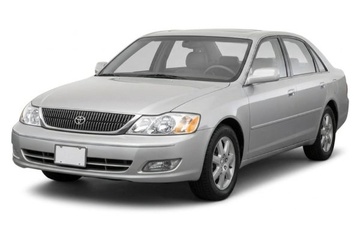
The 2003 Toyota Avalon in the United States features a 3.0-liter dual overhead cam (DOHC) V6 engine that produces 210 horsepower at 5,800 revolutions per minute (RPM) and 220 pound-feet of torque at 4,400 RPM. This naturally aspirated powertrain was paired exclusively with a four-speed electronically controlled automatic transmission across all trim levels offered to American buyers.
Introduction to the 2003 Toyota Avalon Powertrain
Evaluating the horsepower and overall performance profile of the 2003 Toyota Avalon requires examining the mechanical foundation of Toyota's flagship sedan from that era. Positioned above the Camry in the American lineup, the Avalon was engineered primarily for comfort, reliability, and smooth highway cruising. For the 2003 model year, Toyota Motor Sales, U.S.A., Inc. maintained a streamlined mechanical offering, utilizing a single engine option across both trim levels available to consumers.
Understanding the output of this V6 engine involves looking at more than just the peak horsepower figure. Torque delivery, transmission gearing, vehicle weight, and emission controls all shape how the 210 horsepower translates to everyday driving dynamics on American roads. This article provides a comprehensive breakdown of the 2003 Toyota Avalon's horsepower ratings, engine architecture, performance capabilities, trim comparisons, and long-term maintenance considerations for prospective owners, automotive enthusiasts, and researchers.
Detailed Engine Specifications and Architecture
At the heart of the 2003 Toyota Avalon is the 1MZ-FE engine, a 3.0-liter (2,995 cc) 6-cylinder powerplant belonging to Toyota's AZ and MZ engine families. The engine block is constructed from lightweight aluminum alloy with cast-iron cylinder liners, reducing front-end weight compared to older cast-iron block designs while maintaining structural rigidity.
The valvetrain utilizes four valves per cylinder—totaling 24 valves—driven by dual overhead camshafts per bank, actuated via a combination of a toothed timing belt and a secondary scissor gear. The engine incorporates Toyota's VVT-i (Variable Valve Timing with intelligence) technology on the intake camshafts. VVT-i continuously adjusts the intake valve timing to optimize engine performance, fuel efficiency, and exhaust emissions across a broad spectrum of operating speeds.
| Specification Feature | Technical Measurement / Detail |
|---|---|
| Engine Code | 1MZ-FE (3.0L V6) |
| Horsepower (SAE Net) | 210 hp @ 5,800 RPM |
| Torque | 220 lb-ft @ 4,400 RPM |
| Bore x Stroke | 87.5 mm x 83.0 mm (3.44 in x 3.27 in) |
| Compression Ratio | 10.5:1 |
| Fuel Induction | Multi-port Electronic Fuel Injection (EFI) |
| Valvetrain | DOHC, 24-valve with VVT-i |
| Recommended Fuel | Regular Unleaded (87 Octane) |
The compression ratio of 10.5:1 allows the engine to extract significant energy from regular 87-octane unleaded gasoline without requiring premium fuel. Fuel delivery is handled by a sequential multi-port electronic fuel injection system monitored by an Engine Control Module (ECM) that constantly adjusts air-fuel ratios based on input from mass airflow sensors, oxygen sensors, and knock sensors.
Horsepower and Torque Delivery Characteristics
The 201 horsepower rating—often rounded or specified as 210 hp by manufacturers under SAE net guidelines of the era—is achieved at a relatively high 5,800 RPM. However, the defining characteristic of the 1MZ-FE engine in the Avalon is its low-end and mid-range torque curve.
Producing 220 lb-ft of torque at 4,400 RPM means the engine delivers ample pulling power well before reaching its redline. A significant portion of this torque is available from off-the-line idle speeds, allowing the large sedan to accelerate smoothly from a dead stop without feeling strained. When passing at highway speeds, the variable valve timing helps broaden the power band, providing a predictable surge of power when the transmission downshifts.
Transmission Pairing and Drivetrain Dynamics
In the US market, the 2003 Avalon routed its power exclusively through a U140E four-speed electronically controlled automatic transmission (ECT). This transaxle features an intelligent shift program that adapts to driving styles and road conditions, reducing gear hunting on inclines.
While modern vehicles frequently utilize five, six, or eight-speed transmissions, the four-speed unit in the 2003 Avalon was praised in period reviews for its smoothness. Gear ratios were selected to keep engine RPM low during cruising, minimizing cabin noise and fuel consumption. Power is delivered exclusively to the front wheels (FWD), aligning with the platform's layout derived from the Toyota Camry K-platform.
Trim Levels and Equipment Impact on Performance
Toyota offered the 2003 Avalon in two primary trim levels for the US market: the base XL and the luxury-oriented XLS. Because both trims shared the identical 3.0-liter V6 engine and four-speed automatic transmission, the baseline mechanical horsepower remained identical across the lineup.
| Trim Level | Standard Horsepower | Curb Weight (Approximate) | Notable Performance-Related Features |
|---|---|---|---|
| Avalon XL | 210 hp @ 5,800 RPM | ~3,435 lbs | 15-inch alloy wheels, standard suspension, four-wheel disc brakes |
| Avalon XLS | 210 hp / 220 lb-ft | ~3,490 lbs | 16-inch alloy wheels, firmer steering calibration, optional traction control |
Minor weight differences exist between the XL and XLS due to standard equipment packages. The XLS includes additional amenities such as automatic climate control, a premium audio system, wood-grain interior accents, and 16-inch alloy wheels wrapped in slightly wider tires (205/60R16 compared to the XL's 205/65R15). These additions add roughly 55 pounds to the curb weight, a nominal difference that has a negligible impact on real-world acceleration and power-to-weight ratios.
Real-World Performance and Fuel Economy
Testing conducted by automotive publications when the vehicle was new demonstrated that the 2003 Toyota Avalon could accelerate from 0 to 60 miles per hour in approximately 7.5 to 7.8 seconds. While not marketed as a sports sedan, this acceleration time placed the Avalon competitively among other large front-wheel-drive sedans of the early 2000s, such as the Nissan Maxima, Chrysler Concorde, and Chevrolet Impala.
Fuel economy ratings established by the United States Environmental Protection Agency (EPA) under testing protocols of the era rated the 2003 Avalon at approximately:
- City: 19 to 20 miles per gallon (mpg)
- Highway: 27 to 29 miles per gallon (mpg)
- Combined: 22 to 23 miles per gallon (mpg)
Achieving these figures relies heavily on proper maintenance of core engine components, including clean fuel injectors, unblocked air filters, and functioning oxygen sensors.
Maintenance and Factors Affecting Horsepower Over Time
As vehicles from the early 2000s age, maintaining factory horsepower levels requires attention to specific mechanical maintenance items. Over hundreds of thousands of miles, several factors can diminish engine output:
- Timing Belt Replacement: The 1MZ-FE engine uses an interference design timing belt that must be replaced every 90,000 miles or nine years. A slipped tooth on a worn belt can disrupt valve timing and drastically reduce power.
- Carbon Buildup: Port-injection engines accumulate less intake valve carbon than direct-injection units, but throttle bodies and idle air control valves can still collect varnish, affecting throttle response.
- Ignition System Health: Worn spark plugs or failing ignition coils can cause minor misfires that rob the engine of its peak horsepower potential.
- Exhaust Restrictions: A clogged catalytic converter or restricted exhaust piping will increase backpressure, choking top-end power output at higher RPMs.
Frequently Asked Questions
What engine is in the 2003 Toyota Avalon?
The 2003 Toyota Avalon is powered by a 3.0-liter 1MZ-FE V6 engine. It features dual overhead cams, 24 valves, and Toyota's VVT-i system, generating 210 horsepower and 220 lb-ft of torque.
Does the 2003 Toyota Avalon require premium gas?
No, the engine is designed to run efficiently on standard 87-octane regular unleaded gasoline. Using premium fuel does not increase horsepower or improve fuel economy in this vehicle.
Is the 2003 Toyota Avalon engine an interference design?
Yes, the 3.0-liter V6 in the 2003 Avalon is an interference engine. If the timing belt breaks while the engine is running, the valves can strike the pistons, causing severe internal engine damage. Routine replacement of the timing belt is mandatory.
What is the top speed of a 2003 Toyota Avalon?
The top speed of the 2003 Toyota Avalon is electronically limited or aerodynamically capped at approximately 130 miles per hour, though the vehicle is geared and tuned primarily for stable, quiet highway cruising rather than high-speed track performance.
How does the 2003 Avalon horsepower compare to the Camry of the same year?
While the 2003 Toyota Camry also offered a 3.0-liter V6 engine with similar power ratings (210 horsepower), the Avalon was tuned specifically for a softer, more isolated ride quality and featured a more spacious interior cabin built on an extended wheelbase.
Conclusion and Recommendations
The 2003 Toyota Avalon delivers a balanced blend of refinement and reliable performance anchored by its 210-horsepower 3.0-liter V6 engine. For current owners or prospective buyers evaluating this vehicle in the US market, prioritizing mechanical inspections—particularly verifying the service history of the timing belt, transmission fluid, and suspension components—ensures the vehicle operates as intended. Regular maintenance of the ignition and fuel systems will preserve the smooth power delivery and longevity that made this generation of the Avalon a benchmark for durability.