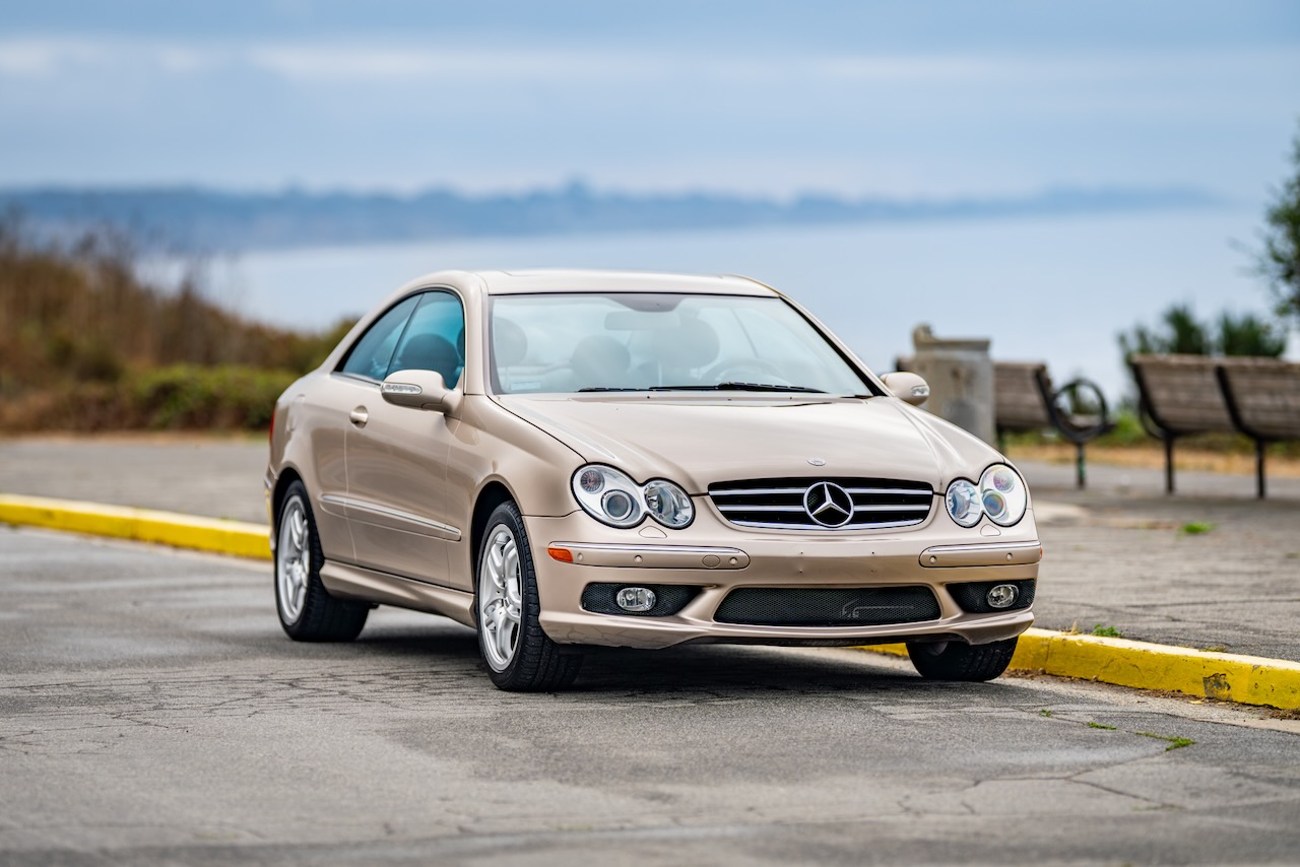
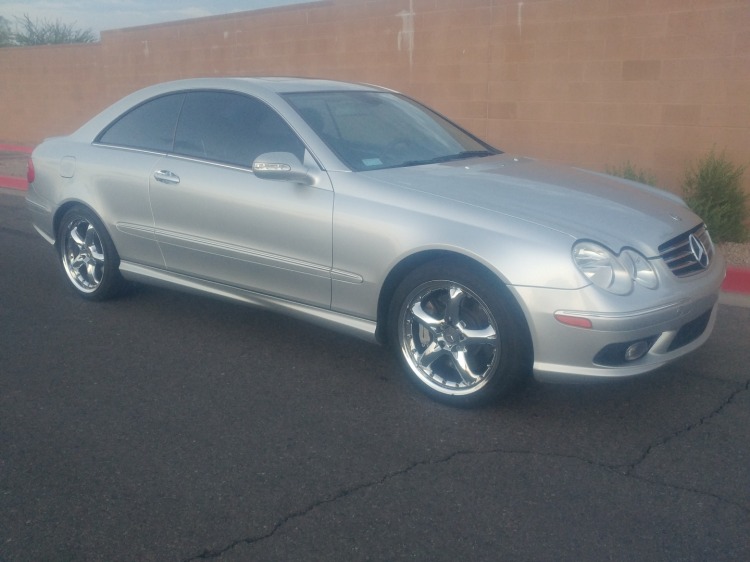
The 2003 Mercedes-Benz CLK 55 AMG represents a compelling era of hand-built V8 performance, combining timeless W208-derived styling cues with the robust reliability of the M113 engine and 5-speed automatic transmission. Owning this modern classic requires balancing exhilarating acceleration and grand touring comfort against the realities of aging rubber components, electronic module quirks, and specialized brake and suspension maintenance.
Introduction to the W209 Generation and the CLK 55 AMG Identity
The year 2003 marked a pivotal transition for Mercedes-Benz's mid-size luxury coupe segment. Having established the pillarless coupe blueprint with the W208 generation, Mercedes-Benz introduced the second-generation CLK (W209) for the 2003 model year in North America. Sitting proudly at the apex of this lineup was the CLK 55 AMG, an executive hot-rod engineered by the burgeoning performance division in Affalterbach.
Unlike the high-revving, complex naturally aspirated engines that would follow in later decades, or the turbocharged powerplants of the modern era, the 2003 CLK 55 AMG relies on displacement and torque. It features the legendary M113 5.4-liter naturally aspirated V8 engine paired with the bulletproof 722.6 five-speed automatic transmission. For enthusiasts seeking a usable, rear-wheel-drive grand tourer with everyday practicality and a menacing exhaust note, this machine offers an increasingly rare analog driving experience. However, stepping into AMG ownership over two decades after production requires a clear-eyed evaluation of what it takes to keep these German muscle cars running at their peak.
Powertrain Dynamics: The M113 V8 and 722.6 Transmission
At the heart of the 2003 CLK 55 AMG lies a mechanical pairing widely regarded as one of the most durable combinations ever produced by Mercedes-Benz. The M113.981 engine produces 362 horsepower and 376 lb-ft of torque. Because this power is delivered in a linear wave from low down in the rev range, the car feels effortlessly fast without demanding high engine speeds.
| Component | Specification & Characteristics |
|---|---|
| Engine Type | 5.4L Naturally Aspirated SOHC 24-Valve V8 (M113) |
| Horsepower | 362 hp @ 5,750 rpm |
| Torque | 376 lb-ft @ 3,000–4,000 rpm |
| Transmission | 5-Speed Automatic (722.6 / NAG1) with TouchShift |
| 0–60 mph Acceleration | Approximately 4.9 to 5.2 seconds |
| Curb Weight | ~3,600 lbs (1,633 kg) |
Maintenance of the M113 is refreshingly straightforward compared to its AMG successors. It utilizes a traditional belt-driven setup, dual-spark ignition (16 spark plugs total, which doubles tune-up costs), and a robust timing chain system. Owners must remain vigilant about minor oil leaks from the valve cover gaskets and the crankshaft position sensor, but catastrophic engine failures are exceptionally rare if oil changes are performed regularly.
Backing the V8 is the 722.6 five-speed automatic transmission. Known among mechanics as the NAG1, this unit handles high torque loads effortlessly. While Mercedes-Benz originally marketed these transmissions as "filled for life," real-world ownership experience dictates that fluid and filter changes every 40,000 miles are mandatory for smooth, long-term operation.
Chassis, Suspension, and Braking Performance
The CLK 55 AMG strikes a fine balance between a comfortable highway cruiser and a stable autobahn burner. It utilizes a front three-link suspension and a multi-link independent rear setup, augmented by AMG-specific stiffer springs, firmer damper valving, and thicker anti-roll bars.
However, suspension components are heavy-wear items on a vehicle of this mass. Control arm bushings, ball joints, and strut mounts frequently require replacement around the 100,000-mile mark. Worn rubber bushings manifest as vague steering response, wandering on the highway, or clunking noises over sharp bumps. Upgrading to OEM Lemförder or original equipment supplier parts ensures the factory chassis dynamics are restored.
Stopping power is provided by larger AMG-branded braking systems, featuring ventilated and perforated discs gripped by multi-piston calipers. While stopping performance is immense, replacement parts carry a significant premium. Owners must budget for high-performance brake pads and rotors that cost substantially more than standard CLK 320 or CLK 500 components. Furthermore, checking for uneven pad wear and ensuring sliding calipers remain free of brake dust accumulation is a routine task during seasonal tire rotations.
Interior Ergonomics and Cabin Electronics
Steering the 2003 CLK 55 AMG reveals an interior styled in the classic early-2000s Mercedes aesthetic, featuring burr walnut wood trim, analog gauges, and supportive multi-contour leather seats. The W209 interior represented a major quality step up from the preceding W208, offering tighter panel gaps and improved material durability.
Yet, cabin electronics are a frequent source of ownership frustration. The era utilized complex fiber-optic MOST or D2B audio loops, making aftermarket head unit upgrades notoriously difficult without bypassing the factory amplifier and speakers entirely. Owners often encounter failing pixel displays in the instrument cluster or climate control unit, a common aging defect where ribbons lose their electrical contact over time.
Additionally, the power-adjustable steering column and seat memory modules can occasionally drain the battery if a relay sticks or a switch fails. Inspecting all interior electronics during a pre-purchase inspection or routine service interval prevents unexpected electrical gremlins from interrupting the driving experience.
Common Weak Points and Preventive Maintenance
Every performance car has specific trouble spots. Being aware of these failure points allows owners to budget proactively and address issues before they cause roadside breakdowns.
- Harmonic Balancer (Crankshaft Pulley): Early M113 engines used a harmonic balancer with a rubber dampening ring that can degrade and separate. A wobbling pulley can shred serpentine belts and damage the timing cover. Verify if the recall or replacement has been performed.
- Valve Cover Gaskets and Breather Hoses: Rubber seals harden over time, leading to oil seeping into the spark plug wells. This causes misfires and rough idling. Replacing the gaskets and clearing the breather covers is a straightforward afternoon project.
- EIS (Electronic Ignition Switch) and Key Fob Issues: The DAS3 drive authorization system relies on a transponder key communicating with the EIS. If the key fails to turn or the steering lock (ELV) jams, the car becomes completely immobilized, requiring professional coding or module replacement.
- Window Regulators and Door Modules: Power windows on the W209 can bind or snap their cable guides if window seals dry out. Lubricating tracks and replacing weak motors prevents sudden window failure during inclement weather.
Cost of Ownership, Fuel Economy, and Insurance Considerations
Operating a high-performance luxury coupe from 2003 demands financial realism. While initial purchase prices for clean examples have stabilized or begun appreciating as modern classics, running costs reflect an original MSRP well north of $55,000.
Fuel economy is modest. Expect around 15 mpg in city driving and roughly 22 mpg on highway runs when cruising at sustained legal speeds. Premium unleaded fuel is mandatory. Insurance costs are typically reasonable because safety ratings are solid and the demographic profile leans toward older, more mature drivers, though comprehensive coverage rates vary based on location and driving history.
For those willing to perform minor DIY tasks—such as fluid changes, spark plug swaps (all 16 of them), and minor trim repairs—ownership costs drop dramatically. Entrusting every minor task to a specialized Mercedes-Benz independent mechanic or dealership will quickly escalate maintenance budgets.
Frequently Asked Questions
Is the 2003 CLK 55 AMG reliable as a daily driver?
Yes, provided it has a documented service history. The M113 V8 and 722.6 transmission are exceptionally durable. However, because the car is over two decades old, ancillary items like alternators, cooling system hoses, and suspension bushings will need regular attention, meaning unexpected maintenance can occasionally disrupt daily transit.
How many spark plugs does the 2003 CLK 55 AMG have?
The engine uses a dual-ignition design with two spark plugs per cylinder, totaling 16 spark plugs. Neglecting this during a tune-up can reduce engine efficiency, so factor the cost of an extra set of plugs into your routine maintenance budget.
Are parts expensive for the W209 CLK 55 AMG?
Routine service parts like filters, brake pads, and oil are reasonably priced. However, AMG-specific components—such as unique body styling pieces, exhaust sections, and front suspension arms—carry a noticeable premium over standard non-AMG Mercedes models.
Does the 2003 CLK 55 AMG feature a limited-slip differential (LSD)?
Surprisingly, factory models did not come with a mechanical limited-slip differential; Mercedes relied entirely on the electronic traction control system (ESP) to manage wheel spin. Many enthusiasts choose to retrofit an aftermarket LSD, such as a Quaife unit, to improve rear-end traction and handling predictability.
What should I look for when buying a used CLK 55 AMG?
Prioritize examples with comprehensive service records, minimal rust on the subframe or wheel arches, healthy transmission shifting without hesitation or slippage, and completely dry engine bays free of major oil leaks. A professional pre-purchase inspection by an independent Mercedes specialist is essential.
Final Recommendation and Next Action
If you are hunting for a tactile, naturally aspirated V8 coupe with executive styling and bulletproof core mechanics, the 2003 CLK 55 AMG delivers tremendous driving satisfaction. Your best immediate action is to locate a dedicated Mercedes-Benz enthusiast forum or local independent specialist to establish a support network before purchasing. Inspect prospective cars thoroughly for service gaps, prioritize documented preventive maintenance over low mileage alone, and enjoy one of the finest sleeper performance coupes of the early 2000s.