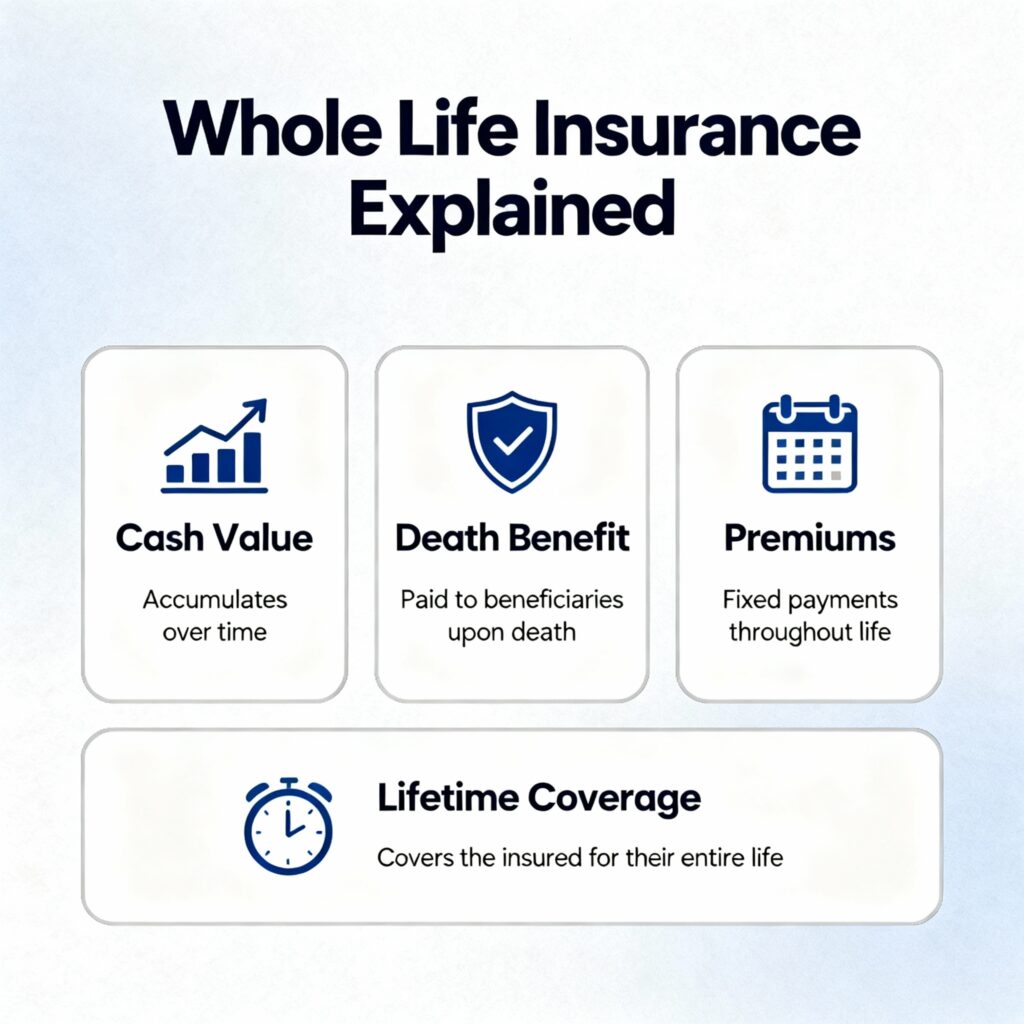
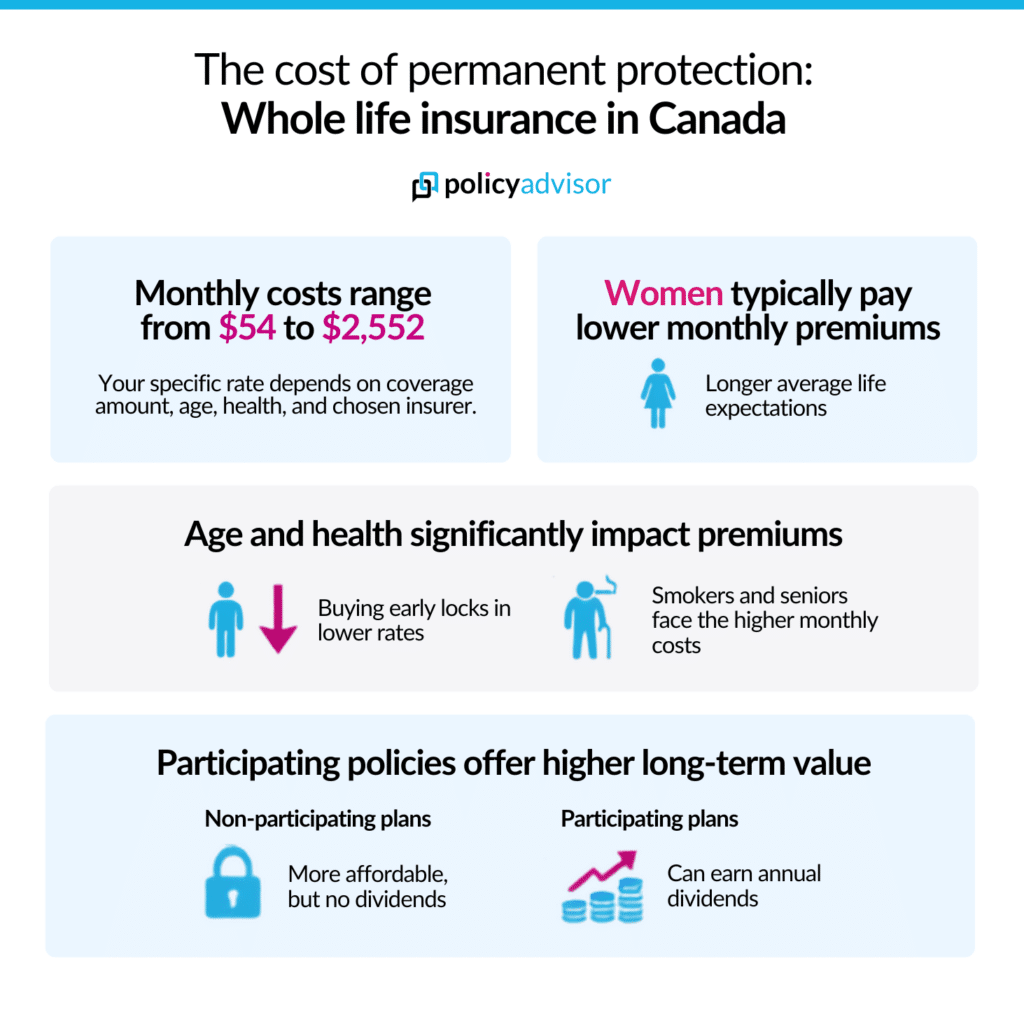
20 year paid up whole life insurance, often referred to as "20-pay whole life," is a permanent life insurance policy where premiums are compressed into a 20-year period. Once these payments are completed, the policy is "paid up," meaning no further premiums are required to maintain the full death benefit and cash value growth for the remainder of the insured's life.
What is 20-Pay Whole Life Insurance?
At its core, a 20-year paid-up whole life policy is a form of limited-pay life insurance. While traditional whole life insurance typically requires premium payments until age 100 or 121, a limited-pay structure allows the policyholder to fulfill their financial obligation to the insurer within a specific, shortened window.
In 2026, these policies remain a staple for individuals seeking to eliminate recurring bills before retirement or for parents establishing a financial foundation for their children. Because the insurance company must collect the necessary capital to cover the insured for life within just two decades, the annual or monthly premiums are significantly higher than those of a standard "straight life" policy. However, this front-loading of capital serves a dual purpose: it guarantees the policy will never lapse due to non-payment after year 20, and it accelerates the accumulation of guaranteed cash value.
The Mechanism of "Paid-Up" Status
When a policy reaches its "paid-up" anniversary, the contract remains in force. The death benefit—the amount paid to beneficiaries—stays active. Furthermore, the cash value continues to grow through guaranteed interest and, if the policy is "participating," through annual dividends. The primary distinction is that the policyholder’s out-of-pocket cost drops to zero, while the policy's internal value continues to compound.
The Financial Mechanics: Cash Value and Dividends
One of the most compelling reasons investors choose 20-pay whole life over traditional variants is the speed of equity build-up. In a standard whole life policy, much of the early premium goes toward the cost of insurance and administrative fees. In a 20-pay policy, the higher premium amounts exceed the immediate cost of insurance more significantly, forcing more capital into the cash value account from the outset.
Accelerated Cash Value Accumulation
By 2026, the efficiency of cash value growth has become a primary focus for those practicing "infinite banking" or "cash-flow banking" strategies. Because the policy is fully funded in 20 years, the cash value often reaches a "break-even" point—where the cash value equals the total premiums paid—much earlier than in a straight life policy. This liquidity can be accessed via policy loans or partial withdrawals to fund business ventures, real estate, or education, all while the underlying death benefit remains largely intact.
The Role of Dividends
If you purchase a policy from a mutual insurance company, you are technically a partial owner of the company and may receive dividends. Dividends are not guaranteed, but many top-tier mutual carriers have paid them every year for over a century. In a 20-pay policy, these dividends can be used to:
- Purchase Paid-Up Additions (PUAs): This is the most common choice, where dividends buy more "miniature" paid-up insurance, increasing both the total death benefit and the total cash value.
- Accumulate Interest: Leave the dividends with the insurer to earn a set interest rate.
- Reduce Premiums: Lower the out-of-pocket cost during the initial 20-year payment period.
- Cash Payment: Receive a check annually.
Even after the 20-year premium period ends, the policy continues to earn dividends on the now-substantial cash value, often leading to significant growth in the later years of the contract.
Tax Considerations and the MEC Rule
While the benefits of 20-pay life insurance are substantial, there is a technical hurdle that requires careful navigation: the Modified Endowment Contract (MEC) rules established by the IRS under Internal Revenue Code Section 7702A.
Because 20-pay policies involve higher premium payments over a shorter time, they run the risk of failing the "7-pay test." The 7-pay test limits the amount of money you can put into a life insurance policy during its first seven years relative to the death benefit. If you exceed these limits, the IRS reclassifies the policy as a MEC.
Consequences of MEC Status
If a policy becomes a MEC, it loses many of its tax advantages:
- Withdrawals and Loans: These are taxed on a "gain-first" basis (LIFO—Last In, First Out) rather than a "basis-first" basis (FIFO).
- Penalties: If the policyholder is under age 59½, a 10% IRS penalty may apply to the taxable portion of any withdrawal or loan.
- Death Benefit: Fortunately, even if a policy is a MEC, the death benefit generally remains tax-free to beneficiaries.
Professional agents in 2026 use sophisticated modeling software to ensure that the 20-year premium schedule is structured specifically to avoid MEC status, preserving the tax-free loan capabilities that make whole life an attractive asset class.
Comparing 20-Pay to Ordinary Whole Life
Deciding between a 20-pay policy and an ordinary (to age 100) policy requires a look at both the short-term cash flow and the long-term internal rate of return (IRR).
| Feature | 20-Year Paid-Up Whole Life | Ordinary Whole Life (to Age 100) |
|---|---|---|
| Premium Duration | Exactly 20 years | Until death or age 100/121 |
| Relative Premium Cost | High (Front-loaded) | Low (Distributed over time) |
| Cash Value Growth | Rapid accumulation in years 1-20 | Slower, steady accumulation |
| MEC Risk | Moderate to High (Requires monitoring) | Low |
| Total Cost of Ownership | Lower (Less total premium paid) | Higher (More total premium paid) |
| Best For | Pre-retirement funding, children’s policies | Basic permanent protection at lower cost |
As the table illustrates, the 20-pay policy is objectively more expensive on a monthly basis. However, because payments stop after two decades, the total "capital outlay" over the life of the policyholder is often significantly lower than that of a standard policy where premiums might be paid for 50 or 60 years.
Strategic Use Cases for 20-Pay Policies
Who should consider a 20-year paid-up policy in 2026? This product serves specific demographic and financial needs that term insurance or standard whole life cannot address as efficiently.
1. The "Head Start" for Children
Many grandparents and parents purchase 20-pay policies for minors. If a policy is started when a child is five years old, it is fully paid up by the time they are 25. The child then owns a permanent asset with a growing death benefit and accessible cash value that requires no further funding. This provides a "financial safety net" that can be used for a down payment on a home or as a source of emergency funds.
2. Retirement Planning and "Bill Elimination"
For professionals in their 40s, a 20-pay policy aligns perfectly with retirement goals. The objective is to ensure that by the time they stop receiving a regular paycheck at age 60 or 65, they have eliminated all recurring liabilities. By choosing a 20-pay structure, the individual secures permanent life insurance that becomes a "non-expense" during their retirement years.
3. Estate Planning and Liquidity
High-net-worth individuals use limited-pay policies to ensure that funds are available to cover estate taxes or to provide an inheritance. The 20-pay structure allows them to "silo" a specific amount of capital into the policy during their peak earning years, ensuring the legacy is fully funded without needing to manage premium payments in their 80s or 90s.
Potential Drawbacks and Risks
While 20-pay whole life is a robust financial tool, it is not without its limitations. Prospective buyers must weigh the following:
- Opportunity Cost: The high premiums required for a 20-pay policy mean that less money is available for other investments, such as the stock market or real estate. If the market outperforms the internal growth of the insurance policy (which usually targets 4-6% long-term), the policyholder may experience a lower overall net worth.
- Inflexibility: Unlike Universal Life insurance, whole life premiums are generally fixed. If your income drops significantly during the 20-year period, you cannot easily lower your premium without risking a policy lapse or needing to change the contract structure.
- Inflation Risk: While the death benefit grows if dividends are reinvested, the "real value" of the guaranteed portion of the death benefit may be eroded by high inflation over several decades.
How to Evaluate a 20-Pay Illustration
When reviewing a 20-pay whole life quote, you will receive an "illustration"—a multi-page document showing projected values. In 2026, it is vital to distinguish between Guaranteed and Non-Guaranteed values.
- The Guaranteed Column: This shows the absolute minimum the policy will be worth. Even if the insurance company’s investments perform poorly, they must fulfill these values.
- The Dividend Scale: Most illustrations use the current dividend scale. It is important to ask for a "reduced dividend" illustration to see how the policy performs if interest rates or company profits decline.
- The Surrender Value: This is the amount of cash you can actually walk away with. In a 20-pay policy, the surrender value in years 1-5 is often much lower than the premiums paid, as the company is recouping commission and underwriting costs.
Frequently Asked Questions (FAQs)
What happens if I want to stop paying before the 20 years are up?
If you stop paying premiums before the 20-year mark, the policy will not be "fully" paid up. However, most whole life policies have a Reduced Paid-Up (RPU) option. This allows you to stop payments and keep a permanent death benefit, but the amount of that benefit will be significantly lower than the original face value, based on how much cash value had accumulated at the time you stopped.
Can I still borrow against the policy after the 20 years?
Yes. The ability to take a policy loan is a permanent feature of the contract. Even after the premium-paying period ends, you can borrow against the cash value. In fact, many policyholders find that the best time to take loans is after the 20-year mark, as the cash value is substantial and continues to grow even while a loan is outstanding (depending on whether the company uses direct or non-direct recognition).
Is the death benefit taxable after the 20 years?
Generally, no. Under IRS Section 101(a), the death benefit of a life insurance policy is paid to beneficiaries free of federal income tax. This remains true regardless of whether the policy was a 20-pay, 10-pay, or ordinary whole life policy. However, if the policy is owned by the insured, the value may be included in their taxable estate for estate tax purposes if the estate exceeds federal or state thresholds.
How does 20-pay compare to 10-pay or single-premium?
A 10-pay policy is even more "front-loaded" than a 20-pay, resulting in even higher annual premiums but faster cash value growth. A single-premium policy is paid all at once; however, single-premium policies are almost always classified as MECs, losing the tax-free loan benefits. The 20-pay is often considered the "sweet spot" between affordability and rapid equity build-up.
Does the death benefit increase over time?
In a basic 20-pay policy, the guaranteed death benefit is level. However, if you choose to have your dividends "purchase paid-up additions," your death benefit will increase every year. By the time the 20 years are over, the total death benefit is often significantly higher than the initial amount you applied for.
Summary and Next Steps
20-year paid-up whole life insurance is a powerful vehicle for those who value certainty and want to front-load their financial security. It offers the peace of mind that comes with permanent protection without the "forever" commitment of lifelong premiums.
If you are considering this product in 2026, your next step should be to request a formal illustration from a highly-rated mutual insurance company. Focus on the internal rate of return (IRR) on the cash value and ensure the policy is structured to avoid MEC status. Comparing a 20-pay illustration against a 10-pay or a standard whole life policy will clarify which timeframe best aligns with your long-term cash flow and retirement objectives.