The term "2 scan Chick-fil-A mystery" refers to a customer service loophole and rewards hack involving the Chick-fil-A One mobile app, where patrons scan their membership code twice during a single transaction—once at the ordering speaker or window and again at the payment or pickup window—to potentially double reward points or manipulate promotional offers.
The digital ecosystem surrounding fast-food reward programs has cultivated a culture of digital couponing, hacking, and optimization. Among the most popular loyalty programs in the quick-service restaurant (QSR) industry is Chick-fil-A One, a tiered reward system where customers earn points per dollar spent to redeem for free menu items. However, system architecture, point-of-sale (POS) terminal limitations, and team member workflows have occasionally given rise to user-generated theories about exploiting the system. The phrase "2 scan Chick-fil-A mystery" captures the curiosity, confusion, and operational reality of scanning a digital loyalty barcode multiple times during a single visit. To understand what this phenomenon actually is, it is necessary to examine how Chick-fil-A processes orders, how rewards are calculated, and why attempting multi-scan strategies typically yields specific administrative or technical results rather than unlimited free food.
The Mechanics of the Chick-fil-A One Loyalty Program
To understand why a multi-scan strategy exists as a concept, one must first look at how the Chick-fil-A One program is designed to operate under normal conditions. Launched as a digital evolution of their older card-based and paper-based reward initiatives, Chick-fil-A One relies heavily on the official mobile application to track customer spending and distribute tiered benefits.
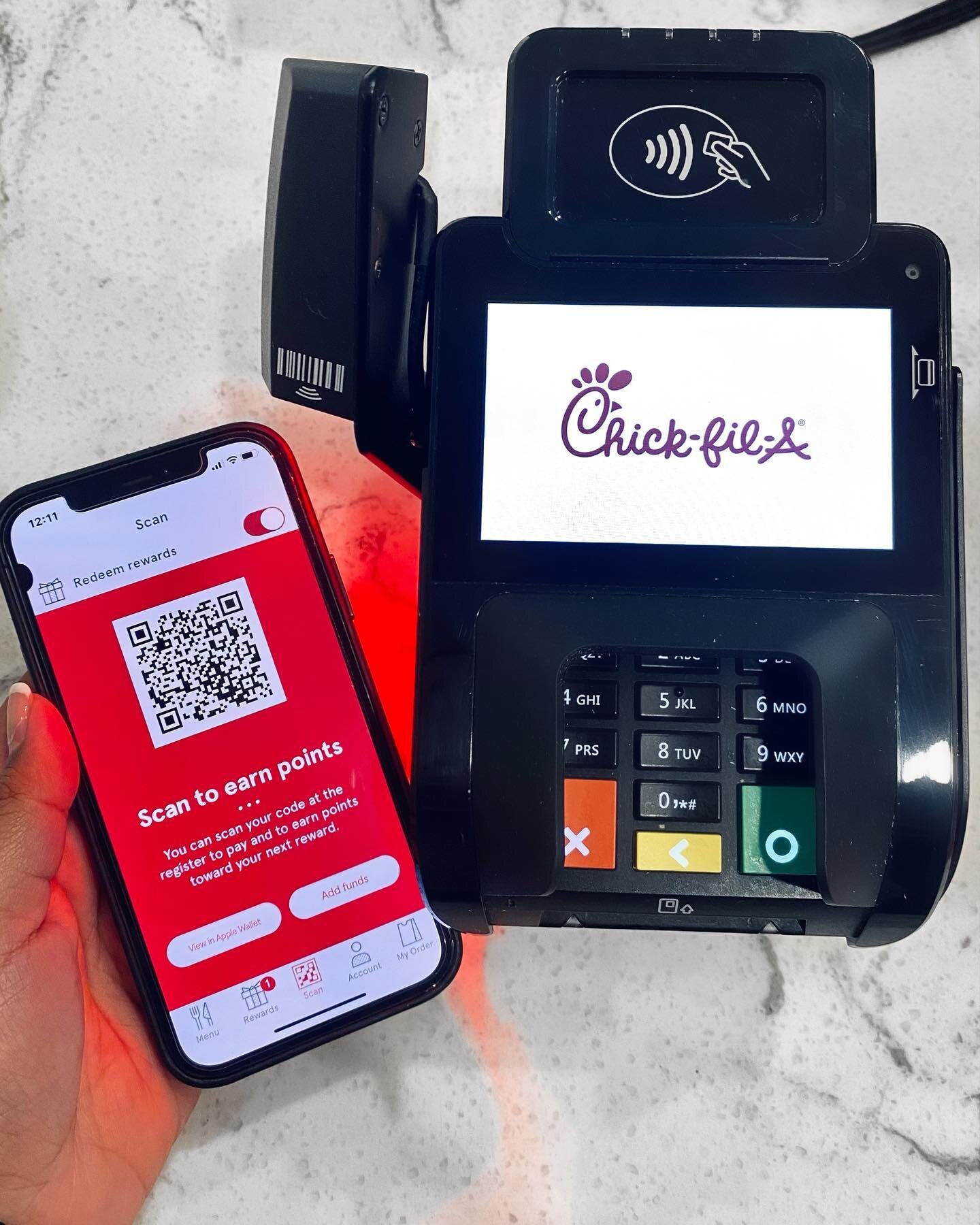
Members are assigned a unique digital barcode or QR code within the app. When visiting a restaurant, drive-thru, or ordering via third-party delivery (though delivery integration varies), the customer presents this code to the cashier or scans it at the POS terminal. The register reads the barcode, links the active check to the customer’s user profile, and calculates points based on the subtotal of eligible items purchased.
- Chick-fil-A One Ecosystem
- Customer places order (Drive-Thru, Front, or App)
- Customer scans digital barcode / QR code
- POS system links profile to active transaction
- Subtotal calculated -> Points credited post-payment
The program is structured across four tiers:
- Chick-fil-A One Member: The base entry tier.
- Silver Member: Unlocked after earning a specific point threshold, offering higher point-per-dollar earnings and the ability to give food away.
- Red Member: Unlocked at a higher threshold, offering even greater reward-sharing capabilities and exclusive local offers.
- Signature Member: The highest tier, featuring maximum point accrual rates and special experiences.
Because points dictate access to free menu items like chicken sandwiches, waffle fries, and nuggets, users continuously look for optimizations. This environment creates fertile ground for urban legends, "hacks," and viral social media trends regarding how the system handles multiple scans.
Origins of the "2 Scan" Phenomenon
The phrase gained traction largely across social media platforms like TikTok, Reddit, and YouTube, where users share fast-food discount tricks, loyalty exploits, and drive-thru optimization methods. The "2 scan" theory generally suggests that if a customer scans their app at the speaker box in the drive-thru, and then scans it again at the window when paying or picking up food, something unusual happens to the system—such as receiving double points, triggering a glitch that awards a free reward, or bypassing restriction limits on promotional items.
The mystery deepened because different restaurants handle drive-thru lanes differently. In older or high-volume locations, the drive-thru setup features two distinct interaction points:
- The Order Point (Speaker Box): Where orders are taken by a team member using a headset and entered into the POS terminal.
- The Payment/Pickup Window: Where cash or card is exchanged, and food is handed out.
In some operations, team members might ask for the app at the speaker, while others ask for it at the window. When customers encountered both requests—or proactively offered their phone at both stations out of habit or confusion—they noticed varying behaviors from the POS software. Some receipts showed points pending, while others threw error messages. Social media creators seized on these anomalies, transforming normal software behavior into a purported "secret mystery hack."
Technical Reality: What Actually Happens When You Scan Twice?
From a software engineering and database management perspective, point-of-sale networks utilized by major QSR chains—such as those provided by NCR or proprietary systems—are designed to prevent duplicate credit for a single financial transaction. When the "2 scan" mystery is tested in real-world environments, a few definitive technical outcomes occur:
1. The Duplicate Scan Rejection
Modern POS terminals are programmed to recognize a unique transaction ID. Once a loyalty account is successfully attached to a specific check number, attempting to scan a second barcode (whether the same account or a different one) typically triggers an override prompt or a rejection warning on the cashier's screen, reading something akin to "Loyalty already attached to order."
2. Split Payments and Separate Checks
If a customer attempts to game the system by splitting an order into two separate checks and scanning their app for each, they are no longer running a single transaction. Instead, they are executing two distinct legal purchases. While this may yield points proportional to each separate check, it does not multiply the points of a single combined order, and it often slows down drive-thru times, violating restaurant throughput metrics.
3. Promotional Limitations
Many Chick-fil-A rewards and promotional items (such as free reward items tied to local sports team wins or app-exclusive product launches) are strictly limited to "one per account, per day" or "one per transaction." Scanning multiple times does not bypass backend database restrictions that verify whether a reward has already been claimed by that user ID.
| Scan Scenario | Technical Result | POS Response | Point Outcome |
|---|---|---|---|
| Single Scan at Speaker | Normal attachment | Check successfully linked | Points awarded once based on subtotal |
| Second Scan at Window | Duplicate prevention | "Loyalty already attached" error | No additional points awarded |
| Separate Checks | Two independent transactions | Two separate check IDs generated | Points awarded strictly per check subtotal |
| Scanning Different Accounts | Conflict error | User mismatch warning | Transaction requires manager override |
Operational Impact on Restaurants and Team Members
While customers may view scanning twice as a harmless experiment or a quest to solve a digital mystery, it introduces significant friction into restaurant operations, particularly in high-volume drive-thru lanes.
Chick-fil-A is globally recognized for its emphasis on "Operational Excellence" and speed of service. Drive-thru pacing is measured in seconds. Every interaction—greeting, ordering, payment, and delivery—is optimized to keep cars moving.
When a customer attempts a multi-scan maneuver or insists that the cashier scan their phone a second time, it creates several operational bottlenecks:
- Terminal Delays: Cashiers must pause to clear error messages or call over a team leader or manager to resolve POS prompts.
- Queue Backups: A delayed car at the window holds up the entire queue behind it, impacting store-wide speed metrics.
- Customer Confusion: Miscommunication between the front-of-house staff and the kitchen regarding order modifications or split tickets can lead to incorrect food assembly.
Consequently, restaurant operators and team members are trained to politely decline secondary scans on the same order, reinforcing the rule that loyalty points are calculated per transaction, not per interaction point.
Common Misconceptions and Myths
As with many internet-born mysteries, several myths have circulated surrounding the "2 scan" concept. Clarifying these misconceptions helps separate reality from digital folklore.
Myth 1: "Scanning twice doubles your points automatically."
Fact: POS systems utilize unique check identifiers. Scanning the same barcode twice on the same check does not double the point calculation; it either overwrites the previous entry or rejects the second scan entirely.
Myth 2: "Corporate programs encourage double scanning to boost engagement metrics."
Fact: Loyalty programs are heavily audited for financial integrity. Allowing duplicate point issuance on single transactions would inflate liability on the company’s balance sheet, as points represent future unearned food costs. Systems are intentionally built to prevent this.
Myth 3: "It is a hidden feature left by developers."
Fact: Easter eggs exist in software, but core financial transaction software used in commercial retail and food service undergoes rigorous QA testing to eliminate vulnerabilities that allow unauthorized point generation or coupon stacking.
Frequently Asked Questions
Can I add my Chick-fil-A app scan after my order is already paid for?
Yes, but it requires a specific receipt-scanning method rather than a re-scan at the register. If you forgot to scan your app at the drive-thru or counter, you can scan the barcode printed at the bottom of your physical receipt using the "Scan Receipt" feature within the Chick-fil-A app within a limited timeframe (typically 24 to 48 hours) following the purchase.
What happens if I scan my app and someone else scans theirs on the same order?
The POS system will either register the first scanned account and lock out subsequent scans, or prompt the team member to clear the existing loyalty profile. You cannot combine multiple personal loyalty accounts onto a single standard transaction check.
Why do some drive-thrus ask for my app twice?
In many modern drive-thru setups, team members operate with tablets (iPOS) outside to take orders and scan loyalty apps early in the queue. When you reach the payment window, a different team member handles the financial transaction and may instinctively ask for your app again out of habit, or to confirm order accuracy, even if the system has already registered your digital profile.
Do points expire if I don't use them?
Chick-fil-A One points do not expire based on a rolling calendar date like some airline miles, but accounts can be subject to closure or point forfeiture if the account is found to be in violation of the platform's terms of service, such as engaging in fraudulent multi-scan manipulation or bot activity.
Summary and Practical Next Actions
The "2 scan Chick-fil-A mystery" is ultimately a combination of user error, POS system safeguards, and internet exaggeration. While customers naturally want to maximize rewards within loyalty programs, the technical architecture of fast-food payment systems prevents multi-scan exploits on single transactions.
For reliable point accumulation without operational friction, adhere to standard best practices:
- Scan early: Have your app ready when first interacting with a team member at the speaker, counter, or outside tablet.
- Use receipt scanning as a backup: If your app fails to scan or you forget, retain your paper receipt and use the manual scan feature in the app afterward.
- Keep app software updated: Ensure you are running the latest version of the Chick-fil-A app to avoid interface bugs or connectivity errors during checkout.