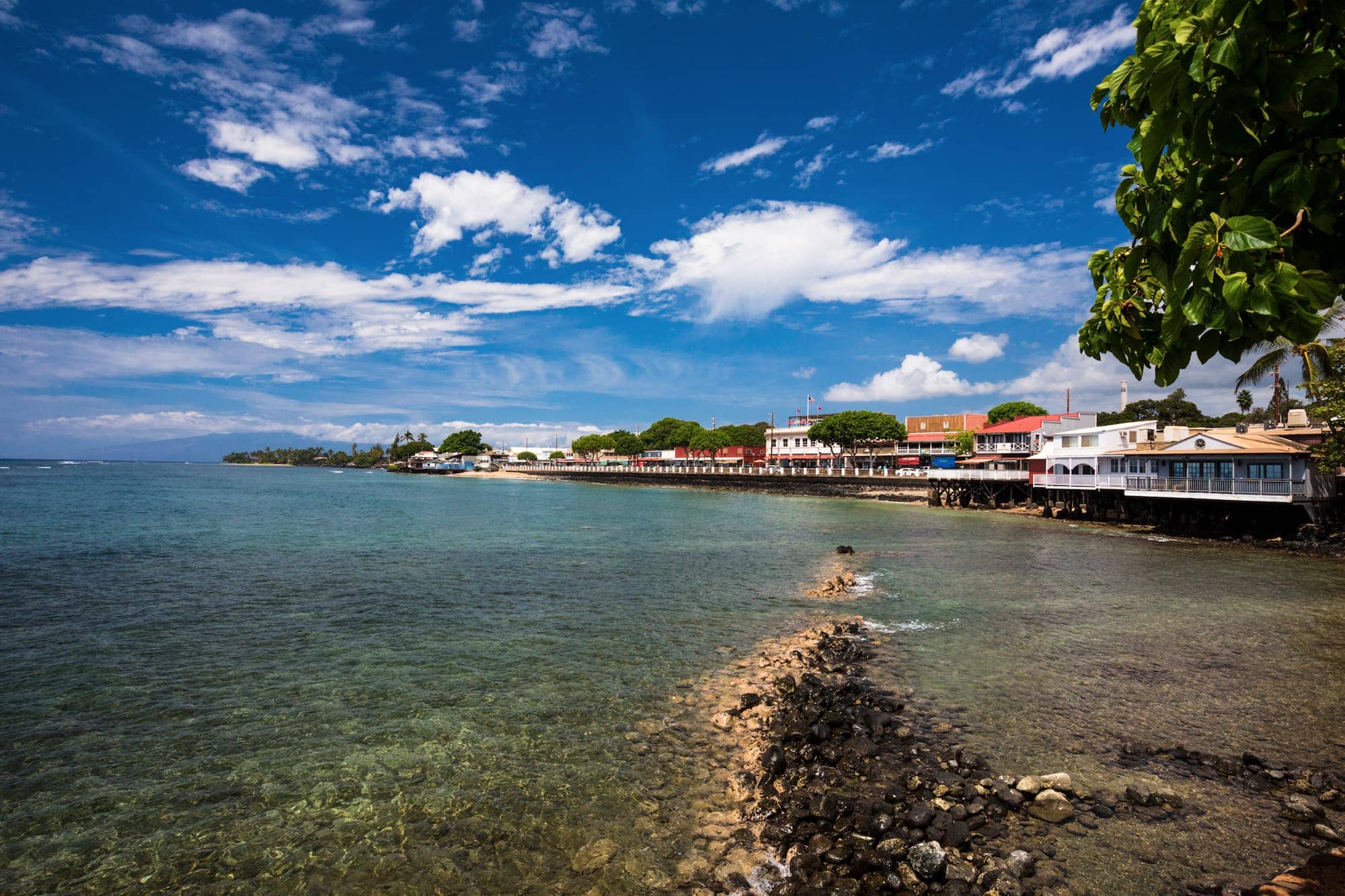
Lahaina, once the vibrant historic capital of the Hawaiian Kingdom and a bustling nineteenth-century whaling hub, remains one of the most culturally significant and visually striking destinations on Maui. While the historic town center and surrounding areas have faced profound challenges in recent years following the devastating August 2023 wildfires, Lahaina and its surrounding coastline continue to offer visitors deeply meaningful ways to connect with local culture, support community-led recovery, and experience the natural beauty of West Maui. Navigating this region responsibly requires an understanding of what is open, respectful interactions with local residents, and a willingness to explore the rich history that defines the coast from Puamana down to the edges of Kaanapali.
This guide details ten of the best things to do in and around Maui Lahaina, balancing cultural exploration, outdoor adventure, and mindful tourism practices. Whether you are planning a future itinerary or looking to engage thoughtfully with West Maui, these activities highlight the enduring spirit, natural splendor, and deep historical roots of the area.
1. Pay Respects and Learn at Historic Lahaina Sites
Before the 2023 wildfires, Front Street was the undisputed heart of Lahaina, featuring nineteenth-century architecture, the historic courthouse, and the sweeping canopy of the famous Lahaina Banyan Tree. While recovery and rebuilding efforts continue across the historic district, visitors can still engage with the area’s storied past through designated community-led informational programs, cultural walking tours operating on the periphery, and digital archives maintained by the Lahaina Restoration Foundation.
Understanding the town's roots as a sacred royal center for Maui's chiefs, a missionary outpost, and the center of the Pacific whaling trade provides essential context for everything else you will experience on the island. When visiting or passing through West Maui, always adhere to local signage, respect restricted reconstruction zones, and prioritize supporting local businesses that form the backbone of the community's economic revival.
2. Stand in Awe of the Lahaina Banyan Tree
Planted in 1873 to commemorate the fiftieth anniversary of the arrival of the first Protestant missionaries to Maui, the massive Indian banyan tree (Ficus benghalensis) is one of the most remarkable botanical landmarks in the United States. Spanning nearly an entire acre with multiple trunk systems and an expansive canopy, the tree has long served as a gathering place for community events, art shows, and quiet reflection.
Following the fires, botanists and community volunteers have closely monitored the health of the banyan tree. Witnessing its resilience stands as a powerful symbol of the town's endurance. While viewing access depends on ongoing safety and stabilization efforts in the historic courthouse square, catching a glimpse of its recovering green canopy offers a profound reminder of nature's tenacity in West Maui.
3. Snorkel the Pristine Waters of Napili Bay and Honolua Bay
Just north of central Lahaina, West Maui boasts some of the most vibrant marine ecosystems in the Hawaiian Islands. While Lahaina's immediate shoreline harbors are managed carefully during recovery, nearby spots like Napili Bay and the Honolua-Mokuleia Marine Life Conservation District remain premier destinations for snorkeling, swimming, and observing marine life.
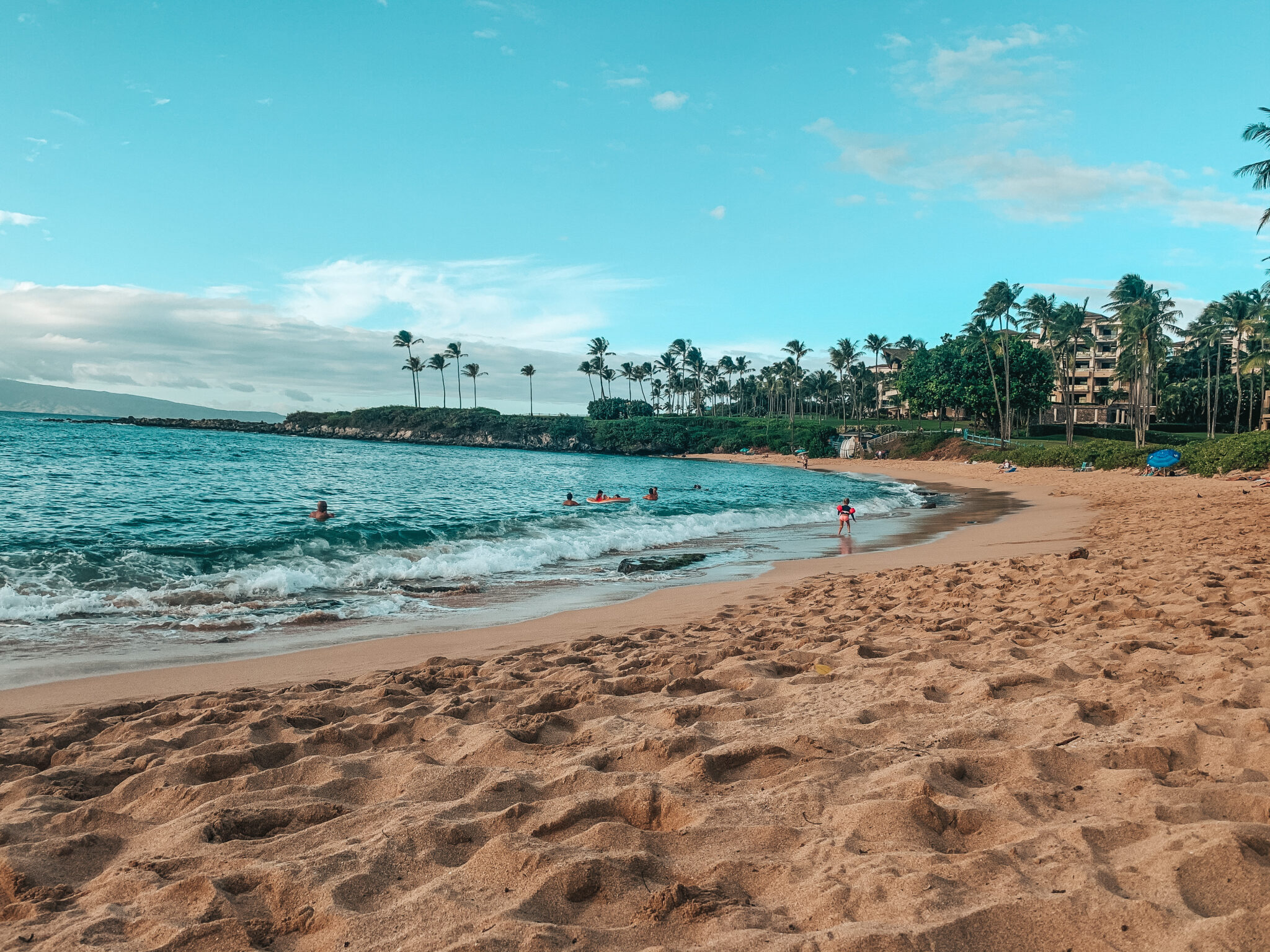
- Napili Bay: Protected by outer reefs, this crescent-shaped bay offers calm, clear waters ideal for swimming and casual snorkeling where green sea turtles (honu) frequently graze on shallow reefs.
- Honolua Bay: A marine life conservation district that requires a short, lush walk through a native forest trail before reaching a boulder-strewn shore. Once in the water, snorkelers encounter thriving coral gardens, schools of tropical reef fish, and occasionally Hawaiian spinner dolphins.
Tip: Always practice reef-safe habits by using mineral-based sunscreens containing non-nano zinc oxide, avoiding touching or standing on coral structures, and maintaining a respectful distance from all marine wildlife, particularly endangered Hawaiian monk seals and sea turtles.
4. Embark on a Seasonal Whale-Watching Excursion
Between December and April, the warm, shallow channel between Maui, Molokai, and Lanai—known as the Auau Channel—becomes a vital sanctuary for thousands of North Pacific humpback whales (kohola) that migrate from the cold waters of Alaska to mate, calve, and nurse their young.
While boats historically departed primarily from Lahaina Harbor, many local marine tour operators now launch from nearby Maalaea Harbor or Kaanapali Beach boat ramps. Booking an eco-certified catamaran or raft tour provides an unforgettable opportunity to witness breaching, tail-slapping, and mother-calf interactions up close. Naturalists onboard typically share insights into whale behavior, marine acoustic research, and the history of marine conservation in Hawaii.
5. Drive and Explore the Scenic Lahaina-to-Pali Coastline
The journey into Lahaina along the Honoapiilani Highway (Route 30) offers some of the most dramatic coastal vistas in the Pacific. As you descend from the Pali (the steep cliffs overlooking Maalaea Bay), the highway hugs the rugged volcanic shoreline with sweeping views of the outer islands of Lanai and Kahoolawe.
Take time to pull over at designated scenic overlooks to watch windsurfers, spot passing whales during winter months, or simply photograph the dramatic contrast between the azure ocean and the verdant West Maui Mountains. Drive with care, respect local speed limits, and yield to island traffic as you transition into the West Maui region.
6. Discover Hawaiian Culture at a Traditional Luau
Attending a luau is an immersive way to experience Polynesian storytelling, music, dance, and culinary traditions. While historic beachfront luau grounds directly in Lahaina town have experienced transitions, several world-class luau productions operate nearby along the Kaanapali resort coast, just minutes north of Lahaina.
These evening celebrations typically feature:
- Imu Ceremony: The traditional unearthing of a whole pig roasted underground in an earth oven.
- Buffet Dining: A spread of traditional island cuisine, including kalua pork, fresh poi, lomi lomi salmon, purple sweet potato dishes, and tropical desserts.
- Performances: High-energy music and hula tracing the migration of Polynesians across the Pacific, the history of ancient Hawaii, and the modern evolution of island culture.
7. Hike the Lahaina Pali Trail (Maalaea to Olowalu)
For active travelers seeking a rugged physical challenge and sweeping panoramic views, the Lahaina Pali Trail (also known as the Ukumehame Trail) offers an unforgettable hiking experience. This historic, stone-paved trail was originally constructed in the 1880s as the primary route connecting Maalaea and Lahaina before modern highways were blasted through the cliffs.
- Length: Approximately 5 miles one-way (10 miles round-trip) if you traverse the full upper and lower sections, though many hikers choose shorter out-and-back segments.
- Difficulty: Strenuous. The trail features steep switchbacks, minimal shade, high temperatures, and strong coastal winds.
- Preparation: Start early in the morning, carry a minimum of 2 to 3 liters of water per person, wear sturdy hiking boots, and protect yourself with a hat and sunblock.
8. Savor West Maui Agriculture and Farm Tours
West Maui is not just about beaches and ocean sports; the region's unique microclimates support rich agricultural traditions. From sweet Maui Gold pineapples to organic cacao farms and coffee plantations, agritourism offers a delicious way to support local farmers.
While specific farm tour availability fluctuates, visitors can frequently book guided tastings and agricultural tours in nearby agricultural pockets such as Olowalu and the foothills of the West Maui Mountains. Learn about traditional Polynesian canoe plants introduced by early voyagers, taste tree-to-bar Hawaiian chocolate, and sample fresh tropical fruits harvested at the peak of ripeness.
9. Golf World-Class Championship Courses Near Lahaina
Golf enthusiasts traveling to West Maui will find some of the most celebrated courses in the world situated along the slopes of the West Maui Mountains, overlooking the Pacific Ocean. Facilities such as the Kaanapali Golf Courses and the Kapalua Golf Courses (home to prestigious PGA Tour events) offer meticulously maintained fairways, dramatic elevation changes, and challenging trade-wind conditions.
Playing these courses requires advance tee-time reservations, and most facilities enforce proper golf attire. Beyond the game itself, the courses provide stunning vantage points for observing coastal ecosystems, native flora, and seasonal whale activity off the shoreline.
10. Experience the Sunset from Kaanapali Beach and Puamana
To cap off your days exploring the Lahaina area, make time to witness the legendary West Maui sunsets. As the sun dips below the horizon in the Auau Channel, the sky transforms into brilliant shades of amber, violet, and crimson.
- Kaanapali Beach: Famous for its long stretch of white sand, this area also hosts the nightly cliff-diving ceremony at Puu Kekaai (Black Rock), where a diver lights torches along the cliffside before leaping into the ocean in honor of ancient Hawaiian traditions.
- Puamana and Southern Coastlines: Quieter oceanfront parks and coastal pockets just south of Lahaina town offer serene spots to listen to the surf and reflect on the day's adventures.
Summary Comparison of West Maui Activities
To help plan your itinerary around Lahaina and the surrounding coast, review the following breakdown of activities based on effort level, cost, and primary focus:
| Activity / Attraction | Primary Focus | Recommended Effort Level | Approximate Cost |
|---|---|---|---|
| Historic Sites & Banyan Tree | Culture & History | Easy / Walking | Free (Donations to local trusts encouraged) |
| Snorkeling (Napili/Honolua) | Nature & Wildlife | Moderate (Swimming skills required) | Free (Gear rental separate) |
| Whale-Watching Tours | Marine Life | Easy | Moderate to High ($75–$150+ per person) |
| Scenic Coastal Drive | Sightseeing | Easy | Free (Fuel costs) |
| Traditional Luau | Culture & Dining | Easy | High ($150–$250+ per person) |
| Lahaina Pali Trail | Hiking & Fitness | Strenuous | Free |
| Golfing in West Maui | Recreation | Moderate to Strenuous | High ($200–$400+ per green fee) |
Frequently Asked Questions
Can tourists visit Lahaina town?
While portions of the historic Lahaina district remain active reconstruction and restricted zones following the August 2023 wildfires, visitors can access surrounding areas, support operating businesses on the edges of the historic zone, and participate in mindful, respectful tourism throughout West Maui. Always verify current local access guidelines before visiting specific streets.
What is the best time of year to visit Lahaina?
The shoulder seasons of April to June and September to November generally offer pleasant weather, fewer crowds, and accessible lodging rates. If your primary goal is whale watching, plan your visit between December and April when humpback whales populate the local waters.
Are reservations required for luaus and boat tours?
Yes. Because capacity is intentionally managed to preserve the quality of the experience and adhere to marine protection laws, booking whale-watching charters, catamaran sails, and evening luaus several weeks or months in advance is strongly recommended.
How can visitors support the Lahaina community responsibly?
Visitors can support community recovery by patronizing locally owned restaurants, shops, and tour operators in West Maui, respecting all posted community guidelines and memorial spaces, and considering donations to trusted local organizations such as the Lahaina Restoration Foundation or Maui United Way.
What should I pack for a trip to West Maui?
Pack lightweight, breathable clothing, swimwear, polarized sunglasses, a wide-brimmed hat, reef-safe mineral sunscreen, reusable water bottles, and sturdy footwear if you plan on hiking trails like the Lahaina Pali. A light jacket or windbreaker is also useful for breezy boat tours or evening dinners.
Final Recommendation
When planning your time in and around Maui Lahaina, approach your itinerary with a blend of curiosity, patience, and deep respect for the land and its people. Balance your schedule between ocean adventures in the marine sanctuaries of West Maui and mindful engagement with the region's enduring cultural heritage. By traveling with intention, you contribute positively to the community's ongoing recovery while creating meaningful, lasting memories of the island.