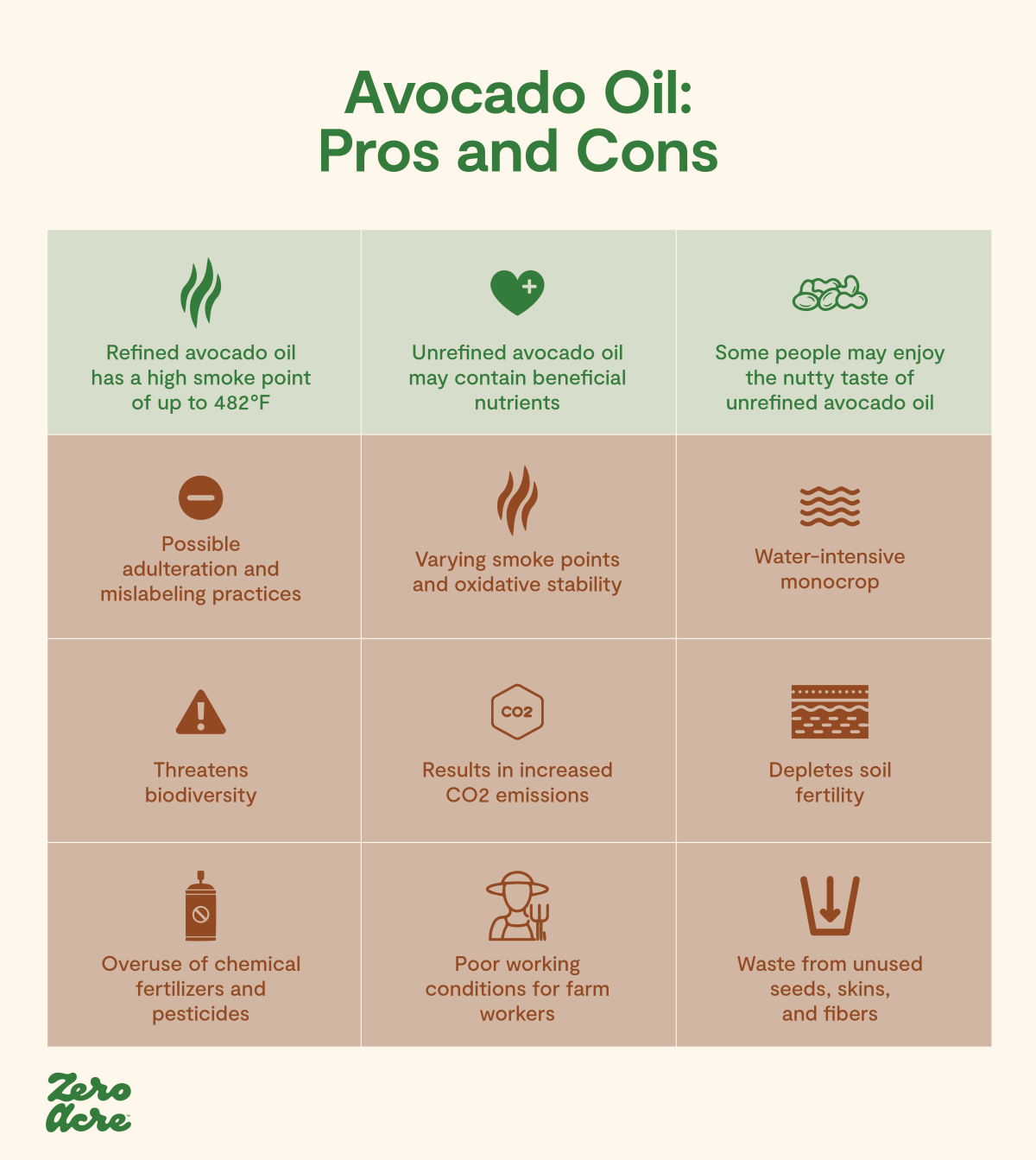
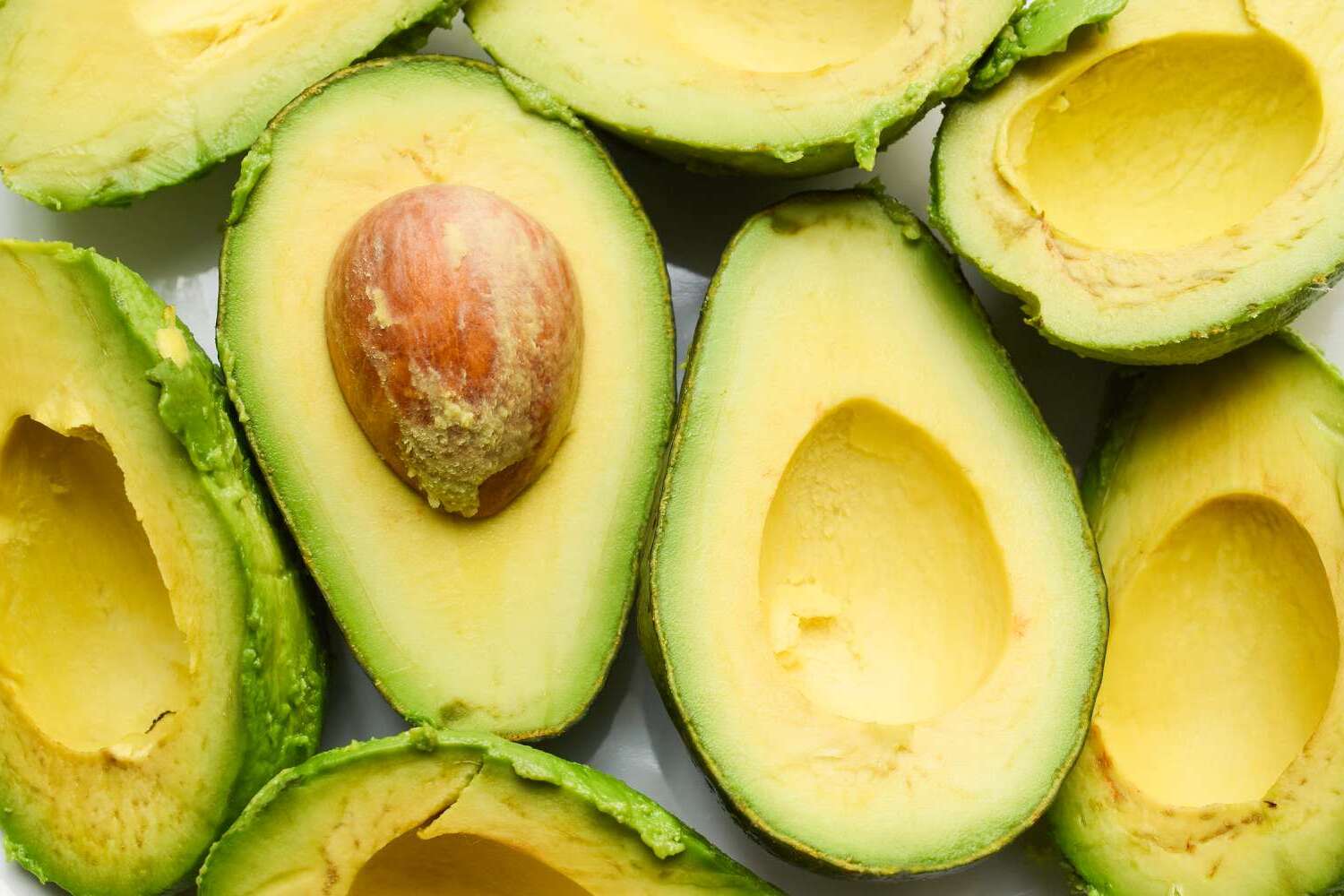
Avocado oil is widely celebrated for its high smoke point and monounsaturated fatty acid profile, but many consumers misunderstand its nutritional composition, particularly regarding omega-3 and omega-6 fatty acids. While avocado oil is rich in oleic acid, its actual omega-3 content is remarkably low, which often surprises those looking to boost their polyunsaturated fat intake through cooking oils.
Understanding the nutritional realities of cooking oils requires looking past marketing claims and examining the actual fatty acid breakdown. This guide explores ten surprising facts about avocado oil, its lipid profile, how it compares to other oils, and what it actually contributes to a balanced diet.
1. Avocado Oil Contains Very Little Omega-3 Fatty Acid
The most common misconception regarding avocado oil is that it serves as a meaningful source of omega-3 polyunsaturated fatty acids (PUFAs). In reality, avocado oil consists overwhelmingly of monounsaturated fats—specifically oleic acid, which makes up roughly 70% of its total fat content.
Polyunsaturated fats make up a much smaller percentage of avocado oil, and of those PUFAs, the vast majority are omega-6 fatty acids (linoleic acid) rather than omega-3s (alpha-linolenic acid or ALA). Consumers seeking to increase their omega-3 intake should look to alternative sources such as flaxseeds, chia seeds, walnuts, or fatty fish rather than relying on avocado oil.
2. The Dominance of Oleic Acid Overshadows PUFAs
Oleic acid, an omega-9 monounsaturated fatty acid, is the defining characteristic of avocado oil. This structural composition is what gives the oil its stability at high heat and its smooth, buttery flavor profile.
Because monounsaturated fats are chemically less susceptible to oxidation than polyunsaturated fats, avocado oil resists rancidity better than oils heavy in omega-3s. However, this biochemical stability comes at the expense of high omega-3 concentrations, as oils rich in delicate omega-3 bonds degrade quickly under thermal stress.
3. High Omega-6 to Omega-3 Ratio Requires Dietary Context
Dietary patterns in modern industrialized nations typically feature an imbalance of omega-6 to omega-3 fatty acids, often leaning heavily toward omega-6s due to the prevalence of seed and vegetable oils. Because avocado oil contains a significantly higher proportion of omega-6 linoleic acid compared to its trace amounts of omega-3 ALA, it contributes to this dietary ratio.
| Fatty Acid Type | Primary Compound in Avocado Oil | Approximate Percentage | Functional Role |
|---|---|---|---|
| Monounsaturated (MUFA) | Oleic Acid (Omega-9) | 65% – 70% | Provides heat stability, supports cardiovascular health |
| Saturated Fat (SFA) | Palmitic & Stearic Acid | 12% – 15% | Imparts structural stability at room temperature |
| Polyunsaturated (PUFA) | Linoleic Acid (Omega-6) | 10% – 13% | Essential fatty acid; contributes to cellular signaling |
| Polyunsaturated (PUFA) | Alpha-Linolenic Acid (Omega-3) | Less than 1% | Trace essential fatty acid; requires external supplementation |
Nutritionists generally advise balancing high omega-6 intake with dedicated omega-3 sources. Integrating avocado oil into a cooking routine is nutritionally sound due to its high MUFA content, provided that omega-3 requirements are met through separate foods.
4. Extraction Methods Do Not Alter Fatty Acid Ratios
A common consumer assumption is that unrefined, cold-pressed avocado oil preserves more delicate nutrients—like omega-3s—than refined avocado oil. While cold-pressing preserves natural chlorophyll, vitamin E, and phytosterols that give virgin oil its green color and distinct flavor, it cannot manufacture omega-3 fatty acids where they do not naturally exist.
Refining processes strip away these minor compounds to increase the smoke point and neutralize flavor, yielding an oil ideal for high-heat searing and frying. Across both unrefined and refined varieties, the underlying fatty acid profile—heavy on oleic acid and low in omega-3—remains largely identical.
5. Refining Increases Heat Stability by Removing Unstable Compounds
The refining process for avocado oil involves neutralization, bleaching, and deodorization (NBD). While this sounds chemical-heavy, it effectively removes free fatty acids and particulate matter that would otherwise burn at lower temperatures.
Because omega-3 fatty acids possess multiple double bonds, they break down rapidly when exposed to heat, producing unpleasant odors, free radicals, and lipid peroxides. The near-total absence of omega-3s in avocado oil is precisely what makes refined avocado oil safe for high-heat cooking applications, such as pan-searing, roasting, and grilling up to 500°F (260°C).
6. Comparing Avocado Oil to Olive Oil Lipid Profiles
Avocado oil and extra virgin olive oil share a remarkably similar reputation in health-conscious kitchens, and their macronutrient profiles reflect this kinship. Both are predominantly composed of oleic acid and possess similarly low levels of omega-3 fatty acids.
However, olive oil typically contains a higher concentration of protective phenolic compounds when consumed in unrefined extra virgin forms, whereas avocado oil offers a higher smoke point. Neither oil should be viewed as a functional replacement for marine or plant-based omega-3 supplements.
7. Phytosterols and Vitamin E Compensate for Low Omega-3s
Even though avocado oil lacks meaningful amounts of omega-3, it offers other micronutrients that contribute to its nutritional value. Avocado oil is exceptionally rich in beta-sitosterol, a plant sterol associated with supporting healthy cholesterol levels, as well as fat-soluble vitamin E (alpha-tocopherol).
Vitamin E acts as a potent antioxidant within the oil itself and within the human body, helping neutralize oxidative stress. These compounds work synergistically with oleic acid to promote health benefits that are distinct from those provided by omega-3 fatty acids.
8. Absorption of Fat-Soluble Nutrients Outshines PUFA Delivery
One of avocado oil's most valuable culinary properties is its ability to enhance the bioavailability of fat-soluble nutrients (such as vitamins A, D, E, and K, as well as carotenoids like lutein and lycopene) found in other foods.
Studies show that consuming vegetables—such as spinach, carrots, or tomatoes—dressed with a monounsaturated fat like avocado oil significantly increases the intestinal absorption of these key micronutrients. Consequently, avocado oil's primary functional benefit in a meal often lies in its capacity as a nutrient transporter rather than a direct supplier of essential fatty acids.
9. Culinary Versatility Relies on Fat Saturation Mechanics
The physical state of an oil at various temperatures depends directly on its saturation profile. Because avocado oil contains a moderate amount of saturated fatty acids (around 12% to 15%) alongside its dominant monounsaturated fats, it behaves predictably across different thermal environments.
When refrigerated, avocado oil may become cloudy or solidify slightly as the saturated fats begin to crystallize. This behavior is completely normal and does not indicate spoilage. It highlights the structural difference between avocado oil and liquid omega-3 oils, such as flaxseed oil, which remain fluid even at lower temperatures due to high polyunsaturated content.
10. Labeling Confusions and Market Misconceptions
Marketing terms can easily confuse shoppers navigating supermarket aisles. Labels boasting "heart-healthy fats" or "pure avocado oil" are technically accurate regarding oleic acid, but consumers frequently conflate heart-healthy monounsaturated fats with omega-3 fatty acids.
Regulatory standards govern how oils are labeled, but manufacturers often emphasize general wellness attributes without clarifying specific fatty acid distributions. Reading the nutrition facts panel and understanding the distinction between MUFAs, omega-6s, and omega-3s ensures that dietary expectations match nutritional reality.
Frequently Asked Questions
Does avocado oil contain any omega-3 fatty acids at all?
Yes, but in trace amounts. Avocado oil contains less than 1% alpha-linolenic acid (ALA), making it an insignificant source of omega-3 fatty acids compared to foods like salmon, walnuts, or flaxseed oil.
Can I use avocado oil as my primary source of healthy fats?
Avocado oil is an excellent source of monounsaturated oleic acid and vitamin E, making it a great choice for cooking and salad dressings. However, because it lacks omega-3s and contains some omega-6s, it should be paired with other foods to maintain a balanced dietary lipid profile.
Why is avocado oil better for high-heat cooking than omega-3 oils?
Avocado oil is primarily composed of monounsaturated fats, which are chemically stable and resist breaking down under high heat. Omega-3 oils, rich in polyunsaturated fats with multiple chemical double bonds, oxidize rapidly and turn rancid when exposed to heat.
How does the omega-6 to omega-3 ratio in avocado oil affect health?
Avocado oil has a high ratio of omega-6 to omega-3 fatty acids because it contains notable amounts of linoleic acid and virtually no omega-3. Consuming it in moderation as part of a varied diet that includes dedicated omega-3 sources prevents any adverse imbalance.
Is refined avocado oil nutritionally inferior to unrefined avocado oil?
Refined avocado oil loses minor compounds like chlorophyll and some antioxidants during processing, but its core monounsaturated fatty acid content remains unchanged. Refining increases its smoke point, making it safer for high-temperature culinary techniques.
Conclusion and Next Action
Avocado oil remains a premier culinary fat prized for its neutral flavor, high smoke point, and abundant oleic acid content. However, recognizing that it is not a viable source of omega-3 fatty acids ensures that you can design a balanced diet. To optimize your nutrition, continue using avocado oil for high-heat cooking and nutrient absorption, while consciously sourcing your omega-3 requirements from fatty fish, algae supplements, or whole seeds.