A 10 pay whole life insurance policy from Guardian is a limited-pay permanent life insurance contract where premiums are paid for exactly 10 years, after which the policy becomes fully paid up, providing lifelong death benefit protection and continuous cash value accumulation potential.
Navigating the landscape of permanent life insurance requires balancing long-term financial commitments with structural flexibility. Among the various options offered by mutual life insurance companies, limited-pay policies occupy a specialized niche for individuals seeking to compress their funding schedules. When evaluating a 10 pay whole life insurance policy from The Guardian Life Insurance Company of America, policyholders must understand the mechanics, financial requirements, and long-term implications of front-loading premium payments.
This examination explores how Guardian structures its 10-pay whole life contracts, the underlying mechanics of limited-pay permanent coverage, the role of dividends, and the practical considerations for incorporating such a policy into a broader wealth-management or estate-planning strategy. As financial instruments evolve against changing economic backdrops, understanding these specifications helps applicants determine whether accelerated premium funding aligns with their personal balance sheet.
What Is a 10 Pay Whole Life Insurance Policy?
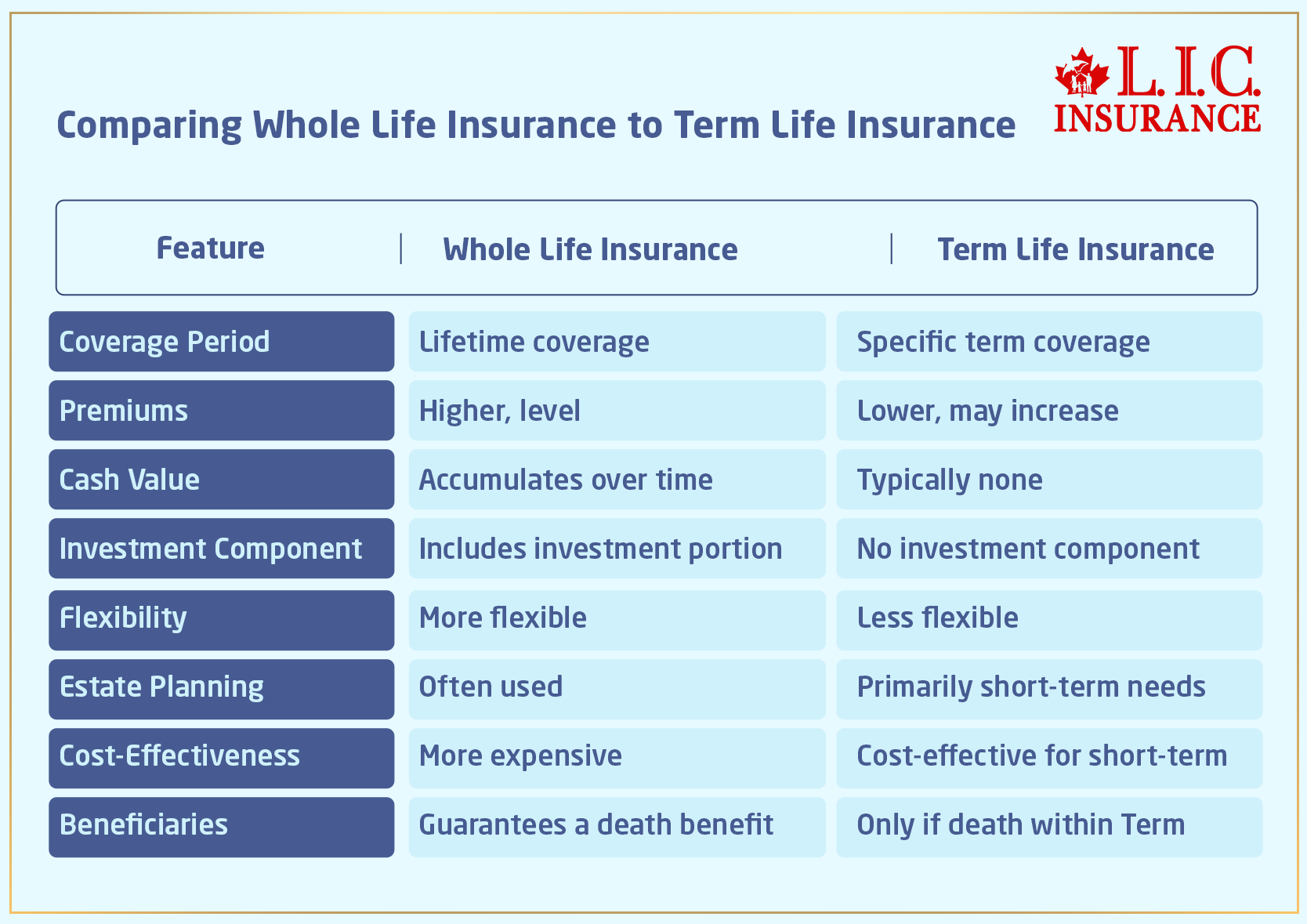
A 10 pay whole life insurance policy is a permanent life insurance contract with a compressed premium payment schedule. Unlike traditional whole life insurance, where premiums are typically paid annually or monthly until age 100 or retirement, a 10-pay contract requires the policyholder to make exactly ten years of level premium payments. Once the tenth annual premium is paid, the policy is officially "paid up." No further out-of-pocket premium payments are required, yet the policy maintains its full face amount death benefit and continues to participate in the company's financial performance through dividends, provided the policy is not a modified endowment contract (MEC) that triggers adverse tax consequences, or subject to policy loans that impair its net cash value.
The primary objective of a 10-pay structure is accelerated asset accumulation and risk mitigation. By concentrating the funding period into a decade, the policyholder eliminates future premium obligations during their retirement or later earning years. This appeals to professionals with high-income earning windows who want to clear liabilities off their personal balance sheets early. However, because the funding period is compressed into ten years, the annual premium for a given face amount is substantially higher than it would be under a lifetime pay schedule.
The Mechanics of Guardian's Permanent Insurance Offerings
The Guardian Life Insurance Company of America operates as a mutual insurer, meaning that eligible policyholders are owners of the company. This mutual structure influences how whole life policies are designed, underwritten, and managed over decades. Guardian’s whole life contracts are characterized by several foundational pillars: guaranteed death benefits, guaranteed cash value growth, and the potential for annual dividends.
Guaranteed Elements
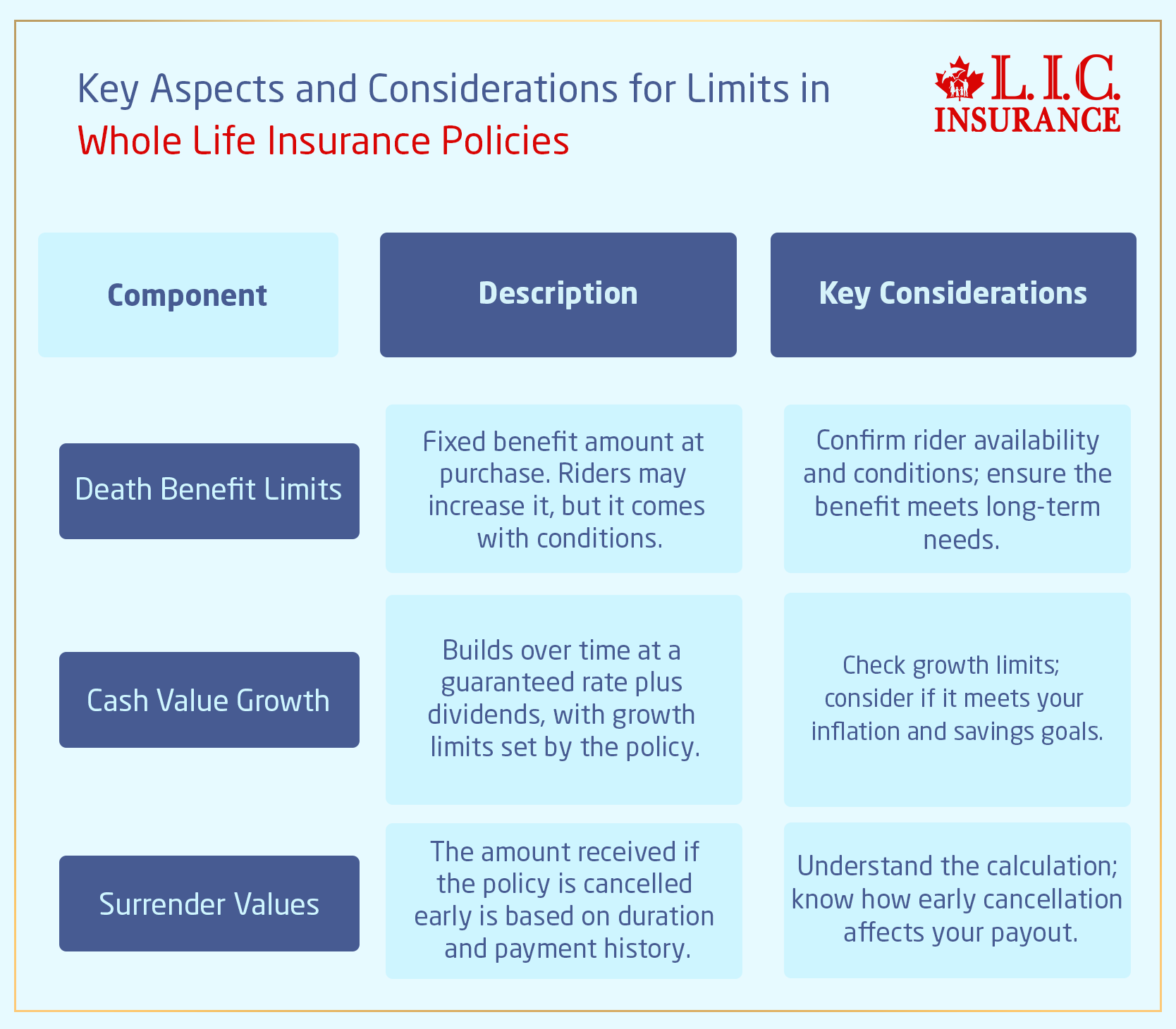
Every whole life contract issued by Guardian contains contractual guarantees that do not depend on market performance or company discretion. The death benefit remains level and guaranteed for the life of the insured, provided premiums are paid as scheduled. Similarly, the cash value schedule is guaranteed to grow at a predetermined rate, reaching an amount equal to the policy's face amount by a designated maturity age, typically age 100 or 121 depending on the specific product series and issue year.
The Role of Dividends
While the baseline guarantees provide a secure floor, mutual companies often distribute a portion of divisible surplus earnings to eligible policyholders in the form of dividends. Dividends are not guaranteed, but Guardian has a long-standing history of paying dividends annually. Policyholders can utilize dividends in multiple ways:
- Taking them as cash payments.
- Reducing upcoming premium payments during the 10-year funding window.
- Purchasing paid-up additions (PUAs), which increase both the total death benefit and the internal cash value.
- Accumulating interest within a dividend deposit account.
In a 10-pay policy, utilizing dividends to purchase paid-up additions during and after the 10-year payment window can significantly accelerate the growth of the policy's cash value and overall death benefit, maximizing the compounding effect within the mutual framework.
Financial and Underwriting Requirements for a 10-Pay Policy
Securing a 10 pay whole life insurance policy from Guardian involves a rigorous underwriting process. Because the premium dollars are concentrated into a short ten-year window, the annual outlay for a specific face amount is significantly elevated compared to standard lifetime policies. This higher annual cost triggers specific financial justification and underwriting scrutiny.
Underwriting Verification
Guardian evaluates applicants based on standard medical and lifestyle criteria, including blood chemistry, biometric measurements, medical history, family longevity, driving records, and occupational hazards. Underwriters assess risk to assign a health classification, which directly dictates the cost of insurance per thousand dollars of coverage. Because whole life insurance locks in mortality charges for life, securing a favorable health classification early in life or during prime earning years significantly reduces the total capital required to fund the 10-year schedule.
Financial Underwriting and Human Life Value
Financial underwriting is particularly stringent for limited-pay contracts due to the large capital sums involved. Insurers must verify that the proposed face amount and annual premium align with the applicant's net worth, annual income, and legitimate insurable interest. Underwriters use financial justification guidelines to ensure that the policy serves a valid risk-management or estate-planning purpose rather than functioning solely as an aggressive short-term investment vehicle, though tax codes also impose strict guidelines to prevent abuse.
Tax Considerations and Modified Endowment Contract (MEC) Rules
When funding a life insurance policy over a compressed 10-year timeframe, statutory tax limits established by the Internal Revenue Code (IRC) become a central planning consideration. Specifically, the IRS enforces the 7-pay test under Section 7702 to distinguish between life insurance contracts and investment products.
The 7-Pay Test and MEC Status
The 7-pay test measures whether the cumulative premiums paid during the first seven years of a contract exceed the sum of net level premiums required to fund future benefits on a guaranteed basis. Because a 10-pay policy forces all funding into ten years—with the heaviest cash flow occurring in the first seven years—there is a high probability that the policy could inadvertently cross the MEC threshold if not engineered carefully.
If a policy is classified as a Modified Endowment Contract:
- The death benefit remains income-tax-free under IRC Section 101(a).
- Withdrawals and policy loans are subject to Last-In, First-Out (LIFO) tax treatment, meaning any gains are withdrawn first and taxed as ordinary income rather than a return of basis.
- Distributions taken prior to age 59½ may be subject to a 10% IRS penalty tax on the gain portion.
Guardian’s underwriting and policy-service platforms typically work with financial professionals to design 10-pay contracts that either deliberately pass the 7-pay test (preserving standard life insurance loan rules) or intentionally operate as an MEC depending on the client's explicit tax and retirement-income goals. Professional guidance is vital to navigate these statutory boundaries.
| Feature / Metric | Standard Lifetime Whole Life | 10 Pay Whole Life Policy |
|---|---|---|
| Payment Duration | Lifetime (typically to age 100 or 121) | Exactly 10 years |
| Annual Premium Outlay | Lower annual cost for equivalent face amount | Higher annual cost due to compressed schedule |
| Cash Value Growth | Gradual, compounding over decades | Accelerated accumulation during and after the 10-year window |
| Paid-Up Status | Achieved late in life or via reduced paid-up options | Automatically achieved after the 10th annual premium |
| MEC Risk Profile | Lower risk of triggering a Modified Endowment Contract | Higher risk; requires careful structural engineering under IRC 7702 |
Strategic Applications of Guardian 10-Pay Policies
Policyholders utilize 10-pay whole life contracts for several distinct financial strategies. Understanding these use cases highlights why an individual might choose this structure over standard permanent or term insurance.
Retirement Income Supplementation
Many professionals seek to clear major fixed expenses before entering retirement. By completing all life insurance premium obligations within their peak earning years (e.g., ages 40 to 50 or 50 to 60), the policyholder enters retirement with a fully funded asset that continues to accumulate cash value and generate potential dividends. In later years, policyholders can access this accumulated cash value via tax-advantaged policy loans and withdrawals to supplement retirement cash flow, provided the policy is managed carefully to prevent lapse.
Estate Planning and Wealth Transfer
For individuals with taxable estates or those wishing to leave a guaranteed legacy for heirs or philanthropic entities, a 10-pay policy provides a definitive funding endpoint. It removes the risk of a policy lapsing in later life due to forgotten premium notices or unexpected cash-flow constraints during retirement. Once the 10 payments are complete, the death benefit is locked in and protected from future market downturns.
Asset Diversification and Conservative Growth
While equities and real estate form the growth engines of many portfolios, whole life insurance serves as a stable, fixed-income alternative with unique guarantees. The cash value component acts as a conservative asset class that is insulated from public market volatility, offering liquidity that can be accessed via policy loans for emergency opportunities or capital investments.
Advantages and Disadvantages of a 10-Pay Policy
Evaluating a financial product requires an objective assessment of both its structural benefits and inherent limitations.
Advantages
- Certainty of Obligation: Knowing that premium payments cease after exactly ten years provides immense budgeting clarity.
- Accelerated Cash Value: Higher initial premiums drive faster cash value accumulation in the early years compared to standard whole life policies.
- Mutual Company Strength: Guardian’s status as a mutual insurer provides historical stability and consistent dividend distribution records, though past performance is not a guarantee of future results.
- Paid-Up Protection: Elimination of future premium risk protects the policyholder against future disability, unemployment, or income reduction in retirement years.
Disadvantages
- High Annual Cost: The financial commitment required each year for ten years is substantially larger than lifetime-pay alternatives for the same death benefit, making cash-flow management critical.
- Opportunity Cost: Capital tied up in high premium payments over a short window cannot be deployed into higher-yielding, albeit riskier, market assets.
- Rigidity: Missing a scheduled premium payment during the strict 10-year window can jeopardize the paid-up timeline and require policy adjustments or capitalization of missed payments.
- Tax Complexities: The strict parameters of the 7-pay test require careful engineering to avoid unintended MEC status unless specifically desired by the policyholder.
How to Acquire and Service a Guardian 10-Pay Policy
Securing and maintaining a 10 pay whole life insurance policy involves a structured sequence of steps, working alongside a licensed financial professional authorized to represent Guardian.
- Needs Analysis and Design: Calculate the required death benefit and cash value accumulation goals based on human life value, estate planning objectives, or retirement income targets.
- Product Selection and Illustration: Request a formal insurance illustration from a Guardian representative, reviewing guaranteed versus non-guaranteed columns, premium schedules, and dividend scale assumptions.
- Formal Application and Underwriting: Complete the medical questionnaire, schedule paramedical examinations, and submit financial documentation for underwriting review.
- Offer Review and Policy Issuance: Evaluate the final underwriting offer, sign policy delivery receipts, and submit the first premium payment to put the contract in force.
- Ongoing Monitoring: Review annual policy statements to track cash value performance, dividend allocation choices, and loan balances if applicable.
Frequently Asked Questions
Can I stop paying premiums before the 10 years are completed?
Yes, but the policy will not be fully paid up as originally designed. If you stop paying premiums prematurely, the policy's accumulated cash value can be used to keep the insurance in force via reduced paid-up options or extended term insurance, depending on the exact contract provisions and available cash surrender value.
Are dividends guaranteed on a Guardian whole life policy?
No. While Guardian has a long history of paying dividends annually to eligible policyholders, dividends are declared by the company’s Board of Directors based on investment returns, mortality experience, and operational expenses. They cannot be guaranteed for future years.
How do policy loans affect a 10-pay whole life insurance policy?
Taking a policy loan allows you to borrow against your cash value without triggering an immediate taxable event, as long as the policy remains in force. However, outstanding loans and accrued interest reduce the net cash value and the ultimate death benefit. If loans exceed the total cash value, the policy can lapse, which may trigger a significant tax liability.
What happens to the cash value after the 10-year payment period ends?
After the 10th annual premium is paid, the policy becomes fully paid-up. No further out-of-pocket premiums are required to maintain the death benefit. However, the cash value continues to grow through guaranteed interest crediting and potential annual dividends, which can be reinvested into the policy via paid-up additions.
Is a 10-pay whole life policy considered a good investment?
Whole life insurance is primarily designed as a risk-management and permanent death benefit contract, not a direct investment vehicle like mutual funds or stocks. While it offers tax-advantaged cash value growth and fixed guarantees, its primary purpose is lifetime financial security and estate protection rather than maximum market appreciation.
Conclusion
A 10 pay whole life insurance policy from Guardian offers a disciplined, accelerated funding approach for individuals seeking permanent life insurance protection without lifetime financial obligations. By concentrating premium payments into a decade-long window, policyholders can secure robust death benefits and build substantial cash value reserves early in life. However, the high annual financial commitment and strict tax regulations require careful planning and professional guidance. Prospective applicants should evaluate their long-term cash flow, tax positioning, and overall wealth strategy to ensure a limited-pay permanent contract aligns with their broader financial goals.