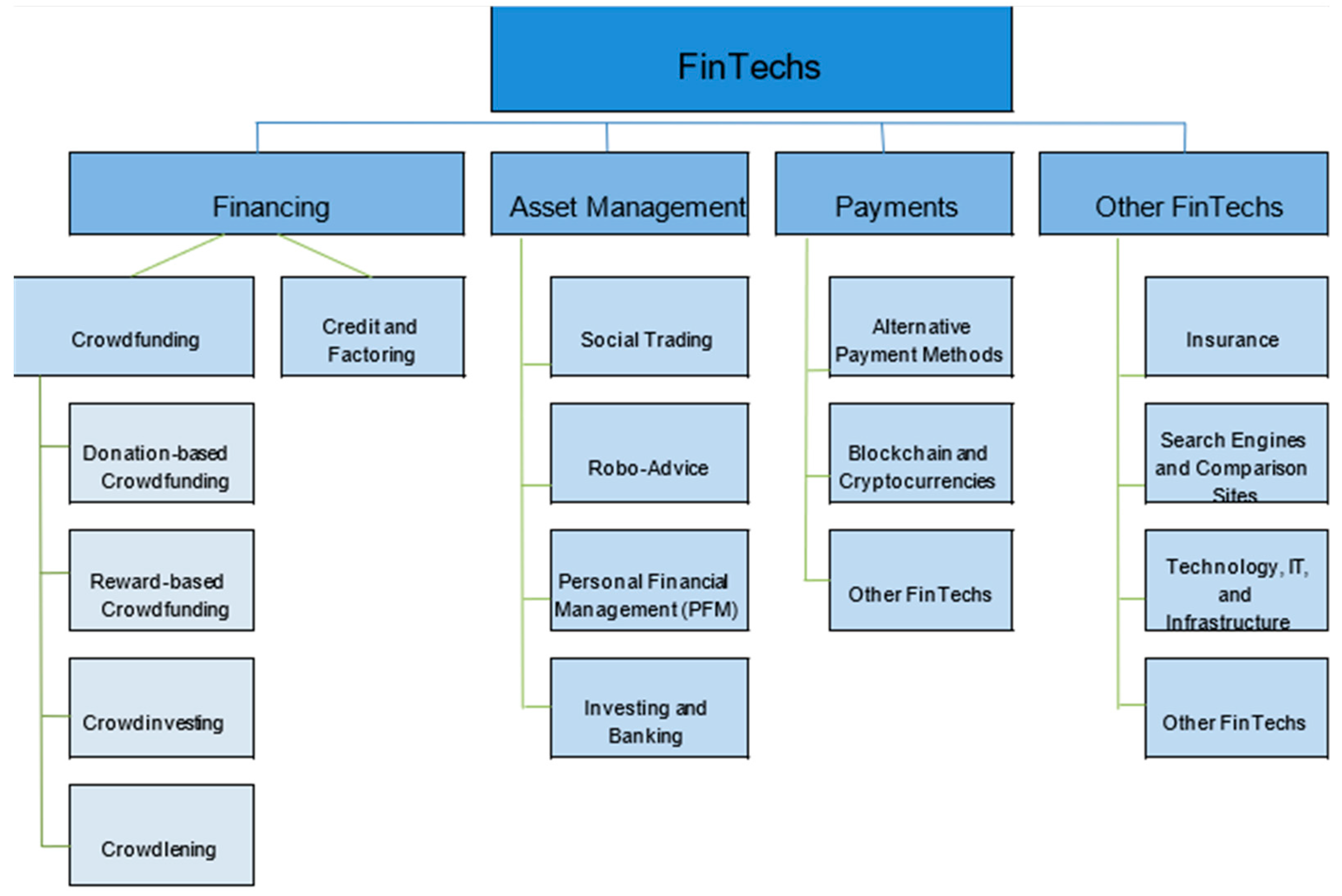
Fintech, a portmanteau of "financial technology," encompasses any technology used to enhance, automate, or digitize financial services for consumers and businesses. By replacing traditional, manual banking processes with software and algorithmic solutions, fintech has fundamentally shifted how people manage payments, investments, borrowing, and business operations in 2026.
The evolution of financial technology has matured from simple digital banking interfaces to complex ecosystems involving decentralized finance (DeFi), real-time cross-border payments, and automated wealth management. Understanding these distinct categories provides a clearer picture of how financial inclusion and operational efficiency are achieved today.
1. Digital Banking (Neobanks)
Neobanks are financial institutions that operate exclusively online without physical branches. By stripping away the overhead costs associated with brick-and-mortar infrastructure, these platforms often offer lower fees, higher interest rates on savings accounts, and user-centric mobile applications. Entities like Chime, Revolut, and Monzo have set the standard by prioritizing intuitive UX/UI design, allowing users to freeze cards, track spending in real-time, and automate budgeting within a single interface.
2. Peer-to-Peer (P2P) Payment Systems
P2P payment platforms have effectively replaced the need for cash and checks in everyday transactions. These services facilitate the instantaneous transfer of funds between individuals via mobile applications or linked bank accounts. While early iterations like PayPal focused on e-commerce, modern services such as Venmo, Zelle, and Cash App have integrated social features and instant bank transfers, making them the primary tool for splitting bills, rent payments, and casual reimbursements.
3. Robo-Advisors
Robo-advisors utilize sophisticated algorithms to provide automated, low-cost investment management services. Upon onboarding, users complete a questionnaire regarding their risk tolerance, financial goals, and time horizon. The platform then manages a diversified portfolio—typically composed of Exchange-Traded Funds (ETFs)—and performs automatic rebalancing. Companies such as Betterment and Wealthfront have democratized access to wealth management, which was historically reserved for high-net-worth individuals through human financial advisors.
4. Insurtech
Insurtech leverages technology to simplify the insurance process, from policy issuance to claim submission. By utilizing big data and artificial intelligence, insurtech companies can offer personalized premiums based on real-time behavior rather than generalized actuarial tables. For example, Lemonade utilizes chatbots for rapid claims processing, while telematics-based auto insurance programs monitor driving habits to adjust pricing dynamically, rewarding safer drivers with lower costs.
5. Blockchain and Cryptocurrency Exchanges
Blockchain technology provides a distributed, transparent ledger system that underpins the modern cryptocurrency market. Exchanges like Coinbase and Kraken allow users to buy, sell, and store digital assets, serving as the bridge between traditional fiat currency and the decentralized asset class. Beyond simple trading, this sector has expanded to include stablecoins—pegged to fiat currencies—and smart contracts, which enable automated execution of agreements without the need for a central clearinghouse.
6. Lending and Crowdfunding Platforms
Fintech has disrupted the lending industry by creating marketplaces that connect borrowers directly with investors or utilize proprietary data to assess creditworthiness faster than traditional banks. Platforms like Prosper and Upstart use machine learning to evaluate unconventional data points, such as educational background and employment history, to approve loans for individuals who might be underserved by traditional credit scoring models. Crowdfunding platforms like Kickstarter or Indiegogo, meanwhile, allow businesses to raise capital directly from the public for new product development.
7. Point-of-Sale (POS) and Payment Gateways
Modern POS systems, led by companies like Square (Block) and Stripe, have transformed how merchants accept payments. These platforms provide the hardware and software necessary to process credit cards, digital wallets, and contactless payments seamlessly. Stripe, specifically, has become an essential piece of infrastructure for e-commerce, providing APIs that allow businesses to integrate sophisticated payment processing directly into their own websites and mobile applications.
8. Personal Finance Management (PFM) Tools
PFM apps aggregate data from multiple financial accounts—including credit cards, loans, and investment portfolios—to provide a comprehensive overview of a user’s net worth. Tools like YNAB (You Need A Budget) focus on zero-based budgeting, while other apps track spending patterns to alert users about recurring subscriptions or potential overspending. By centralizing disparate financial data, these tools assist users in identifying long-term savings opportunities.
9. Regtech (Regulatory Technology)
Regtech focuses on the intersection of finance and compliance, helping institutions navigate the increasingly complex web of financial regulations. This sector utilizes automation, cloud computing, and AI to monitor transactions for money laundering (AML), verify customer identities (KYC/Know Your Customer), and ensure reporting accuracy. By automating compliance tasks, regtech reduces the human error and high costs associated with meeting legal obligations in a globalized financial market.
10. WealthTech (Investment Platforms)
WealthTech extends beyond robo-advisors to include platforms that facilitate specialized investing, such as real estate crowdfunding or fractional stock ownership. Apps like Robinhood popularized commission-free trading, while platforms like Fundrise allow non-accredited investors to gain exposure to private real estate projects. These tools lower the barrier to entry, allowing individuals to build diversified portfolios with significantly smaller capital outlays than previously required.
Comparison of Fintech Categories
| Category | Primary Function | Target User | Key Benefit |
|---|---|---|---|
| Neobanks | Banking services | General consumers | Low fees, mobile access |
| Robo-Advisors | Wealth management | Retail investors | Low management fees |
| P2P Payments | Money transfers | General consumers | Instant transaction speed |
| Insurtech | Insurance policies | Consumers/Businesses | Fast claim processing |
| Regtech | Compliance/Legal | Financial institutions | Regulatory cost reduction |
Prerequisites for Using Fintech Services
Before utilizing these technologies, users must ensure they have a stable, secure internet connection and compatible hardware. Most fintech applications require a modern smartphone with an updated operating system to ensure security patches are active. Users should also be prepared to provide documentation for Identity Verification (IDV), such as a government-issued photo ID or social security number, as most regulated fintech companies must adhere to strict KYC (Know Your Customer) and AML (Anti-Money Laundering) requirements.
Security Considerations and Best Practices
While fintech companies invest heavily in security, the primary risk often lies at the user level. It is essential to use Multi-Factor Authentication (MFA) across all financial accounts. Avoid accessing financial applications on public Wi-Fi networks without a reputable Virtual Private Network (VPN). Furthermore, regularly review account permissions and revoke access for third-party apps that are no longer in use to reduce the "attack surface" of your financial data.
Frequently Asked Questions
Are fintech apps safer than traditional banks?
Fintech apps are generally as secure as traditional banks, provided they are regulated in your jurisdiction. Look for evidence of deposit insurance (such as FDIC insurance in the United States) and clear transparency regarding their banking partners. Regulated entities are subject to strict cybersecurity audits.
Do I need a high credit score to use fintech lending platforms?
Not necessarily. While some platforms use traditional credit checks, many "alternative lending" fintechs use proprietary algorithms that consider factors like cash flow, education, and career growth. This allows them to offer credit to people who might be deemed "thin-file" by traditional banking standards.
What is the difference between DeFi and traditional Fintech?
Traditional fintech typically relies on centralized infrastructure (like a bank or a payment processor) to intermediate transactions. DeFi (Decentralized Finance) relies on public blockchains and smart contracts to automate transactions without intermediaries.
Can I use fintech if I live outside of major financial hubs?
Yes. One of the core missions of fintech is financial inclusion. Because most services are cloud-based and accessible via mobile, they are specifically designed to provide banking and credit access to populations in underserved or remote regions where traditional branches do not exist.
Are there hidden costs when using fintech services?
Some fintech apps are free, but they may earn revenue through transaction fees, currency conversion spreads, or premium tiers for advanced features. Always read the "Fee Schedule" or "Terms of Service" before linking your bank account to a new platform to ensure you understand the pricing structure.
Final Recommendation
To begin incorporating fintech into your daily life, start by identifying your most significant financial friction point. If you struggle with budgeting, begin with a PFM tool. If you are paying high fees at a traditional bank, consider migrating your daily spending to a neobank. Regardless of your choice, always verify the service's regulatory status in your region, enable two-factor authentication immediately, and monitor your linked accounts frequently to ensure total control over your financial ecosystem.
Disclaimer: This article is for informational purposes only and does not constitute financial, legal, or investment advice. Financial decisions should be made based on individual circumstances and, where appropriate, consultation with a professional advisor.