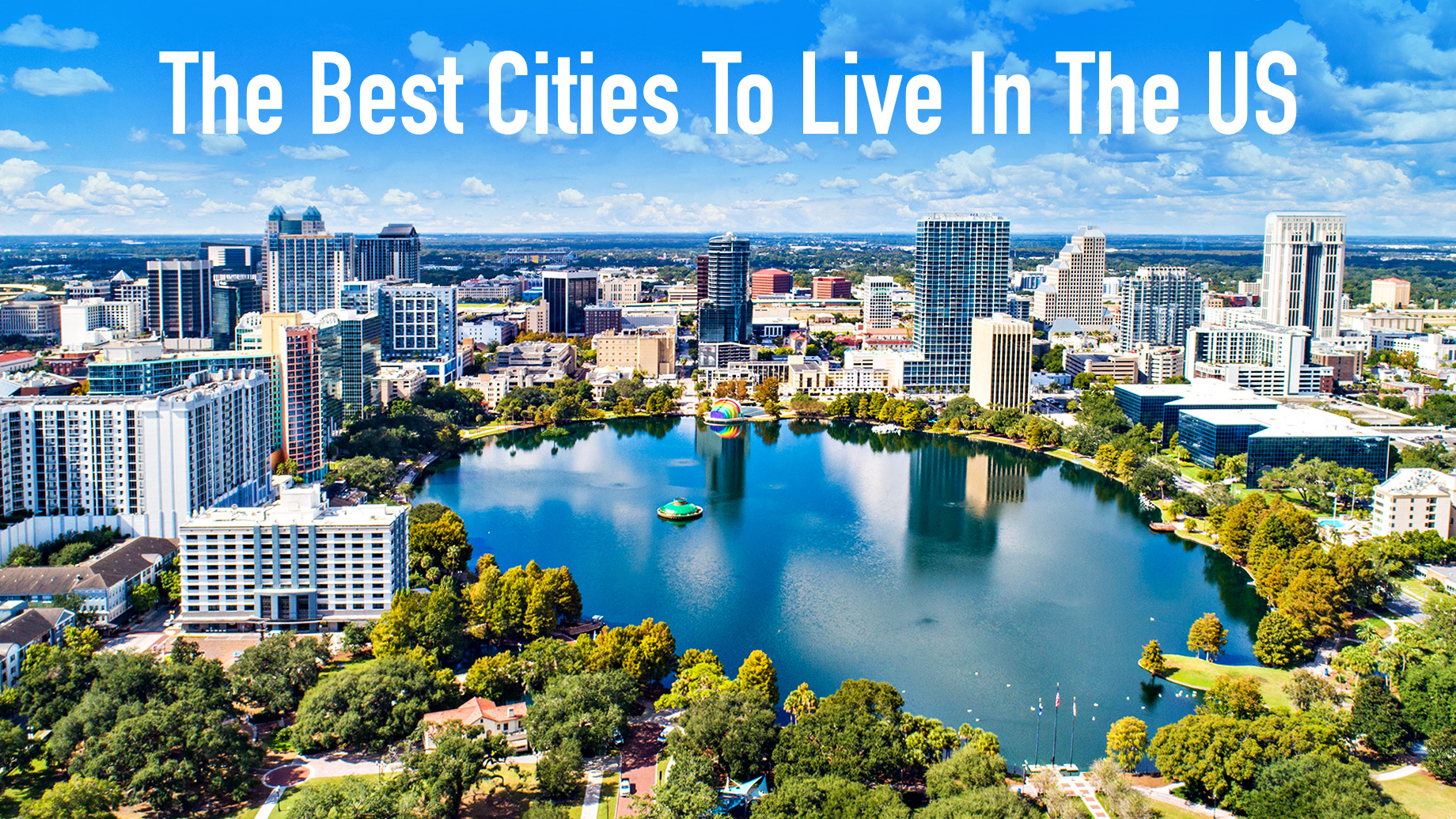
Deciding where to settle down in the United States requires balancing economic opportunities, lifestyle preferences, housing markets, and community infrastructure. Evaluating the 10 best cities to live in the United States involves analyzing labor markets, cost-of-living metrics, public school quality, healthcare access, and climate resilience to identify locations that offer high long-term quality of life.
Understanding the Criteria for America's Best Cities
Determining the top places to reside requires an analytical framework that moves past subjective impressions and focuses on empirical indicators. Demographers, urban planners, and economic analysts typically assess metropolitan regions through several core pillars: economic vitality, housing affordability, public health, safety, and infrastructure.
Economic vitality goes beyond mere job creation; it examines median household incomes, industry diversification, and wage growth relative to inflation. A healthy local economy features multiple thriving sectors, such as technology, healthcare, advanced manufacturing, or higher education, which insulate the workforce from industry-specific downturns.
Housing affordability remains one of the most critical filters in contemporary urban planning. Even high-earning regions can rank poorly if median home prices and rental rates consume an unsustainable share of household income. Analysts evaluate the price-to-income ratio, zoning laws, and housing inventory growth to determine whether a city is economically accessible to newcomers and young families.
Quality of life also encompasses public infrastructure, public transit efficiency, walkability, green spaces, and environmental sustainability. Cities that invest in multimodal transportation networks, parks, and climate adaptation strategies consistently score higher in long-term livability indices.
The Top 10 Cities for Living and Working
Evaluating current demographic shifts, economic data, and regional growth patterns highlights ten metropolitan areas and mid-sized cities that consistently excel across major livability metrics.
1. Raleigh-Durham, North Carolina
Known as the Research Triangle, this region anchors a booming technology and biotechnology hub driven by major research universities like Duke University, the University of North Carolina at Chapel Hill, and North Carolina State University.
- Economic Strengths: Exceptional job growth in tech, life sciences, and clinical research.
- Lifestyle and Culture: A balanced blend of urban amenities and southern charm, featuring extensive greenway systems, a temperate climate, and close proximity to both the Appalachian Mountains and the Atlantic coast.
- Considerations: Rapid population growth has strained transportation corridors and increased housing costs, though prices remain competitive compared to coastal mega-regions.
2. Austin, Texas
Austin has evolved from a regional university town and music capital into a premier global technology and venture capital hub, attracting corporate relocations and skilled labor from across the country.
- Economic Strengths: High concentration of tech employers, robust entrepreneurial ecosystem, and no state personal income tax.
- Lifestyle and Culture: Vibrant live music scene, abundant outdoor recreation centered around Lady Bird Lake and Barton Springs, and a progressive cultural identity.
- Considerations: Significant spikes in housing costs and property taxes have altered affordability, and summer temperatures require continuous climate control management.
3. Boulder, Colorado
Nestled against the foothills of the Rocky Mountains, Boulder offers an unmatched concentration of natural beauty, outdoor recreation, and scientific research.
- Economic Strengths: Home to federal research laboratories, aerospace firms, and a dense cluster of natural products and technology startups.
- Lifestyle and Culture: World-class access to hiking, rock climbing, and cycling, coupled with a strong community focus on sustainability and environmental stewardship.
- Considerations: High cost of living and rigorous municipal growth boundaries make housing exceptionally expensive and competitive.
4. Minneapolis-St. Paul, Minnesota
The Twin Cities metropolitan area combines Midwestern friendliness with a sophisticated economy, robust arts infrastructure, and progressive public policy.
- Economic Strengths: Diverse Fortune 500 corporate base spanning healthcare, retail, finance, and manufacturing, supporting stable employment rates.
- Lifestyle and Culture: Renowned park systems (the Chain of Lakes), extensive bike lanes, world-class theater and museum offerings, and a vibrant culinary scene.
- Considerations: Winters are long, dark, and severely cold, requiring residents to embrace seasonal outdoor adaptation or indoor community spaces.
5. Salt Lake City, Utah
Surrounded by dramatic mountain peaks, Salt Lake City has transformed into a thriving business center often dubbed "Silicon Slopes" due to its burgeoning tech sector.
- Economic Strengths: Low unemployment, strong business-friendly regulatory environment, and expanding technology and financial services sectors.
- Lifestyle and Culture: Unrivaled proximity to world-class skiing, snowboarding, and alpine recreation, paired with a clean, well-organized urban layout.
- Considerations: Air quality can occasionally suffer during winter inversion events, and state-specific liquor and social regulations may require adjustment for newcomers.
6. Boston, Massachusetts
As a historic intellectual and financial capital, Boston offers an unmatched density of educational institutions, world-renowned healthcare facilities, and cultural heritage.
- Economic Strengths: Global leader in biotechnology, higher education, venture capital, and financial services.
- Lifestyle and Culture: Highly walkable neighborhoods, historic architecture, extensive public transit (the MBTA), and a passionate sports culture.
- Considerations: Exceptionally high cost of living, steep housing and rental markets, and challenging winter weather conditions.
7. Seattle, Washington
Seattle balances a booming digital economy with deep roots in Pacific Northwest environmentalism, maritime culture, and outdoor adventure.
- Economic Strengths: Major global tech headquarters, aerospace engineering, cloud computing, and a dynamic maritime trade sector.
- Lifestyle and Culture: Rich coffee and culinary culture, dramatic backdrops of Puget Sound and Mount Rainier, and vast opportunities for kayaking, hiking, and camping.
- Considerations: High housing costs, overcast and rainy weather patterns for much of the year, and traffic congestion.
8. Madison, Wisconsin
Built on an isthmus between two major lakes, Madison centers around the flagship University of Wisconsin and state government administration.
- Economic Strengths: Highly stable economy anchored by public sector employment, biotechnology research, healthcare, and advanced manufacturing.
- Lifestyle and Culture: Exceptionally high civic engagement, vibrant farmers markets, extensive bike paths, and a progressive Midwestern cultural ethos.
- Considerations: Sub-zero winter temperatures and a tight local rental market driven by the massive student population.
9. San Francisco, California
San Francisco remains a global epicentre for technological innovation, venture capital, and venture-backed disruption, despite economic cyclicality.
- Economic Strengths: Highest concentration of venture capital funding, cutting-edge software and artificial intelligence development, and global trade networks.
- Lifestyle and Culture: Iconic architecture, diverse neighborhoods, world-class culinary innovation, and immediate access to the Pacific coast and Napa Valley.
- Considerations: Extremely high housing costs, state and local tax burdens, and visible urban challenges such as homelessness and property crime.
10. Nashville, Tennessee
Beyond its legendary status in the country music industry, Nashville has emerged as a powerhouse for healthcare administration, corporate operations, and tourism.
- Economic Strengths: Growing corporate headquarters market, healthcare management giants, and a booming hospitality and entertainment sector.
- Lifestyle and Culture: Legendary live performance venues, friendly southern hospitality, a thriving culinary scene, and no state income tax on wages.
- Considerations: Rapid population influx has strained infrastructure, increased traffic congestion, and raised home prices across Davidson County.
Comparative City Metrics
| City | Median Home Price (Approx.) | Primary Economic Driver | Climate Profile | Walkability Score |
|---|---|---|---|---|
| Raleigh-Durham, NC | $430,000 | Tech, Biotech, Education | Moderate, Four Seasons | Moderate |
| Austin, TX | $550,000 | Tech, Government, Culture | Hot Summers, Mild Winters | Moderate |
| Boulder, CO | $950,000 | Tech, Aerospace, Research | Four Seasons, Alpine | High |
| Minneapolis-St. Paul, MN | $360,000 | Corporate HQ, Healthcare | Cold Winters, Warm Summers | High |
| Salt Lake City, UT | $530,000 | Tech, Finance, Tourism | Four Seasons, Dry | High |
| Boston, MA | $750,000 | Biotech, Education, Finance | Cold Winters, Warm Summers | Very High |
| Seattle, WA | $830,000 | Tech, Aerospace, Trade | Mild, Wet Winters, Dry Summers | High |
| Madison, WI | $390,000 | Education, Government, Tech | Cold Winters, Warm Summers | High |
| San Francisco, CA | $1,300,000 | Technology, Venture Capital | Mild Year-Round, Foggy | Very High |
| Nashville, TN | $450,000 | Healthcare, Music, Tourism | Hot Summers, Mild Winters | Moderate |
Key Factors to Evaluate Before Moving
Transitioning to a new metropolitan area requires practical planning beyond reviewing ranking lists. Prospective residents should audit their personal priorities against municipal realities.
Financial Planning and Cost Modeling
Calculate total cost of living, which includes state and local income taxes, property tax assessments, sales tax rates, and utility expenses. For example, states like Texas and Tennessee levy no state income tax on earned wages, but compensate with higher-than-average property taxes. Conversely, states like Massachusetts and Minnesota feature progressive income taxes paired with robust public infrastructure and social services.
Employment and Industry Resilience
Verify that the local labor market aligns with your professional trajectory. Cities heavily dependent on a single industry—such as tourism in Orlando or state government in Tallahassee—carry different economic risks than diversified metros like Minneapolis or Raleigh-Durham. Assess remote work viability if your employer permits location flexibility, factoring in local internet infrastructure and coworking spaces.
Healthcare Infrastructure and Education
For families or individuals managing chronic health conditions, proximity to academic medical centers and specialized hospitals is paramount. Research the quality of public school districts, magnet programs, and higher education institutions in specific neighborhoods, as school quality directly influences long-term property value appreciation.
Frequently Asked Questions
Which city offers the best balance of affordability and job growth?
Raleigh-Durham, North Carolina, and Minneapolis-St. Paul, Minnesota, consistently offer strong job growth across diversified sectors while maintaining median home prices well below the national coastal averages. Both regions combine robust economic fundamentals with accessible housing markets relative to median local incomes.
How do no-income-tax states impact overall cost of living?
States without personal income taxes often rely more heavily on property taxes, sales taxes, and user fees to fund municipal services. When evaluating these locations, calculate your projected property tax burden or sales tax expenditure to determine the net financial impact on your household budget.
What are the main challenges of moving to fast-growing Sun Belt cities?
Rapidly expanding metropolitan areas like Austin and Nashville frequently experience infrastructure strain, increased traffic congestion, and surging housing costs. Additionally, summer heat requires significant investments in home cooling systems and can limit outdoor activities during peak afternoon hours.
How can I assess neighborhood safety and community infrastructure?
Review local municipal crime data reports, visit neighborhoods at different times of day and night, and examine local investments in public parks, libraries, and transit. Community engagement indicators, such as voter turnout and active neighborhood associations, often signal stable, well-maintained residential districts.
Is it better to rent or buy when relocating to a new city?
Renting for the first six to twelve months in a new metropolitan area is generally recommended. This temporary period allows newcomers to test commute patterns, evaluate neighborhood dynamics, and understand hyper-local real estate trends before making a permanent capital commitment.
Next Steps for Your Relocation Strategy
Begin your relocation process by listing your non-negotiables—such as maximum commute tolerance, climate preferences, and school district requirements. Cross-reference these requirements with verified economic and demographic data from municipal sources, the U.S. Census Bureau, and regional economic development boards. Tour prospective neighborhoods in person during both weekday commute hours and weekend leisure times to ensure the environment matches your expectations before committing to a permanent move.