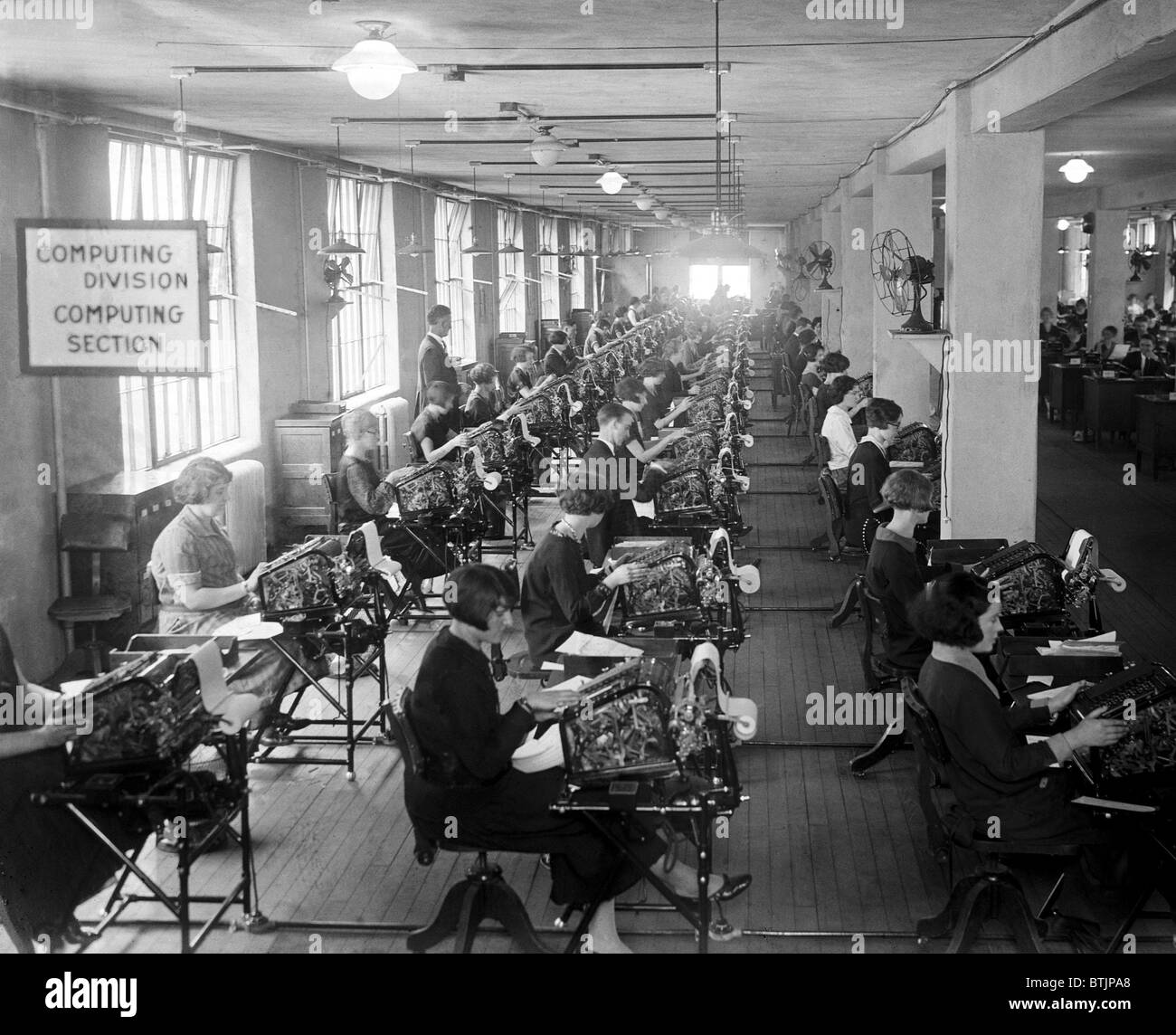
The federal government workers' compensation system for civilian and military employees traces its foundational structures back to major legislative acts passed during and after World War II. These statutory frameworks established how civilian defense workers, federal contractors, and armed forces personnel receive medical and financial indemnification for injuries, illnesses, or deaths sustained in the line of duty during wartime operations.
Historical Context and Legislative Foundations
When global conflict erupted, the mobilization of the American workforce expanded dramatically. Millions of civilian government employees, federal contractors, and auxiliary personnel deployed to domestic and international theaters of operation to support military logistics, construction, and administration. This rapid expansion exposed government personnel to unprecedented occupational hazards, ranging from factory accidents in domestic munitions plants to enemy action in overseas combat zones.
Existing workers' compensation statutes, primarily designed for peacetime civil service, proved inadequate for the scale and danger of wartime mobilization. To address these vulnerabilities, the United States Congress enacted specialized legislation and amended existing statutes. These measures ensured that individuals injured while serving the federal government during wartime retained clear pathways to medical care and wage replacement, laying the groundwork for modern federal occupational injury law.
Key Statutory Frameworks Governing Wartime Claims
Several distinct legislative acts govern government workers' compensation claims originating from the World War II era. Each statute targeted a specific category of worker or operational environment, creating a complex web of legal authorities that persist in historical adjudication today.
The Federal Employees' Compensation Act (FECA)
Originally enacted in 1916, FECA serves as the bedrock statute for civilian federal employees. During World War II, FECA was utilized extensively to handle injuries and occupational diseases sustained by civil service workers. Administered today by the Department of Labor's Office of Workers' Compensation Programs (OWCP), FECA provides comprehensive wage-replacement benefits, medical coverage, and vocational rehabilitation for civilian employees disabled by work-related injuries.
The Defense Base Act (DBA)
Passed in 1941, the Defense Base Act extended the longshore and harbor workers' compensation system to civilian contractors working on military bases outside the continental United States. As the United States established strategic outposts across the Pacific, European, and Atlantic theaters, thousands of private construction and support workers fell under the DBA. This act ensured that civilian contractors captured, injured, or killed by enemy forces while building overseas defense infrastructure received statutory compensation.
The War Hazards Compensation Act (WHCA)
Enacted shortly after the outbreak of war, the War Hazards Compensation Act worked in tandem with the DBA. It provided a reimbursement and compensation mechanism for injury, capture, or death resulting from a "war hazard"—specifically defined as enemy action, capture by the enemy, or operating under conditions simulating war. The WHCA shielded contractors and the federal government from unmanageable liability by subsidizing claims directly tied to combat operations.
Comparison of Wartime Federal Compensation Acts
| Statute | Primary Target Audience | Operational Scope | Key Benefits Provided |
|---|---|---|---|
| FECA | Civilian federal civil service employees | Domestic and international federal agencies | Wage replacement, medical care, survivor benefits |
| Defense Base Act | Civilian contractors and subcontractors | Overseas military bases and public works | Medical treatment, disability payments, death benefits |
| War Hazards Compensation Act | Contractors covered under DBA or similar acts | Global areas affected by direct enemy action | Indemnification for injuries/capture due to war risks |
Eligibility and Adjudication Standards
Navigating historical workers' compensation claims from the World War II period requires understanding the strict evidentiary standards established by federal agencies. Claimants—or their surviving dependents—must demonstrate that the injury, illness, or death arose out of and in the course of federal employment or authorized wartime contracting duties.
Establishing the Employment Relationship
For civilian personnel under FECA, proof of civil service status at the time of the incident is mandatory. For contractor employees under the Defense Base Act, documentation must establish that the employer held a valid contract with a federal agency and that the employee was actively deployed in furtherance of that contract in a designated overseas zone.
Causal Connection and Medical Evidence
Adjudication hinges on establishing a direct causal link between wartime duties and the resulting medical condition. Common historical issues include:
- Combat-Related Trauma: Documenting injuries sustained during enemy bombings, artillery fire, or naval attacks.
- Occupational Disease: Proving chronic illnesses, such as asbestosis from shipyard work or tropical diseases contracted in unmitigated operational environments.
- Missing or Incomplete Records: Overcoming archival gaps caused by wartime destruction of personnel files or rapid military deployments.
Long-Term Impact and Modern Relevance
The legislative evolution sparked by World War II fundamentally shaped how the United States government manages occupational risk for civilian personnel and contractors. The mechanisms developed during the war—particularly the expansion of the Defense Base Act and the refinement of FECA—formed the legal precedent utilized during subsequent global conflicts, including the Vietnam War and modern overseas contingency operations.
For researchers, historians, and descendants of wartime workers, accessing these historical compensation records involves navigating federal archives, such as the National Archives and Records Administration (NARA) and Department of Labor legacy databases. While the active processing of World War II-era claims has concluded, understanding these legal frameworks remains essential for historical research regarding the domestic and international home fronts.
Frequently Asked Questions
Did World War II military personnel use civilian workers' compensation?
No. Active-duty military personnel injured or killed during World War II received care and pensions through the Department of Veterans Affairs (VA) and military service systems, not civilian workers' compensation programs like FECA. Civilian workers and contractors, however, utilized FECA and the Defense Base Act.
How did the Defense Base Act affect civilian contractors during World War II?
The Defense Base Act ensured that private civilian contractors performing defense-related work overseas had guaranteed workers' compensation coverage similar to domestic workers, protecting them against injuries and fatalities caused by workplace accidents or enemy combat.
What constitutes a "war hazard" under the War Hazards Compensation Act?
A war hazard includes any injury, capture, or death resulting from the discharge of munitions, enemy attacks, operational hazards unique to war zones, or capture and internment by hostile forces.
How can descendants access historical government workers' compensation records?
Historical records for closed federal workers' compensation claims are typically transferred to the National Archives. Researchers must submit formal requests through archival portals, providing specific details such as the worker's full name, agency or contractor name, and dates of service.
Are new claims still filed under World War II compensation statutes?
Virtually all initial injury claims from World War II have long been adjudicated and closed. However, inquiries or appeals regarding historical survivor benefits occasionally require archival review of these foundational statutes.