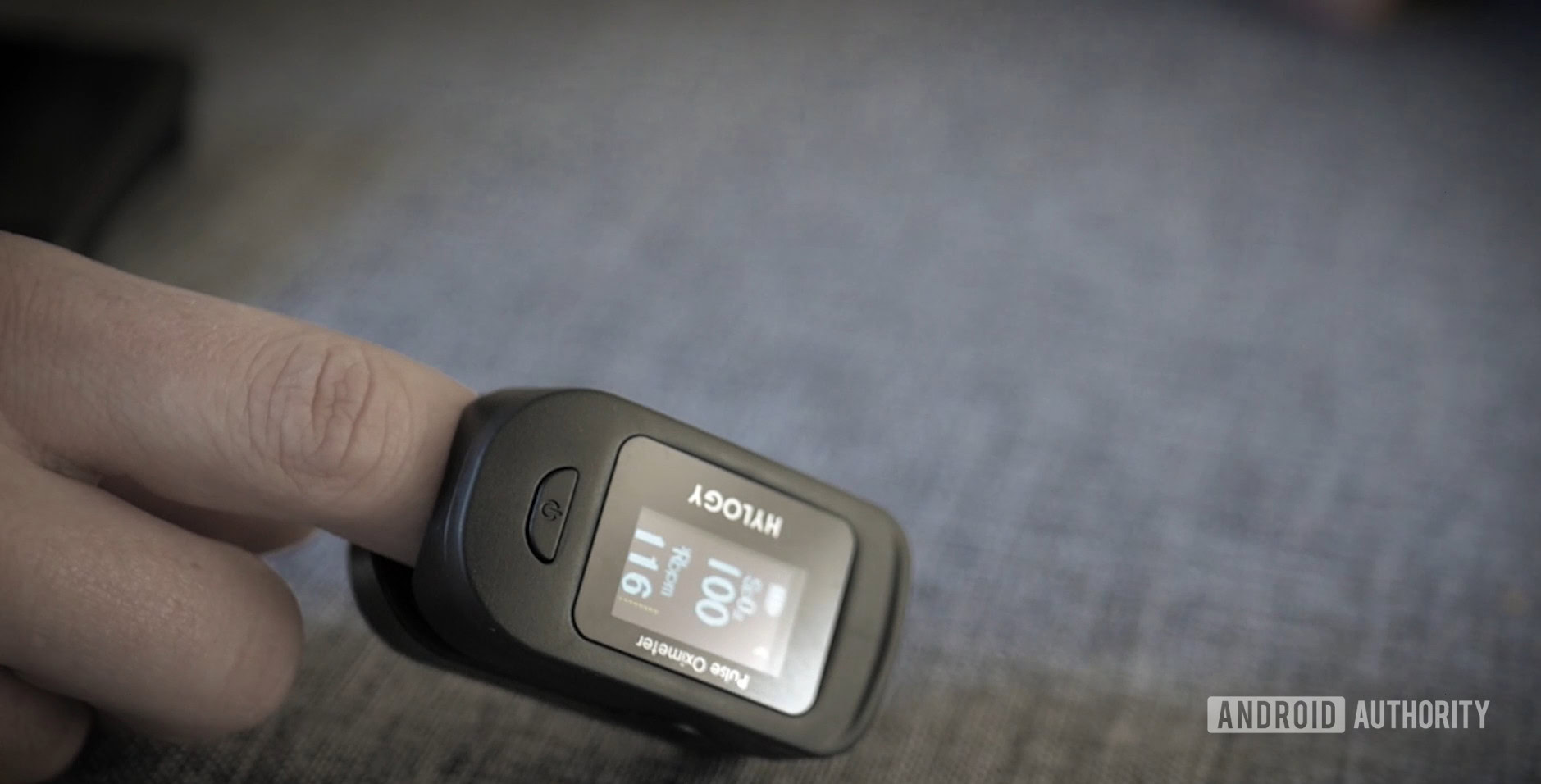
SpO2 represents the peripheral capillary oxygen saturation, a critical clinical measurement that estimates the percentage of oxygen-saturated hemoglobin in the blood relative to the total amount of hemoglobin present in the peripheral circulation. Essentially, it serves as an indicator of how efficiently your respiratory and circulatory systems are delivering oxygenated blood to the body’s extremities, such as your fingers, toes, or earlobes. By measuring the light absorption characteristics of blood, SpO2 provides a non-invasive glimpse into the oxygenation status of your tissues without requiring a direct blood sample.
The Physiology of Oxygen Transport
To understand what SpO2 represents, one must first look at the role of hemoglobin. Hemoglobin is a complex protein found within red blood cells, designed to bind with oxygen molecules in the lungs. Once oxygenated, these red blood cells travel through the arteries to deliver life-sustaining oxygen to tissues and organs.
As blood moves through the capillaries, it loses oxygen and gathers carbon dioxide, a waste product of cellular metabolism. SpO2 specifically measures the hemoglobin that is currently carrying oxygen (oxyhemoglobin) versus hemoglobin that has already released its oxygen (deoxyhemoglobin). In a healthy individual, this measurement is typically high, indicating that the vast majority of hemoglobin molecules are saturated with oxygen.
How SpO2 Is Measured: The Pulse Oximeter
The tool used to obtain this reading is called a pulse oximeter. This device relies on the principle of spectrophotometry, which uses light to determine chemical composition. A standard pulse oximeter features two light-emitting diodes (LEDs): one emitting red light (approximately 660 nanometers) and one emitting infrared light (approximately 940 nanometers).
- Light Absorption: Oxygenated hemoglobin absorbs more infrared light, while deoxygenated hemoglobin absorbs more red light.
- Detection: A photodetector on the opposite side of the sensor measures the intensity of these two light wavelengths after they pass through the tissue.
- Calculation: The device calculates the ratio of light absorption and converts it into a percentage, which is displayed as the SpO2 reading. Because the light source is emitted in pulses—corresponding to the heartbeat—the device can distinguish between arterial blood (which pulses) and venous blood or tissue (which remains relatively constant), ensuring the measurement is specific to the arterial supply.
Understanding Normal vs. Abnormal Ranges
While individual health conditions and altitude can influence personal baselines, standard clinical benchmarks provide a framework for evaluating SpO2 levels.
| SpO2 Percentage Range | Clinical Interpretation |
|---|---|
| 95% – 100% | Normal range for healthy individuals at sea level. |
| 91% – 94% | Mild hypoxemia; often warrants monitoring or medical assessment. |
| 86% – 90% | Moderate hypoxemia; typically requires supplemental oxygen or intervention. |
| Below 85% | Severe hypoxemia; urgent medical attention is generally indicated. |
It is important to note that these values represent a general guide. In patients with chronic obstructive pulmonary disease (COPD) or other respiratory conditions, clinicians may establish lower target thresholds based on the patient's specific health profile.
Factors Influencing Reading Accuracy
While pulse oximetry is a revolutionary technology for its ease of use and speed, it is not infallible. Several environmental and physiological factors can interfere with the sensor’s ability to provide an accurate reading:
- Peripheral Perfusion: Because the device relies on detecting the pulse, poor blood flow to the extremities—caused by cold temperatures, hypotension, or vasoconstriction—can lead to low-quality signals or erroneous readings.
- Motion Artifacts: Physical movement of the sensor during measurement can disrupt the light path, causing the device to struggle with calculation, often leading to a "low signal" error.
- Nail Polish and Pigmentation: Dark-colored nail polish (particularly blues, blacks, and greens) or significant skin pigmentation can interfere with light absorption, potentially leading to inaccurate readings.
- Ambient Light: Strong direct sunlight or intense surgical lighting can overwhelm the photodetector, though most modern clinical-grade devices are designed to compensate for this interference.
- Carbon Monoxide Poisoning: Pulse oximeters cannot distinguish between oxyhemoglobin and carboxyhemoglobin (carbon monoxide bound to hemoglobin). Consequently, a person suffering from carbon monoxide poisoning may display a "normal" or high SpO2 reading even when their actual oxygen delivery to tissues is severely compromised.
Medical vs. Consumer-Grade Devices
In 2026, the marketplace for pulse oximeters has expanded significantly, ranging from medical-grade devices used in hospitals to consumer-grade wearable fitness trackers. Understanding the difference is vital for anyone relying on these numbers for health management.
Medical-grade pulse oximeters are subject to strict regulatory standards regarding accuracy and safety. They are designed to provide clinical-grade data, often including plethysmographic waveforms that allow medical professionals to assess signal quality.
Conversely, consumer wearables and home-use finger clips are intended for general wellness and fitness tracking rather than medical diagnosis. While many are highly accurate under ideal conditions, they may lack the rigorous calibration required for patients with complex medical needs. If you are monitoring oxygen saturation for the management of a diagnosed chronic condition, always consult your physician regarding the type of device appropriate for your specific care plan.
When and Why Should You Monitor SpO2?
Routine self-monitoring of SpO2 is generally not required for the average, healthy person. However, it becomes an essential tool in several specific scenarios:
- Post-Operative Recovery: Following surgical procedures, SpO2 is monitored to ensure the patient is recovering well from anesthesia and maintaining adequate respiratory function.
- Chronic Respiratory Conditions: Patients with conditions like asthma, COPD, or interstitial lung disease often use pulse oximeters to gauge when they need to adjust their supplemental oxygen or seek medical assistance.
- High-Altitude Activities: At high altitudes, the partial pressure of oxygen in the atmosphere decreases, which can cause oxygen saturation levels to drop. Mountaineers and pilots use pulse oximetry to monitor for signs of altitude sickness.
- Sleep Medicine: Pulse oximetry is a component of overnight sleep studies used to diagnose sleep apnea, where individuals may experience significant drops in oxygen saturation while they sleep.
Common Troubleshooting Steps
If you receive an unexpected or "low" SpO2 reading, it is crucial to remain calm and verify the result before assuming a medical emergency:
- Check for Placement: Ensure the sensor is securely attached to a clean, warm finger or earlobe. Remove any nail polish.
- Warm the Extremity: If your hands are cold, rub them together or run them under warm water to increase blood flow before attempting the reading again.
- Remain Still: Keep the hand or limb being measured perfectly still. Avoid talking or moving the sensor during the process.
- Change Location: If the device continues to provide an inconsistent signal, try using a different finger or the other hand.
- Verify with Symptoms: Compare the reading against your physical state. If the device shows 85% but you feel perfectly fine and are breathing normally, the error is more likely to be mechanical (device-related) than biological. Conversely, if you feel short of breath, lightheaded, or confused, seek medical assistance regardless of what the device displays.
The Role of Professional Medical Advice
It is essential to emphasize that an SpO2 reading is only one piece of a larger clinical puzzle. A healthcare provider will interpret your oxygen saturation levels alongside other vital signs, such as heart rate, respiratory rate, blood pressure, and your physical presentation.
If you are concerned about your SpO2 levels, do not attempt to self-diagnose based on a digital reading. Symptoms of low oxygen, known as hypoxia, include shortness of breath, a rapid heart rate, coughing, sweating, and a bluish tint to the skin, lips, or fingernails. If you experience these symptoms, prioritize immediate medical care over the reading on your device.
Conclusion and Next Actions
SpO2 represents the percentage of your hemoglobin that is saturated with oxygen, serving as a non-invasive indicator of your respiratory efficiency. While it is a powerful tool for monitoring health, it is best utilized as an adjunct to your overall clinical picture rather than an absolute source of truth.
If you are using a pulse oximeter for personal health management, document your readings over time to establish your personal baseline. If you notice a consistent downward trend in your numbers or experience sudden respiratory distress, contact your primary healthcare provider. Should you require ongoing monitoring for a chronic condition, ask your doctor to recommend a device that meets the necessary clinical accuracy standards for your specific needs.