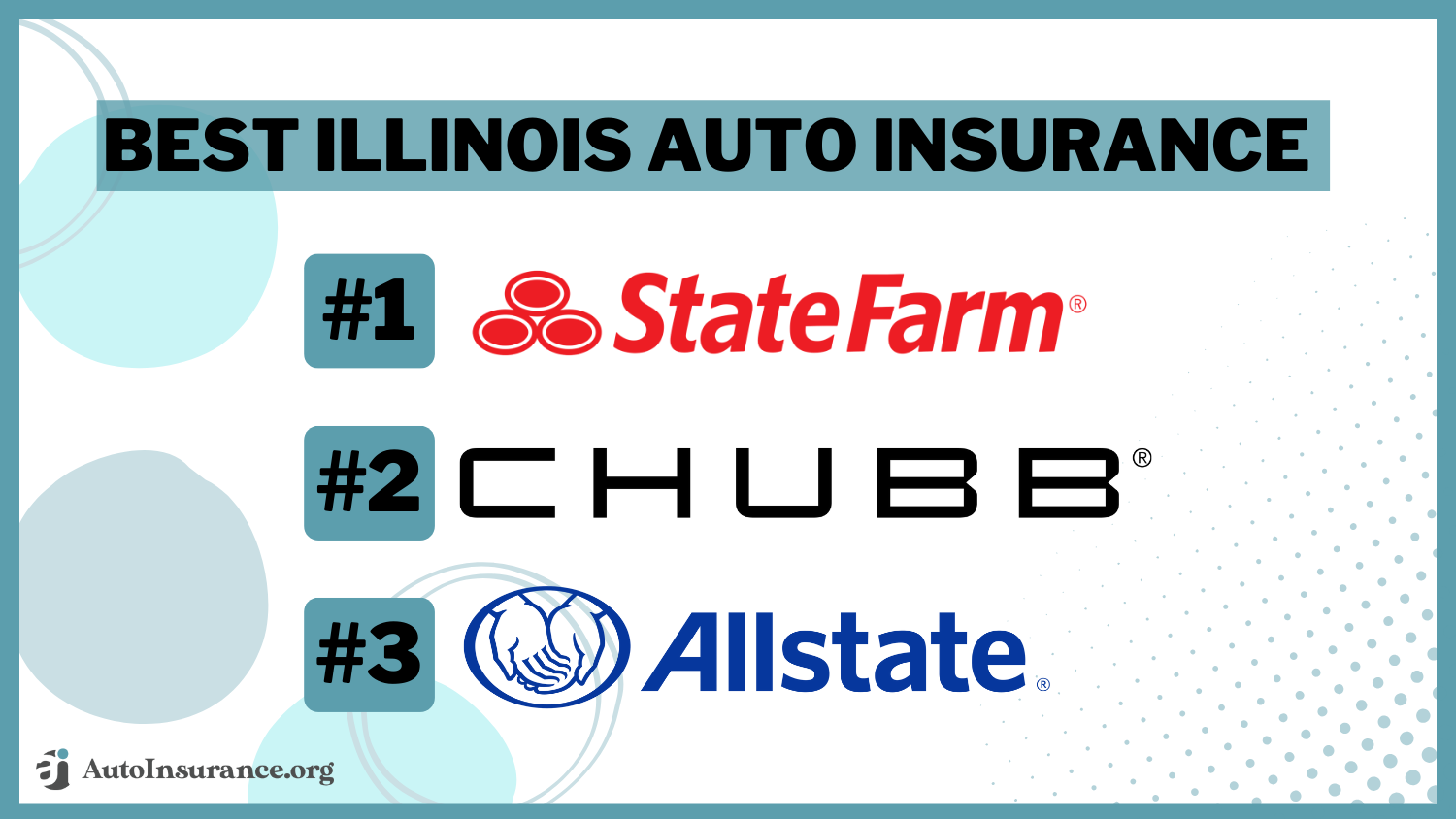
In 2019, the Illinois insurance market was characterized by a diverse mix of national underwriters and strong regional mutual companies competing for consumer trust. Analyzing the landscape from that period provides a benchmark for understanding how premiums, claim satisfaction ratings, and financial strength—as reported by industry trackers like J.D. Power and the A.M. Best Company—shaped the coverage choices of Illinois residents during that fiscal year.
The Landscape of Illinois Insurance in 2019
The Illinois insurance market in 2019 was defined by the unique regulatory environment overseen by the Illinois Department of Insurance. Consumers looking for "top-rated" companies typically balanced two primary metrics: financial stability (the ability to pay out claims) and customer service satisfaction (the experience of the policyholder during the claims process).
During this period, the state saw a competitive battleground where legacy carriers like State Farm, headquartered in Bloomington, Illinois, held significant market share. Because Illinois is subject to varied weather patterns—ranging from winter storms in the north to the risk of severe thunderstorms and tornadoes throughout the central and southern regions—the performance of home insurance providers was heavily scrutinized based on their response times to regional natural disaster events.
Defining "Top-Rated" Through Industry Metrics
When industry analysts and consumer advocacy groups ranked companies in 2019, they relied on specific, repeatable methodologies. To understand why certain companies held the "top-rated" designation, it is essential to look at the pillars of their evaluation:
- Financial Strength Ratings: Provided by agencies like A.M. Best, these ratings indicate an insurer’s ability to meet its ongoing insurance policy and contract obligations. A "Superior" rating (A++) was the gold standard for companies operating in Illinois in 2019.
- J.D. Power Customer Satisfaction Index: This metric focused on five key factors: interaction, policy offerings, price, billing process/policy information, and claims.
- National Association of Insurance Commissioners (NAIC) Complaint Ratios: This data provided a clear picture of how many justified complaints a company received relative to its size. A lower ratio indicated a more favorable outcome for the average consumer.
Major Players and Their Market Standing
In 2019, several carriers distinguished themselves in the Illinois market. While individual satisfaction varied based on local agent quality and specific policy terms, the following firms consistently appeared at the top of performance reports.
State Farm
As a local titan, State Farm dominated the Illinois landscape in 2019. Its strength lay in its massive network of local agents. For many Illinois residents, the primary draw was the ability to bundle home and auto policies with a face-to-face representative. In 2019, State Farm’s reputation was bolstered by its localized claims response infrastructure, which allowed for rapid deployment following localized storm events in the Midwest.
Country Financial
Also rooted in the Illinois region, Country Financial maintained a strong reputation for customer service during this period. Often cited for high satisfaction in the "interaction" and "policy offerings" categories of 2019 reports, this carrier catered significantly to the suburban and rural markets of the state, providing specialized coverage options for homeowners with larger properties or agricultural ties.
GEICO and Progressive
These carriers represented the "direct-to-consumer" segment. In 2019, Illinois consumers who prioritized technological integration—such as mobile app-based claims filing and digital policy management—often migrated toward these companies. While they lacked the local office presence of a mutual insurer, their 2019 data showed a high efficiency in price-to-coverage ratios, which appealed to tech-savvy urban residents in the Chicago metropolitan area.
Comparative Analysis Table: Market Indicators
The following table summarizes the key characteristics associated with top-rated insurance providers in Illinois during the 2019 calendar year, based on industry-standard benchmarking of that time.
| Provider | Primary Market Strength (2019) | Customer Service Model | Best For |
|---|---|---|---|
| State Farm | Financial stability and local footprint | Agent-based | Residents seeking bundled coverage |
| Country Financial | Regional expertise and personalized service | Agent-based | Suburban/Rural homeowners |
| GEICO | Competitive pricing and mobile tech | Direct/Digital | Budget-conscious urban drivers |
| Progressive | Flexible add-ons and reporting tools | Digital/Hybrid | Complex multi-vehicle households |
| Allstate | Extensive coverage options/discounts | Agent-based | Families with multiple assets |
Requirements for Comparing Insurance Quotes
For a resident in 2019 attempting to identify a "top-rated" company, the process required more than just looking at a list of names. It required an audit of personal coverage needs. Before requesting quotes, homeowners and drivers were advised to have the following information prepared:
- Current Declarations Page: This document outlines exactly what is covered under a current policy, including deductible amounts, liability limits, and specialized riders (such as flood insurance or jewelry floaters).
- Vehicle Identification Numbers (VINs): For auto insurance, accuracy in the VIN ensures that safety features and vehicle classification are accounted for in the premium calculation.
- Property Details: Square footage, roof age, and security system specifications were the primary variables that affected home insurance premiums in 2019.
- Loss History (CLUE Report): Claims history is the most significant factor in premium volatility. Understanding one’s own record helped in setting realistic expectations for quotes.
Navigating the Claims Process
The true test of a "top-rated" insurance company is its performance during a claim. In 2019, Illinois policyholders were encouraged to evaluate companies not just by premiums, but by their "Claim Settlement Performance."
When filing a claim, the standard protocol for top-rated carriers in 2019 involved:
- Immediate Notification: Using a 24/7 hotline or a mobile application to document the incident.
- Documentation: Carriers emphasized the importance of high-quality photographs and detailed inventories of damaged items, particularly for homeowners who suffered wind or water damage.
- Adjuster Inspection: A critical phase where the insurer assigned an adjuster to verify the damage. In 2019, the best-rated companies were those that provided clear timelines for when this inspection would occur.
Factors Influencing 2019 Premiums in Illinois
Premiums in 2019 were not arbitrary; they were the result of complex actuarial calculations. Illinois residents often faced premium adjustments based on:
- Urbanization: Residents in the Chicago area generally saw higher premiums for auto insurance due to higher accident frequency and theft rates compared to downstate residents.
- Vehicle Safety Ratings: The inclusion of advanced driver-assistance systems (ADAS) in 2019 vehicles began to affect premium discounts.
- Home Age and Infrastructure: In 2019, insurers were increasingly scrutinizing the age of electrical and plumbing systems in older Illinois homes, leading to higher premiums for properties lacking recent renovations.
Common Mistakes When Selecting Coverage
The most common error reported by Illinois insurance consumers in 2019 was prioritizing the "cheapest premium" over the "adequacy of limits." For instance, choosing the state minimum liability for auto insurance often left drivers exposed to significant out-of-pocket costs in the event of an at-fault accident. Similarly, opting for a low-premium home policy that excluded "Replacement Cost" in favor of "Actual Cash Value" meant that if a home were destroyed, the homeowner would only receive the depreciated value of their possessions rather than enough to replace them.
Frequently Asked Questions
What is the difference between an independent insurance agent and a captive agent? A captive agent works exclusively for one insurance company (like State Farm), offering only their products. An independent agent represents multiple insurance companies, allowing them to compare quotes from several different carriers to find the best fit for the customer's needs and budget.
How does my credit score affect my insurance rates in Illinois? In 2019, most insurance carriers in Illinois utilized "insurance-based credit scores" as a rating factor. While not a credit report in the lending sense, this score assesses the statistical likelihood of an individual filing a claim. Maintaining a strong credit history was a verified strategy for securing lower insurance premiums.
What is a "deductible," and how does it change my premium? A deductible is the amount you pay out-of-pocket before your insurance kicks in. In 2019, the general rule was that opting for a higher deductible (e.g., $1,000 instead of $500) would lower your annual premium. However, the policyholder had to ensure they had sufficient liquid savings to cover that deductible in an emergency.
Are "bundling" discounts actually worth it? Yes. In 2019, nearly every top-rated insurance company offered a multi-policy discount for combining home and auto insurance. Beyond the premium reduction, bundling provided the convenience of a single point of contact and unified billing, which helped reduce administrative friction for the policyholder.
Can an insurance company cancel my policy mid-term in Illinois? Illinois state law provides specific protections for policyholders. While insurers have the right to non-renew a policy under specific circumstances—such as a failure to pay premiums or material misrepresentation of facts—they are generally required to provide written notice within the timeframe stipulated by state statutes.
Recommendation for Policyholders
To ensure the best protection for your assets, you should perform an annual review of your policy limits and coverage declarations. If you have made significant home improvements, such as a roof replacement or the installation of a home security system, notify your agent immediately to potentially trigger new discounts. When evaluating an insurance company, look past the initial price tag; prioritize carriers that demonstrate a history of fair claims handling and transparent communication. If you are unsatisfied with your current provider, request quotes from at least three different carriers—ideally a mix of large national brands and reputable regional mutuals—to establish a competitive baseline.