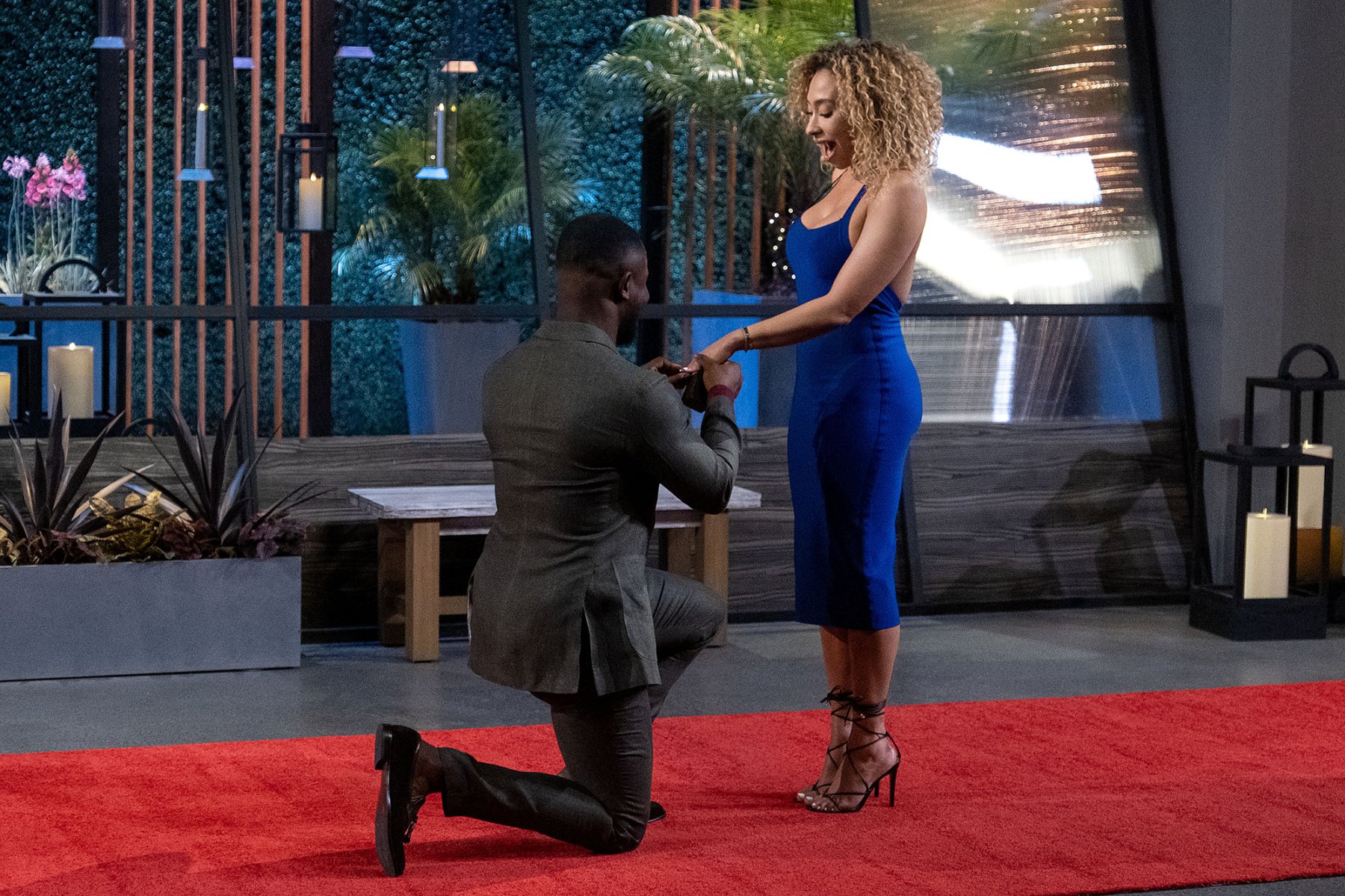
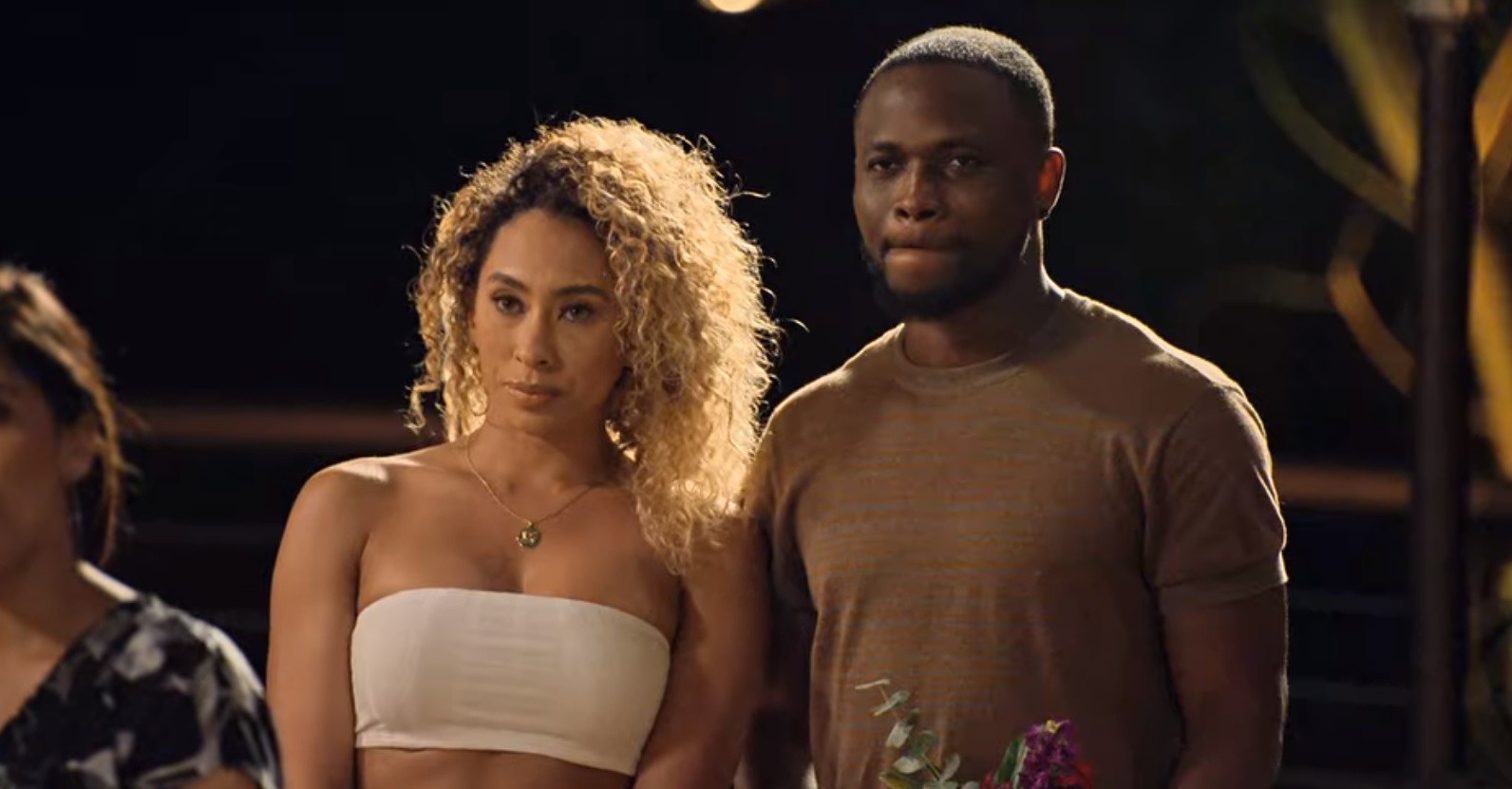
Raven Ross and Sikiru "SK" Alagbada were one of the most discussed couples to emerge from the third season of the Netflix reality series Love Is Blind, which was filmed in Dallas and premiered in 2022. Their journey, characterized by a unique "slow-burn" progression, significant cultural discussions, and a highly publicized engagement, remains a hallmark narrative of the series. While many fans initially speculated about the longevity of their connection due to the structural constraints of the experiment, their on-screen interactions provided a complex look at modern dating, long-distance requirements, and the intersection of personal values.
The Origins of the Connection in the Pods
The premise of Love Is Blind involves individuals dating in "pods," where they communicate solely through audio without seeing one another. For Raven Ross, a Pilates instructor, and SK Alagbada, a graduate student, this stage was pivotal. Raven entered the experiment with a high-energy personality and a set of firm expectations, while SK, hailing from Nigeria, brought a more reserved, analytical approach.
Their connection was not instantaneous in the way some other pairs experienced. Instead, it was built on a series of deep conversations regarding their backgrounds. Raven was initially drawn to other participants, but as the pod process narrowed, the emotional intimacy between her and SK grew. This period was essential for setting the stage for their eventual engagement, as it allowed both parties to navigate potential personality clashes—specifically, Raven's extroversion versus SK's introversion—before making a lifelong commitment.
The Engagement and Real-World Transition
The engagement occurred inside the pods, a moment that served as the climax of their initial phase. However, the transition to the "real world"—where the couples spend time living together and meeting each other's families—highlighted the stark differences in their lifestyles.
One of the primary friction points for the couple was the integration of Raven’s independent lifestyle with SK’s cultural expectations and his academic path. SK, who was pursuing an MBA at the University of California, Berkeley, was geographically separated from Raven during much of the post-pod filming. This reality forced them to address the logistical challenges of a long-distance relationship almost immediately. The couple had to navigate how to balance their career ambitions with the necessity of constant communication, a task that proved difficult during the high-pressure filming schedule of the series.
Key Dynamics: Cultural Integration and Communication
The engagement was significantly impacted by the cultural differences between the two. SK’s background, particularly his Nigerian heritage, played a large role in how he viewed the potential for marriage and family. Scenes featuring his family were some of the most critically analyzed moments of the third season, as viewers observed the cultural exchange between Raven and SK’s relatives.
| Aspect | Raven Ross | Sikiru (SK) Alagbada |
|---|---|---|
| Professional Focus | Fitness/Pilates Instruction | Graduate Student (MBA) |
| Communication Style | Direct, Energetic | Measured, Thoughtful |
| Cultural Context | Modern American | Nigerian-American |
| Primary Challenge | Balancing Independence | Geographic Distance |
The interaction between these two styles was a frequent subject of debate among the audience. Raven often expressed a need for affirmation and validation, which she felt was occasionally lacking due to SK’s stoic nature. Conversely, SK sought a partner who could integrate into his life and academic trajectory. This dynamic highlighted the common struggle in Love Is Blind participants: the effort to reconcile the "pod persona" with the partner’s actual life circumstances.
The Climax of the Experiment: The Wedding Day
The wedding day for Raven and SK was one of the most anticipated moments of Love Is Blind Season 3. Given the ups and downs of their relationship—ranging from the intimacy of their early dates to the tension created by their differing views on cohabitation and the impending move to California—the audience was divided on whether they would actually proceed with the marriage.
At the altar, the couple faced the final test. The production of the show often relies on these high-stakes decisions to define the success or failure of the social experiment. Their choice at the altar served as a reflection of how they evaluated their growth over the previous weeks. For viewers interested in the mechanics of the show, this moment provided a case study in how pressure, filming constraints, and genuine emotional connection interact to produce a final decision.
Post-Show Developments and Public Perception
Following the conclusion of the season, the public interest in Raven and SK remained high. Because the show is heavily edited, many fans sought clarity on what occurred after the cameras stopped rolling. The "After the Altar" specials and social media updates became the primary sources for audiences to track their status.
The narrative of their post-show relationship was marked by public updates, periods of reconciliation, and eventual challenges. These developments taught viewers that the "experiment" extends far beyond the final episode of a season. The legal, personal, and emotional realities of maintaining a relationship under the scrutiny of reality television fame often complicate the fairy-tale conclusion that the show suggests.
Lessons from the Raven and SK Relationship
The relationship between Raven and SK offers several lessons for those interested in the sociology of modern dating and the structure of reality television.
- Geographic Constraints: The couple's struggle with distance highlights that even with a strong emotional foundation, logistics like career-driven relocation can strain a partnership.
- Cultural Compatibility: The integration of families and cultural traditions is a significant component of marital success, something that was clearly on display during their time on the show.
- Communication Styles: The contrast between Raven’s need for emotional expression and SK’s preference for quiet stability is a common friction point in many relationships, not just those formed on television.
- Expectation Management: Both participants had to learn to pivot from their individual expectations to a shared vision, a process that requires significant compromise.
Frequently Asked Questions
1. Did Raven and SK get married on the show? No, Raven and SK did not get married on the day of their wedding ceremony in Love Is Blind Season 3. They chose not to proceed with the marriage at the altar, citing the need for more time to grow together and navigate their future.
2. Why was the distance between them such a big issue? The distance was a primary issue because SK was committed to his MBA program in California, while Raven had built her career and life in Dallas. The challenge of maintaining a long-distance relationship while attempting to build a foundation for marriage added significant pressure that was difficult to manage during the filming timeline.
3. What were the main cultural differences mentioned on the show? The main cultural differences centered on SK’s Nigerian heritage and the expectations of his family. This included traditions, lifestyle values, and the way in which he envisioned his future life, which at times contrasted with the expectations Raven had for her own life as a fitness professional.
4. How long were Raven and SK together after the show? Following the conclusion of filming and the broadcast of the season, Raven and SK attempted to continue their relationship. They shared updates with the public about their ongoing efforts to make their connection work, despite the challenges that were presented during the original filming of the series.
Conclusion and Next Actions
The story of Raven Ross and Sikiru Alagbada remains a compelling chapter in the history of Love Is Blind. It serves as a reminder that the transition from a highly controlled environment like the pods to the complexities of real life is the true test of any relationship. For fans who want to understand more about the "slow-burn" approach, revisiting the early episodes of Season 3 provides the best insight into how they laid their initial foundation.
If you are interested in analyzing further, you might consider watching the "After the Altar" specials for Season 3, which provide additional context regarding their life after the initial airing. Observing how participants handle the aftermath of the show—including the public scrutiny and the logistical hurdles—is just as important as watching the show itself for understanding the full scope of their journey.