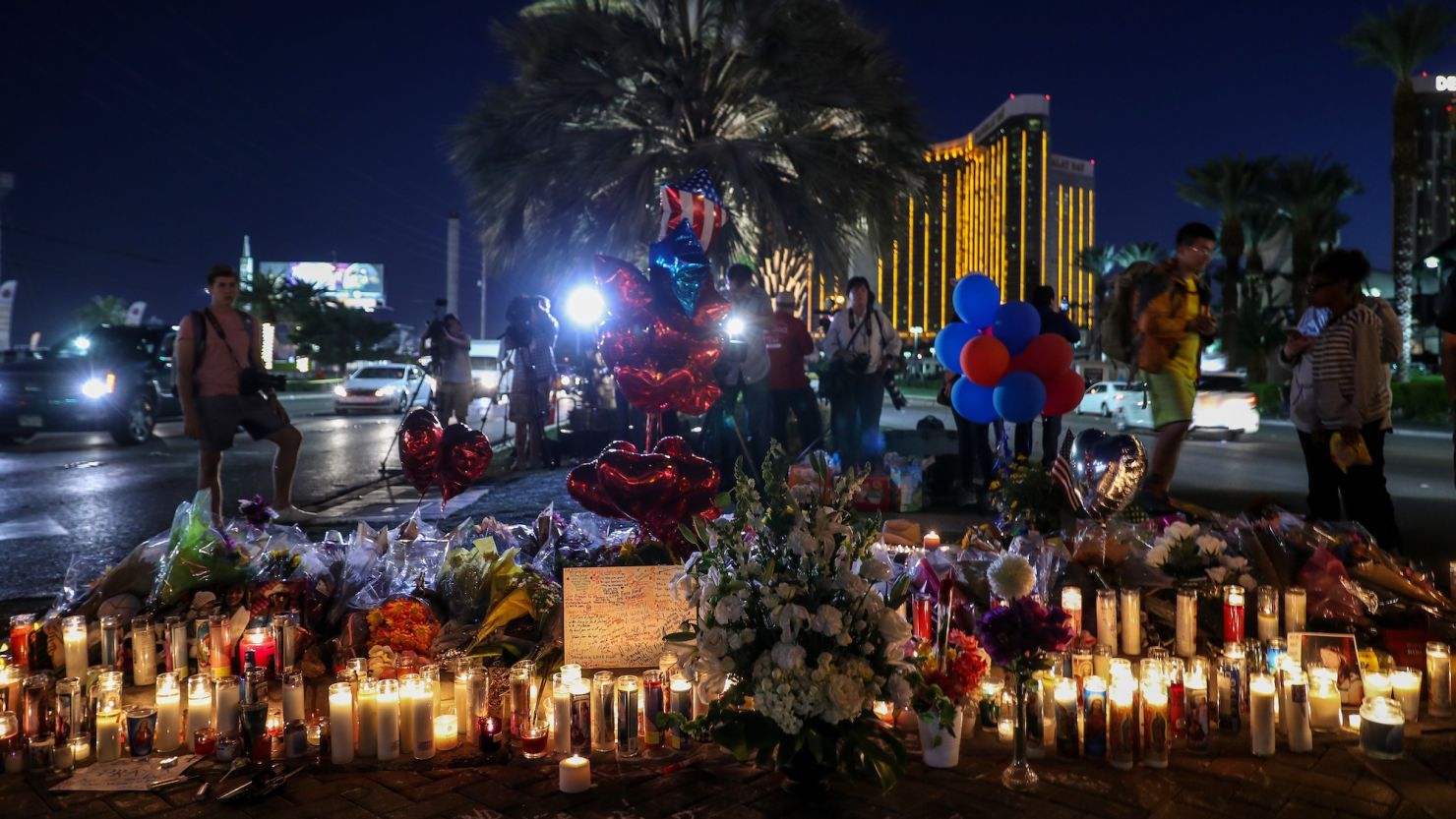
The 1 October 2017 shooting at the Route 91 Harvest festival in Las Vegas remains the deadliest mass shooting by a single perpetrator in modern United States history. Occurring on the Las Vegas Strip, the event fundamentally altered public safety protocols, emergency response strategies, and long-term victim support frameworks in Nevada and across the nation.
The Venue: Route 91 Harvest Festival
The Route 91 Harvest was a three-day country music festival held in Las Vegas, Nevada. The event took place at a dedicated open-air venue situated on the south end of the Las Vegas Strip, directly across Las Vegas Boulevard from the Mandalay Bay Resort and Casino. By 2017, the festival had become a staple for country music enthusiasts, drawing thousands of attendees annually to the desert environment. The venue itself was designed as a temporary, fenced-in space utilizing a portion of the Las Vegas Village lot.
On the night of October 1, 2017, the final day of the festival, the venue was crowded with approximately 22,000 attendees gathered to watch the closing performance. The physical layout of the site—large, open, and surrounded by high-rise structures—would later become a primary focus for urban planners and security experts analyzing crowd safety and site vulnerability.
Chronology of the 1 October Incident
At approximately 10:05 PM, the atmosphere at the concert changed instantly when the perpetrator, firing from the 32nd floor of the adjacent Mandalay Bay Hotel, initiated a sustained barrage of gunfire directed at the crowd below. The distance between the shooter’s position and the venue floor created an elevated, long-range vantage point that made the attendees below extremely vulnerable to high-velocity fire.
The duration of the shooting lasted approximately ten minutes, creating a chaotic and lethal environment. Because the shooter was positioned in a hotel room far above the event, the initial confusion regarding the source of the gunfire complicated the immediate response from security and law enforcement. Attendees, caught in an open field, faced significant challenges in identifying cover, as the venue offered limited protection against fire originating from such an elevation.
Law Enforcement and Tactical Response
The response to the Route 91 shooting involved an unprecedented mobilization of the Las Vegas Metropolitan Police Department (LVMPD) and surrounding agencies. Once the source of the gunfire was identified as the Mandalay Bay, specialized tactical teams were dispatched to the hotel. The internal movement of law enforcement through the resort required precise coordination to neutralize the threat while ensuring the safety of hotel guests and staff who were unaware of the situation unfolding in the upper floors.
By the time officers breached the hotel room, the perpetrator had taken his own life. The post-incident investigation involved federal agencies, including the FBI and the Bureau of Alcohol, Tobacco, Firearms and Explosives (ATF), working alongside local authorities to process the scene, interview thousands of witnesses, and conduct a forensic reconstruction of the event.
Technical Impacts on Public Venue Security
In the years following the 2017 incident, the approach to security for major outdoor events in Las Vegas and throughout the U.S. has undergone a comprehensive shift. The "Route 91" incident highlighted a critical vulnerability: the threat posed by elevated, off-site vantage points.
| Security Aspect | Pre-2017 Approach | Post-2017 Standard |
|---|---|---|
| Venue Perimeter | Primarily focused on ground-level access. | Expanded to include "vertical" threat monitoring. |
| Surveillance | Ground-based CCTV and physical patrols. | Integrated wide-area drone and thermal sensing. |
| Coordination | Localized radio dispatch. | Inter-agency real-time unified command centers. |
| Crowd Safety | Egress management for fire safety. | Multi-modal exit strategies for active threats. |
This shift has influenced how large-scale events are permitted, with local governments now requiring more rigorous threat assessments regarding the height and proximity of surrounding buildings, glass visibility, and emergency egress routes that account for high-panic scenarios.
Support for Victims and Families
The aftermath of the October 1 tragedy led to the establishment of long-term support systems. The Vegas Strong Fund, created shortly after the event, provided essential resources for those affected. In 2026, many of the institutional frameworks designed to assist victims remain active in providing ongoing support for mental health, legal advocacy, and financial assistance.
The long-term recovery process has involved coordination between non-profits, the State of Nevada, and federal victim assistance programs. These entities prioritize the physical and emotional rehabilitation of survivors, recognizing that the trauma associated with such an event persists long after the physical wounds have healed.
Managing Large-Scale Public Safety: Lessons Learned
The primary lesson from the 1 October shooting centers on the importance of "Situational Awareness at Scale." Organizers of large events must now look beyond the event footprint. The technical challenge is not merely the fencing at the perimeter but the entire airspace and line-of-sight environment surrounding the concert.
Security planners now utilize advanced mapping software to identify potential "high ground" threats. These tools allow for the simulation of line-of-sight impacts from surrounding hotel windows or office buildings. This proactive, data-driven security model is now a requirement for any major event taking place in a dense urban environment like the Las Vegas Strip.
Frequently Asked Questions
What is the current status of the Route 91 venue? The specific lot that hosted the Route 91 Harvest festival has remained closed and vacant since the incident. In the years following 2017, there have been various proposals for memorial sites and redevelopment, but the property remains a restricted space, serving as a reminder of the events that occurred there.
How did the shooting impact Las Vegas hotel security? Hotels across the Las Vegas Strip significantly tightened security protocols, including enhanced scrutiny of guests bringing heavy luggage or large bags into hotel rooms. Many resorts implemented internal security screening policies and increased the frequency of floor patrols, particularly in towers that offer direct lines of sight to high-traffic public areas.
Are there ongoing legal proceedings related to the event? Most of the major litigation regarding the 1 October shooting concluded years ago. Various settlements were reached between the MGM Resorts International corporation—the owner of the Mandalay Bay—and the families of the victims and survivors, resolving civil liability claims. As of 2026, the focus has shifted largely to long-term victim care and memorial initiatives.
Where can survivors find support in 2026? Survivors and their families can access resources through the Vegas Strong Resiliency Center. This center was established to provide a centralized hub for survivors to connect with mental health professionals, peer support groups, and compensation or legal advocacy resources that remain relevant years after the incident.
How do authorities prepare for similar mass-casualty events today? Authorities use "Unified Command" structures that allow police, fire, and emergency medical services to share a common operational picture. Regular multi-agency exercises are held to simulate complex, large-scale threats, ensuring that communication between agencies is seamless and that triage protocols can handle high volumes of patients simultaneously.
Recommendations for Future Event Attendance
For those attending large public gatherings in major cities, it is recommended to practice basic situational awareness. Familiarize yourself with the venue layout upon arrival, locate at least two distinct exit paths, and identify the location of security personnel. While the responsibility for safety lies primarily with organizers and local authorities, being aware of one’s surroundings is a vital component of personal safety in any large crowd.