Reaching age 45 is a significant financial milestone that often brings peak earning years, heightened family responsibilities, and a clearer view of approaching retirement. During this pivotal decade, determining your needed life insurance coverage requires a precise calculation of your current financial obligations, future income replacement needs, and evolving family milestones. Unlike the simpler policies often evaluated in your twenties or thirties, protecting a household at 45 means accounting for secondary education funding, spousal retirement security, and remaining mortgage liabilities.
Evaluating your insurance requirements at age 45 involves balancing your current financial liabilities against existing assets to isolate the exact death benefit necessary to protect your dependents. This process requires projecting future income needs until retirement, assessing outstanding debts, factoring in inflation, and evaluating existing employer-sponsored or private policies to ensure your family maintains financial stability if you pass away unexpectedly.
The Significance of Age 45 in Financial and Insurance Planning
At age 45, individuals frequently find themselves in a unique economic phase often referred to as the "sandwich generation." This phase is characterized by simultaneous financial pressures: supporting growing children who may be approaching college age while potentially providing emotional or financial assistance to aging parents. Economically, age 45 represents the midpoint of a traditional career trajectory. You likely have fifteen to twenty years of peak earning potential remaining, which translates to a substantial aggregate income stream that must be protected.
Insurance underwriters and financial planners view age 45 as a crucial transition point. Mortality risk begins to increase incrementally each year after 40, making life insurance premiums noticeably higher than they were a decade prior. However, because income is typically at its highest, the ability to fund a comprehensive policy that adequately addresses multi-faceted family needs is also at its peak. Failing to review and update your coverage at this juncture often leaves a dangerous gap between what your family would receive and what they would actually need to sustain their standard of living.
Furthermore, life insurance at 45 is no longer just about replacing lost income for young children. It is about safeguarding a complex financial ecosystem. This includes protecting a business partnership, ensuring a surviving spouse can eventually retire without dependency, and clearing major capital debts like a primary residence mortgage. Recognizing these multifaceted responsibilities is the first step toward executing an accurate coverage calculation.
Core Methodologies for Calculating Life Insurance Needs
Determining the precise dollar amount of coverage required involves proven mathematical frameworks. Relying on rough estimates or outdated rules of thumb—such as simply multiplying your salary by ten—can severely underinsure or overinsure your household. Financial professionals typically rely on two primary methodologies: the Human Life Value (HLV) approach and the Needs-Based (or Capital Retention) approach.
The Human Life Value Approach
The Human Life Value approach focuses strictly on your economic value to your dependents based on your projected future earnings. This method calculates the net present value of your remaining income stream minus personal consumption, taxes, and work-related expenses.
To calculate HLV manually or with a financial calculator, you must project your annual earnings through your intended retirement age, apply an estimated annual wage growth rate, subtract personal maintenance costs, and discount the future stream back to present value using a conservative interest rate. While objective, this method can overlook specific future capital expenditures like college tuition or final medical expenses, which is why many planners prefer a comprehensive needs-based analysis.
The Needs-Based Approach
The needs-based approach is a more granular, customizable method that builds your coverage figure from the ground up by categorizing obligations into immediate, ongoing, and future expenses. Often called the DIME framework (Debt, Income, Mortgage, Education), this method ensures every distinct financial obligation is matched with specific policy funds.
| Expense Category | Description & Typical Inclusions | Calculation Consideration |
|---|---|---|
| Debt | Credit cards, auto loans, personal loans, and final expenses | Total current balances plus an estimated $10,000 to $15,000 for funeral and probate costs. |
| Income | Replacing annual take-home pay for surviving dependents | Multiply target annual income by the number of years until dependents are self-sufficient. |
| Mortgage | Remaining principal balance on the primary residence | Full payoff amount to allow surviving family members to live rent-free or mortgage-free. |
| Education | Projected tuition, room, and board for children's college | Current projected four-year costs per child, adjusted for historical education inflation. |
By aggregating the totals from these four categories, you arrive at your gross funding requirement. Subtracting your liquid savings, retirement accounts earmarked for this purpose, and existing life insurance policies yields the net coverage amount you must purchase at age 45.
Step-by-Step Guide to Determining Your Coverage at 45
Executing a thorough coverage assessment requires gathering concrete financial data and following a systematic analytical process. Follow these steps to establish your specific target coverage amount:
- Audit Your Current Assets and Liabilities: Compile a comprehensive balance sheet listing all outstanding debts, including mortgages, home equity lines, vehicle notes, and unsecured loans. Concurrently, list all liquid assets, investment portfolios, and retirement accounts.
- Define Your Time Horizon: Determine how many years your dependents will rely on your income. If you have a youngest child who is 10 years old, you may need income replacement for at least 12 to 15 years until they finish undergraduate education and achieve financial independence.
- Calculate Income Replacement Needs: Estimate the portion of your current income that your family would need to maintain their standard of living. Factor in that household expenses often decrease slightly when supporting one fewer adult, but also account for potential increases in childcare or household management costs.
- Incorporate Major Future Milestones: Add specific line items for upcoming large expenses. If you plan to fund 100% of public or private university tuition for two children, research current costs and project future values based on standard education inflation rates.
- Account for Spousal Retirement Security: At age 45, your spouse is likely also mid-career, but the loss of your income could severely compromise their ability to accumulate adequate retirement savings. Calculate the lump sum needed to ensure your surviving spouse can retire comfortably at their target retirement age without your contributions.
- Subtract Existing Coverage: Deduct any group life insurance provided by your employer (keeping in mind that employer policies often terminate if you leave the company) and any existing individual term or permanent policies you already own.
- Consult Official Guidance: For broader economic baselines and consumer protection standards, reference publications from the National Association of Insurance Commissioners to understand regulatory consumer protections and policy provisions.
Common Pitfalls to Avoid When Buying Coverage at 45
Navigating the insurance market at age 45 presents specific traps that can leave a family underprotected or lead to paying for unnecessary products. Awareness of these common errors ensures a more efficient allocation of financial resources.
Relying Solely on Employer-Provided Group Life Insurance
Many individuals at age 45 assume their employer's group policy—often equal to one or two times their annual salary—is sufficient. However, group coverage is rarely portable if you change jobs, is typically inadequate for a family with a mortgage and children, and can be abruptly canceled or reduced by an employer during economic downturns. Private individual term insurance provides essential portability and coverage continuity that employer plans cannot match.
Neglecting Inflation and Real Purchasing Power
When projecting financial needs fifteen or twenty years into the future, failing to account for inflation is a critical mistake. A dollar today will not buy the same basket of goods or pay the same tuition rate in the future. Ensure your income replacement and education calculations incorporate reasonable annual inflation adjustments to prevent your death benefit from losing purchasing power over time.
Purchasing Permanent Insurance Solely for Investment Purposes
At age 45, agents may pitch whole life or universal life insurance policies as tax-advantaged retirement vehicles. While permanent insurance serves specific estate planning or lifelong protection needs, using it exclusively as an investment wrapper can carry high administrative fees and lower returns compared to traditional tax-advantaged accounts like 401(k)s or IRAs. Focus primarily on term life insurance to cover temporary liabilities like mortgages and child-rearing, reserving permanent products for permanent, long-term financial goals.
Policy Types and Term Lengths Suited for Age 45
Choosing the right policy structure at age 45 depends directly on how long your specific financial obligations will persist. Because financial responsibilities generally taper off as you approach traditional retirement age, term life insurance is frequently the most cost-effective solution for this life stage.
- 15-Year Term Life Insurance: Ideal if your primary concerns are funding a child's remaining education years and paying down the bulk of a current mortgage, assuming you plan to be completely debt-free and financially independent by age 60.
- 20-Year Term Life Insurance: The most common choice for 45-year-olds with younger children or larger mortgages, ensuring coverage remains level until age 65, which aligns closely with standard retirement milestones and Medicare eligibility.
- 30-Year Term Life Insurance: Appropriate if you started a family later in life or took out a new 30-year mortgage at age 45, ensuring protection lasts through your traditional working years until age 75.
- Convertible Term Policies: A strategic option for 45-year-olds who want affordable term coverage now but desire the contractual right to convert all or part of the policy into permanent coverage later in life without undergoing a new medical examination, should their health status change.
For deeper insights into how underwriting health classifications impact your premium rates at this age, review consumer resources provided by the Consumer Financial Protection Bureau regarding financial product transparency and consumer rights.
Frequently Asked Questions
How much life insurance does a typical 45-year-old need?
While every household is unique, a common baseline for a 45-year-old with a family and a mortgage is ten to twelve times their annual gross income, adjusted upward for specific debts, college funding goals, and existing savings. Using a detailed needs-based calculation is always superior to relying on a generic multiplier.
Is term life insurance too expensive to purchase at age 45?
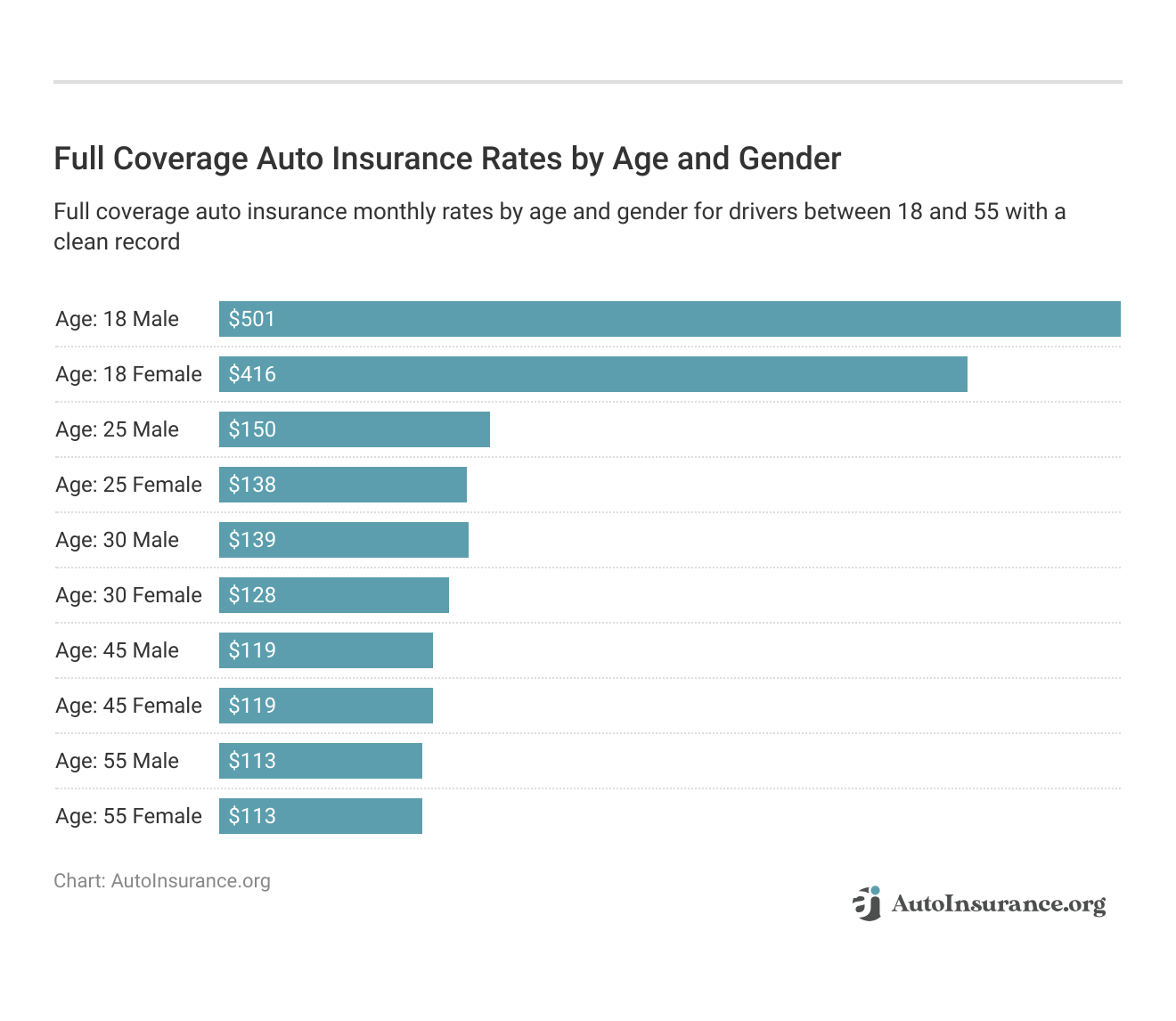
Term life insurance remains remarkably affordable at age 45 for healthy individuals, though rates are higher than they would have been at age 25 or 35. A healthy 45-year-old non-smoker can often secure a $500,000 20-year term policy for a modest monthly premium, making it a highly cost-effective way to protect multi-million dollar earning potential.
Should I count my 401(k) or IRA savings when calculating my life insurance needs?
Retirement accounts should generally not be counted as immediate liquidity for surviving dependents if withdrawing those funds prematurely would trigger severe tax penalties or derail your spouse's own retirement security. However, mature investment accounts can be factored in to reduce the long-term income replacement gap for a surviving spouse.
Can I get life insurance at age 45 if I have minor health conditions like high blood pressure?
Yes, minor controlled health conditions like hypertension or elevated cholesterol are common at age 45 and routinely accepted by life insurance underwriters. While these conditions may adjust your underwriting tier slightly away from "Preferred Plus," many insurers offer competitive rates for individuals actively managing their health with medication and regular physician oversight.
How often should I re-evaluate my life insurance coverage after age 45?
You should review your life insurance coverage every three to five years, or immediately following major life events such as purchasing a new home, changing jobs, receiving an inheritance, expanding your family, or experiencing a divorce. Ensuring your policy scales dynamically with your life prevents dangerous coverage gaps.
Next Actions and Professional Guidance
Determining your needed coverage at age 45 is a vital exercise in risk management that directly safeguards your family's long-term financial security. Begin by auditing your debts, mapping out your remaining income-earning years, and running a comprehensive needs-based calculation using the DIME framework. Because individual health profiles, state regulations, and specific financial architectures vary significantly, consider consulting an independent, fee-only financial planner or a licensed insurance professional to review your calculations and secure policy quotes tailored to your exact profile.