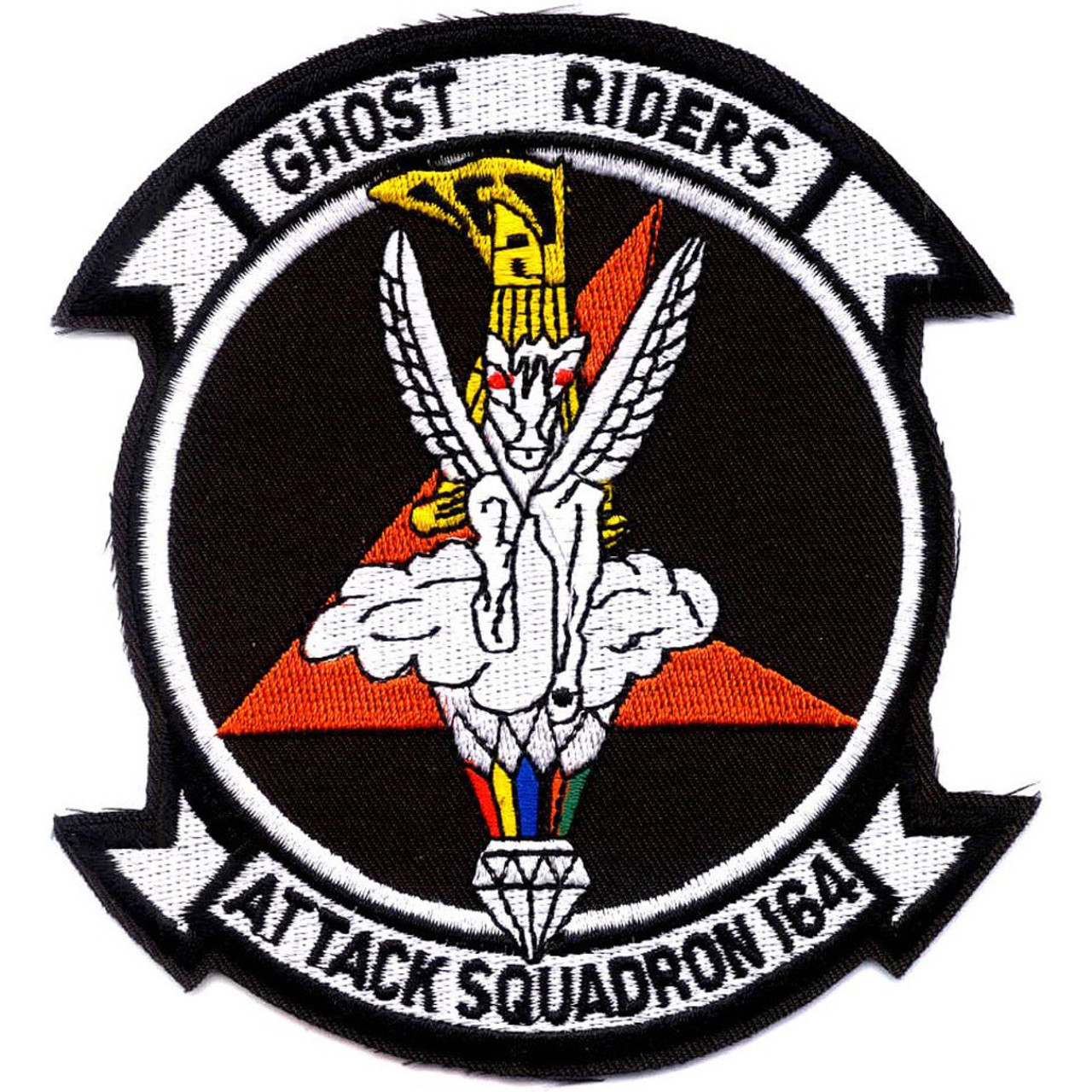
The restoration of the B-52H Stratofortress, tail number 61-0007, known as "Ghost Rider," represents the first time in United States Air Force history that a B-52 was successfully regenerated from long-term storage at the AMARG "Boneyard" to active service. This milestone proved the feasibility of deep-storage airframe recovery, ensuring the B-52 fleet maintains its required 76-aircraft strength.
The Strategic Catalyst: Why Ghost Rider Returned
To understand the magnitude of the Ghost Rider restoration milestone, one must first look at the event that necessitated its "resurrection." In 2014, a B-52H (tail number 61-0049) stationed at Barksdale Air Force Base suffered a catastrophic cockpit fire while on the ground. The damage was extensive, deemed too costly and technically complex to repair. However, federal law and strategic treaties mandate that the U.S. Air Force maintain a specific number of nuclear-capable bombers.
With the loss of 61-0049, the fleet dropped below the required 76-aircraft threshold. The Air Force had two choices: operate with a diminished fleet or attempt the unprecedented task of pulling a retired B-52 out of the 309th Aerospace Maintenance and Regeneration Group (AMARG) at Davis-Monthan Air Force Base, Arizona.
The decision to choose tail number 61-0007 was not random. It had been retired to the desert in 2008 but was in remarkably good structural condition. Despite sitting in the arid Arizona sun for seven years, its airframe remained a viable candidate for the most ambitious restoration project in the history of Global Strike Command.
Phase 1: The "Boneyard" Resurrection at AMARG
The first major milestone in the Ghost Rider restoration occurred at Davis-Monthan AFB. Unlike routine maintenance, a boneyard regeneration requires reversing years of "Type 1000" storage—the strictest form of preservation where engines are removed or sealed, and all orifices are covered with a protective latex-like spray called Spraylat.
Inspections and Initial Repairs
Technicians from the 307th Bomb Wing and the 2nd Bomb Wing worked alongside AMARG specialists to begin the manual labor of peeling away layers of sealant. This phase was critical for identifying any environmental degradation that could compromise the aircraft's integrity. Surprisingly, the dry desert air had preserved the internal wiring and structural joints better than many active-duty aircraft stationed in humid environments.
System Reactivation
The team had to replace thousands of seals, gaskets, and hoses that had become brittle over time. The fuel system was a primary concern. B-52s utilize a complex arrangement of fuel bladders and lines; after years of dryness, these systems required meticulous flushing and pressure testing to ensure they would not leak or fail under the high-pressure demands of flight.
The Historic "Escape" Flight
On February 13, 2015, Ghost Rider achieved a milestone that many skeptics thought impossible: it took to the skies once more. This initial flight was performed with the landing gear down for the duration of the trip to Barksdale AFB, a standard safety precaution for aircraft recently pulled from long-term storage. This three-hour flight served as a functional check, proving that the basic aerodynamics and propulsion systems of 61-0007 were still world-class.
Phase 2: Program Depot Maintenance (PDM) at Tinker AFB
While the flight to Barksdale was a triumph, Ghost Rider was far from combat-ready. The aircraft still lacked the advanced avionics, modern communication suites, and weapon-release systems required for 21st-century warfare. To achieve full operational status, the aircraft was moved to the Oklahoma City Air Logistics Complex at Tinker Air Force Base for Program Depot Maintenance (PDM).
Stripping to the Skeleton
At Tinker, Ghost Rider underwent what engineers call a "shakedown." The aircraft was stripped of its paint and nearly all its internal components. This allowed inspectors to use ultrasonic and X-ray technology to look for microscopic cracks in the wing spars and fuselage. Given that the B-52 was built in the early 1960s, managing metal fatigue is the single greatest challenge to its continued service.
Modernization and Integration
The PDM milestone involved more than just repairs; it was an evolution. Technicians installed the following:
- Combat Network Communications Technology (CONECT): This digital backbone allows the B-52 to receive real-time mission updates and target data while in flight.
- Internal Weapons Bay Upgrade (IWBU): This modification allows the aircraft to carry smart weapons internally, increasing its payload and reducing drag.
- Modern Avionics: The old analog gauges were supplemented or replaced by digital displays to reduce pilot workload.
By the time the PDM was completed in 2016, Ghost Rider was technically more advanced than it had been at the moment of its "retirement" in 2008.
Comparing the Regeneration Milestones
The success of Ghost Rider paved the way for a second B-52 regeneration, tail number 60-0034, nicknamed "Wise Guy." The lessons learned from the Ghost Rider restoration allowed the Air Force to refine its processes for "Wise Guy," which returned to service in 2021.
| Feature/Milestone | B-52H "Ghost Rider" (61-0007) | B-52H "Wise Guy" (60-0034) |
|---|---|---|
| Years in AMARG | 7 Years (2008–2015) | 10 Years (2008–2018) |
| Reason for Return | Replace fire-damaged 61-0049 | Replace crashed 61-0007 (different incident) |
| First Post-Storage Flight | Feb 13, 2015 | May 14, 2019 |
| Total Restoration Time | Approx. 19 Months | Approx. 24 Months |
| Current Status (2026) | Active Service | Active Service |
| Key Challenge | Establishing the "Resurrection" protocol | Addressing more advanced corrosion |
Technical Challenges: Overcoming 60 Years of Wear
The B-52 is a mechanical marvel, but its age presents unique hurdles that the Ghost Rider team had to clear. In 2026, as we look back at this milestone, the technical depth of this project remains a benchmark for the Aerospace Maintenance and Regeneration Group.
Engine Logistics
Ghost Rider was originally equipped with eight Pratt & Whitney TF33-P-3 turbofan engines. During the restoration, finding viable spare parts for these aging engines was a challenge. Technicians had to cannibalize parts from other mothballed B-52s at AMARG to ensure 61-0007 had a full set of flight-certified powerplants. This underscored the importance of the Boneyard not just as a parking lot, but as a critical "organ donor" bank for the active fleet.
Wiring and "Glass Cockpit" Issues
One of the most tedious aspects of the restoration was the electrical system. The B-52 contains miles of wiring. Over decades, the insulation on this wiring can degrade, leading to short circuits or fires—the very thing that destroyed the plane Ghost Rider was meant to replace. The restoration milestone involved a comprehensive rewiring of the cockpit to accommodate the CONECT system, a task that required thousands of man-hours of precision soldering and routing.
The 2026 Perspective: Life After Restoration
As of 2026, Ghost Rider continues to serve with the 5th Bomb Wing at Minot Air Force Base (after its initial stint at Barksdale). Its restoration was not a temporary fix; it was a full-scale renewal. The aircraft is now part of the ongoing Commercial Engine Replacement Program (CERP), which is swapping the old TF33 engines for modern Rolls-Royce F130 engines across the entire B-52 fleet.
The "milestone" of Ghost Rider was more than just saving one plane. It proved that the B-52 airframe is essentially "immortal" as long as the structural wing boxes remain sound. It gave the Pentagon the confidence to extend the B-52's service life into the 2050s, meaning Ghost Rider could potentially fly for 90 years from its original manufacture date.
Common Obstacles in B-52 Regeneration
Restoring an aircraft of this size involves significant risks. Many experts initially feared that the cost of restoration would exceed the value of the airframe.
- Supply Chain Obsolescence: Many of the companies that built the original parts for the B-52H in 1961 no longer exist. Engineers often have to custom-manufacture parts or use 3D printing—a technology that was in its infancy during the Ghost Rider restoration but has since become standard.
- Structural Fatigue: The "buffeting" that B-52s endure during low-level flight causes stress on the tail section. Ghost Rider required extensive "skin" replacement on the aft section of the fuselage to ensure it could handle the stresses of high-speed, low-altitude maneuvers.
- Hazardous Materials: Older B-52s contain materials like asbestos and chromate-based primers. The restoration team had to follow strict environmental protocols during the stripping process at Tinker AFB to protect personnel and the environment.
Frequently Asked Questions
Why was "Ghost Rider" the first B-52 restored from the Boneyard?
Ghost Rider (61-0007) was the first because the Air Force reached a critical shortage in its B-52 fleet following a ground fire in 2014. While other aircraft have been restored from AMARG (like the C-5 Galaxy or the P-3 Orion), the B-52's complexity and nuclear-capable status made this a unique and high-priority requirement.
Is Ghost Rider currently active in 2026?
Yes, tail number 61-0007 remains in active service as of 2026. It has participated in several Global Strike Command exercises and remains a vital part of the U.S. strategic bomber leg. It is currently undergoing the standard rotation for engine and radar upgrades that are being applied to the entire B-52J (the newly designated version) fleet.
How much did the Ghost Rider restoration cost?
The total cost was approximately $13 million for the initial regeneration and subsequent depot-level maintenance. While this sounds high, it is significantly cheaper than the cost of a new bomber (estimated at over $500 million for a B-21 Raider) and was the only way to quickly return to the mandated 76-aircraft fleet size.
How long can Ghost Rider stay in service?
With the current upgrades to its engines, radar, and avionics, Ghost Rider is projected to remain airworthy until at least 2050. By that time, the airframe will be nearly 90 years old, making it one of the longest-serving combat aircraft in history.
What happened to "Wise Guy"?
"Wise Guy" (60-0034) was the second B-52 restored from AMARG, following the blueprint established by Ghost Rider. It returned to service in 2021 and also remains active in 2026, proving that the Ghost Rider milestone was a repeatable success rather than a one-off fluke.
Final Recommendation for Aviation Historians and Researchers
For those tracking the longevity of the Stratofortress, the Ghost Rider restoration milestone is the definitive case study in military sustainment. To fully appreciate the technical achievement, researchers should look into the specific PDM (Program Depot Maintenance) records from the Oklahoma City Air Logistics Complex. If you are visiting an airshow or a base where B-52s are stationed, look for the tail number 61-0007. It stands as a testament to the engineering ingenuity required to keep a Cold War titan relevant in the modern era.