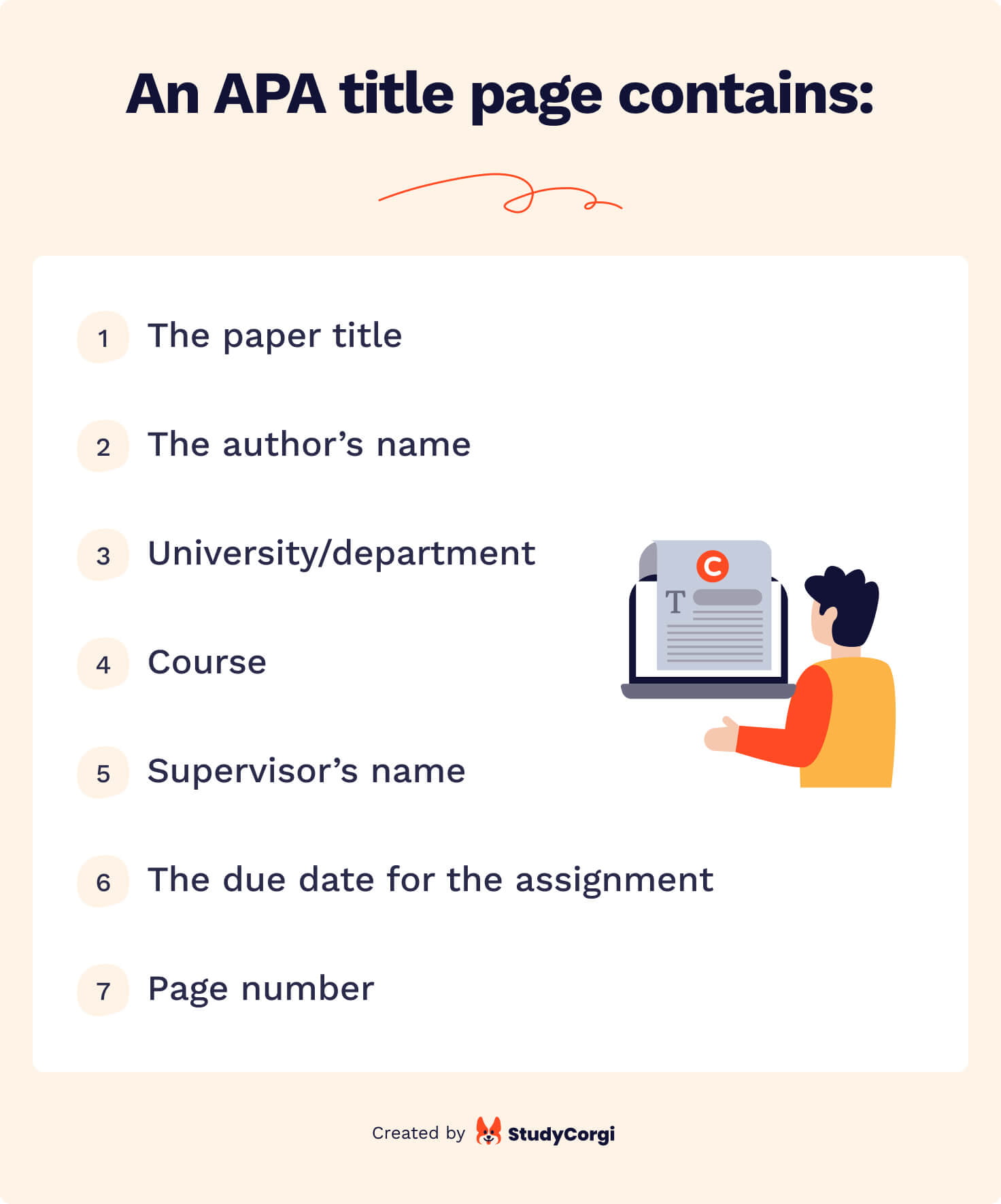
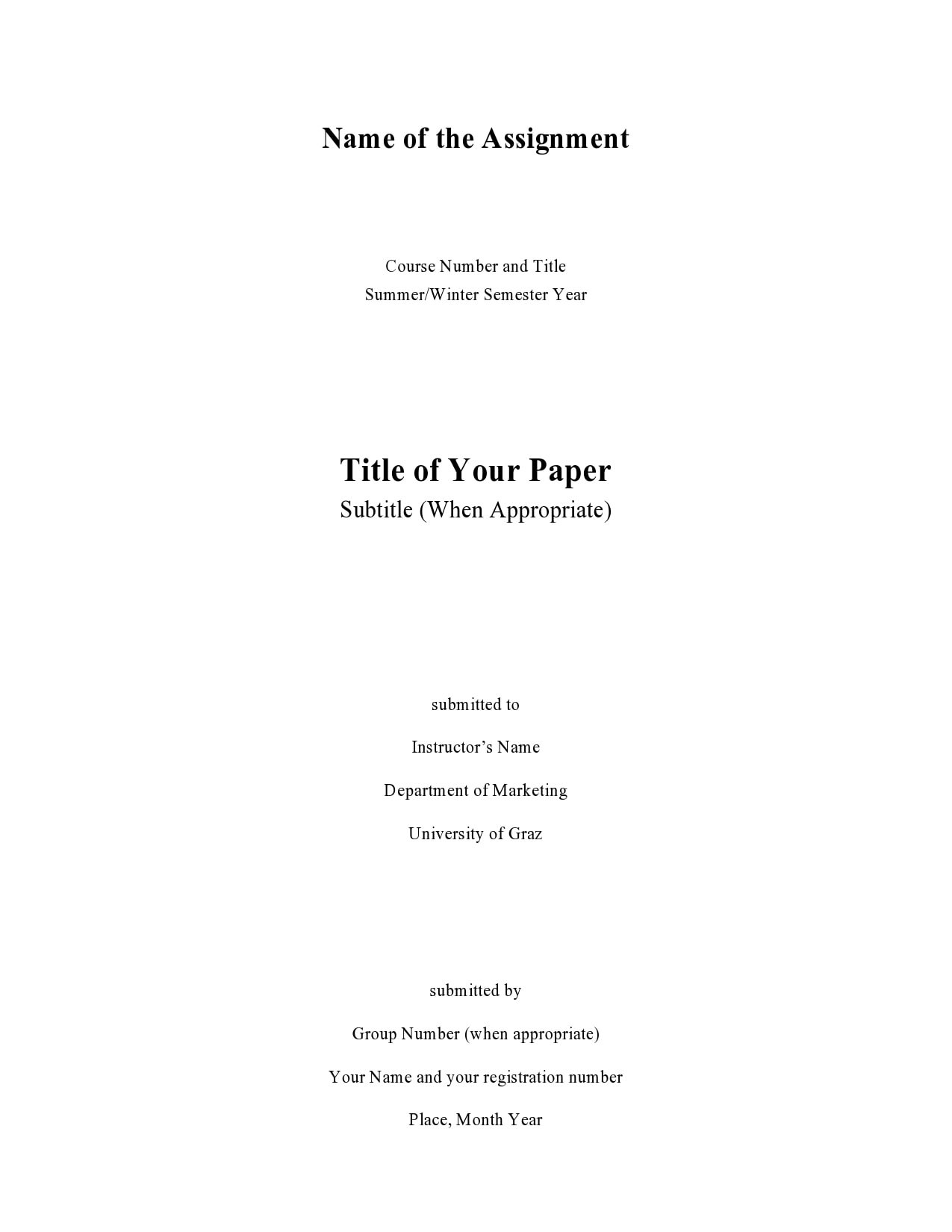
The essential components of an APA 6th edition title page include the running head (with the prefix "Running head:"), a page number, the full paper title, the author’s name, and the institutional affiliation. For professional manuscripts, an author note is also included to provide acknowledgments and contact information.
While the academic world has largely transitioned to newer standards, the APA 6th edition remains a cornerstone for specific longitudinal studies, legacy archival projects, and particular academic departments that prioritize its specific stylistic nuances. Even in 2026, maintaining the integrity of a manuscript formatted to these standards requires a precise understanding of its unique layout requirements, which differ significantly from subsequent editions.
The Foundation of the APA 6th Edition Title Page
The title page, often referred to as the "cover page," serves as the first impression of your scholarly work. In the APA 6th edition framework, its primary purpose is to provide the reader with the metadata necessary to identify the work, its origin, and its authors at a glance. Unlike the student-specific formats introduced in later versions, the 6th edition utilized a unified structure that was essentially professional-grade for all submissions.
Every element on this page must be double-spaced and centered horizontally. The font should be a standard, legible serif font—most commonly Times New Roman in 12-point size. While the 6th edition manual was more flexible regarding font choice than its predecessors, Times New Roman remained the "gold standard" for submissions to the American Psychological Association and most peer-reviewed journals.
The Running Head: The Most Critical Technical Requirement
The running head is perhaps the most distinctive and frequently misformatted element of the APA 6th edition title page. It is an abbreviated version of the paper's title that appears in the header of every page to identify the manuscript during the peer-review and publication process.
Formatting the Header on the Title Page
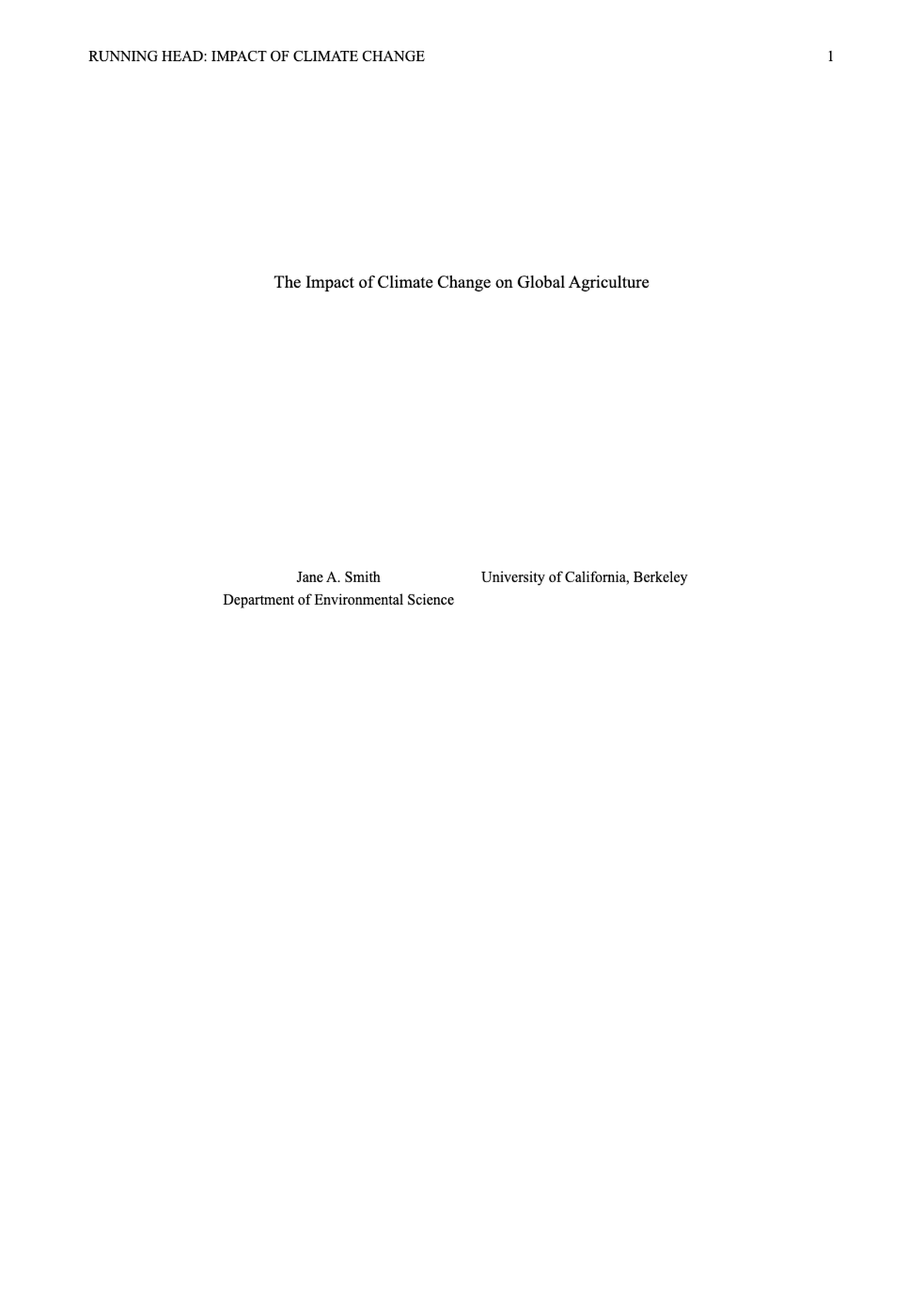
On the title page (Page 1), the running head must include the literal phrase "Running head:" followed by a shortened version of your title in ALL CAPS. This prefix "Running head:" is unique to the first page only; on all subsequent pages, only the capitalized title appears.
Character Limits and Alignment
The running head must not exceed 50 characters, including spaces and punctuation. It is aligned to the top left of the page header. Simultaneously, the page number "1" must be aligned to the top right of the same header line. This dual-alignment in the header often requires the use of a tab stop in word processing software to ensure the page number stays flush right while the running head stays flush left.
Crafting the Title: Precision and Scope
The title is the most important element of the page, acting as a concise statement of the main topic. According to APA 6th edition guidelines, the title should be simple and, if possible, identify the variables or theoretical issues under investigation and the relationship between them.
Title Length and Placement
The APA 6th edition suggests a recommended length of no more than 12 words. While this is a recommendation rather than a hard limit, excessive length usually indicates a lack of focus. The title should be typed in uppercase and lowercase letters (title case), centered in the upper half of the page.
To achieve the "upper half" placement, editors typically recommend placing the title about three to four double-spaced lines down from the top margin (below the header). It should not be bolded, underlined, or italicized.
Avoiding Redundancy
A common error is including unnecessary words such as "A Study of" or "An Experimental Investigation of." These phrases add bulk without contributing substance. A strong APA 6th title identifies the "what" and the "who" without the filler. For example, instead of "An Investigation into the Effects of Sleep Deprivation on Cognitive Function in Elderly Adults," a more appropriate 6th edition title would be "Sleep Deprivation and Cognitive Function in Elderly Adults."
Author Name and Institutional Affiliation
Following the title, the next essential elements are the author's name (the "byline") and the institutional affiliation. These are placed one double-spaced line below the title.
The Byline (Author Name)
The author’s name should include the first name, middle initial(s), and last name. It is crucial to omit all titles (e.g., Dr., PhD, Professor) and degrees. The 6th edition manual emphasizes that the byline should be consistent across all publications to ensure accurate indexing in databases like PsycINFO. If there are multiple authors, their names should appear on the same line if they share the same affiliation, or on separate lines if they do not.
Institutional Affiliation
The affiliation identifies where the researcher was located when the study was conducted. Usually, this is a university or a research institute. If an author has no institutional affiliation, the city and state (or province/country) of residence are listed instead.
| Element | APA 6th Edition Requirement | Placement & Formatting |
|---|---|---|
| Running Head | "Running head: SHORT TITLE" | Flush left in header; ALL CAPS after colon. |
| Page Number | Arabic numeral "1" | Flush right in header. |
| Full Title | Max ~12 words (recommended) | Centered; Upper/lowercase; Upper half of page. |
| Author Name | First, Middle Initial, Last | Centered; One double-space below title. |
| Affiliation | University or Organization | Centered; Directly below author name. |
| Author Note | Required for professional papers | Bottom half of title page; specific sections. |
The Author Note: Context and Correspondence
In professional manuscripts, the author note appears at the bottom of the title page. It provides additional information about the authors, departmental affiliations, acknowledgments of financial support, and a point of contact for the reader.
In the 6th edition, the author note is divided into several paragraphs:
- First Paragraph: Identifies the departmental affiliation of each author at the time of the study.
- Second Paragraph: Identifies any changes in affiliation since the study was conducted.
- Third Paragraph: Provides acknowledgments, including grants or peer contributions. It is also where disclosures regarding "Conflict of Interest" are placed.
- Fourth Paragraph: Provides the contact information (mailing address and email) for the corresponding author.
The author note is centered on the page, but the paragraphs themselves are indented. The label "Author Note" is centered but not bolded.
General Formatting Standards for the Title Page
Beyond the specific text elements, the title page must adhere to the general document standards of the APA 6th edition. Consistency in these technical specifications is what differentiates a professional manuscript from a draft.
Margins and Spacing
The entire document, including the title page, must have 1-inch (2.54 cm) margins on all sides. Every line on the title page must be double-spaced. There should be no extra "blank" lines between the title and the author name, nor should there be condensed spacing in the header.
Alignment and Typography
Alignment is strictly centered for the main block of text (Title, Author, Affiliation). As noted previously, the typography should remain consistent. Use a 12-point serif font. While modern 2026 systems often default to sans-serif fonts like Calibri or Arial, these were not the standard for APA 6th edition and should be adjusted to reflect historical accuracy.
Common Pitfalls in APA 6th Title Page Formatting
Despite its structured nature, several recurring errors often appear in APA 6th edition title pages. Avoiding these ensures the manuscript meets the rigorous standards of academic publication.
- "Running head" Capitalization: A frequent mistake is capitalizing the "h" in "head." The correct format is "Running head:"—only the "R" is capitalized.
- Duplicate Header on Page 2: Authors often forget to change the header for the rest of the document. On Page 2 and beyond, the words "Running head:" must be removed, leaving only the capitalized short title and the page number.
- Bolded Titles: In the 6th edition, the title on the cover page is not bolded. This is a major point of confusion for those accustomed to the 7th edition, where the title is bolded.
- Including Degrees: Adding "PhD" or "MA" after a name is a violation of APA style. The credentials of the author are implied by the quality of the work and the affiliation, not by suffixes in the byline.
Comparing APA 6th vs. APA 7th Title Pages
Understanding the differences between editions is essential for researchers working with legacy data or specific journal requirements in 2026. The 7th edition, released in 2019, simplified many aspects of the 6th edition.
- The Running Head: The 7th edition eliminated the running head for student papers and removed the "Running head:" prefix for professional papers. In the 6th edition, it is mandatory for everyone.
- Bold Labels: The 7th edition introduced bolding for the paper title and section headings. In the 6th edition, the title page contains no bold text.
- Student vs. Professional: The 7th edition created two distinct formats. The 6th edition used a "one-size-fits-all" approach, which is why student papers from that era often look more formal.
Frequently Asked Questions
Is a running head required for student papers in APA 6?
Yes. Unlike the 7th edition, the APA 6th edition manual does not distinguish between student and professional formatting for the title page. Every manuscript, whether a freshman essay or a doctoral dissertation, requires a running head with the "Running head:" prefix on the first page.
How do I handle multiple authors from different universities?
If authors have different affiliations, list the names on separate lines, followed by their respective institutions. If two authors share an affiliation and a third does not, group the first two together. For example: Author A and Author B University of California, Berkeley Author C Stanford University
What is the maximum length for a running head?
The running head must be 50 characters or fewer, including spaces and punctuation marks. If your full title is shorter than 50 characters, you can use the full title in all caps. If it is longer, you must choose a logical, shortened version that conveys the core essence of the paper.
Should I include the date or the professor's name?
In the official APA 6th edition manual, the date and the instructor's name are not standard requirements for the title page. However, many universities and professors requested this information be added below the institutional affiliation. If you are following "Pure" APA 6, you would omit them; if you are following "Modified" APA 6 for a specific course, you should include them as directed.
Where exactly does the page number go?
The page number must be in the header, flush right, exactly 1 inch from the right edge of the paper. It should be on the same line as the running head. Most scholars use the automatic "Page Number" function in their word processor to ensure it increments correctly throughout the document.
Next Steps for Precise Formatting
To ensure your APA 6th edition title page is flawless, start by configuring your word processor’s header settings. Utilize the "Different First Page" option in the header/footer menu; this allows you to include the "Running head:" prefix on page one while excluding it from subsequent pages. Once the header is set, center your text and apply double-spacing to the entire document.
For those requiring further verification, consulting the Purdue Online Writing Lab (OWL) or the original Publication Manual of the American Psychological Association, 6th Edition remains the most reliable method for confirming technical details. Even in 2026, these resources provide the necessary historical context to maintain stylistic accuracy for legacy academic work.