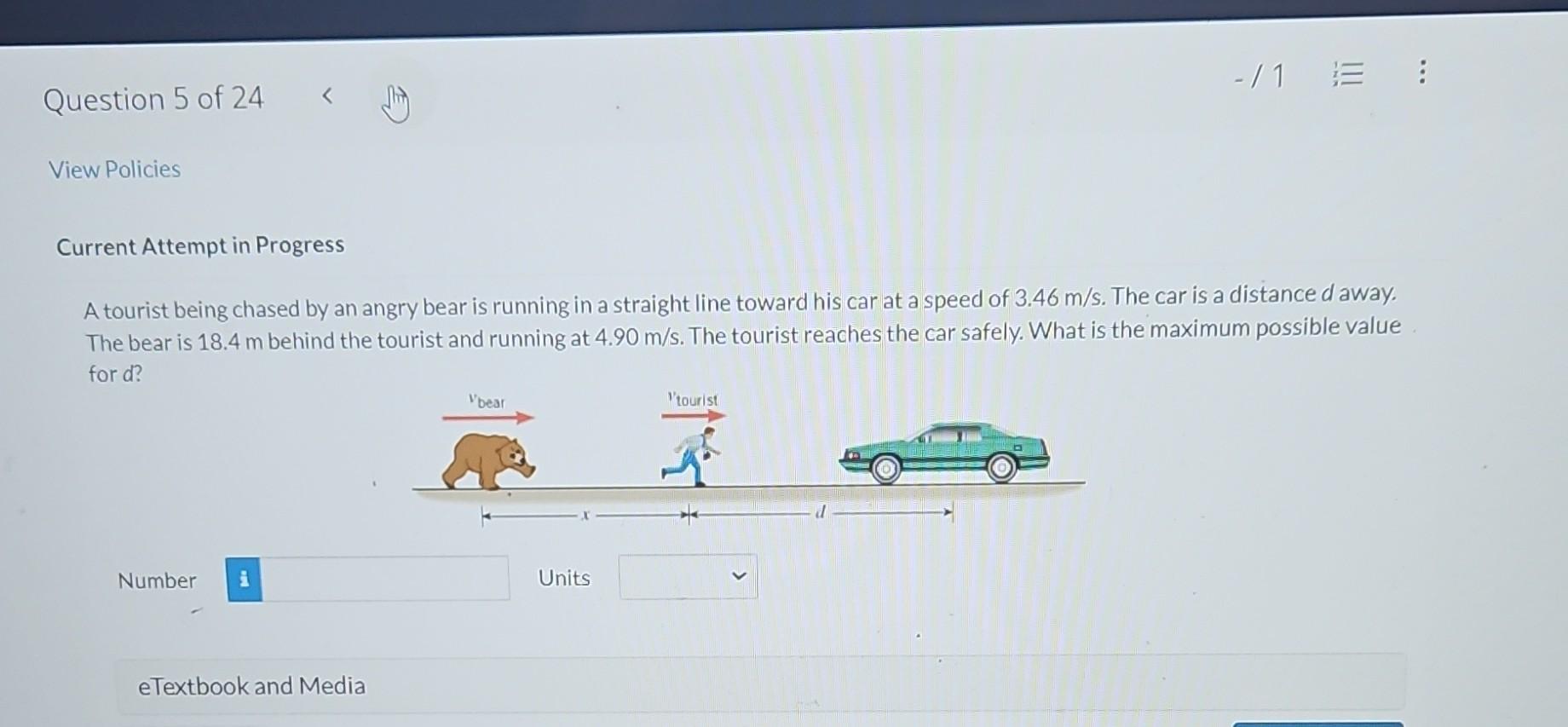
When a tourist finds themselves being chased by an angry bear, survival depends entirely on recognizing the animal's behavior, remaining calm, avoiding fatal mistakes like running, and utilizing bear spray or defensive postures depending on the species encountered.
Encounters with wildlife in national parks and wilderness areas occasionally escalate from peaceful sightings into high-stakes emergencies. While bear attacks are statistically rare, tourists are frequently caught off guard due to improper food storage, approaching too closely for photographs, or inadvertently surprising a mother with cubs. Understanding the mechanics of a bear chase, the physiological indicators of animal aggression, and the exact physical protocols required to survive such an encounter is essential for anyone traveling through bear country.
Deconstructing Bear Behavior: Why Bears Chase
To survive an encounter with an angry bear, one must first understand the driving forces behind ursine aggression. Bears are not inherently malicious stalkers of humans; rather, they operate on instinct, territorial defense, food acquisition, and maternal protection. When a tourist experiences a chase, it is almost always a reaction to a specific trigger that the bear perceives as a direct threat.
Predatory vs. Defensive Aggression
Wildlife biologists generally divide bear aggression into two distinct categories: defensive and predatory.
- Defensive Aggression: This is the most common cause of a charge or chase. It occurs when a bear is surprised at close range, feels cornered, is defending a freshly killed food source (such as a carcass), or is a mother protecting her cubs. In these instances, the bear's primary goal is to neutralize the perceived threat. These charges are often "bluff charges," where the bear rushes forward, stops short, or veers off to the side. However, a bluff charge can easily convert into a real contact attack if the human panics or runs.
- Predatory Aggression: This is exceptionally rare, particularly with grizzly bears, but occurs more frequently with food-habituated black bears that view humans as a source of calories. A predatory bear does not huff, pop its jaws, or make loud vocalizations; instead, it stalks quietly, circles, and closes the distance with steady, calculated focus.
Common Human Triggers in Tourist Areas
Most bear-human conflicts involving tourists stem from preventable behaviors. The proliferation of digital photography and social media has led individuals to bypass safety boundaries to secure close-up images. Furthermore, improper management of scented items—including food scraps, toiletries, and coolers—trains bears to associate humans with easy calories. When a bear approaches a campsite or trail and encounters a tourist who attempts to flee, the animal's predatory or chase instinct is instantly triggered by the moving target.
Immediate Response Protocol: What to Do During a Bear Chase
The moment a bear begins to run toward you, adrenaline spikes, and the primal urge to sprint away takes over. Yielding to this instinct is the single most dangerous mistake a tourist can make. Even an average black bear or grizzly bear can easily outrun an Olympic sprinter, reaching speeds of up to 35 miles per hour (56 kilometers per hour) across uneven terrain. Furthermore, running instantly triggers the bear's chase reflex.
Step-by-Step Survival Actions
- Stop and Stand Your Ground: Do not run. Planting your feet signals that you are not easy prey and prevents the bear from treating you as a fleeing animal.
- Identify Yourself: Speak to the bear in a calm, firm, and low-pitched voice. Avoid high-pitched screams or sudden erratic movements. This lets the bear identify you as a human rather than startled prey.
- Make Yourself Look Large: Raise your arms slowly above your head. If you are wearing a jacket, open it wide to increase your apparent silhouette. If you are with a group, stand close together to form a unified block.
- Prepare Your Deterrent: If you are carrying EPA-approved bear spray, pull it from its holster, remove the safety clip, and aim it downward toward the charging path.
- Back Away Slowly: Once the bear stops its advance or slows down, begin to shuffle backward diagonally. Never turn your back on the animal, and maintain continuous visual contact while increasing the distance between you.
Bear Spray vs. Firearms: Tactical Comparison for Travelers
Carrying protection in bear territory is heavily regulated by regional authorities and park jurisdictions. For tourists, understanding the practical and tactical differences between bear spray and firearms is vital for safety planning.
| Feature / Metric | EPA-Approved Bear Spray | Firearms (Handguns / Rifles) |
|---|---|---|
| Deployment Speed | Instantaneous; creates a dense, expansive fog barrier. | Requires drawing, aiming, and precise marksmanship under extreme duress. |
| Hit Probability | High; aerosol cloud covers a broad area (25–30 foot range). | Low for untrained stressed shooters; small targets on a moving bear. |
| Lethal Outcome Risk | Low; temporarily blinds and incapacitates without killing. | High; a wounded bear is significantly more dangerous. |
| Legal Restrictions | Allowed in almost all national parks and wilderness preserves. | Prohibited in many national parks, international reserves, and restricted zones. |
| Weight & Portability | Lightweight, ergonomically designed for rapid hip-draw. | Heavy, requires specialized training, holsters, and permits. |
Research conducted by wildlife management agencies, including the U.S. Fish and Wildlife Service, consistently demonstrates that bear spray is statistically more effective at deterring aggressive bears than firearms, particularly for tourists and recreational hikers who lack advanced tactical firearms training under high-stress conditions.
Species-Specific Survival Strategies: Grizzly vs. Black Bear
Not all bears respond to human encounters in the same way. The appropriate defensive posture during a physical contact scenario depends entirely on whether the charging animal is a grizzly bear (Ursus arctos horribilis) or an American black bear (Ursus americanus).
If Attacked by a Grizzly Bear
If a grizzly bear makes physical contact after a chase, the recommended protocol is to play dead.
- Drop flat onto your stomach or curl into a tight ball on your side to protect your vital organs and abdomen.
- Interlock your fingers behind your neck and clasp your elbows over your face.
- Keep your backpack on, as it provides a valuable layer of physical protection for your spine and back.
- Remain completely motionless. If the bear perceives that the threat has been neutralized, it will frequently cease its attack and wander away. Do not move until you are certain the bear has left the immediate vicinity.
If Attacked by a Black Bear
Playing dead during a black bear attack is generally ineffective, as black bears are more likely to view humans as a food source if they do not fight back.
- Do not play dead.
- Fight back with everything available—trekking poles, rocks, heavy sticks, knives, and bare hands. Focus strikes aggressively on the bear's sensitive muzzle and facial area.
- Make as much loud, abrasive noise as possible.
- If escape is physically possible during a black bear encounter—such as reaching a secure building or a hard-sided vehicle—move toward it steadily while continuing to face the animal.
Frequently Asked Questions
What should a tourist do if a bear is spotted at a distance?
If you spot a bear at a distance, do not approach it. Maintain a minimum distance of 100 yards (91 meters) from bears and 300 yards (274 meters) from wolves or bears with cubs. Quietly back away in the opposite direction while keeping the animal in sight, and ensure all food and scented items are securely packed away.
Does bear spray actually work against an angry bear?
Yes. Field tests and wildlife management studies show that EPA-approved bear spray deters aggressive behavior in over 90% of encounters. The active ingredients (capsaicin and related capsaicinoids) temporarily incapacitate the bear's eyes, nose, and respiratory membranes, forcing it to abort the charge without causing permanent physiological damage.
Why do bears bluff charge, and how can you tell if it is real?
A bluff charge is an aggressive display where a bear rushes forward at high speed, huffing, jaw-popping, or striking the ground, before stopping abruptly or swerving to the side. A bluff charge is designed to intimidate the intruder. A true predatory or defensive charge does not feature dramatic vocalizations; the bear keeps its head down and moves with direct, relentless momentum toward the target.
Can running away ever save you from a bear?
No. Bears possess immense explosive acceleration and endurance. Running away triggers their predatory chase instinct, converting a curious or startled bear into an active pursuer. Even elite human athletes cannot outrun a bear on natural terrain, inclines, or through dense underbrush.
What are the legal consequences of feeding bears in national parks?
Feeding bears—whether intentional through leaving food out or careless through improper garbage disposal—is illegal in virtually all protected wilderness areas. It creates "habituated" bears that lose their natural fear of humans, which frequently results in wildlife management agencies having to euthanize the animal for public safety. Violators face steep fines, federal citations, and potential imprisonment.
Practical Next Steps for Travelers in Bear Country
Before embarking on any hike, camping trip, or wilderness excursion, tourists must register their itineraries with local park ranger stations, review current regional bear activity advisories, and rent or purchase EPA-approved bear spray. Ensure everyone in your travel group knows how to quickly draw and fire the canister. Practice situational awareness by making human noise while walking through blind corners, thick brush, or near rushing water where bears cannot hear approaching footsteps. Respecting wildlife boundaries ensures both human safety and the preservation of natural bear populations.