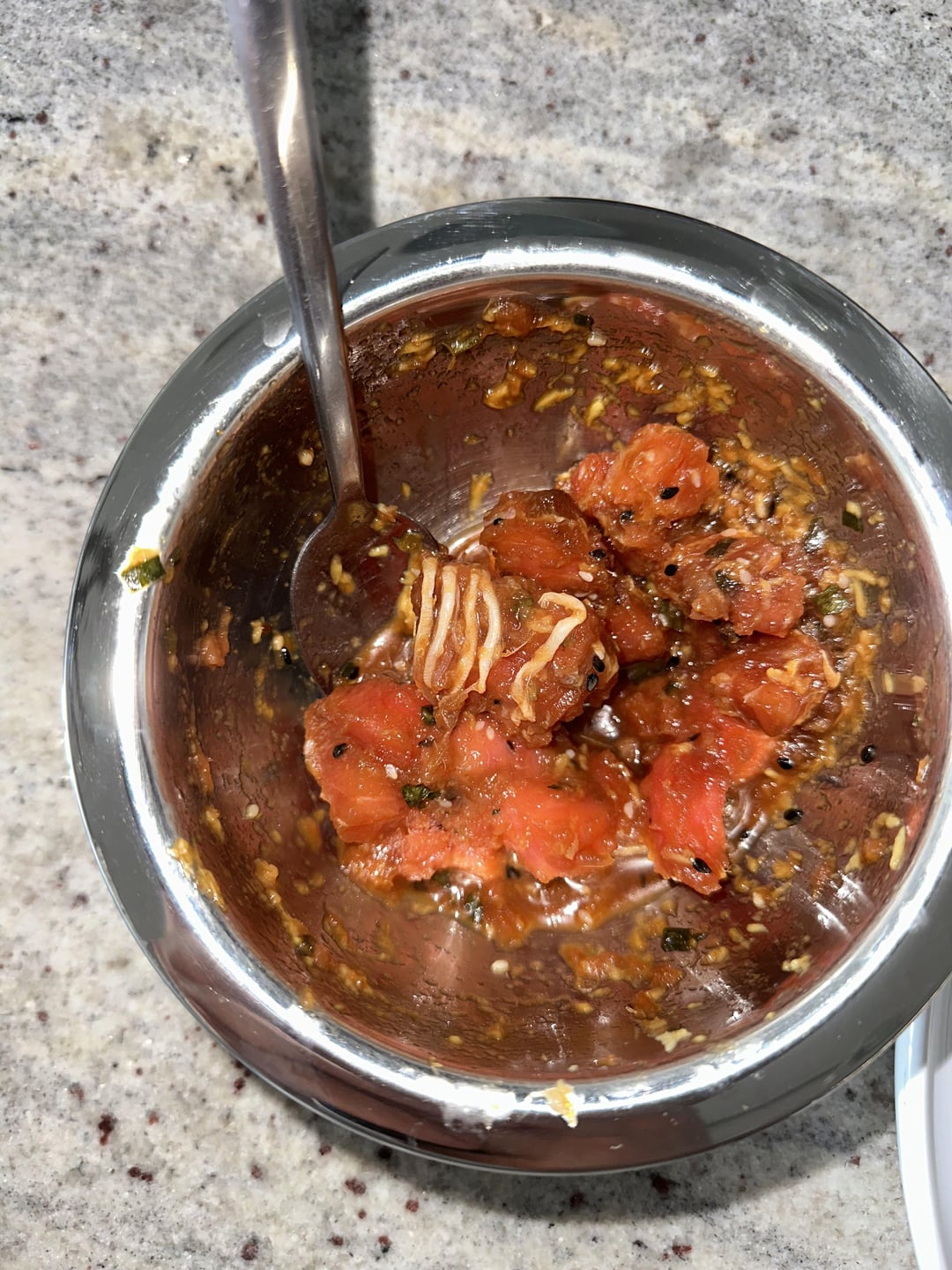
When consumers open a can of tuna for a quick sandwich, salad, or casserole, they generally expect a uniform product consisting entirely of safe, processed fish meat. However, the occasional discovery of unusual textures, stringy fibers, or small string-like objects can trigger immediate anxiety, leading many to ask: are there worms in tuna cans? Understanding the reality of marine biology, commercial fishing standards, and stringent food safety regulations helps demystify what occasionally appears in canned seafood and whether it poses any real danger to human health.
Tuna can sometimes contain naturally occurring marine parasites, commonly referred to as nematodes or roundworms, though they are rendered completely harmless by high-heat commercial canning processes. Regulatory bodies such as the U.S. Food and Drug Administration (FDA) maintain strict defect action levels and inspection protocols to minimize foreign matter in seafood, while fish processing plants use multi-stage sorting, gutting, and cleaning procedures to catch abnormalities before sealing the cans.
To fully understand this topic, we must examine the biology of ocean-dwelling parasites, the mechanics of commercial tuna processing, the exact standards enforced by food safety agencies, and what consumers should do if they find something unexpected in their food.
Marine Parasites in Wild Fish: The Biological Reality
To understand why a parasite might occasionally be found in a commercial fish product, it is necessary to look at the natural marine ecosystem. Wild-caught fish, including all species of tuna (such as Skipjack, Yellowfin, Bluefin, and Albacore), live in open ocean waters where they form part of a complex food web. Like almost all wild-caught marine species, tuna naturally host various parasites as part of their biological lifecycle.
These organisms are not a sign of pollution, poor water quality, or unsanitary handling by fishermen; rather, they are a normal and expected part of wild marine wildlife. The most common parasites found in marine fish include:
- Nematodes (Roundworms): Often called codworms or sealworms depending on their specific host history, these slender, thread-like worms can be found in the flesh or body cavity of many marine fish species.
- Cestodes (Tapeworms): These flat, segmented worms typically inhabit the digestive tracts of marine animals, though larval forms can sometimes migrate into muscle tissue.
- Trematodes (Flukes): These are small, leaf-shaped flatworms that can infect various tissues in marine species.
In a living fish, these parasites use the animal as an intermediate or definitive host. Because tuna are apex predators that consume smaller fish, squid, and crustaceans, they frequently ingest these organisms. While many parasites remain in the digestive tract and are removed immediately when the fish is gutted at sea or at a processing facility, some microscopic or larval stages can embed themselves within the muscle tissue of the fish.
Commercial Tuna Processing and Quality Control
The journey of a tuna from the open ocean to a sealed supermarket shelf involves rigorous handling, multiple sorting phases, and extreme heat treatments designed to eliminate biological hazards. While perfection is difficult to achieve when processing millions of tons of wild-caught fish annually, commercial canneries employ extensive safeguards to catch defects and anomalies.
[Ocean Catch] ---> [At-Sea Freezing / Chilling] ---> [Initial Gutting & Washing] | [Quality Inspection] <--- [Retort Cooking & Canning] <--- [Manual Loining & Cleaning]
At-Sea Handling and Freezing
Immediately after being caught, tuna are typically bled, washed, and rapidly chilled or frozen—either in brine wells or blast freezers—to preserve freshness and halt bacterial growth. Freezing temperatures also play a critical role in parasite control; sustained freezing kills many marine parasites, aligning with guidelines established by agencies like the FDA for raw consumption (sushi and sashimi).
Thawing and Butchering
Upon arrival at the processing plant, the fish are thawed under controlled conditions, headed, gutted, and washed thoroughly. The dark meat, skin, and bones are removed, leaving the clean meat blocks known as loins.
Manual Loin Inspection and Cleaning
This is the most labor-intensive phase of canned tuna production. Human workers inspect the tuna loins under bright lighting, removing bones, scales, blood spots, and any visible abnormalities or parasites. Despite the speed of modern factory lines, human oversight remains the primary line of defense against foreign material entering the final product.
Thermal Processing (Retort Cooking)
Once the tuna is packed into cans or pouches with water, oil, and salt, the containers are sealed and placed into large industrial pressure cookers called retorts. The cans undergo commercial sterilization, being heated to high temperatures (typically around 240°F to 250°F / 115°C to 121°C) for a precise duration. This intense heat cooks the fish completely and destroys all pathogenic bacteria, spores, and parasites, rendering any overlooked nematode or tissue fragment entirely sterile and inert.
Regulatory Standards: FDA and International Guidelines
Food safety agencies around the world acknowledge that because fish are wild animals harvested from natural environments, achieving a 100% zero-defect rate across billions of individual fish is practically impossible. Instead, regulatory bodies establish clear tolerances, guidelines, and defect action levels to protect public health while establishing realistic industrial standards.
In the United States, the Food and Drug Administration (FDA) regulates seafood processors through the Hazard Analysis Critical Control Point (HACCP) system. Under FDA regulations:
- Parasite Destruction Requirements: Processors must ensure that any fish intended to be consumed raw or undercooked undergoes adequate freezing to kill parasites. For shelf-stable canned tuna, the mandatory thermal retorting process far exceeds the temperature and duration required to neutralize any biological organisms.
- Adulteration Laws: Under the Federal Food, Drug, and Cosmetic Act, food products must not consist of any "filthy, putrid, or decomposed substance" or be otherwise unfit for food. However, the FDA issues "Defect Action Levels" for natural or unavoidable defects in foods that present no health hazard.
- Foreign Material Control: Canneries must maintain strict sanitation standard operating procedures (SSOPs) to prevent filth, metal fragments, insects, or decomposition from entering the food supply.
Importantly, even if a consumer occasionally encounters a harmless, sterilized parasite or a hardened piece of fish connective tissue in a can, the product is technically considered safe from a microbiological standpoint due to the canning process. However, finding such material is understandably distressing, and processors maintain consumer affairs departments to investigate and address specific quality lapses.
| Inspection Phase | Primary Objective | Method Used |
|---|---|---|
| At-Sea Harvest | Prevent spoilage and preserve structural integrity | Rapid freezing, brine chilling, and sanitary storage |
| Plant Butchering | Remove visceral organs, bones, and major waste | Automated saws, gutting machines, and washing sprays |
| Manual Loining | Identify and remove visual defects and parasites | Human inspection under intense lighting |
| Thermal Retort | Sterilize product and eliminate all live pathogens | Industrial pressure cooking at 240°F+ |
Common Misidentifications: What Consumers Actually Find
When consumers report finding "worms" in canned tuna, what they have discovered is frequently something else entirely. Because tuna is a complex biological organism with distinct muscle structures, tendons, and blood vessels, several harmless components are frequently mistaken for parasites.
1. Fish Tendons and Collagen Fibers
Tuna possess robust connective tissues that hold their muscle fibers together, particularly around the tail and lateral line. When cooked and compressed inside a can, these translucent, string-like connective tissues can detach, appearing remarkably similar to small white worms.
2. Blood Vessels and Capillaries
The vascular system of a large tuna includes numerous small blood vessels running through the muscle tissue. When these vessels are cooked, they can coagulate, harden, and appear as dark, thread-like structures that mimic the appearance of dried nematodes.
3. Congealed Protein and Fat Deposits
During the retorting process, natural proteins within the fish flesh coagulate and can form small, firm white flakes or gel-like masses. Consumers unfamiliar with the internal anatomy of fish sometimes mistake these protein deposits for foreign organisms.
Health Risks and Safety Implications
For most consumers, the primary concern regarding finding a parasite in seafood is the potential for illness or infection. Fortunately, when it comes to canned tuna, the health risk is practically non-existent.
The Role of Heat and Preservation
Parasites such as anisakid nematodes are only capable of causing human illness (a condition known as anisakiasis) when they are ingested alive. Live larvae can attach to the stomach or intestinal wall, causing severe gastrointestinal distress.
However, canned tuna is fully cooked inside the sealed can. The commercial retorting process subjects the contents to temperatures well above the thermal death point for all known parasites and bacteria. Once cooked to these temperatures, any nematode or tissue fragment is completely denatured, dead, and chemically inert. Consuming a dead parasite poses no more health risk than consuming the muscle tissue of the fish itself.
Chemical Contaminants vs. Biological Pathogens
While biological parasites in canned tuna are rendered harmless by heat, public health discussions surrounding canned tuna more frequently focus on chemical contaminants—specifically mercury and polychlorinated biphenyls (PCBs). Large predatory fish accumulate heavy metals through bioaccumulation over their lifespans. Pregnant women, nursing mothers, and young children are routinely advised by health authorities like the FDA and EPA to monitor their consumption of specific tuna varieties (such as Albacore vs. Skipjack) to manage mercury intake, rather than worrying about marine parasites.
What to Do If You Find Foreign Matter in Your Tuna Can
Discovering an unusual object in your food can be an unpleasant experience. If you open a can of tuna and suspect you have found a worm or other foreign anomaly, taking a structured, calm approach ensures the issue is properly documented and addressed.
- Stop Consumption: Do not eat any further portions from the affected can or batch.
- Preserve the Evidence: Place the questionable object and the remaining tuna in a sealed container or Ziploc bag. Keep the tuna can itself, as the manufacturer will need the stamped production codes, batch numbers, and expiration dates.
- Record Details: Note the brand name, product variety (e.g., chunk light in water, solid white albacore in oil), place of purchase, and purchase date. Take clear, well-lit photographs of the object next to a coin or ruler for scale.
- Contact the Manufacturer: Reach out to the customer service department listed on the can. Reputable seafood companies take quality control complaints seriously; they typically request batch details and may ask you to mail the sample back for laboratory analysis, often compensating you with product replacement or refunds.
- Report to Authorities: If you believe the product poses a widespread public health hazard or exhibits severe contamination, you can report the issue directly to the FDA's Consumer Complaint Coordinator for your state or through the safety reporting portal on the agency's website.
Frequently Asked Questions
Are worms in canned tuna alive?
No. Even if a nematode or parasite was present in the raw fish meat and missed during manual inspection, the commercial canning process subjects the sealed can to sustained, high-temperature retorting. This heat completely destroys and sterilizes all biological matter, ensuring zero live organisms survive in the final product.
Is it dangerous to accidentally eat a parasite in canned fish?
No. While discovering a parasite is unappealing, ingesting a dead, sterilized parasite cooked inside a canned product poses no physical harm or health risk to humans. The digestive acids in the human stomach easily break down the inert protein structure.
Do certain brands or types of tuna have more defects?
Not significantly. All wild-caught marine fish carry some baseline biological exposure to parasites regardless of the brand. Premium brands use rigorous inspection standards to minimize the chance of defects reaching consumers, but because processing is partially reliant on human labor, rare anomalies can slip past quality control across both budget and luxury brands.
How can I tell the difference between a worm and a fish tendon?
Parasites found in fish muscle are typically rounded, smooth, and taper at the ends, often appearing coiled or spiral-shaped if intact. Fish tendons and connective fibers are usually flatter, tougher to pull apart, branch out into the surrounding muscle matrix, and are securely anchored to the structural tissue of the fish loin.
Should I stop eating canned tuna because of this?
No. Canned tuna remains one of the most accessible, shelf-stable, and nutrient-dense sources of lean protein, omega-3 fatty acids, and essential micronutrients. While rare aesthetic defects can occur, the rigorous safety controls of modern food processing ensure that canned tuna is fundamentally safe for daily consumption.
Conclusion
The question "are there worms in tuna cans?" touches on the intersection of wild-world marine biology and modern industrial food processing. While wild tuna naturally host marine parasites in their oceanic environment, commercial harvesting, rigorous hand-inspection of loins, and high-heat thermal retorting ensure that these organisms are exceptionally rare, thoroughly sterilized, and entirely non-threatening to human health. When occasional stringy fibers or anomalies are found, they are frequently harmless fish tendons or proteins rather than parasites. By understanding the realities of seafood production and knowing how to communicate with manufacturers when quality lapses occur, consumers can continue to enjoy canned tuna with confidence.