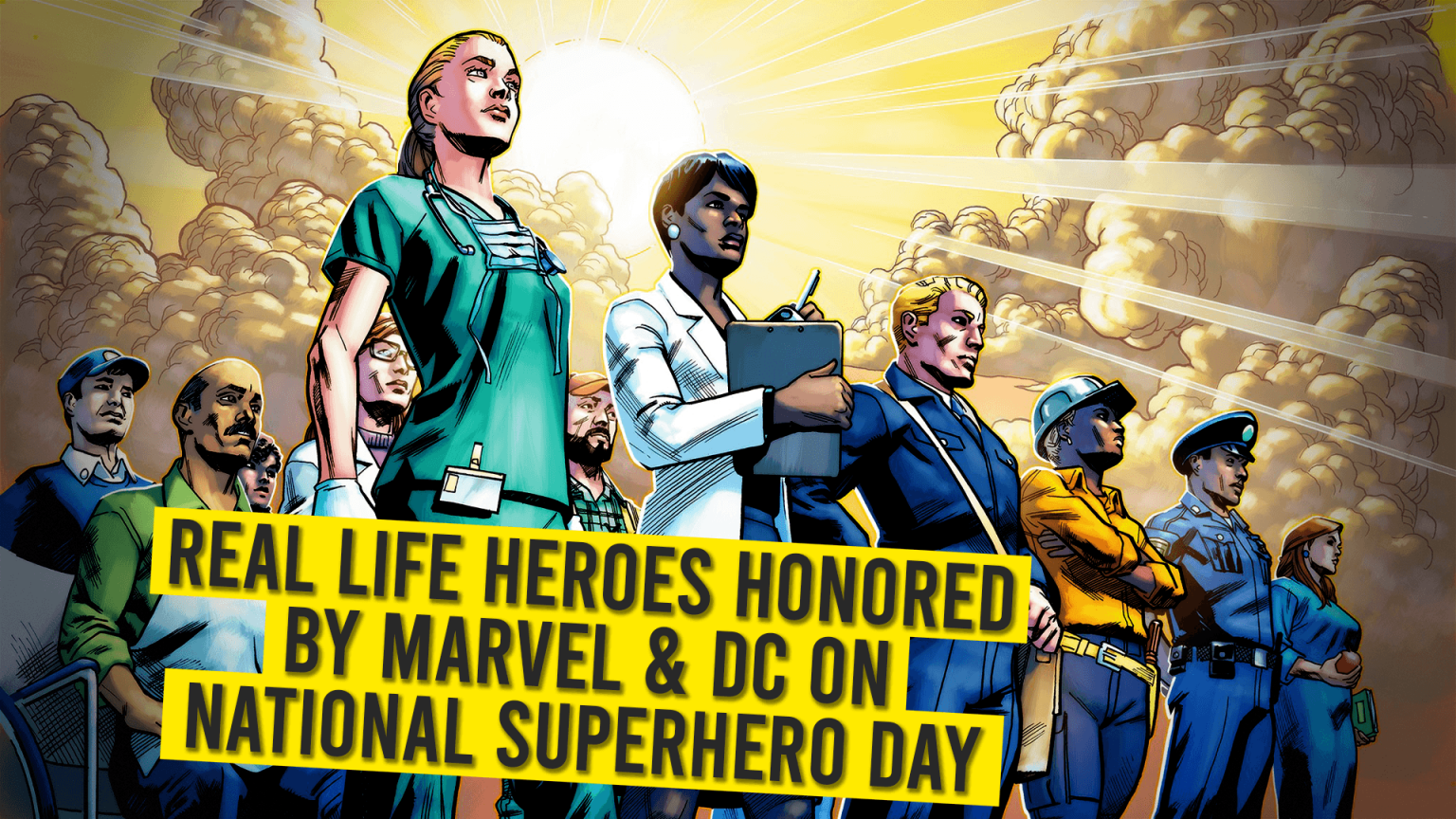
When people ask whether there are superheroes in real life, they are usually trying to reconcile the fantastical abilities found in comic books and blockbuster movies with the stark, often harsh realities of the physical world. The short answer is that while individuals with supernatural powers, such as flight, laser vision, or invulnerability, do not exist outside of fiction, the spirit of heroism, extraordinary physical conditioning, and organized altruism are very much alive in everyday society.
To understand how superheroes manifest in the real world, it is necessary to look past the spandex and special effects. Real-life heroes are found in high-stakes emergency services, scientific innovation, community advocacy, and even an organized subculture of real-life vigilantes who attempt to embody the moral framework of comic book legends. By examining the psychology of heroism, the feats of extreme human capability, and the social structures dedicated to saving lives, we can build a comprehensive picture of what a superhero actually looks like outside of pop culture.
The Myth Versus Reality of Superhuman Abilities
The archetype of the superhero, popularized throughout the twentieth century by publishers like DC and Marvel, relies heavily on science fiction and fantasy tropes. Characters like Superman draw power from a yellow sun, while Spider-Man is transformed by a genetically altered spider bite. These concepts violate the known laws of physics, thermodynamics, and human biology.
In the physical world, human anatomy is bound by strict biological limitations. Bone density, muscle mass, and metabolic rates cannot sustain the kinds of impacts or physical exertions depicted in media. For instance, falling from a ten-story building and absorbing the kinetic energy with one's legs would result in catastrophic structural failure of the human skeleton, regardless of physical training.
Furthermore, the concept of a vigilante operating outside the law to dispense justice introduces immense legal and ethical complexities. In a functioning society governed by the rule of law, unchecked vigilantism undermines due process and public safety. Therefore, real-life heroism must operate within legal frameworks, relying on cooperation, institutional support, and rigorous training rather than magical gifts or lawless intimidation.
Professional Responders as the Modern Vanguard
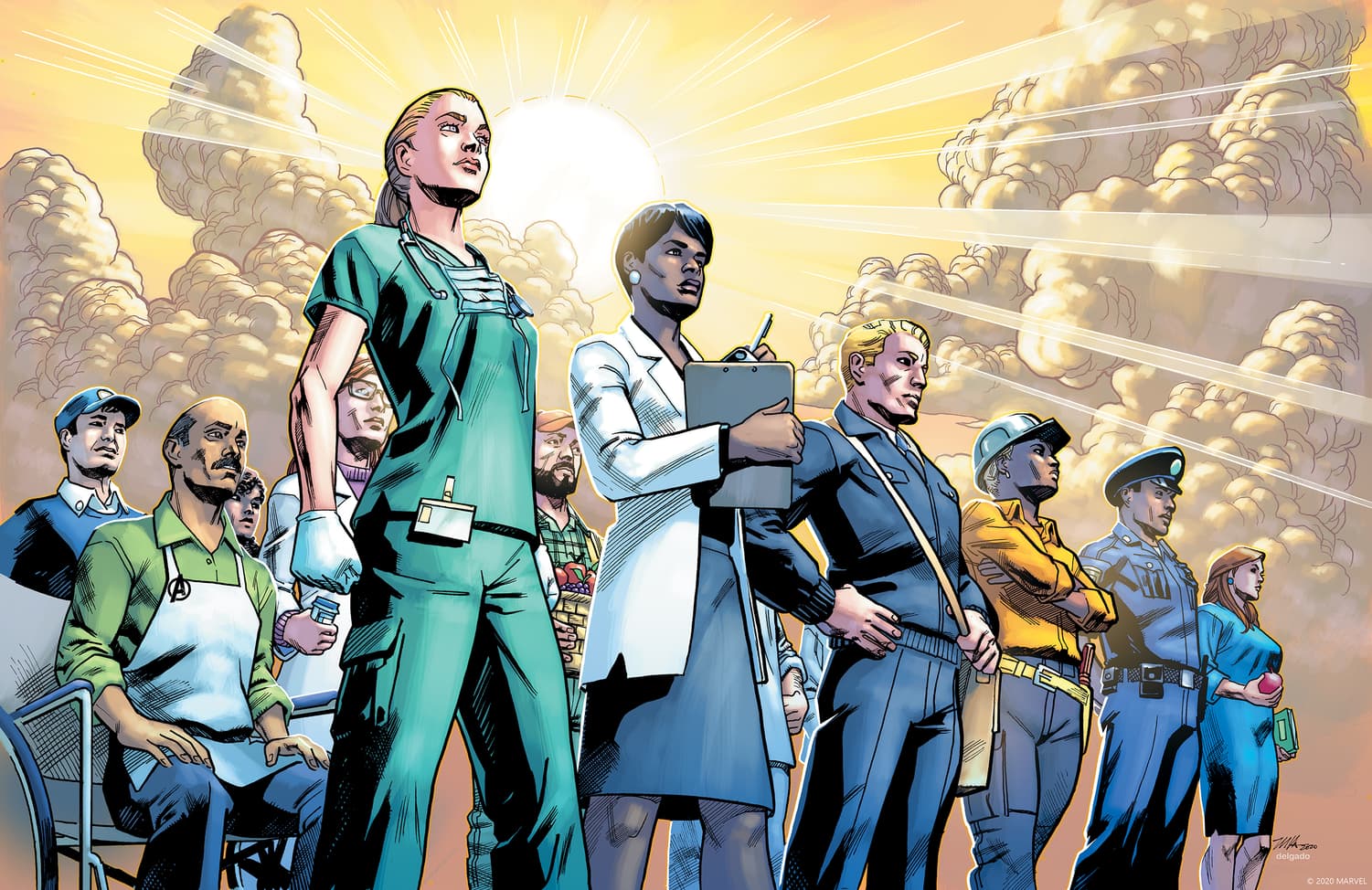
While everyday people rarely wear capes, society has engineered specialized roles for individuals who willingly step into mortal danger to protect others. Firefighters, paramedics, disaster relief workers, and active-duty military personnel represent the closest institutional equivalent to superheroes. These professionals undergo grueling training to override basic survival instincts, entering burning structures, unstable disaster zones, and active conflict areas to save strangers.
Consider the daily operations of urban search and rescue teams or smokejumpers who parachute into remote wildfires. Their work requires peak physical endurance, specialized technical knowledge, and immense psychological resilience. They utilize advanced technology—thermal imaging cameras, hydraulic extrication tools, and specialized communication arrays—much like comic book heroes rely on utility belts or high-tech armor.
Key Comparisons: Fiction Versus Reality
To clearly differentiate between fictional tropes and real-world counterparts, the following table breaks down major categories of superhero attributes and their practical, real-world equivalents.
| Fictional Attribute | Fictional Example | Real-World Equivalent | Real-World Function |
|---|---|---|---|
| Super Strength | Lifting automobiles or tearing steel | Heavy rescue hydraulics, crane operators | Extricating trapped victims from vehicle wreckage |
| Flight | Soaring unassisted through the air | Search and rescue helicopter pilots | Locating lost hikers and providing rapid medical evacuation |
| Invulnerability | Deflecting bullets and surviving explosions | Explosive ordnance disposal (EOD) technicians | Safely neutralizing unexploded ordnance and improvised explosive devices |
| Advanced Intelligence | Building interdimensional portals overnight | Biomedical engineers and epidemiologists | Developing life-saving vaccines and advanced prosthetics |
| Vigilantism | Operating outside the law to fight crime | Law enforcement officers and forensic investigators | Gathering evidence, apprehending suspects, and upholding public safety |
The Real-Life Superhero (RLSH) Community
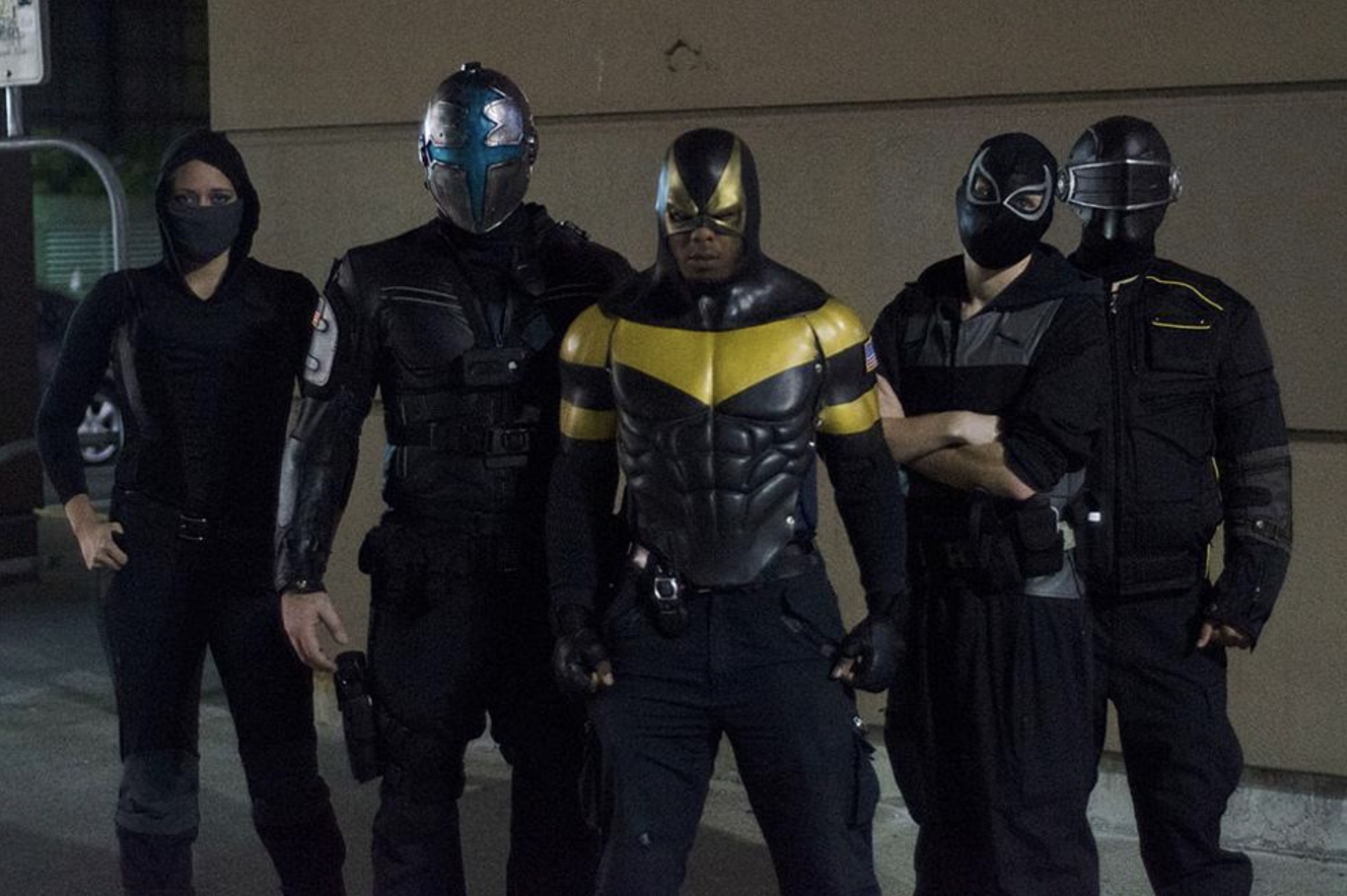
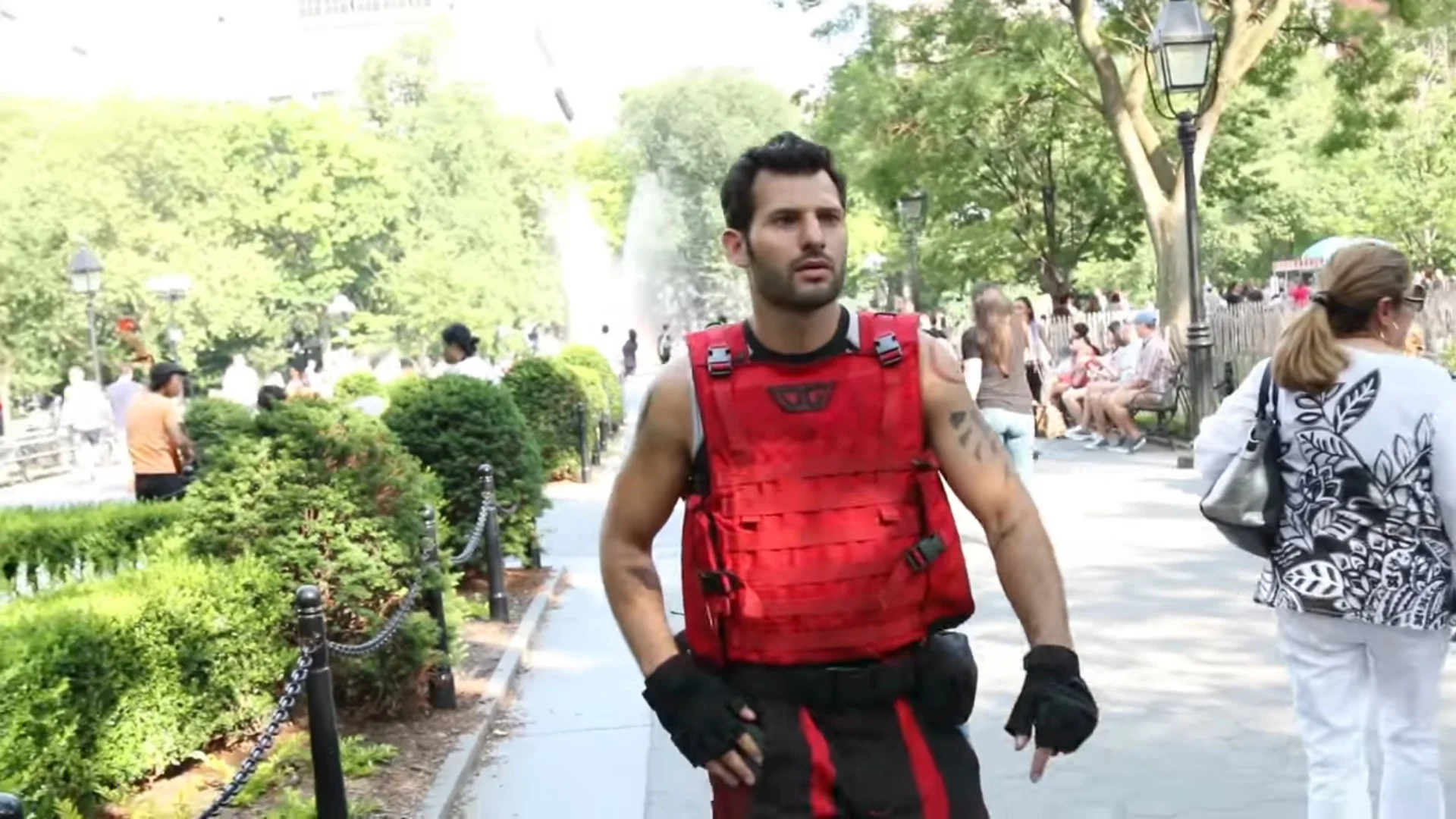
Beyond professional emergency services, a distinct subculture known as the Real-Life Superhero (RLSH) movement exists globally. These are ordinary individuals who adopt costumed personas to perform charitable acts, patrol neighborhoods, and assist the homeless or vulnerable populations.
The RLSH movement gained prominent visibility in the 2000s and 2010s through documentaries and media profiles. Members of this community typically focus on community outreach rather than physical crime-fighting, recognizing that direct intervention in violent crimes is dangerous and legally problematic. Instead, their activities mirror organized mutual aid:
- Distributing winter coats, food, and hygiene kits to unhoused populations.
- Acting as visible deterrents to street crime through neighborhood patrols in high-risk areas.
- Participating in charitable fundraising drives and youth mentorship programs.
- Raising awareness for missing persons cases and local social issues.
While some critics view the costumes and monikers as eccentric or performative, many RLSH participants emphasize that the visual gimmick serves a practical purpose: it attracts media attention, engages children, and makes them easily identifiable to people seeking help in public spaces.
Everyday Heroes: Ordinary People in Extraordinary Circumstances
Perhaps the truest form of real-life heroism emerges spontaneously from ordinary individuals during crises. Psychologists and sociologists who study altruism often look at instances where everyday people risk their lives for others without any expectation of reward, fame, or recognition.
Historical and contemporary accounts are filled with examples of bystanders who pull drivers from burning vehicles, shield others from active threats, or donate bone marrow and organs to save the lives of total strangers. This phenomenon demonstrates that the capacity for radical empathy and self-sacrifice is hardwired into human psychology.
The Psychology of Altruism and Bystander Intervention
Understanding why some people step up while others stand by involves examining the psychology of altruism. Evolutionary biology suggests that human survival has historically depended on group cooperation and reciprocal altruism—protecting the tribe ensures the survival of the collective gene pool.
- Empathy Mapping: Individuals with high levels of cognitive and emotional empathy quickly process another person's distress, translating observation into immediate action.
- Moral Obligation: Many everyday heroes report a deep-seated personal code that prevents them from walking away when someone is in danger.
- De-escalation of Fear: While fear is a natural response to danger, trained or naturally composed individuals can suppress panic to focus entirely on problem-solving under pressure.
Scientific and Technological Innovators
In modern fiction, characters like Tony Stark or Bruce Wayne utilize wealth and intellect to engineer technologies that elevate human potential. In the real world, scientists, engineers, and medical researchers function as intellectual superheroes by designing innovations that eradicate diseases, restore mobility, and protect populations from natural disasters.
Advances in prosthetics, gene therapy, and renewable energy are direct products of human brilliance applied to systemic challenges. For example, the rapid development of mRNA vaccine technology saved millions of lives globally, a feat that rivals any narrative achievement of a fictional genius scientist. Similarly, engineers developing early-warning systems for earthquakes and tsunamis protect hundreds of thousands of lives before natural disasters strike, acting as a shield for entire civilizations.
Limitations, Risks, and Legal Realities
While celebrating heroism is inspiring, it is vital to acknowledge the boundaries and hazards inherent in trying to be a superhero in real life. Unchecked civilian intervention in dangerous situations frequently leads to tragic outcomes, including the injury or death of well-meaning bystanders and the complication of active law enforcement investigations.
- Legal Liabilities: Civilians who attempt to detain suspects or use physical force can face severe criminal charges for assault, kidnapping, or manslaughter, as they do not possess qualified immunity or police training.
- Physical Dangers: Without tactical training, protective gear, or backup, untrained individuals rushing into volatile situations often become secondary victims, requiring emergency responders to divide their attention and resources.
- Psychological Impact: First responders and individuals who witness or participate in high-stress rescues often suffer from post-traumatic stress disorder (PTSD), depression, and compassion fatigue, requiring ongoing mental health support.
Frequently Asked Questions
Can ordinary people train to become real-life heroes?
Yes, but not in the comic book sense. Ordinary people can cultivate life-saving skills by earning certifications in CPR, first aid, wilderness survival, and disaster preparedness through organizations like the American Red Cross or local community emergency response teams (CERT).
Are there laws protecting people who try to help others in an emergency?
Many jurisdictions have Good Samaritan laws that protect individuals who voluntarily offer assistance to those in distress from liability, provided their actions are reasonable, non-negligent, and within the scope of their training. However, these laws do not grant civilians the right to act as law enforcement officers.
How do real-life superheroes fund their activities?
Most individuals involved in the Real-Life Superhero community or grassroots charitable work fund their outreach out of pocket or through small community donations, balancing their altruistic activities with standard full-time employment.
What is the difference between a vigilante and a hero?
A vigilante operates outside the legal system to punish perceived wrongdoers, often using intimidation or unauthorized force. A hero, by contrast, focuses on protection, rescue, and community support while respecting legal boundaries and human rights.
Can science ever create real superheroes through genetic modification?
Current genetic science focuses on curing hereditary diseases, enhancing immune responses, and repairing damaged tissues rather than granting superhuman traits like flight or superhuman strength. The biological and physical constraints of human anatomy prevent the realization of comic-book superpowers.
Next Actions for Aspiring Community Protectors
For those inspired by the concept of real-life heroism and looking to make a tangible difference in their communities, the most effective path does not involve capes or masks. Instead, channel that drive into structured, high-impact avenues:
- Enroll in a certified community emergency response team (CERT) training program to learn disaster preparedness and basic rescue techniques.
- Become a regular blood or platelet donor through local health organizations to directly support medical patients in need.
- Volunteer with established humanitarian charities, youth mentoring programs, or search and rescue auxiliary units.
- Educate yourself on mental health first aid and conflict de-escalation to safely support vulnerable individuals in your neighborhood.