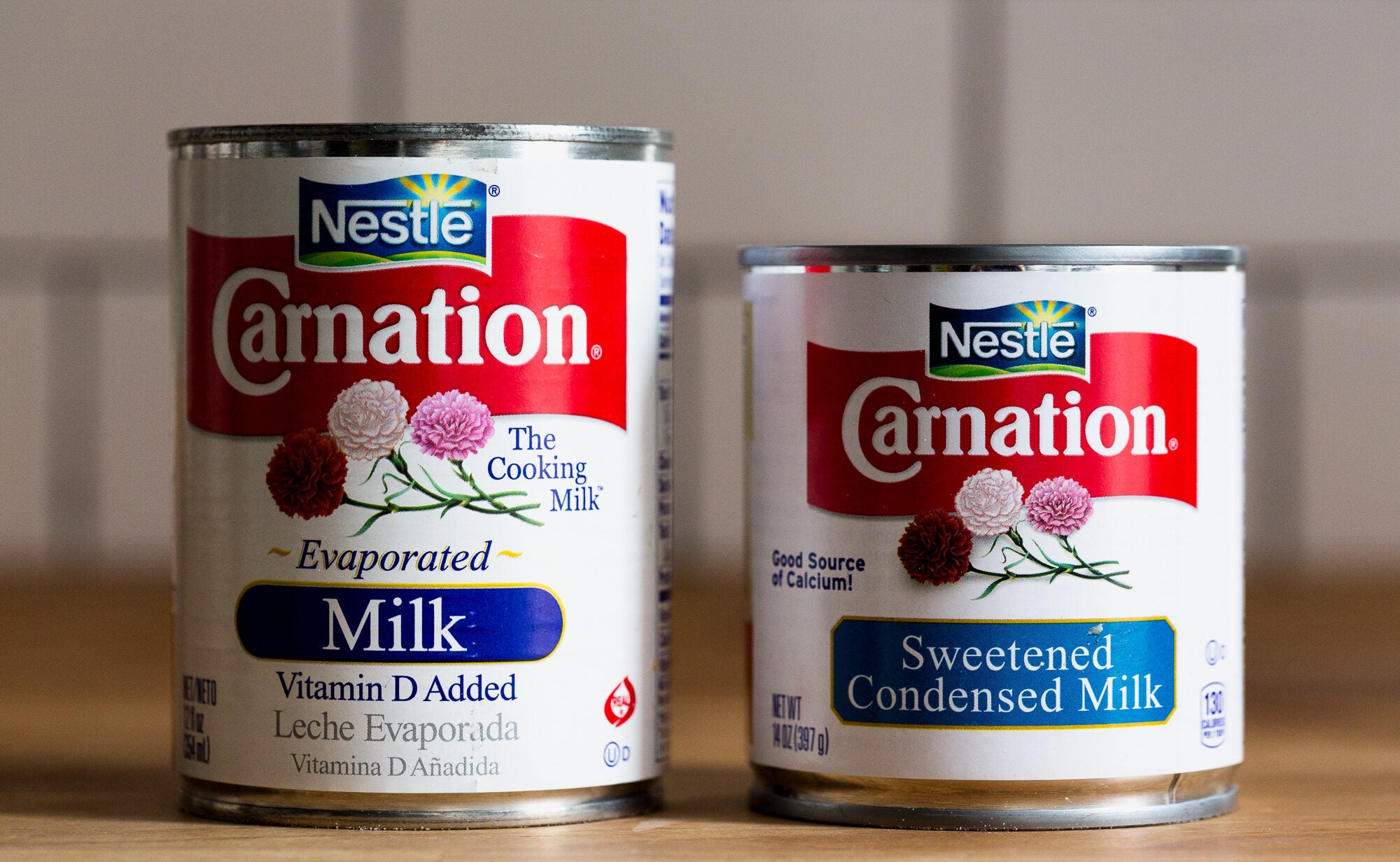
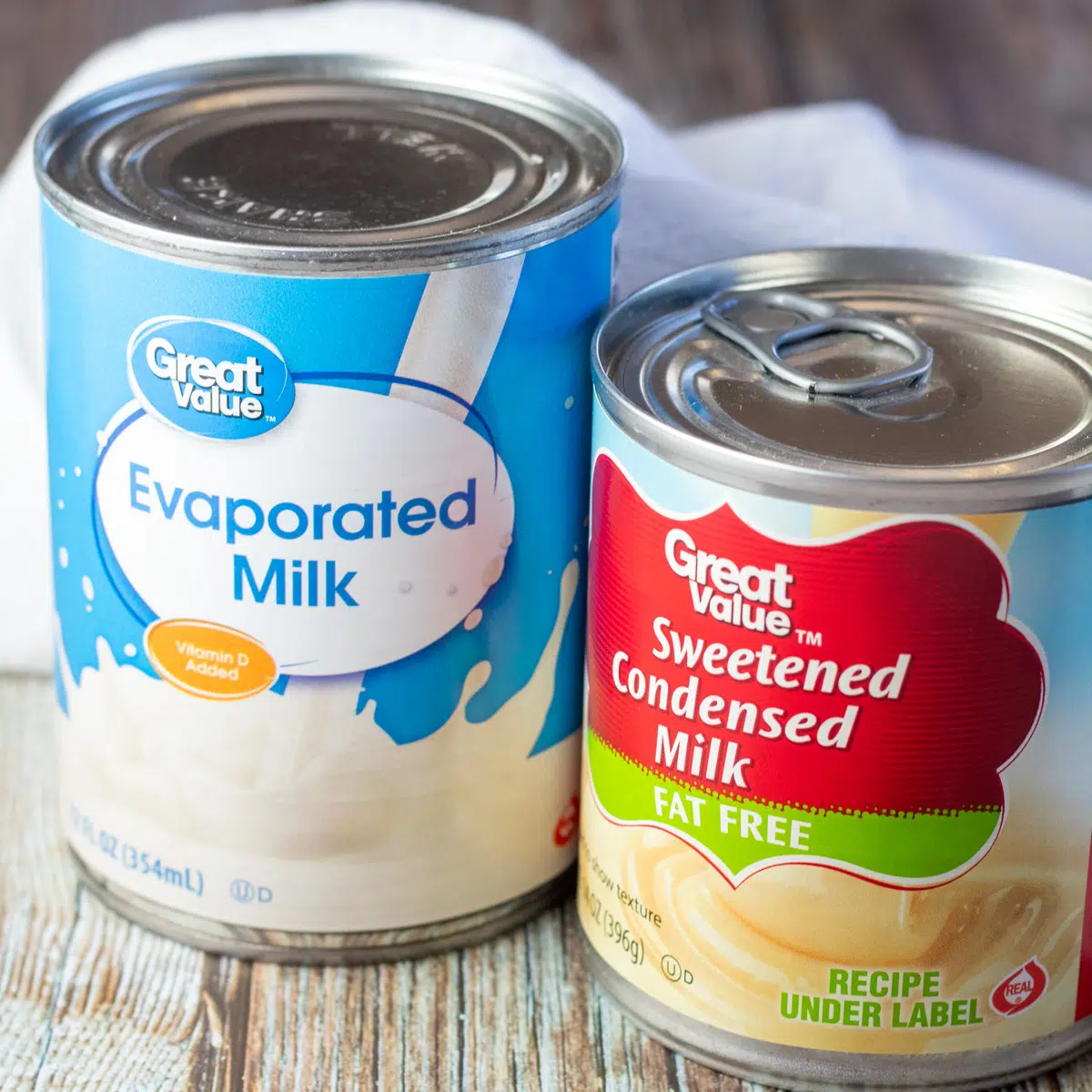
No, condensed milk and evaporated milk are not the same thing, although they share a similar origin. While both are concentrated milk products with approximately 60% of their water content removed, sweetened condensed milk contains a significant amount of added sugar (about 40–45% by weight), whereas evaporated milk contains no added sugar.
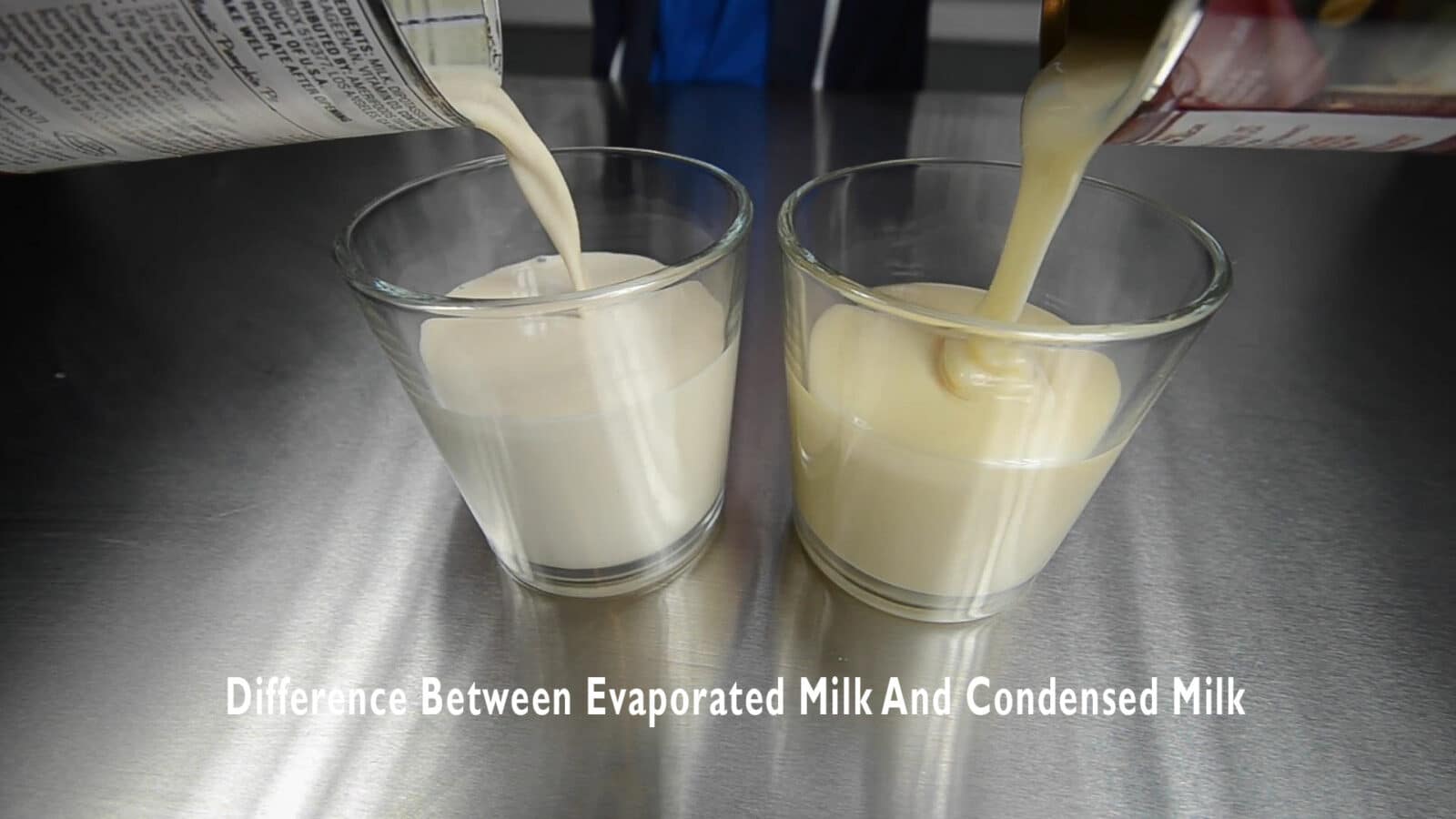
Because of this fundamental difference in sugar content, the two products have vastly different textures, flavors, and chemical properties. Sweetened condensed milk is thick, gooey, and intensely sweet, making it ideal for desserts and coffee. Evaporated milk is thin, pourable, and has a slightly toasted, creamy flavor, making it a shelf-stable substitute for fresh milk or cream in both savory and sweet recipes. Substituting one for the other without significant adjustments will likely ruin the texture and flavor profile of your dish.
The Shared Science of Milk Concentration
To understand why these two products are so different, it is helpful to first look at what they have in common. Both fall under the category of concentrated milks. The process begins with fresh, pasteurized milk. This milk is placed in a vacuum evaporator, where it is heated under reduced pressure. This allows the water to boil off at a lower temperature, preventing the milk from scorching while effectively removing about 60% of the liquid.
As of 2026, the industrial standards for these products remain strictly regulated by food safety authorities to ensure consistency in fat and solids content. By removing the water, manufacturers create a product that is denser in nutrients and fats than standard milk. However, once the evaporation process is complete, the paths of these two products diverge significantly in terms of additives and final processing.
Sweetened Condensed Milk: The Viscous Dessert Essential
Sweetened condensed milk is a mixture of concentrated milk and a heavy dose of sugar. The sugar isn't just there for flavor; it serves a vital functional role.
The Role of Sugar in Preservation
In the mid-19th century, Gail Borden patented the process for condensed milk to prevent milk from spoiling during long journeys. The high concentration of sugar in sweetened condensed milk acts as a preservative by increasing the osmotic pressure of the liquid. This process, known as "water activity reduction," makes it nearly impossible for bacteria to grow. Consequently, while evaporated milk must undergo intense heat sterilization (autoclaving) inside the can to remain shelf-stable, sweetened condensed milk is often canned without that same level of high-heat treatment because the sugar does the heavy lifting for preservation.
Physical Characteristics and Flavor
The result of this sugar addition is a product that is incredibly viscous. If you pour it, it moves slowly, like a thick syrup or warm honey. Because it has not been subjected to the same intense sterilization temperatures as evaporated milk, it typically retains a lighter, creamier color, though it may darken over time due to the Maillard reaction—a chemical reaction between amino acids and reducing sugars that gives browned food its distinctive flavor.
Common Culinary Uses
Sweetened condensed milk is a staple in global cuisines. In the United States, it is the backbone of "Magic Cookie Bars" and Key Lime Pie, where the acid in the lime juice reacts with the milk proteins to thicken the filling without baking. In Southeast Asia and South America, it is a primary sweetener for coffee and tea. It is also the starting point for Dulce de Leche, which is produced by further heating the milk until the sugars caramelize into a thick, dark brown spread.
Evaporated Milk: The Creamy, Savory Workhorse
Evaporated milk is essentially "milk in a can" with the water removed and nothing else added. It is the unsweetened sibling that offers richness without the cloying sweetness of its counterpart.
The Sterilization Process
Because evaporated milk lacks the preservative power of sugar, it must be sterilized after it is sealed in the can. This is usually done using high-temperature steam. This process gives evaporated milk its characteristic "cooked" flavor and a slightly darker, off-white or tan hue compared to fresh milk. This sterilization ensures the product remains safe to consume for years if stored in a cool, dry place.
Texture and Culinary Versatility
Evaporated milk has a consistency similar to light cream or half-and-half. It is pourable and blends easily into liquids. Because the proteins and fats are concentrated, it is less likely to curdle when heated compared to fresh milk. This makes it an exceptional ingredient for high-heat cooking.
Why Chefs Prefer It
In savory cooking, evaporated milk is often used to create creamy textures without the high fat content of heavy cream. It is a secret weapon for mac and cheese, where it helps emulsify the cheese into a smooth, stable sauce that doesn't "break" or become oily. It is also used in creamy soups, chowders, and mashed potatoes. In baking, it is the standard for pumpkin pie and fudge, providing a richness that fresh milk cannot match.
Comparing the Two: At a Glance
The following table highlights the technical and functional differences between these two pantry staples as they are marketed in 2026.
| Feature | Sweetened Condensed Milk | Evaporated Milk |
|---|---|---|
| Added Sugar | Yes (Approx. 40–45% by weight) | No |
| Consistency | Thick, syrupy, and viscous | Thin, pourable, and fluid |
| Color | Pale cream to light yellow | Off-white to light tan |
| Flavor Profile | Intensely sweet and milky | Rich, creamy, and slightly "cooked" |
| Primary Use | Desserts, candies, and coffee | Savory sauces, soups, and baking |
| Caloric Density | High (~130 calories per 2 tbsp) | Moderate (~40 calories per 2 tbsp) |
| Shelf Stability | Extremely high (sugar-preserved) | High (heat-sterilized) |
Can You Substitute One for the Other?
The most common question regarding these two products is whether they can be swapped in a recipe. The short answer is no, at least not directly.
Substituting Evaporated for Condensed
If a recipe calls for sweetened condensed milk and you only have evaporated milk, you can attempt to make a substitute by adding sugar. You would typically need to combine about one cup of evaporated milk with 1.25 cups of granulated sugar. This mixture must be heated and simmered until the sugar is completely dissolved and the liquid has thickened to the correct consistency. However, even with this method, the flavor may lack the specific "dairy-sweet" profile of the commercial version.
Substituting Condensed for Evaporated
This is much more difficult. If a recipe calls for evaporated milk—especially a savory one like a potato soup or a pasta sauce—you cannot use sweetened condensed milk. The sugar content will make the dish inedibly sweet. In sweet recipes, you might be able to reduce the other sugars in the recipe, but the texture will still be significantly heavier and stickier than intended.
Substituting with Fresh Milk
If you run out of both, you can technically "make" evaporated milk by simmering 2.25 cups of regular milk down to 1 cup. This requires patience and frequent stirring to prevent a skin from forming or the bottom from burning.
According to the FDA Standards of Identity, sweetened condensed milk must contain at least 8% milkfat and 28% total milk solids. Evaporated milk standards are similar but focus on the lack of additives.
Nutritional Considerations and 2026 Market Trends
In 2026, health-conscious consumers and those with dietary restrictions have more options than ever. It is important to distinguish between traditional dairy versions and the newer alternatives.
- Sugar Impact: Sweetened condensed milk is effectively a liquid confection. A single two-tablespoon serving can contain upwards of 20 grams of sugar. For those monitoring blood glucose or caloric intake, this is a significant factor.
- Plant-Based Alternatives: By 2026, coconut, oat, and almond-based "condensed" and "evaporated" milks have become mainstream. Coconut condensed milk is particularly popular in vegan baking because coconut's natural fat content mimics the mouthfeel of dairy milk very effectively.
- Fat Content: You can find "low-fat" or "fat-free" versions of both products. In these cases, the milkfat is replaced with skim milk solids. While these work well for some recipes, they lack the creamy "body" required for items like fudge or rich custards.
Storage and Handling in the Modern Kitchen
Both products are prized for their shelf life, but they are not indestructible.
- Unopened Cans: Store them in a cool, dark place. Over several years, sweetened condensed milk may thicken further and turn a darker amber color. This is usually safe but may change the aesthetic of your recipe. Evaporated milk may occasionally separate; shaking the can before opening usually re-incorporates the solids.
- Opened Containers: Once a can is opened, the clock starts ticking. Because they are dairy products, they must be refrigerated. Transfer the contents to an airtight glass or plastic container. Sweetened condensed milk will last for about two weeks in the fridge due to its sugar content. Evaporated milk is more fragile and should be used within 3 to 5 days.
- Freezing: It is generally not recommended to freeze either product in its liquid state, as the emulsion often breaks upon thawing, resulting in a grainy texture. However, they freeze well once they are incorporated into a cooked dish, like a pie or a casserole.
FAQs
Can I use evaporated milk in my coffee?
Yes, and many people prefer it. It provides a richness similar to half-and-half but with a slightly toasted flavor profile. Unlike sweetened condensed milk, you will need to add your own sweetener if you prefer a sweet cup of coffee.
Why did my sweetened condensed milk turn brown?
This is usually due to the Maillard reaction, which occurs when the milk proteins and sugars are exposed to heat or stored for a very long time. If the can is not bulging and there is no foul odor, it is likely safe to eat and will simply have a more caramel-like flavor.
Is evaporated milk the same as "heavy cream"?
No. While evaporated milk is richer than standard milk, it contains significantly less fat than heavy cream (about 8% for evaporated milk versus 36% for heavy cream). Evaporated milk cannot be whipped into stiff peaks like heavy cream unless it is extremely cold and supplemented with stabilizers.
Can I make "Dulce de Leche" with evaporated milk?
Not directly. Dulce de Leche requires a high sugar concentration to caramelize into the thick spread we recognize. To make it with evaporated milk, you would have to add a large amount of sugar and simmer it for hours. It is much easier to start with a can of sweetened condensed milk.
Why is evaporated milk often used in slow cooker recipes?
Evaporated milk is more heat-stable than fresh milk or cream. In a slow cooker, fresh dairy can often break down and curdle over several hours of cooking. The homogenization and concentration process used for evaporated milk makes it more resistant to this curdling.
Practical Recommendation
When shopping or preparing to bake, always double-check your recipe's specific requirements. If your goal is to create a rich, creamy texture in a savory dish or a light cake, reach for evaporated milk. If your goal is to create a sweet, sticky dessert or a decadent coffee creamer, sweetened condensed milk is the correct choice.
Always keep one can of each in your pantry. Their long shelf life makes them excellent "emergency" ingredients for when you run out of fresh milk or need to add an unexpected layer of richness to a meal. For the best results in 2026, ensure you are using the specific version (full-fat or low-fat) called for by the recipe developer to maintain the intended structural integrity of your food.