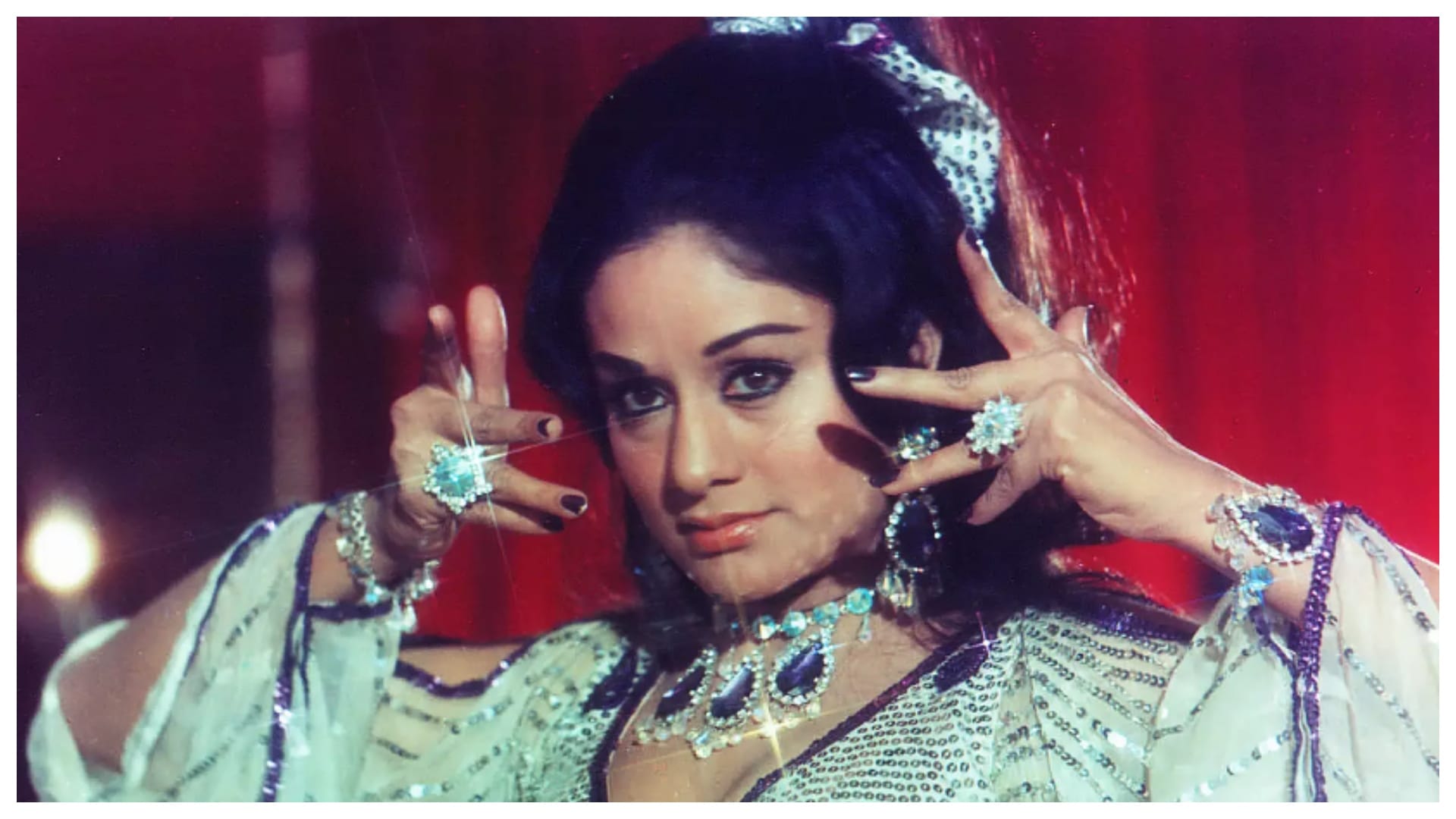
Aruna Irani's estimated net worth stands between $5 million and $10 million (approximately ₹40 crore to ₹80 crore). Her financial standing is the result of a career spanning over six decades, during which she appeared in more than 500 films, produced critically acclaimed television series, and made strategic real estate investments in Mumbai.
Understanding Aruna Irani's Financial Profile
Evaluating the net worth of a veteran Indian film and television personality like Aruna Irani requires examining multiple eras of the Indian entertainment industry. Unlike modern film actors whose compensation is heavily tied to upfront multi-crore fees and corporate brand endorsements, artists of Irani's generation built their financial capital through exceptional output volume, longevity, and eventual diversification into television production.
Irani entered the film industry as a child artist in the early 1960s and systematically built a career as one of Hindi cinema's most versatile supporting actresses, dancers, and character performers. In the late 1990s and early 2000s, she made a strategic pivot into television direction and production, establishing a secondary revenue engine that substantially increased her overall net worth.
Her overall wealth represents a blend of historical film earnings, lucrative television acting contracts, production company equity, royalty streams, and valuable prime residential real estate in Mumbai.
Estimated Net Worth Breakdown and Financial Summary
While private asset holdings for Indian artists are not disclosed in public financial filings, media estimates and industry valuation models place Aruna Irani's financial footprint in the upper tier for character actors of her generation.
| Financial Parameter | Estimated Value / Details |
|---|---|
| Estimated Total Net Worth | $5 Million – $10 Million (₹40 Crore – ₹80 Crore) |
| Primary Income Sources | Television Production, Acting (Film & TV), Direction |
| Career Longevity | 1961–Present (Over 60 Years) |
| Total Film Appearances | 500+ Films (Hindi, Marathi, Gujarati, Kannada) |
| Notable TV Productions | Des Mein Niklla Hoga Chand, Mehndi Tere Naam Ki, Vaidehi |
| Key Real Estate Assets | Residential Properties in Mumbai, Maharashtra |
| Peak Earnings Decades | 1980s–1990s (Films) and 2000s–2010s (TV Production) |
Core Revenue Streams Driving Wealth
1. Film Remuneration Across Six Decades
Aruna Irani made her acting debut as a child artist in the 1961 film Gunga Jumna. Over the following four decades, she became a mainstay in Hindi cinema, appearing in major commercially successful films such as Caravan (1971), Bombay to Goa (1972), Khel Khel Mein (1975), Shahenshah (1988), Beta (1992), and Raja Babu (1994).
During the 1970s and 1980s, supporting actors were compensated per film project or on a monthly retaining studio model. While per-film compensation in that era was modest compared to modern standards, Irani's incredible volume—often shooting multiple films simultaneously—ensured a constant and lucrative cash flow. Her critically acclaimed performance in Beta (1992), which earned her a Filmfare Award for Best Supporting Actress, cemented her position as one of the highest-paid character actresses of the 1990s.
In addition to Hindi cinema, Irani worked extensively in regional cinema, particularly Gujarati and Marathi films. She played lead and pivotal character roles in dozens of regional hits, which provided additional revenue streams and expanded her market reach across regional distribution networks.
2. Television Acting and Daily Soap Contracts
As feature film roles for senior female actors evolved in the late 1990s, the boom of Indian satellite television created new financial opportunities. Irani transitioned seamlessly into prime-time television drama.
In television, actors in major recurring roles are typically paid on a per-episode remuneration model. Given her veteran status, Irani commanded premium per-episode rates on major broadcast networks such as Star Plus, Zee TV, and Sony Entertainment Television. Her roles in long-running television shows provided stable, recurring earnings that surpassed typical single-film guest appearance fees.
3. Television Production and Directorial Ventures
The most significant wealth-building phase of Aruna Irani's later career came from her transition to television production and direction. Under production banners associated with her family and team, she produced and directed several high-rated prime-time television dramas in the early to mid-2000s.
Key production projects include:
- Des Mein Niklla Hoga Chand: A major prime-time drama on Star Plus that achieved high Television Rating Points (TRPs) and enjoyed long broadcast runs.
- Mehndi Tere Naam Ki: A successful drama series that further established her credentials as a producer.
- Rabba Ishq Na Hove and Vaidehi: Popular television series that contributed to ongoing syndication revenues and production fees.
As a television producer, Irani generated income not only from director and actor fees but also from production margins, show intellectual property deals, and distribution partnerships with major network channels. Production ownership allows for substantially higher profit margins than individual acting fees, forming a major component of her total accumulated wealth.
Real Estate and Personal Investments
A major portion of long-term wealth for Mumbai film industry veterans is tied up in prime real estate. Over her decades-long career, Irani invested a significant share of her earnings into residential property in Mumbai, Maharashtra.
- Primary Residence: Irani resides in an upscale residential area in Mumbai, a region that has seen exponential real estate appreciation over the past thirty years.
- Property Investments: Like many contemporary artists who earned steady incomes during the expansion of Indian suburban real estate, her property portfolio has experienced significant passive value growth. Real estate in Mumbai's western suburbs (such as Juhu, Andheri, and Bandra) represents a primary store of value for legacy film personalities.
In addition to property holdings, Irani's financial portfolio includes conservative asset management vehicles typical for veteran artists in India, such as fixed-income securities, mutual funds, and cash reserves designed to maintain financial independence throughout retirement.
Career Milestones and Financial Evolution
To understand how Aruna Irani accumulated her net worth, it is helpful to look at how her earning structure shifted across key stages of her career.
- CAREER & EARNING STAGES
- 1960s - 1970s: Debut to Stardom | High volume of supporting/dance roles
- 1980s - 1990s: Award-Winning Actor | Premium character actor fees & awards
- 2000s - 2010s: Producer & TV Director | Production margins & prime-time soaps
- 2020s - Present: Legacy & TV Appearances | Special appearances & royalty streams
The Early Phase (1960s–1970s)
Irani initially took on acting roles to financially support her family, being the eldest of eight children. Her success in films like Caravan established her as a major dancing and supporting star. Earnings during this era were primarily reinvested into family welfare and foundational personal savings.
The Peak Acting Phase (1980s–1990s)
During this period, Irani was one of the most sought-after female character actors in Bollywood. Her performance in Pet Pyaar Aur Seeti (1984) earned her her first Filmfare Best Supporting Actress Award, raising her market value. She became a central element in commercial blockbuster cinema, commanding high performance fees across mainstream Hindi films.
The Production Era (2000s Onward)
Recognizing the shifting dynamics of the entertainment industry, Irani took creative and financial control of her projects by launching television production ventures. This era provided her largest absolute financial returns, benefiting from the rapid expansion of satellite television in India. In 2012, her overall contribution to cinema was recognized with the prestigious Filmfare Lifetime Achievement Award.
Personal Life and Joint Financial Dynamics
Aruna Irani married film director Kuku Kohli (Kukku Kohli) in 1990. Kohli is an established director in Hindi cinema, known for directing commercial hit films such as Phool Aur Kaante (1991), which launched the career of Ajay Devgn.
While both Irani and Kohli built independent careers within the Indian film industry, their combined household assets and collaborative media projects have strengthened their joint financial stability. The couple chose not to have children, a decision Irani has spoken about openly in media interviews, noting that her focus remained dedicated to her career, extended family obligations, and production commitments.
Frequently Asked Questions
What is Aruna Irani's estimated net worth?
Aruna Irani's estimated net worth is between $5 million and $10 million (approximately ₹40 crore to ₹80 crore). This figure accounts for her film and television earnings, production ventures, and Mumbai real estate investments.
What is Aruna Irani's main source of income?
While she initially earned her income through feature film acting, a substantial portion of her wealth was generated through television production and direction in the 2000s, along with prime-time TV drama acting roles.
Has Aruna Irani won major industry awards?
Yes. Aruna Irani won two Filmfare Awards for Best Supporting Actress—for Pet Pyaar Aur Seeti (1984) and Beta (1992). She was also honored with the Filmfare Lifetime Achievement Award in 2012 for her extensive contributions to Indian cinema.
Is Aruna Irani still active in the entertainment industry?
Irani remains selectively active in the industry. She occasionally makes guest appearances on television shows, reality programs, and interview formats, while enjoying the long-term returns from her television production catalogue and personal investments.
How many films has Aruna Irani acted in?
Aruna Irani has acted in over 500 films throughout her career. Her body of work spans Hindi, Gujarati, Marathi, and Kannada cinema, making her one of the most prolific actresses in Indian film history.
Final Financial Assessment
Aruna Irani's net worth reflects a lifetime of adaptability within the Indian entertainment sector. By transitioning from a child artist to a leading character actress, and ultimately into an independent television producer, she built a durable financial foundation. Her wealth illustrates how long-term career diversification, combined with investments in prime real estate, can preserve capital across changing media landscapes.