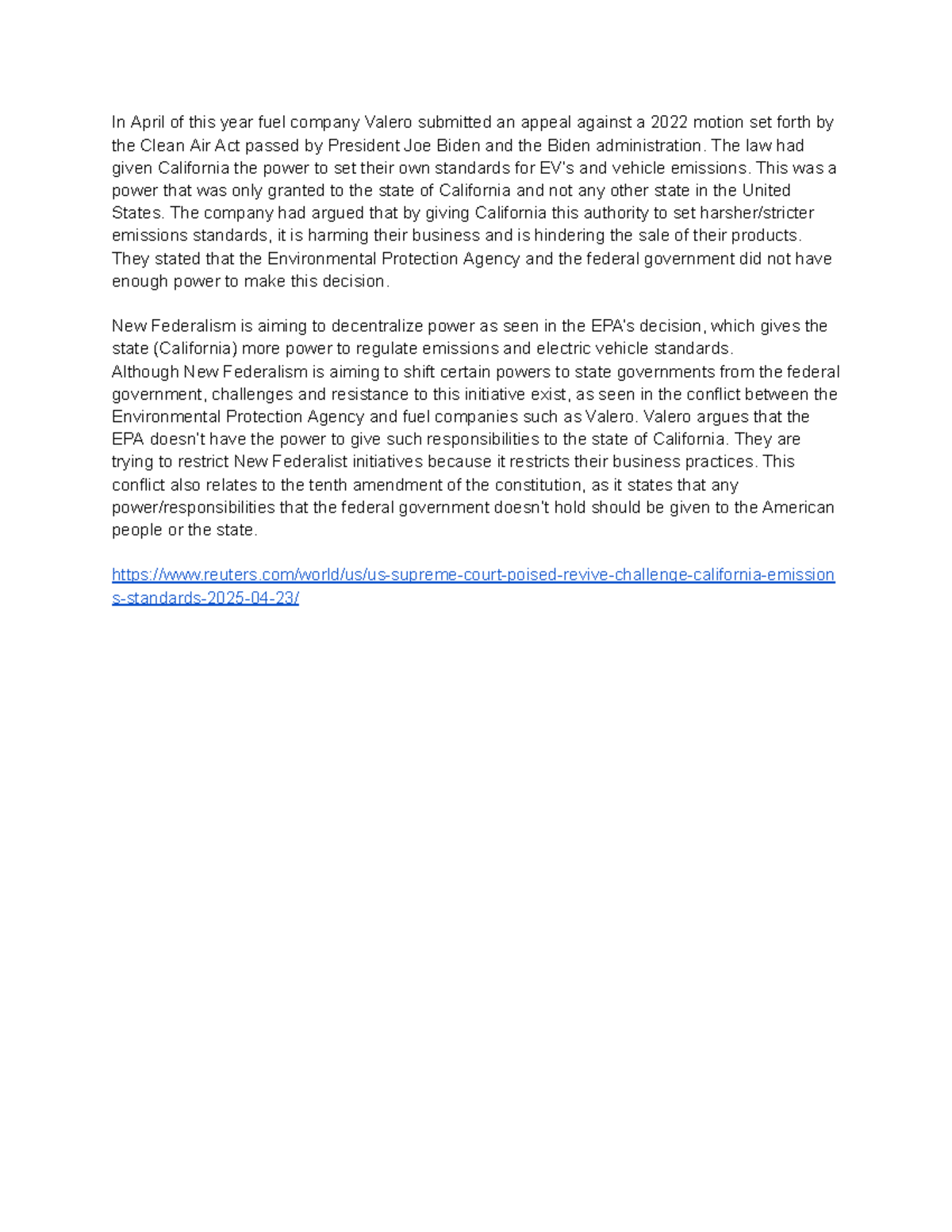
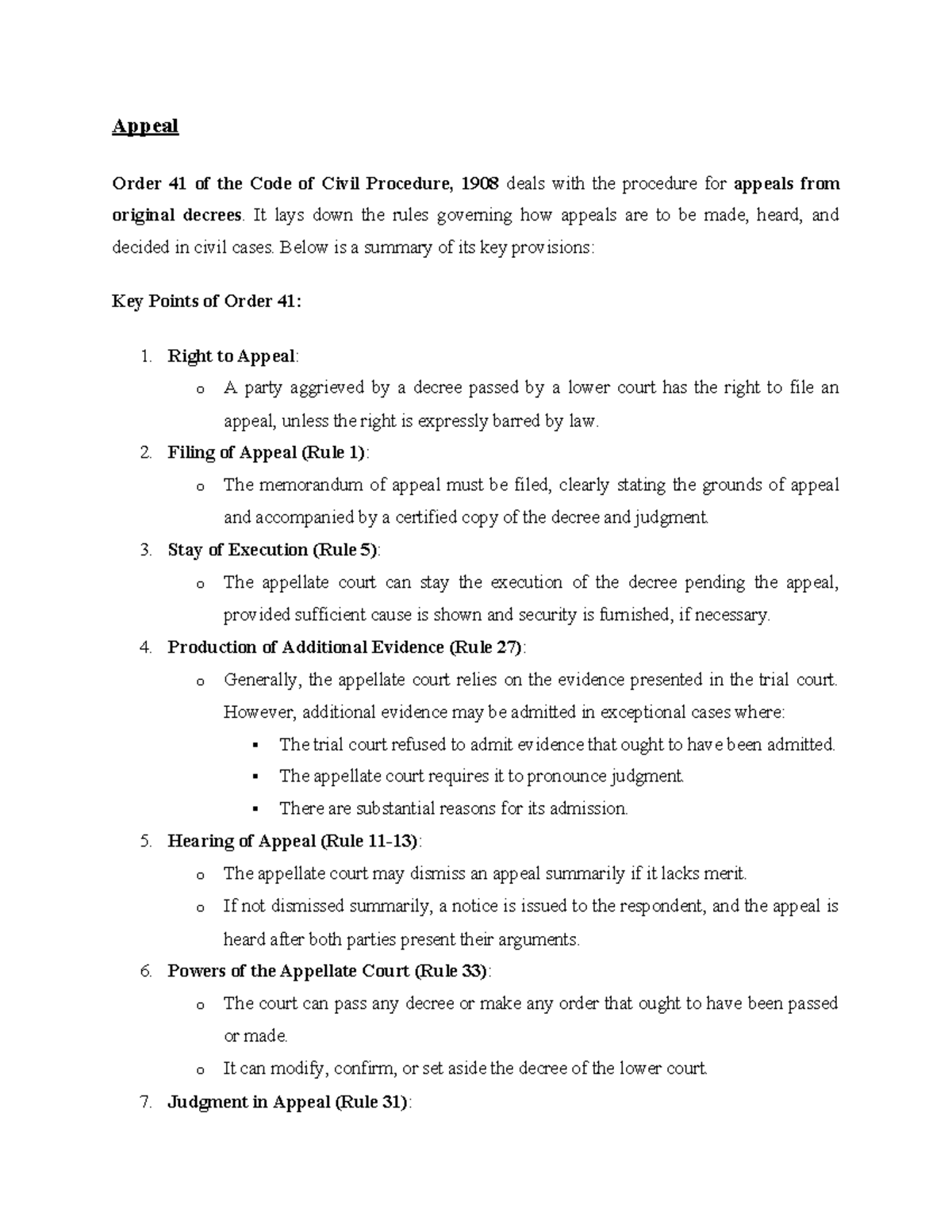
Filing an appeal in California involves challenging a trial court's final judgment or appealable order by filing a timely Notice of Appeal, designating the trial court record, submitting written briefs, and participating in oral argument. Initial court filing fees range from $330 for limited civil cases to $875 for unlimited civil cases, with overall appeal costs—including record transcripts and legal representation—typically totaling several thousands to tens of thousands of dollars.
Disclaimer: The following guidance provides educational information regarding the appellate process in California state courts. Legal rules, deadlines, and court fee schedules change. Litigants should consult a licensed California attorney or appellate specialist for legal advice regarding specific cases.
Understanding the Appellate Process in California Courts
An appeal is not a second trial. It is a formal request for a higher court to review a trial court’s ruling for legal errors that prejudiced the outcome of the case. In California civil and criminal proceedings, the appellate court does not hear new witness testimony, evaluate witness credibility, or accept new evidence. Instead, the appellate panel relies strictly on the record created in the trial court—comprising documents filed in the case and transcripts of oral hearings—to determine whether the trial judge committed reversible legal error.
California operates a two-tiered system for trial court appeals:
- Limited Civil Appeals: Cases where the amount in controversy is $35,000 or less are handled by the Appellate Division of the Superior Court in the county where the original trial took place.
- Unlimited Civil Appeals: Cases involving claims exceeding $35,000, family law matters, probate disputes, and felony proceedings are appealed directly to the California Court of Appeal. The state is divided into six appellate districts (headquartered in San Francisco, Los Angeles, Sacramento, San Diego/Riverside/Santa Ana, Fresno, and San Jose).
When reviewing a case, appellate courts apply specific standards of review:
- De Novo Review: The appellate court reviews pure questions of law entirely afresh, giving no deference to the trial court judge's interpretation.
- Substantial Evidence Review: Applied when a party challenges factual findings. The appellate court reviews the trial record in the light most favorable to the prevailing party to determine if reasonable, credible evidence supports the judgment.
- Abuse of Discretion: Applied to discretionary decisions by the trial judge (such as evidentiary rulings or continuance requests). The judgment will only be overturned if the trial court's decision was arbitrary, capricious, or exceeded the bounds of reason.
Understanding these standards is vital before embarking on an appeal, as challenging pure factual determinations is exceedingly difficult under California law.
Key Steps in a California Civil Appeal
The California appellate process is governed strictly by the California Rules of Court. Missing procedural deadlines often results in the immediate dismissal of the appeal.
- Notice of Entry of Judgment Served
- File Notice of Appeal (Deadline: 60 days unlimited / 30 limited)
- File Designation of Record (Deadline: 10 days after Notice)
- Briefing Phase
- Appellant's Opening Brief (40 days after Record filed)
- Respondent's Brief (30 days after Opening Brief)
- Appellant's Reply Brief (20 days after Respondent's Brief)
- Oral Argument & Written Opinion (Decision within 90 days)
- Issuance of Remittitur (Jurisdiction returns to Trial Court)
Step 1: Evaluating Appealability and Preserving the Record
Before initiating an appeal, the appellant must confirm that the trial court ruling is an appealable judgment or order. Under California Code of Civil Procedure § 904.1 (known as the "one final judgment rule"), interlocutory rulings (temporary orders made while litigation is ongoing) generally cannot be appealed immediately; parties must wait until a final judgment disposes of all claims against all parties. However, statutory exceptions exist for specific interlocutory orders, such as injunction rulings or orders granting or denying anti-SLAPP motions.
Furthermore, issues must have been properly preserved in the trial court. If a party failed to object to inadmissible evidence or failed to request a jury instruction during trial, the appellate court will generally deem the issue waived.
Step 2: Filing the Notice of Appeal
The filing of the Notice of Appeal is the jurisdictional act that transfers authority over the judgment from the trial court to the appellate court.
- Unlimited Civil Deadline (CRC Rule 8.104): The Notice of Appeal must be filed on or before the earliest of:
- 60 days after the trial court clerk serves a document entitled "Notice of Entry" of judgment or a file-stamped copy of the judgment.
- 60 days after the appealing party serves or is served by another party with a "Notice of Entry" of judgment.
- 180 days after entry of judgment (if no notice was served).
- Limited Civil Deadline (CRC Rule 8.822): The Notice of Appeal must be filed on or before the earliest of 30 days after service of Notice of Entry, or 90 days after entry of judgment if no notice was served.
CRITICAL WARNING: The deadline to file a Notice of Appeal is mandatory and jurisdictional. California appellate courts have no statutory authority to extend this deadline for good cause or excusable neglect. A Notice of Appeal filed even one day late will be dismissed.
Step 3: Designating and Preparing the Record on Appeal
Within 10 days after filing the Notice of Appeal, the appellant must file a Notice Designating the Record on Appeal in the trial court (CRC Rule 8.121). The record informs the appellate justices what happened during trial.
Litigants must select options for two separate components of the record:
1. Written Documents (Clerk's Record)
Appellants can choose one of three methods:
- Clerk’s Transcript (CRC Rule 8.122): The Superior Court clerk copies official court papers, motions, and exhibits. This is often expensive because the trial court clerk charges per-page preparation fees.
- Appellant’s Appendix (CRC Rule 8.124): The preferred, cost-effective alternative in unlimited civil cases. Counsel or pro per litigants assemble, paginate, and index file-stamped copies of court documents themselves.
- Agreed or Settled Statement: A written summary of trial court filings agreed upon by both parties, used infrequently in civil matters.
2. Oral Proceedings (Transcript of Trial / Hearings)
- Reporter’s Transcript (CRC Rule 8.130): If an official court reporter transcribed oral arguments or testimony, the appellant must file a designation specifying the hearing dates to be transcribed and deposit the estimated cost of court reporter transcription fees.
- Settled Statement (CRC Rule 8.137): Used primarily when no official court reporter was present during proceedings.
Step 4: The Appellate Briefing Phase
Briefing is the most critical stage of an appeal. Written briefs articulate legal arguments, analyze statutory and case precedents, and cite specific pages in the trial court record.
The briefing schedule for unlimited civil appeals follows strict timelines (CRC Rule 8.212):
- Appellant’s Opening Brief (AOB): Served and filed within 40 days after the court clerk delivers the completed record on appeal to the parties. The AOB must explain the factual background, set forth the standard of review, and demonstrate prejudicial legal error.
- Respondent’s Brief (RB): Served and filed within 30 days after the filing of the Appellant’s Opening Brief. The respondent argues why the trial court ruling was correct or why any error was harmless.
- Appellant’s Reply Brief (ARB): Served and filed within 20 days after the Respondent’s Brief. This optional (but strongly advised) brief directly rebuts arguments raised in the Respondent’s Brief.
Form and Formatting Standards (CRC Rule 8.204)
Briefs must adhere to strict typography, pagination, and formatting rules. In unlimited civil appeals, briefs produced on a computer must not exceed 14,000 words (including footnotes), verified by a Certificate of Word Count. Formatting requirements mandate text margins, hyperlinked citations in electronic filings, and precise record references (e.g., AA 124 for Appellant's Appendix page 124).
Step 5: Oral Argument, Decision, and Remittitur
- Oral Argument: Once briefing is complete, parties receive notice offering oral argument. In civil appeals, each side is generally allotted 15 to 30 minutes to present key points and answer questions from a three-judge panel. Parties can choose to waive oral argument, though doing so forfeits a final opportunity to address judges' concerns.
- Written Opinion: Under the California Constitution (Art. VI, § 19), appellate courts must render a written decision within 90 days after a case is submitted (either after oral argument or upon waiver of argument). The opinion can affirm, reverse in whole or in part, or modify the judgment.
- Petition for Rehearing / Supreme Court Review: A party dissatisfied with the decision has 15 days to petition the Court of Appeal for a rehearing (CRC Rule 8.268). A party seeking review by the Supreme Court of California must file a Petition for Review within 10 days after the Court of Appeal decision becomes final (which occurs 30 days after the opinion is issued; CRC Rule 8.500).
- Remittitur (CRC Rule 8.272): Unless the Supreme Court grants review, the Court of Appeal issues a document called a remittitur 60 days after issuing its decision. The remittitur formally transfers jurisdiction back to the trial court to enforce or execute the appellate ruling.
Detailed Breakdown of Costs and Fees in a California Appeal
Litigating an appeal requires accounting for filing fees, record preparation costs, appellate bond premiums, and attorney fees.
| Expense Category | Estimated Expense Breakdown (Unlimited Civil) |
|---|---|
| Court Filing Fees & Deposits | $875 |
| Reporter's Transcripts (3-day trial) | $3,000 - $6,000 |
| Joint Appendix / Printing Costs | $500 - $1,500 |
| Supersedeas Appeal Bond Premium | 1% - 2% of Judgment Amount |
| Appellate Attorney Fees | $15,000 - $60,000+ |
1. Mandatory Court Filing Fees
State statutory fees must be paid at the time of filing the Notice of Appeal, unless a court fee waiver is granted.
- Unlimited Civil Appeals:
- Court of Appeal Filing Fee: $775 payable to the Clerk, Court of Appeal (California Government Code § 68926).
- Superior Court Clerk Deposit: $100 deposit payable to the Superior Court clerk (California Government Code § 68926.1).
- Total Initial Out-of-Pocket Court Fees: $875.
- Limited Civil Appeals:
- Appellate Division Filing Fee: $330 (California Government Code § 70621).
- Fee Waivers: Low-income appellants can request an exemption from filing fees and clerk record costs by filing an Application for Waiver of Court Fees (Form FW-001) under CRC Rule 8.26. Fee waivers do not cover private court reporter transcript costs.
2. Record Preparation Costs
Record preparation costs vary based on trial duration and complexity:
- Reporter's Transcript Fees: Official court reporters charge statutory per-page fees for transcribing trial proceedings. A full day of trial typically costs between $800 and $1,500 per transcript day. For a 5-day jury trial, court reporter fees frequently range from $4,000 to $7,500. Appellants must deposit estimated transcript fees with the Superior Court clerk at the time of designating the record.
- Clerk’s Transcript vs. Appendix Costs: Selecting a Clerk's Transcript prepared by the trial court can cost $500 to $2,000+ in clerk copy and certification fees. Choosing an Appellant’s Appendix eliminates trial court processing charges, though appellants still incur binding, scanning, and indexing costs (typically $200 to $600).
3. Appeal Bonds and Stays of Execution
Filing a Notice of Appeal does not automatically stop (stay) enforcement of a monetary trial court judgment. Under California Code of Civil Procedure § 917.1, a winning plaintiff can enforce and collect a monetary judgment during the appeal unless the appellant posts an appeal bond (also known as a undertaking or supersedeas bond).
- Bond Amount: The bond amount must equal 1.5 times the judgment amount if underwritten by an approved corporate surety, or 2 times the judgment amount if backed by personal sureties.
- Bond Costs: Surety companies charge an annual non-refundable premium, typically 1% to 2% of the total bond amount, and require full collateral (such as real estate, cash, or letters of credit) securing the judgment amount.
4. Legal Fees and Retainers
Appellate work demands intensive legal research, record indexing, and persuasive writing. Because appellate courts focus heavily on technical legal analysis, trial lawyers frequently refer appeals to specialized appellate counsel.
- Hourly Rates: Experienced California appellate attorneys charge between $400 and $1,000+ per hour, depending on region and firm size.
- Total Legal Fee Estimates:
- Routine Limited Civil Appeal: $5,000 to $15,000.
- Standard Unlimited Civil Appeal: $20,000 to $50,000.
- Complex Commercial / Multi-Week Trial Appeal: $75,000 to $200,000+.
5. Recovery of Costs on Appeal (CRC Rule 8.278)
The party that wins on appeal is generally entitled to recover specific statutory appellate costs from the losing party. Recoverable costs include filing fees, record transcript costs, printing and preparation fees for briefs, and appeal bond premiums. However, attorney fees on appeal are recoverable only if authorized by contract or an underlying statute (such as California's FEHA or consumer protection laws).
To claim costs, the prevailing party must file a Memorandum of Costs on Appeal in the trial court within 40 days after the court clerk mails notice of the remittitur.
Comparison Table: Unlimited Civil vs. Limited Civil Appeals
The table below outlines key procedural and financial differences between limited and unlimited civil appeals in California courts:
| Feature / Requirement | Limited Civil Appeals | Unlimited Civil Appeals |
|---|---|---|
| Claim / Controversy Value | $35,000 or less | Exceeds $35,000 (or non-monetary relief) |
| Appellate Jurisdiction | Appellate Division of the Superior Court | California Court of Appeal (6 Districts) |
| Notice of Appeal Filing Deadline | 30 days after Notice of Entry (or 90 days post-entry) | 60 days after Notice of Entry (or 180 days post-entry) |
| Initial Court Filing Fees | $330 | $875 ($775 Court of Appeal + $100 Superior Court) |
| Record Designation Deadline | 10 days after Notice of Appeal | 10 days after Notice of Appeal |
| Document Record Options | Clerk’s Transcript, Statement on Appeal | Appellant’s Appendix, Clerk’s Transcript, Agreed Statement |
| Briefing Word / Page Limit | 6,800 words (or 15 pages for typed briefs) | 14,000 words (including footnotes) |
| Further Review Forum | Discretionary Transfer to Court of Appeal | Petition for Review to California Supreme Court |
Common Pitfalls and Strategic Considerations
Appeals in California carry significant procedural risk. Understanding common pitfalls helps litigants navigate the process effectively:
1. Missing Jurisdictional Deadlines
Failing to file the Notice of Appeal on time is fatal to the case. Unlike federal court rules where brief extensions may be granted upon showing excusable neglect under narrow circumstances, California trial and appellate courts have zero discretion to relieve a party of a late Notice of Appeal filing under CRC Rule 8.104.
2. Failure to Provide an Adequate Record
The appellant carries the burden of demonstrating trial court error. If the appellant fails to designate transcripts of critical trial proceedings or omits crucial trial exhibits from the appendix, the appellate court presumes the missing record supported the trial judge's decision and will affirm the judgment.
3. Raising New Legal Issues on Appeal
As a general rule, an appellate court will not consider legal arguments, claims, or defenses raised for the first time on appeal. Unless an issue involves a pure, unarguable question of law based on undisputed facts, failing to object or raise an issue in the trial court constitutes a waiver of that issue.
4. Ignoring the Harmless Error Rule
Demonstrating that the trial judge made a mistake is not enough to win an appeal. Under Article VI, Section 13 of the California Constitution, judgments cannot be set aside unless the appellate court finds that the error resulted in a "miscarriage of justice." The appellant must establish prejudicial error—meaning it is reasonably probable that a result more favorable to the appellant would have been reached absent the error.
Frequently Asked Questions
How long does a civil appeal take in California?
On average, a civil appeal in California takes between 12 and 18 months from the date the Notice of Appeal is filed until the Court of Appeal issues its written opinion. Complex cases or districts with heavy appellate caseloads can take up to two years. Limited civil appeals resolved in the Superior Court Appellate Division generally proceed faster, usually concluding within 6 to 9 months.
Does filing an appeal automatically stay enforcement of a judgment?
No. In California civil litigation, filing an appeal does not stop the prevailing party from enforcing a monetary judgment. To prevent bank levies, wage garnishments, or property liens during the appeal, the appellant must file an appeal bond (undertaking) under Code of Civil Procedure § 917.1 or obtain a discretionary stay from the court. Certain non-monetary judgments (such as mandatory injunctions) are automatically stayed upon filing an appeal.
Can I present new evidence or introduce new witnesses on appeal?
No. Appellate courts operate exclusively as courts of review. They evaluate only the evidence, testimony, and exhibits that were officially presented to the trial court judge or jury before the judgment was entered. Under narrow circumstances (such as statutory judicial notice under California Evidence Code § 459), courts may take notice of official government public records, but they will not accept new witness statements or newly discovered documents.
What happens if I win my appeal in California?
If the appellate court agrees with your arguments, it will issue an opinion that reverses, vacates, or modifies the trial court judgment. In many cases, the court reverses the decision and remands (sends back) the case to the trial court with specific instructions—such as holding a new trial, conducting a new evidentiary hearing, or entering a modified judgment in accordance with the appellate court's legal findings.
How much does an average civil appeal cost in California?
For an unlimited civil appeal in California, hard costs (filing fees, record transcription, and printing) typically range from $3,000 to $10,000. When hiring an experienced appellate attorney, total expenses including legal representation generally fall between $25,000 and $60,000+ for standard cases, and considerably higher for lengthy, complex commercial trials.
Next Steps and Recommendations
Navigating a California appeal requires strict adherence to procedural rules, precise legal analysis, and a clear understanding of potential financial liabilities. If you are considering an appeal or need to defend a favorable trial court judgment:
- Calculate Deadlines Immediately: Determine your exact filing deadline based on when the Notice of Entry of Judgment was served. Do not wait until the final week of the 60-day window to take action.
- Request Trial Transcripts Promptly: Contact the court reporter who covered your trial hearings immediately to request estimated costs for transcript preparation.
- Evaluate the Costs Versus Potential Recovery: Review the judgment amount alongside estimated appellate legal fees, court reporter costs, and bond premiums to determine whether an appeal makes economic sense.
- Consult an Appellate Specialist: Appellate advocacy requires specialized writing and oral argument skills distinct from trial litigation. Consult a certified appellate law specialist to review the trial court record, evaluate potential issues for appeal, and assist in preserving your legal rights. Official procedural forms and appellate guidelines can be accessed directly through the official California Courts Self-Help Center.