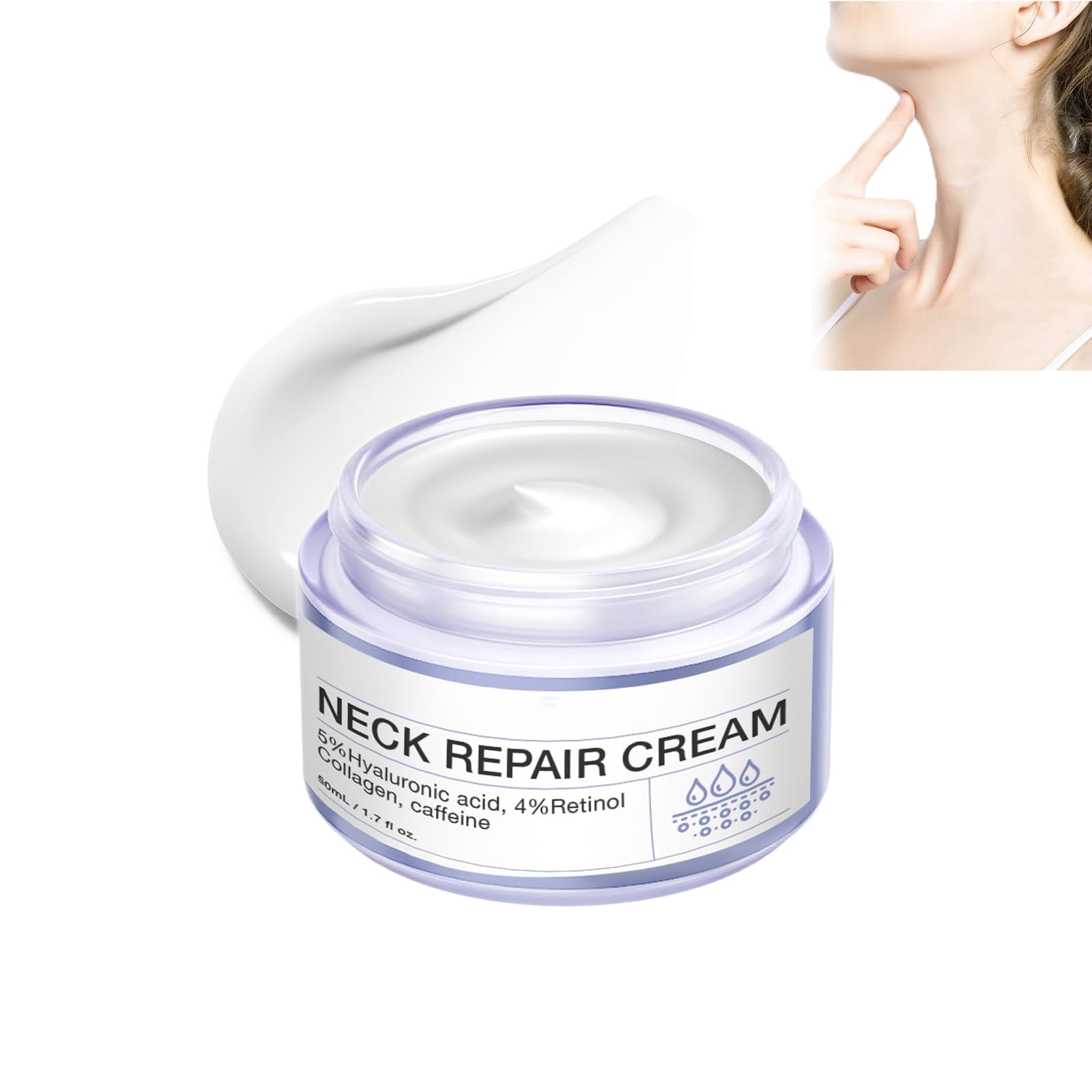
Anti-aging neck creams are specialized topical formulations designed to address the unique physiological needs of the neck and décolletage. Unlike standard facial moisturizers, these products contain higher concentrations of firming polymers, peptides, and retinoids specifically stabilized for thinner skin to treat sagging, horizontal lines ("tech neck"), and crepey texture.
The skin on the neck is among the most vulnerable areas of the body to premature aging, yet it is frequently overlooked in daily skincare regimens. As we navigate 2026, the demand for targeted neck treatments has surged, driven by an increased awareness of "tech neck"—the premature development of horizontal creases caused by persistent downward looking at mobile devices—and a more sophisticated understanding of the anatomical differences between facial and cervical skin.
Effective neck rejuvenation requires more than just hydration; it demands a clinical approach that considers the lack of sebaceous glands in the neck, the relative thinness of the dermis, and the constant mechanical stress placed on the area by head movement. This guide examines the biological foundations of neck aging, the critical ingredients that define modern neck creams, and the practical strategies for achieving visible results.
Why the Neck Requires Targeted Treatment
The transition from the jawline to the collarbone marks a significant shift in skin anatomy. To understand why a dedicated anti-aging neck cream is necessary, one must first look at the structural limitations of the neck’s integumentary system.
Thinner Dermal Layer
The dermis of the neck is considerably thinner than that of the face. This layer contains the foundational proteins—collagen and elastin—that provide structural integrity. Because there is less "scaffolding" to begin with, the degradation of these proteins due to UV exposure or natural aging results in faster, more visible sagging (often referred to as "turkey neck").
Fewer Sebaceous Glands
The neck has significantly fewer oil-producing sebaceous glands compared to the T-zone of the face. This deficiency means the neck lacks a robust natural lipid barrier, making it more prone to transepidermal water loss (TEWL) and chronic dryness. Dry skin is less resilient and more likely to develop fine, "crepey" lines that can eventually become permanent deep-set wrinkles.
The Platysma Muscle Factor
The platysma is a broad, thin sheet of muscle that spans the front of the neck. Over time, the contraction of this muscle, combined with the loss of overlying skin elasticity, leads to the appearance of vertical "bands." While topical creams cannot fully paralyze or tighten a muscle in the way an injectable neurotoxin can, specialized neck creams work to improve the skin's density so that these bands are less pronounced.
Key Ingredients in 2026 Neck Cream Formulations
By 2026, skincare chemistry has evolved to prioritize "intelligent delivery systems." These systems ensure that active ingredients penetrate the thinner neck skin without causing the irritation often associated with potent anti-aging compounds.
Next-Generation Retinoids
Retinoids remain the gold standard for collagen induction. However, because the neck is sensitive, modern formulations often use Hydroxypinacolone Retinoate (HPR) or micro-encapsulated retinol. These derivatives provide the cellular turnover benefits of Vitamin A while minimizing the risk of "retinol burn" or redness, which is particularly common in the cervical region.
Signal and Carrier Peptides
Peptides are short chains of amino acids that act as messengers, telling the skin to produce more collagen. In neck care, specific peptides like Palmitoyl Tripeptide-5 and Trifluoroacetyl Tripeptide-2 are utilized to target the dermal-epidermal junction. By strengthening this connection, these creams provide a lifting effect that combats the gravitational pull on the lower face and neck.
Growth Factors and Cytokines
Bio-engineered growth factors have become a staple in high-end 2026 formulations. These ingredients mimic the natural signaling molecules that trigger tissue repair and regeneration. They are particularly effective for "crepey" skin, as they help thicken the epidermal layer over time.
Neuropeptides for "Tech Neck"
While not as powerful as clinical interventions, neuropeptides help to slightly relax the surface tension of the skin. This is specifically beneficial for horizontal "tech neck" lines, which are reinforced every time the neck creases. By softening the skin’s "memory" of these folds, the lines appear less etched over time.
Understanding and Treating "Tech Neck"
"Tech neck" is no longer just a term for postural strain; it is a recognized dermatological concern involving premature horizontal rhytids (wrinkles). In 2026, anti-aging neck creams are specifically marketed to combat this digital-age phenomenon.
The constant flexion of the neck creates repetitive mechanical stress. When the skin is young and resilient, it snaps back. However, as collagen production slows, these temporary folds become permanent. Anti-aging neck creams address this by using cross-linked hyaluronic acid to provide immediate "filling" of the lines, while long-term actives work to rebuild the collagen within the crease.
Preventative Habits
While creams are essential, they work most effectively when combined with environmental and behavioral adjustments:
- Screen Positioning: Elevating devices to eye level reduces the physical folding of the skin.
- Sunscreen Application: UV damage accounts for up to 80% of neck aging. A neck cream with SPF or a dedicated sunscreen applied over a treatment cream is non-negotiable.
- Hydration: Maintaining internal hydration supports the efficacy of topical humectants.
How to Select the Right Neck Cream
Not all neck creams are created equal. The choice should be dictated by the specific "stage" of aging or the primary concern.
| Concern | Primary Ingredient to Look For | How it Works |
|---|---|---|
| Loss of Firmness/Sagging | Peptides & Caffeine | Peptides rebuild structure; caffeine provides a temporary tightening effect by dehydrating fat cells slightly. |
| Crepey Texture | Ceramides & Fatty Acids | Restores the lipid barrier to "plump" the surface and smooth out fine, paper-like wrinkles. |
| Deep Horizontal Lines | Encapsulated Retinol | Accelerates cell turnover to thin the outer dead layer and thicken the deep living layer. |
| Redness & Sun Spots | Niacinamide & Vitamin C | Evens skin tone and reduces the appearance of poikiloderma (mottled redness/pigmentation). |
| Dehydration | Multi-weight Hyaluronic Acid | Pulls moisture into different layers of the skin for a comprehensive volumizing effect. |
The Correct Application Technique
How you apply an anti-aging neck cream is almost as important as the formula itself. Because the skin is delicate, aggressive rubbing can actually contribute to further sagging and irritation.
- Preparation: Start with clean, slightly damp skin. This enhances the penetration of humectants like hyaluronic acid.
- Amount: A nickel-sized amount is usually sufficient for both the neck and the décolletage.
- Direction: Use upward strokes starting from the collarbone and moving toward the jawline. This prevents unnecessary downward tugging on the skin.
- Side and Back: Do not forget the sides of the neck and the area behind the ears. The skin here also loses elasticity and contributes to the overall "hang" of the neck area.
- Décolletage: Extend the application down to the chest. The skin on the chest is prone to "sleep wrinkles" and sun damage, which can be mitigated with the same ingredients used for the neck.
Neck Creams vs. Face Creams: Is the Specialization Justified?
A common question in 2026 remains whether a separate neck cream is a necessity or a marketing luxury. While a high-quality, fragrance-free face moisturizer is better than no treatment at all, specialized neck creams offer three distinct advantages:
Texture and "Slip"
Neck creams are often formulated with more "slip" to allow for massage without friction. They also tend to be richer and more occlusive than face creams, which is necessary because the neck has so few oil glands. A face cream designed for oily or combination skin will almost certainly be insufficient for the dry environment of the neck.
Ingredient Concentration
Because neck skin is thinner, it is more reactive. A face cream with 2% salicylic acid or high-strength glycolic acid might be perfectly tolerated on the chin but cause a painful rash on the neck. Neck-specific products balance potency with soothing agents like Bisabolol or Allantoin to prevent the "neck-dermatitis" often seen with misplaced facial products.
Targeted Bio-actives
Face creams focus heavily on pore size, acne prevention, or t-zone oil control—issues the neck rarely faces. Neck creams instead focus on elastin-stimulating complexes that are rarely the priority in facial skincare.
Potential Side Effects and Limitations
While anti-aging neck creams are transformative for skin texture and fine lines, it is important to manage expectations regarding structural changes.
- Retinoid Irritation: Even encapsulated retinols can cause "purging" or dry patches. It is advisable to start using a neck cream every other night before moving to nightly application.
- Structural Limits: No cream can replicate the results of a surgical neck lift or a platysmaplasty. Creams work on the skin (the envelope), not the underlying muscle and fat (the contents).
- Wait Time: Clinical studies for most neck-firming ingredients show results at the 8-to-12-week mark. Consistency is the most significant factor in success.
Advanced 2026 Trends: Complementary Treatments
In 2026, the use of anti-aging neck creams is often paired with at-home technology to amplify results.
- LED Therapy: Using a Red Light (633nm) LED mask on the neck for 10 minutes prior to applying cream can stimulate mitochondrial activity, making the skin more receptive to the active ingredients.
- Microcurrent: At-home microcurrent devices help "tone" the platysma muscle, while the neck cream ensures the skin covering that muscle remains smooth and hydrated.
- Gua Sha: Using a stone tool to perform lymphatic drainage on the neck can reduce puffiness and improve the absorption of the neck cream’s nutrient profile.
Frequently Asked Questions
At what age should I start using an anti-aging neck cream?
Prevention is more effective than correction. Most dermatologists recommend incorporating a targeted neck treatment in your late 20s or early 30s. This is the period when natural collagen production begins to decline by approximately 1% per year. Starting early helps maintain the "snap-back" quality of the skin before deep lines become etched.
Can I use my prescription Tretinoin on my neck?
You should exercise extreme caution. Tretinoin is significantly more potent than over-the-counter retinol. Because neck skin is thin and lacks oil, Tretinoin often causes severe peeling and "retinoid dermatitis" in this area. If you wish to use it, many clinicians suggest "buffering" it by mixing a tiny amount with a thick, ceramide-rich neck cream or applying it over a layer of moisturizer.
Why does my neck feel itchy after applying an anti-aging cream?
Itchiness is often a sign of a compromised skin barrier or a reaction to active ingredients like AHAs or Retinol. It can also be a reaction to fragrance. If this occurs, switch to a fragrance-free, barrier-repair cream containing ceramides and centella asiatica for a few days until the skin calms down, then reintroduce the active cream slowly.
Will a neck cream help with a "double chin"?
Generally, no. A double chin is usually caused by submental fat or genetic bone structure. Anti-aging neck creams target the skin's surface and elasticity. While some creams contain caffeine or glaucine to slightly "de-puff" the area, they cannot dissolve fat cells. Treatments like Kybella or liposuction are required for fat reduction.
Should I apply neck cream in the morning or at night?
For best results, twice daily. In the morning, focus on a neck cream with antioxidants (like Vitamin C) followed by SPF to protect against environmental damage. At night, use a formula with "repair" ingredients like retinoids or peptides, as the skin’s regenerative processes are most active during sleep.
Recommendation for Next Actions
To begin a successful neck-rejuvenation journey, first identify your primary concern: is it texture (crepeyness) or structure (sagging)?
If you are new to neck care, look for a formula containing Peptides and Niacinamide, as these provide significant benefits with a low risk of irritation. Begin by applying the product nightly, using upward motions from the chest to the jaw. Ensure you are applying a broad-spectrum SPF 30 or higher to your neck every morning, as UV rays will degrade the collagen you are trying to rebuild. If no irritation occurs after two weeks, consider moving to a twice-daily application or introducing a formula with a mild retinoid for enhanced results.