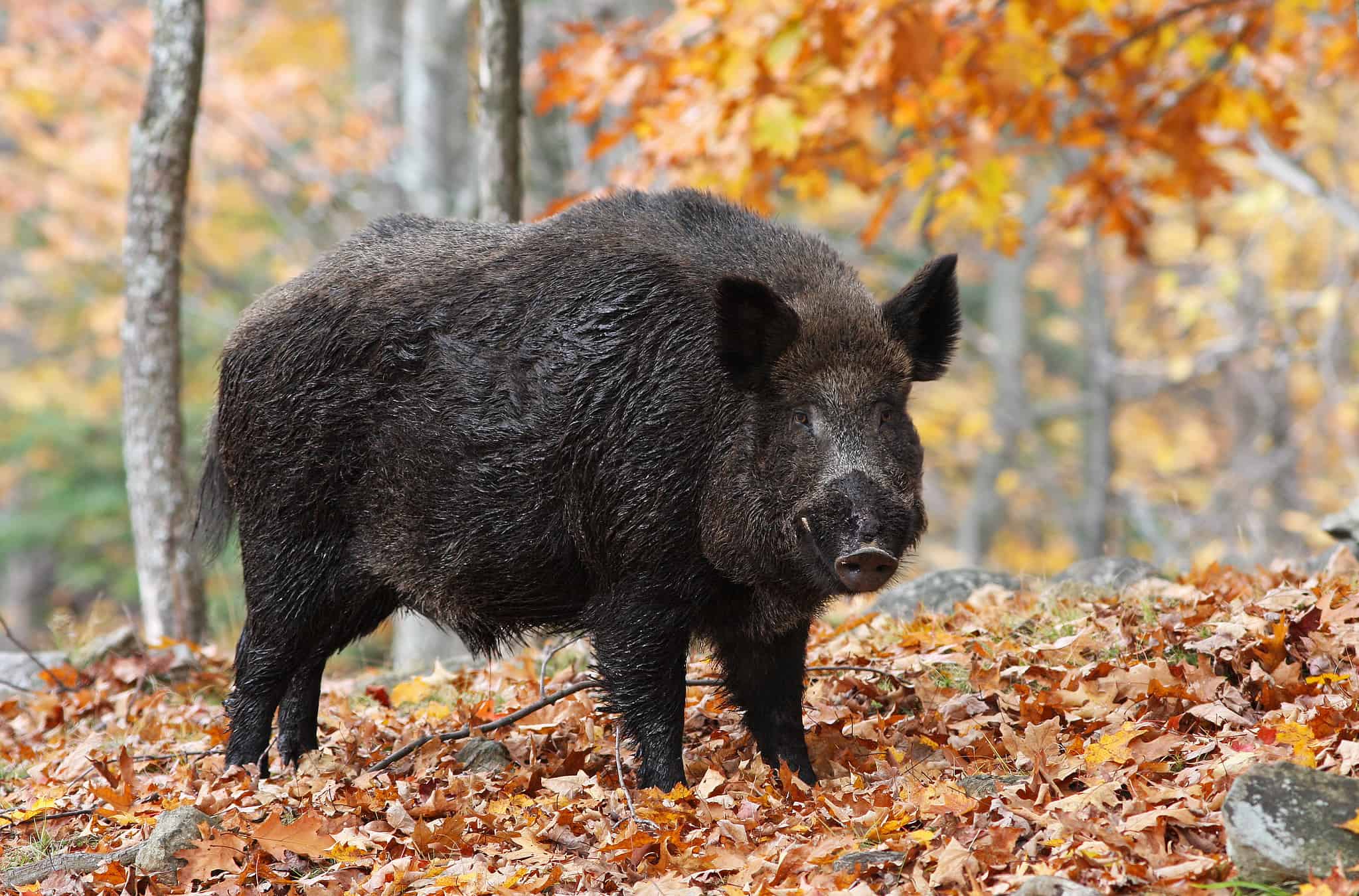
Missouri is home to over 70 mammal species, 400 bird species, and 100 reptiles and amphibians. From the iconic white-tailed deer and eastern bluebird to re-established populations of American black bears and elk, the state’s diverse ecosystems—ranging from the Ozark Mountains to the northern prairies—support a rich tapestry of North American fauna.
Missouri sits at a unique ecological crossroads. To the north, the rolling plains and prairies mirror the Midwest; to the south, the rugged Ozark Highlands provide a karst landscape of caves, springs, and dense forests; and to the southeast, the Bootheel offers a glimpse into the cypress swamps of the Mississippi Alluvial Plain. This geographical diversity ensures that the animals that live in Missouri are as varied as the terrain itself.
Large Mammals: The Icons of the Ozarks and Beyond
The mammalian landscape of Missouri is dominated by species that have either thrived alongside human development or have been carefully restored through conservation efforts. As of 2026, several large species have seen significant population shifts due to managed habitats and climate trends.
White-tailed Deer (Odocoileus virginianus)
The white-tailed deer is arguably the most recognizable animal in the state. Found in every county, these deer are highly adaptable, living in deep forests, agricultural lands, and even suburban backyards. Missouri’s deer population is managed strictly by the Missouri Department of Conservation (MDC) to balance ecological health with human interests.
By 2026, management focuses heavily on Chronic Wasting Disease (CWD), a neurological condition affecting cervids. Hunters and wildlife enthusiasts play a critical role in monitoring this population, which remains a cornerstone of Missouri’s outdoor culture and economy.
American Black Bear (Ursus americanus)
Once nearly extirpated from the state, the American black bear has made a remarkable comeback. Most concentrated in the southern half of the state, particularly in the Ozarks, bears have begun migrating northward into central Missouri.
Missouri's black bears are primarily solitary and shy. Their diet is 90% vegetarian, consisting of berries, nuts, and insects, though they are opportunistic scavengers. In 2026, the MDC continues to monitor their expansion using GPS collars and hair snares to ensure that the growing population remains sustainable and that human-bear conflicts are minimized through "Bear Aware" educational programs.
Elk (Cervus canadensis)
Elk were a native part of the Missouri landscape until the late 1800s. Following a successful reintroduction program initiated in the early 2010s, elk now roam the Peck Ranch Conservation Area and surrounding lands in the Ozarks. These majestic animals represent a triumph of habitat restoration. Seeing an elk in the wild is now a primary goal for many wildlife photographers visiting the Current River region.
Predators and Furbearers
The balance of Missouri’s ecosystem relies on its predators, which control prey populations and ensure the health of various species.
- Coyotes (Canis latrans): These are perhaps the most resilient predators in the state. Coyotes have successfully integrated into urban environments like St. Louis and Kansas City. They are highly vocal and social, often heard howling in the late evening.
- Bobcats (Lynx rufus): Though rarely seen due to their nocturnal nature and excellent camouflage, bobcats are common throughout Missouri. They prefer the brushy, timbered areas of the Ozarks where they hunt rabbits and rodents.
- Mountain Lions (Puma concolor): While Missouri does not have a confirmed breeding population as of 2026, the state frequently records sightings of transient males wandering from western states. The MDC maintains a Mountain Lion Response Team to investigate these sightings, which are typically verified via trail cameras.
- Red and Gray Foxes: Missouri hosts both species. The red fox prefers open areas and "edge" habitats, while the gray fox is more common in dense forests and is unique for its ability to climb trees to escape predators or hunt.
Birds of the Show-Me State
Missouri is a critical segment of the Mississippi Flyway, a major bird migration route. This makes the state a premier destination for birdwatching, particularly during the spring and fall migrations.
The Eastern Bluebird (Sialia sialis)
As the official state bird, the Eastern Bluebird is a symbol of Missouri’s conservation success. These cavity-nesters were once in decline due to competition from invasive species like the House Sparrow, but the widespread installation of bluebird boxes across the state has allowed their numbers to soar. They are most commonly found in open woodlands and orchards.
Bald Eagles and Raptors
Missouri is one of the best states in the lower 48 for viewing bald eagles, especially during the winter months. When northern lakes freeze over, thousands of eagles migrate to Missouri to hunt in the open waters below dams on the Mississippi and Missouri Rivers.
Other notable raptors include:
- Red-tailed Hawks: Commonly seen perched on highway signs.
- Pileated Woodpeckers: The largest woodpecker in Missouri, recognizable by its flaming red crest and loud, echoing call.
- Ospreys: Often seen diving for fish near Table Rock Lake or Lake of the Ozarks.
Wild Turkeys
The restoration of the wild turkey in Missouri is considered a national model for conservation. After being nearly wiped out, the population was rebuilt through trap-and-transfer programs. Today, Missouri is world-renowned for its turkey hunting and the robust health of its flocks.
Reptiles and Amphibians: From Glades to Rivers
The karst topography of Missouri—defined by its limestone caves and cold-water springs—creates a sanctuary for unique herpetofauna.
The Ozark Hellbender (Cryptobranchus alleganiensis bishopi)
This giant aquatic salamander is one of Missouri's most unique and endangered residents. Often called "snot otters" by locals, hellbenders spend their entire lives under large rocks in cool, clear Ozark streams. The Saint Louis Zoo and the MDC have partnered on a massive captive breeding and release program to save this species from extinction caused by siltation and water pollution.
Venomous and Non-Venomous Snakes
Missouri is home to 47 species of snakes, only five of which are venomous. Understanding the difference is vital for hikers and outdoor enthusiasts.
- Copperhead: The most common venomous snake, identified by its hourglass pattern.
- Timber Rattlesnake: Found in heavy timber and rocky outcrops.
- Cottonmouth (Water Moccasin): Limited primarily to the swamps of the southeast and some Ozark river systems.
- Western Pygmy Rattlesnake: A small, rare resident of the southern counties.
- Eastern Massasauga Rattlesnake: Critically endangered and found only in a few northern prairie marshes.
Aquatic Life in the Great Rivers
With the Missouri and Mississippi Rivers bisecting and bordering the state, aquatic life is a massive component of Missouri's biodiversity.
The Paddlefish (Polyodon spathula)
Missouri’s state aquatic animal, the paddlefish, is a prehistoric remnant. These filter feeders use their long, paddle-like snouts (rostrums) to detect electro-signals from plankton. They are primarily found in the large river systems and large reservoirs like Truman Lake, where "snagging" season is a major annual event.
Catfish Species
Missouri is a premier destination for catfishing. The three primary species are:
- Blue Catfish: Can grow to over 100 pounds in the Missouri River.
- Channel Catfish: The most widespread and commonly caught for food.
- Flathead Catfish: A solitary predator that prefers live bait and sunken logs.
Missouri Wildlife Statistics and Habitats
| Animal Category | Representative Species | Primary Habitat | Status (2026) |
|---|---|---|---|
| Mammal | White-tailed Deer | Forests / Fields | Abundant (Managed) |
| Mammal | American Black Bear | Ozark Highlands | Increasing |
| Bird | Eastern Bluebird | Open Woodlands | Stable |
| Bird | Bald Eagle | Near Rivers/Lakes | Common (Winter) |
| Reptile | Ornate Box Turtle | Prairies / Glades | Species of Concern |
| Amphibian | Ozark Hellbender | Clear Streams | Endangered |
| Fish | Paddlefish | Large Rivers | Stable (Hatchery Supported) |
Unique and Unusual Residents
Missouri also hosts several species that often surprise residents and visitors alike.
- Nine-banded Armadillo: Originally a southern species, armadillos have moved steadily north through Missouri. Their presence is now common even in the northernmost counties, likely due to warming winter trends.
- Missouri Tarantula: Found in the dry, rocky glades of the Ozarks, this is the only tarantula species native to the state. They are relatively harmless to humans and are an essential part of the glade ecosystem.
- Franklin’s Ground Squirrel: A rare resident of the tallgrass prairies in the north, this squirrel is a species of conservation concern due to habitat loss.
Human-Wildlife Interaction and Safety
As human development encroaches on natural habitats, interactions with animals that live in Missouri become more frequent. In 2026, the emphasis remains on cohabitation and respect.
Dealing with "Nuisance" Wildlife
In urban areas, raccoons, opossums, and skunks are the most common visitors. The MDC recommends "habitat modification" rather than trapping, which includes securing trash cans, removing outdoor pet food, and sealing crawl spaces.
Tick-Borne Illness Prevention
While not "animals" in the traditional sense of wildlife viewing, ticks are a significant part of the Missouri outdoor experience. The state has high populations of Lone Star and American Dog ticks. Using DEET or Permethrin-treated clothing is a standard prerequisite for any Missouri hike.
Reporting Rare Sightings
If you spot a species of concern, such as a black bear in a northern county or a mountain lion anywhere in the state, official reporting helps biologists track movement patterns. The MDC's online reporting tools are the primary resource for this data.
Frequently Asked Questions
Are there wolves in Missouri?
No, there is no established wolf population in Missouri. While occasional lone wolves may wander south from the Great Lakes region, they are almost always mistaken for large coyotes. Any verified wolf sighting is considered a rare, transient event.
What is the most dangerous animal in Missouri?
Statistically, the White-tailed Deer is the most dangerous due to vehicle collisions. In terms of direct physical harm, venomous snakes like the Copperhead pose a risk, though fatalities are extremely rare. The Black Bear is powerful but generally avoids human contact unless provoked or habituated to human food.
Can you see elk in the wild in Missouri?
Yes. The best place to see elk is the Peck Ranch Conservation Area or the Current River Conservation Area near Winona, Missouri. The MDC provides an "Elk Driving Tour" which is most active during the "bugling" season in late September and October.
Why are armadillos moving into Missouri?
Armadillos have been expanding their range northward for decades. Biologists attribute this to a combination of their high reproductive rates and milder winters, which allow them to survive in soil that doesn't freeze as deeply, enabling them to forage for insects year-round.
Are there mountain lions in the Missouri Ozarks?
There are confirmed sightings of mountain lions in the Ozarks, but as of 2026, there is no evidence of a self-sustaining, breeding population. Most mountain lions found in Missouri are young males traveling hundreds of miles from states like South Dakota or Nebraska in search of territory.
Practical Recommendations for Wildlife Enthusiasts
To get the most out of viewing animals that live in Missouri, visit during the transitional seasons. Spring (April-May) is ideal for viewing migratory songbirds and blooming glade wildflowers that attract rare butterflies. Fall (October) offers the best chance to see elk and deer during the rut, as well as the spectacular migration of monarch butterflies.
Always carry a pair of high-quality binoculars and a regional field guide. For those interested in aquatic life, the Discovery Center in Springfield or the Wonders of Wildlife National Museum & Aquarium provide deep dives into Missouri’s underwater ecosystems. If you are hiking, stay on marked trails to protect sensitive habitats like the Ozark glades, which host fragile species like the Missouri tarantula and various rare lizards.