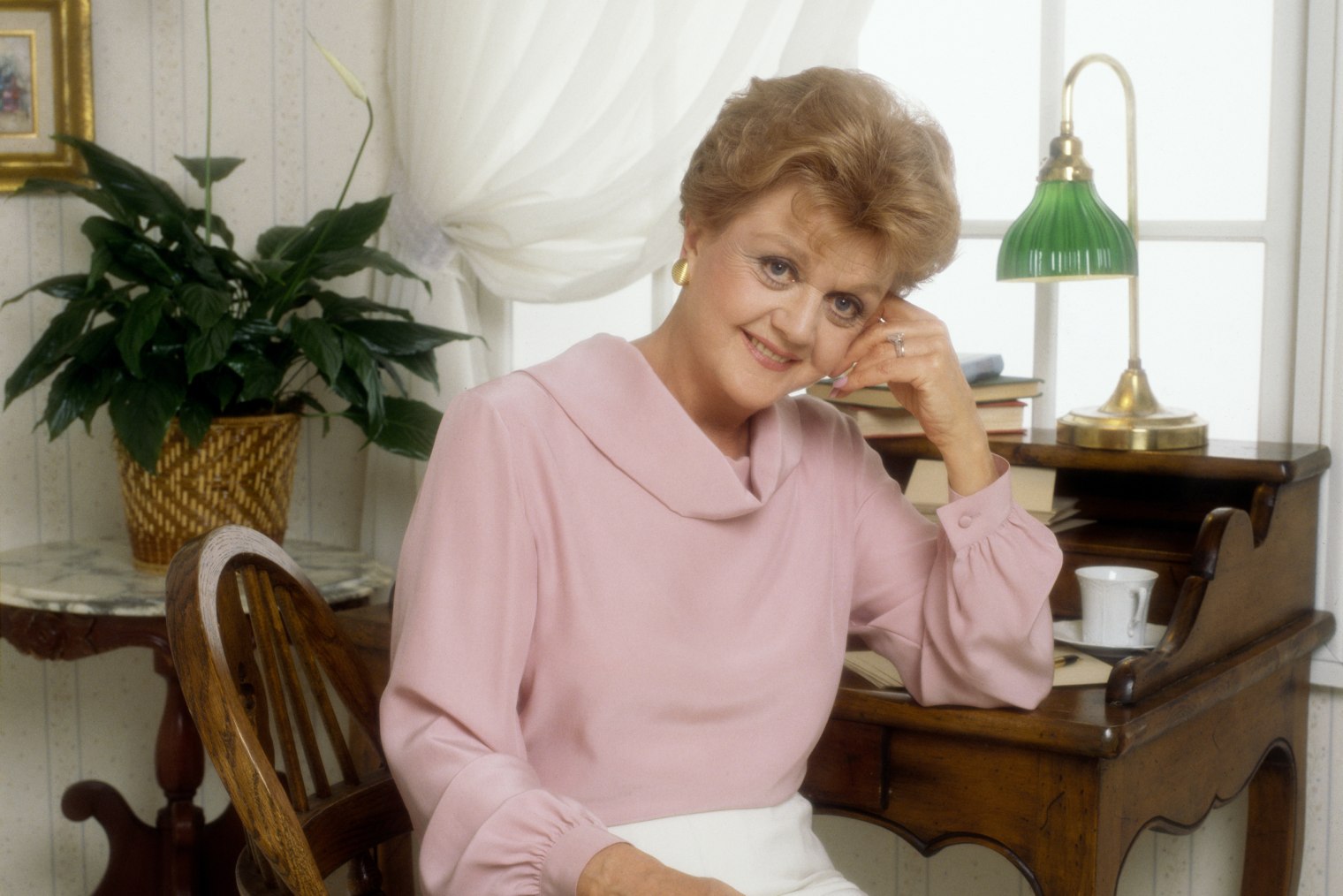
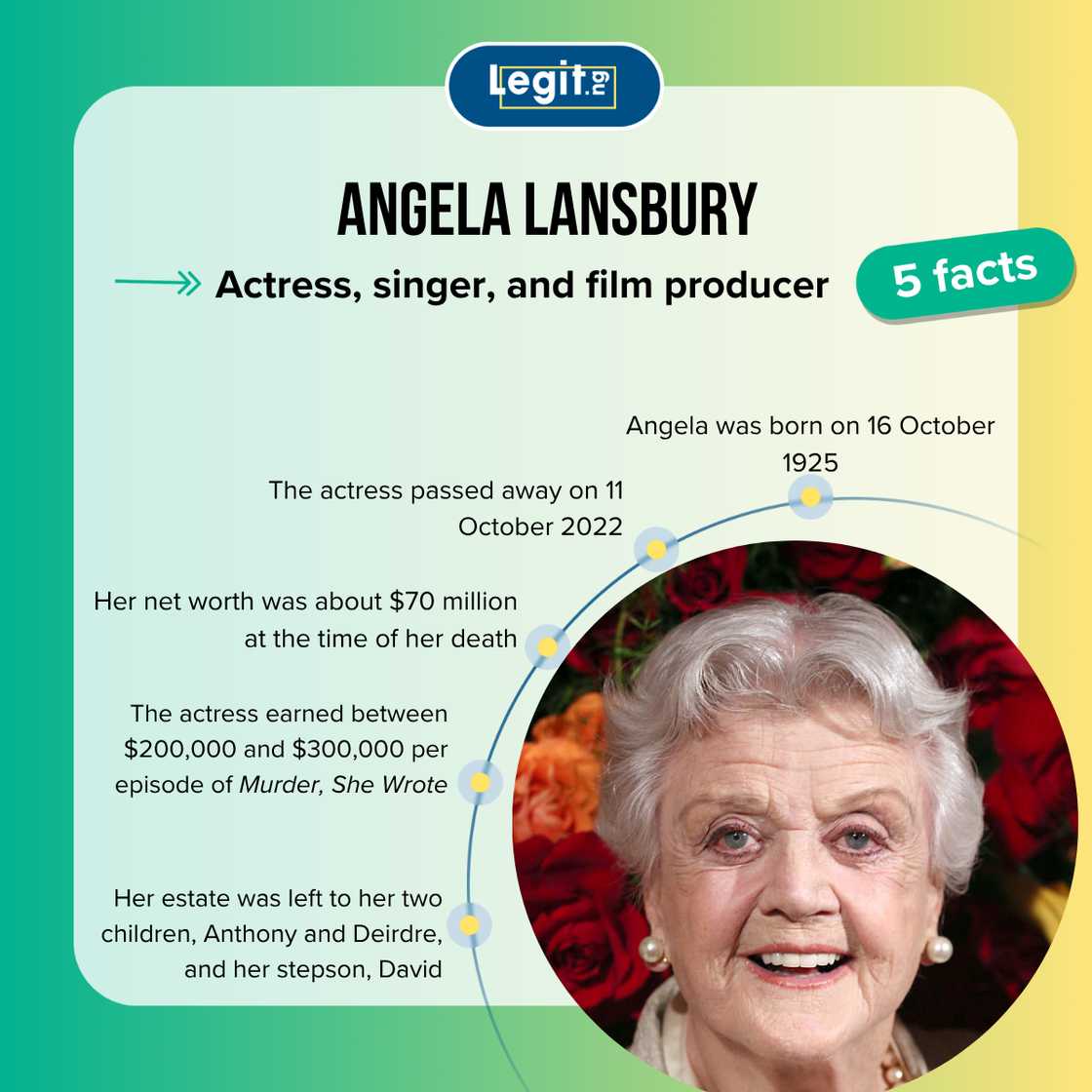
Angela Lansbury’s early career established a rare model of screen performance: a young actress who commanded the screen not through glamour alone, but through psychological depth, vocal precision, and emotional restraint. Long before becoming a household name in Murder, She Wrote or Broadway musicals, her youthful work at MGM built a legacy of quiet power.
Early Life and the Flight to America (1925–1943)
Angela Brigid Lansbury was born on October 16, 1925, in Regent's Park, London, into a family steeped in culture and public service. Her mother, Moyna Macgill, was a prominent Irish stage actress who regularly performed in London’s West End, while her father, Edgar Lansbury, was a timber merchant and politician. Her paternal grandfather, George Lansbury, served as the leader of the British Labour Party in the 1930s, instilling in the young Lansbury a strong sense of discipline and civic awareness.
The economic and political instability of the era directly shaped Lansbury’s youth. Following the death of her father from stomach cancer when she was just nine years old, her family faced financial hardship. Lansbury found solace in theater and cinema, studying acting at the Webber Douglas School of Singing and Dramatic Art in London.
The onset of World War II dramatically shifted her trajectory. In 1940, to escape the London Blitz, Moyna Macgill evacuated Angela and her younger twin brothers, Bruce and Edgar, to the United States. Arriving in New York City, Lansbury received a scholarship to study at the Feagin School of Dramatic Art.
To help support her family, Lansbury took on various jobs, including working as a sales clerk at Macy's department store and performing in nightclub cabaret acts. At just 16 years old, she landed her first professional gig doing impersonations at the Samovar Club in Montreal by claiming she was 19. This early experience in live entertainment honed her vocal timing, versatility, and ability to project authority under pressure—qualities that became hallmarks of her acting style.
- London Childhood (1925–1940)
- Evacuation to NYC (1940)
- Feagin School & Cabaret (1941–1942)
- Move to Los Angeles (1943)
The MGM Breakthrough: Striking Gold at Eighteen
In 1943, Lansbury moved to Los Angeles with her mother, who was seeking acting work in Hollywood. Through her mother's connections and an audition arranged by writer Michael Hunter, the 17-year-old Lansbury caught the attention of director George Cukor and executives at Metro-Goldwyn-MGM (MGM).
MGM executives were immediately struck by Lansbury's composure, precise diction, and uncanny maturity. At an age when most young contract players were relegated to bit parts or glamour photoshoots, Lansbury signed a seven-year studio contract starting at $500 per week.
- 1943: MGM Audition
- 1944: Gaslight
- Oscar Nomination for Best Supporting Actress (Age 18)
- 1945: The Picture of Dorian Gray
- Oscar Nomination & Golden Globe Win (Age 19)
Gaslight (1944) and the Birth of a Character Actor
Lansbury made her feature film debut in George Cukor’s psychological thriller Gaslight (1944), starring alongside Ingrid Bergman and Charles Boyer. Lansbury portrayed Nancy Oliver, the insolent, scheming cockney housemaid hired by Boyer’s character to torment his fragile wife.
Despite having no prior camera experience, Lansbury delivered a scene-stealing performance. She imbued Nancy with a subtle cruelty, using sharp sideways glances, a cocky posture, and sly vocal shifts to signal her character's complicity in psychological abuse. Her performance earned her an Academy Award nomination for Best Supporting Actress at just 18 years old.
The Picture of Dorian Gray (1945) and Heartbreak Realism
Following her debut, MGM cast Lansbury in Albert Lewin’s film adaptation of Oscar Wilde’s The Picture of Dorian Gray (1945). Lansbury played Sibyl Vane, a naive music hall singer who falls hopelessly in love with the doomed Dorian Gray (Hurd Hatfield).
Her performance of the traditional folk ballad "Goodbye Little Yellow Bird" remains one of the defining moments of 1940s cinema. Lansbury projected an ethereal fragility that contrasted sharply with her malicious character in Gaslight. When Dorian callously abandons Sibyl, Lansbury’s portrayal of quiet heartbreak resonated deeply with audiences and critics alike. The role earned her a second Academy Award nomination for Best Supporting Actress and won her a Golden Globe Award.
Subverting the Studio System: Youth, Maturity, and Typecasting
Despite her rapid critical success, Lansbury faced a unique structural challenge within the 1940s Hollywood studio system. MGM recognized her immense talent but struggled to fit her into standard starlet molds. Standing 5 feet 7 inches tall, with expressive features and a mature vocal tone, she lacked the conventional ingenue persona preferred by studio executives for romantic leads.
As a result, MGM frequently cast Lansbury in roles that were much older than her actual chronological age. In her early twenties, she played middle-aged matriarchs, worldly mistresses, and cynical antagonists, often sharing scenes with actors who were older than her, yet playing their contemporaries or seniors.
| Film Title | Year Released | Lansbury's Age During Filming | Character Name | Character Archetype / Context |
|---|---|---|---|---|
| Gaslight | 1944 | 18 | Nancy Oliver | Conniving Cockney Housemaid |
| National Velvet | 1944 | 18 | Edwina Brown | Conventional Older Sister |
| The Picture of Dorian Gray | 1945 | 19 | Sibyl Vane | Tragically Naive Music Hall Singer |
| The Harvey Girls | 1946 | 20 | Em | Cynical Saloon Singer |
| State of the Union | 1948 | 22 | Kay Thorndyke | Ruthless Newspaper Publisher |
| The Three Musketeers | 1948 | 22 | Queen Anne of Austria | Stately French Monarch |
| Samson and Delilah | 1949 | 23 | Semadar | Regal Philistine Noblewoman |
| The Court Jester | 1955 | 29 | Princess Gwendolyn | Comedic Royal Heroine |
| The Manchurian Candidate | 1962 | 36 | Eleanor Iselin | Cold, Manipulative Mother |
Playing Beyond Her Years in the 1940s and 1950s
In Frank Capra's political drama State of the Union (1948), a 22-year-old Lansbury played Kay Thorndyke, an ambitious, cold-hearted newspaper publisher manipulating a presidential candidate (Spencer Tracy). Playing a formidable woman in her late thirties, Lansbury held her ground opposite screen veterans Tracy and Katharine Hepburn.
Similarly, in Cecil B. DeMille’s technicolor epic Samson and Delilah (1949), she portrayed Semadar, Delilah's older sister. While studio heads often lamented that Lansbury did not fit the traditional romantic lead profile, her ability to embody complex authority figures ensured a steady stream of demanding, high-profile character roles throughout the golden age of cinema.
Defining "Quiet Power": Technical Skill and Screen Presence
The concept of "quiet power" in young Angela Lansbury's performances stems from a deliberate acting technique rooted in economy of movement, stillness, and precise vocal control.
Unlike contemporary performers who relied on expansive theatrical gestures, Lansbury understood the intimacy of the movie camera early in her career.
- Lansbury's Early Acting Technique
- Stillness & Economy
- Vocal Control & Pitch Shift
- Micro-Expressions & Ocular Focus
- Physical Stillness and Posture: Lansbury used stillness as a dramatic tool. In scenes where other actors shifted nervously, she maintained composure, drawing the viewer's eye directly to her gaze.
- Vocal Control and Cadence: Possessing a trained voice, Lansbury altered her vocal pitch, speed, and accent to reflect a character's internal authority. In State of the Union, she dropped her voice into a lower register to project corporate power.
- Micro-Expressions and Ocular Focus: Rather than exaggerating emotion, Lansbury communicated shift in intent through subtle ocular movements, micro-smiles, or tense jawlines.
This approach allowed her to play characters who exerted control over a scene without shouting or over-gesturing. Film historians note that this foundation allowed her to transition effortlessly between villainy, tragedy, and comedy across seven decades.
From Hollywood Supporting Player to Broadway Luminary
By the mid-1950s, Lansbury felt limited by the roles offered under the decaying studio system. Seeking greater artistic freedom, she relocated to New York to focus on live theater, where her versatility could be fully tested.
She made her Broadway debut in 1957 in Hotel Paradiso, followed by a poignant performance in A Taste of Honey (1960). Her breakthrough in stage musicals occurred in Stephen Sondheim’s Anyone Can Whistle (1964). Although the show had a brief run, Lansbury’s performance as Mayoress Cora Hoover Hooper demonstrated her singing range and comic timing.
- 1957: Broadway Debut (Hotel Paradiso)
- 1960: A Taste of Honey
- 1964: Anyone Can Whistle
- 1966: Mame (First Tony Award Win)
In 1966, Lansbury took on the title role in Jerry Herman’s musical Mame. Her performance as the eccentric, glamorous Mame Dennis was a massive success, earning her first Tony Award for Best Actress in a Musical. Her victory in Mame marked her transformation from a dependable Hollywood character actor into a leading Broadway superstar.
The Pinnacle of Her Early-Mid Career: The Manchurian Candidate (1962)
Before her Broadway stardom, Lansbury delivered what many critics consider one of the greatest villainous performances in American cinema history: Eleanor Iselin in John Frankenheimer’s political thriller The Manchurian Candidate (1962).
- Eleanor Iselin Character Dynamics
- Political Handler to Husband (Senator John Iselin)
- Cold Subjugation of Son (Raymond Shaw)
- Covert Agent of Global Manipulation
Lansbury played the ruthlessly ambitious mother of Raymond Shaw (Laurence Harvey). In reality, Lansbury was only 36 years old during filming—just three years older than Harvey. Through physical transformation, controlled vocal delivery, and an unsettling chilling presence, she made the age gap completely invisible to audiences.
Eleanor Iselin operates as the ultimate expression of Lansbury's "quiet power." In her scenes, she rarely raises her voice; instead, she uses soft, maternal tones to deliver terrifying, calculating instructions. The performance earned Lansbury her third Academy Award nomination for Best Supporting Actress and solidified her status as an acting force across genres.
FAQs
What was Angela Lansbury’s first movie role?
Angela Lansbury’s film debut was in the 1944 psychological thriller Gaslight, directed by George Cukor. She played Nancy Oliver, a conniving cockney maid, alongside Ingrid Bergman and Charles Boyer. Her performance earned her an Academy Award nomination for Best Supporting Actress at age 18.
How old was Angela Lansbury when she starred in The Manchurian Candidate?
Angela Lansbury was 36 years old when she filmed The Manchurian Candidate (1962). She played Eleanor Iselin, the mother of Laurence Harvey's character, even though Harvey was 33 years old at the time—making her only three years older than her on-screen son.
Did Angela Lansbury sing her own songs in her early movies?
Yes, Angela Lansbury sang her own tracks in her early films, most notably performing the song "Goodbye Little Yellow Bird" in The Picture of Dorian Gray (1945). Her vocal training later enabled her to become a major Broadway musical star in productions such as Mame, Dear World, Gypsy, and Sweeney Todd.
How many Oscar nominations did young Angela Lansbury receive?
Angela Lansbury received three Academy Award nominations for Best Supporting Actress during her film career: for Gaslight (1944), The Picture of Dorian Gray (1945), and The Manchurian Candidate (1962). She was later awarded an Honorary Academy Award in 2013 in recognition of her lifetime contributions to film.
Why was young Angela Lansbury so frequently cast in older roles?
MGM studio executives and directors recognized Lansbury’s remarkable emotional maturity, precise diction, and commanding screen presence early on. Because she did not fit the typical 1940s romantic ingenue stereotype, studios utilized her talent by casting her in mature, complex, and often antagonistic character roles beyond her actual chronological age.
Recommended Viewing and Next Steps
To fully appreciate Angela Lansbury's early legacy of quiet power, consider exploring her foundational films in chronological order:
- Watch Gaslight (1944): Observe her screen debut to see how an 18-year-old actor held her own against established stars using subtle micro-expressions and vocal precision.
- Examine The Picture of Dorian Gray (1945): Pay close attention to her musical performance and tragic dramatic timing as Sibyl Vane.
- Analyze The Manchurian Candidate (1962): Study her performance as Eleanor Iselin for a masterclass in low-register vocal control, physical presence, and psychological tension.
- Explore Her Broadway Recordings: Listen to original cast recordings of Mame (1966) and Sweeney Todd (1979) to hear how her early vocal and dramatic training translated into musical theater history.