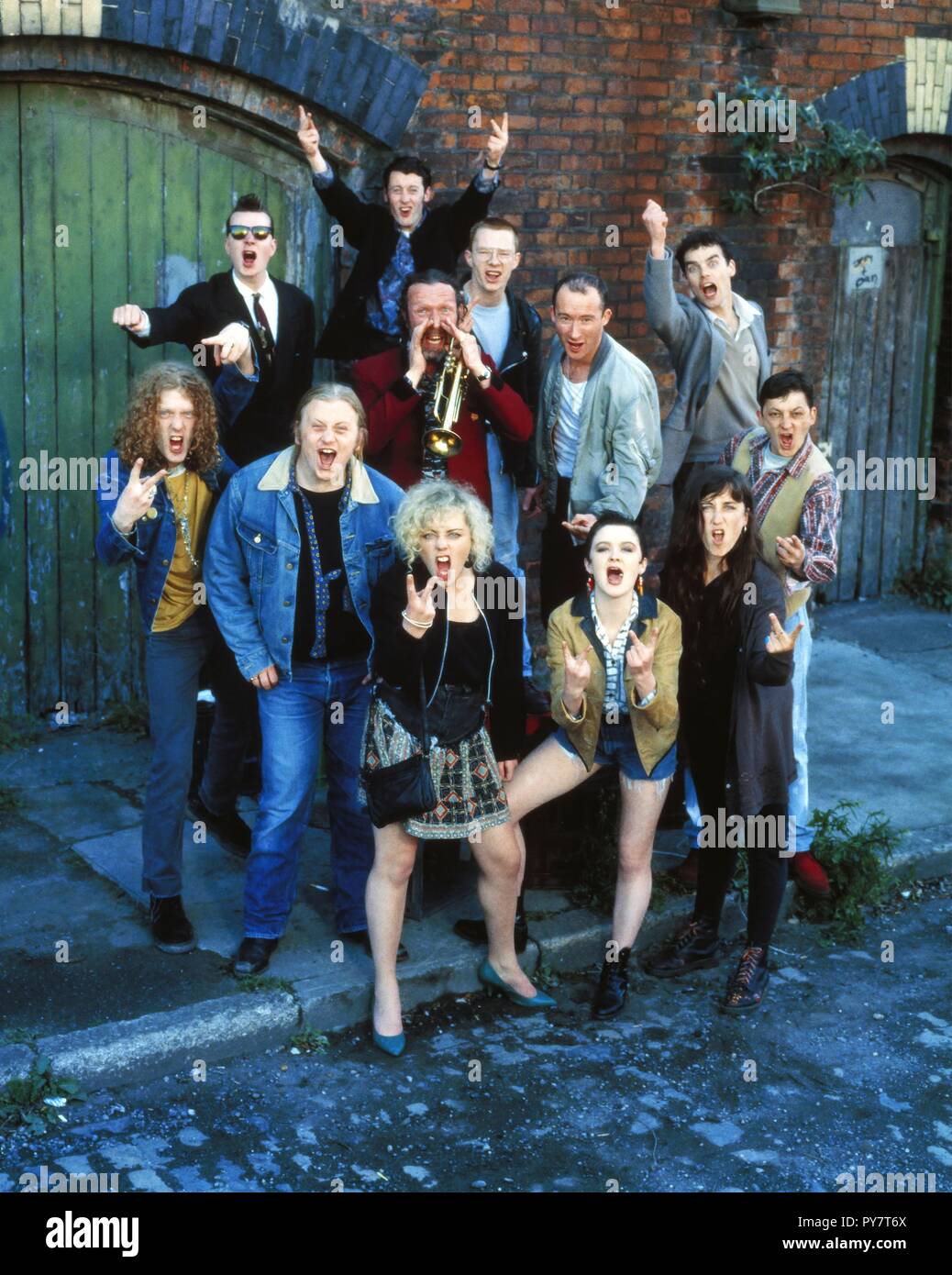
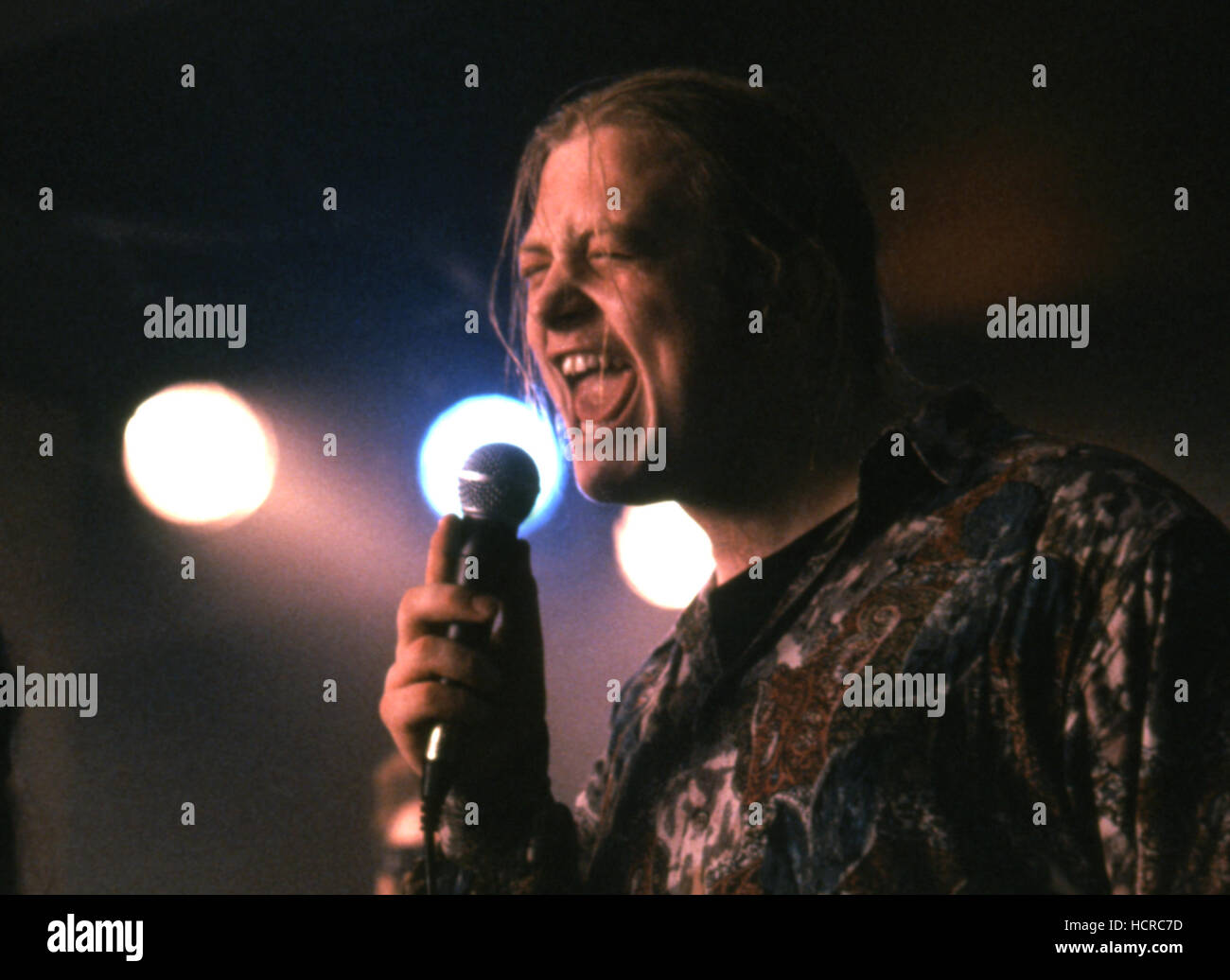
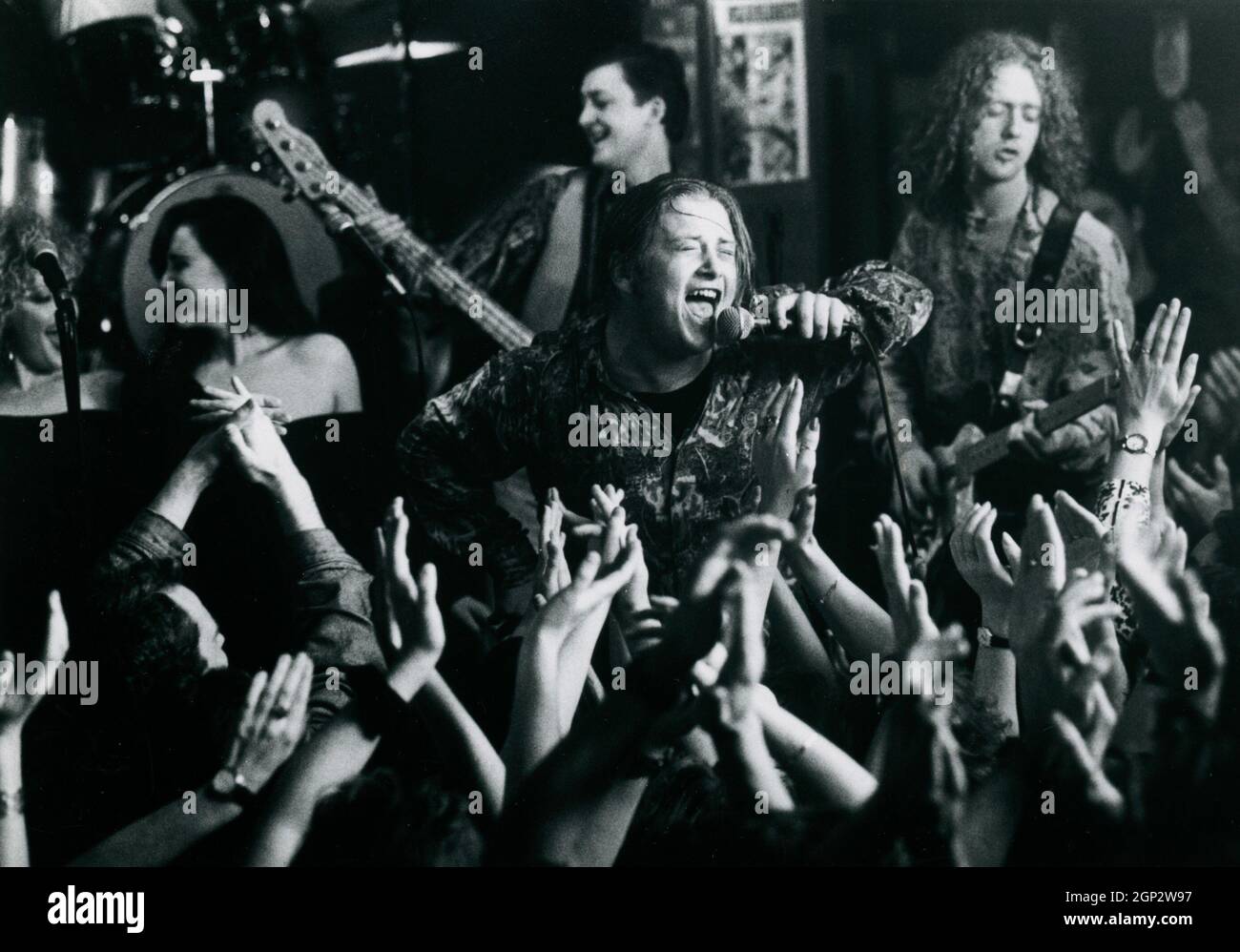
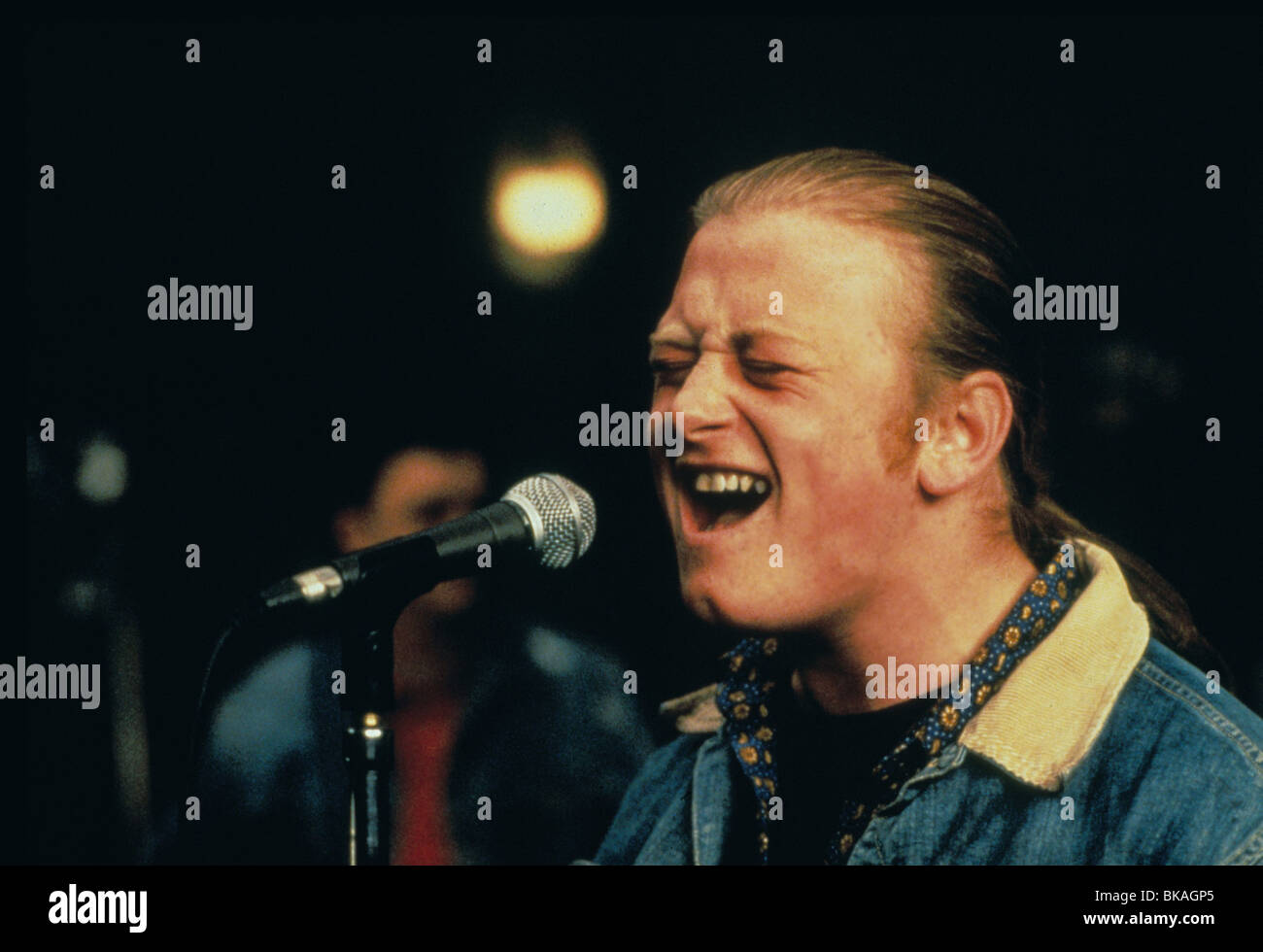
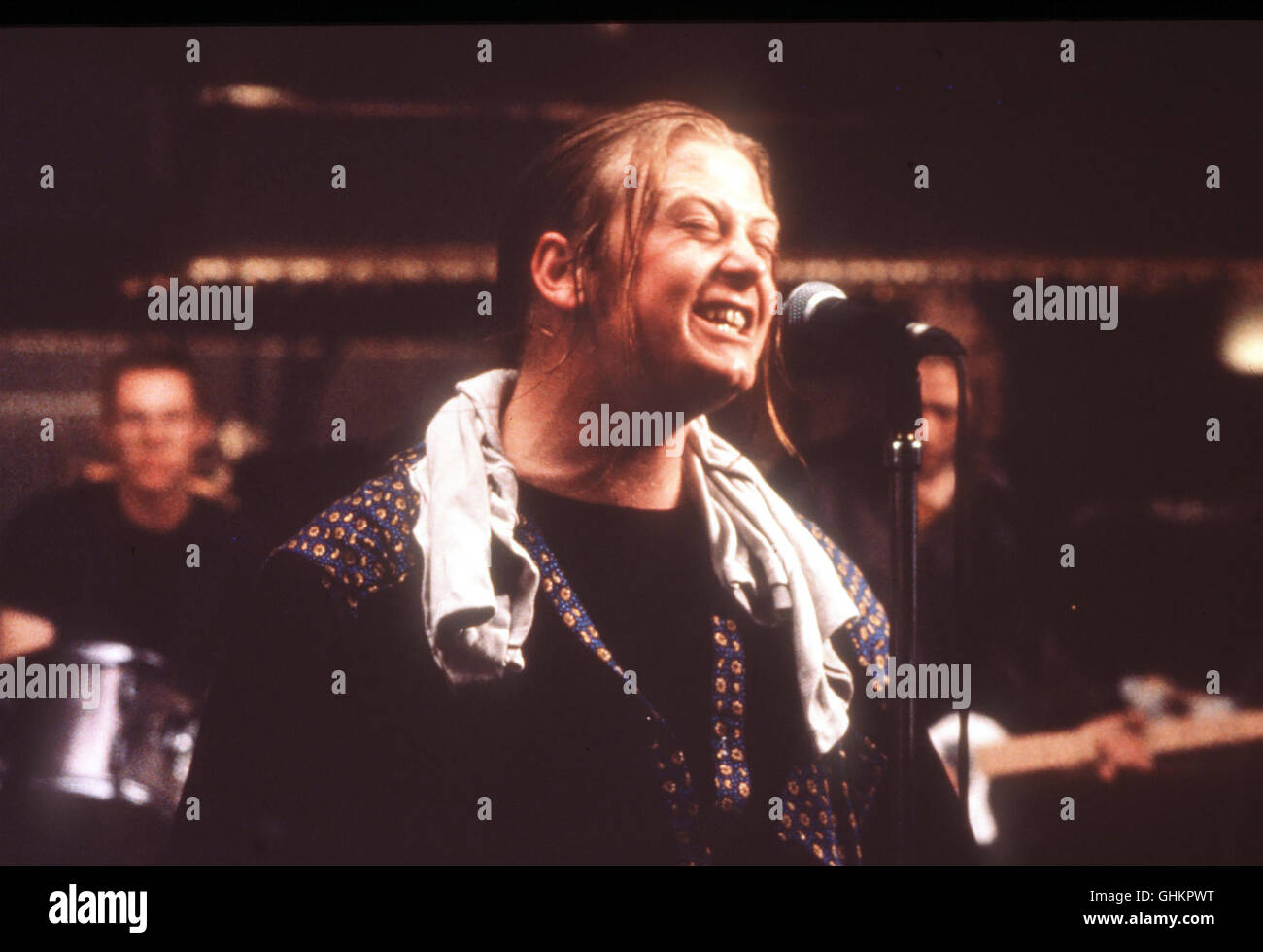
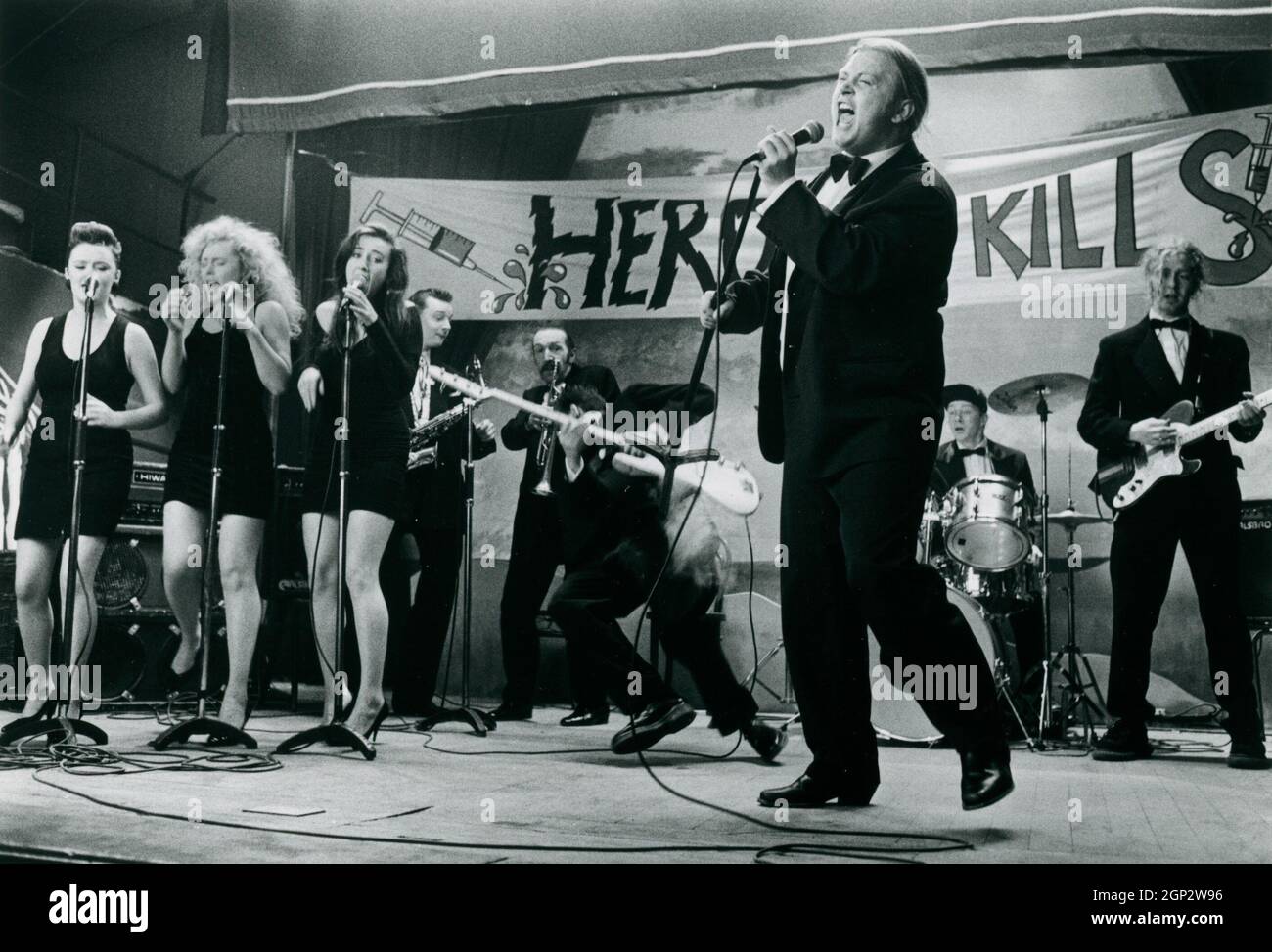
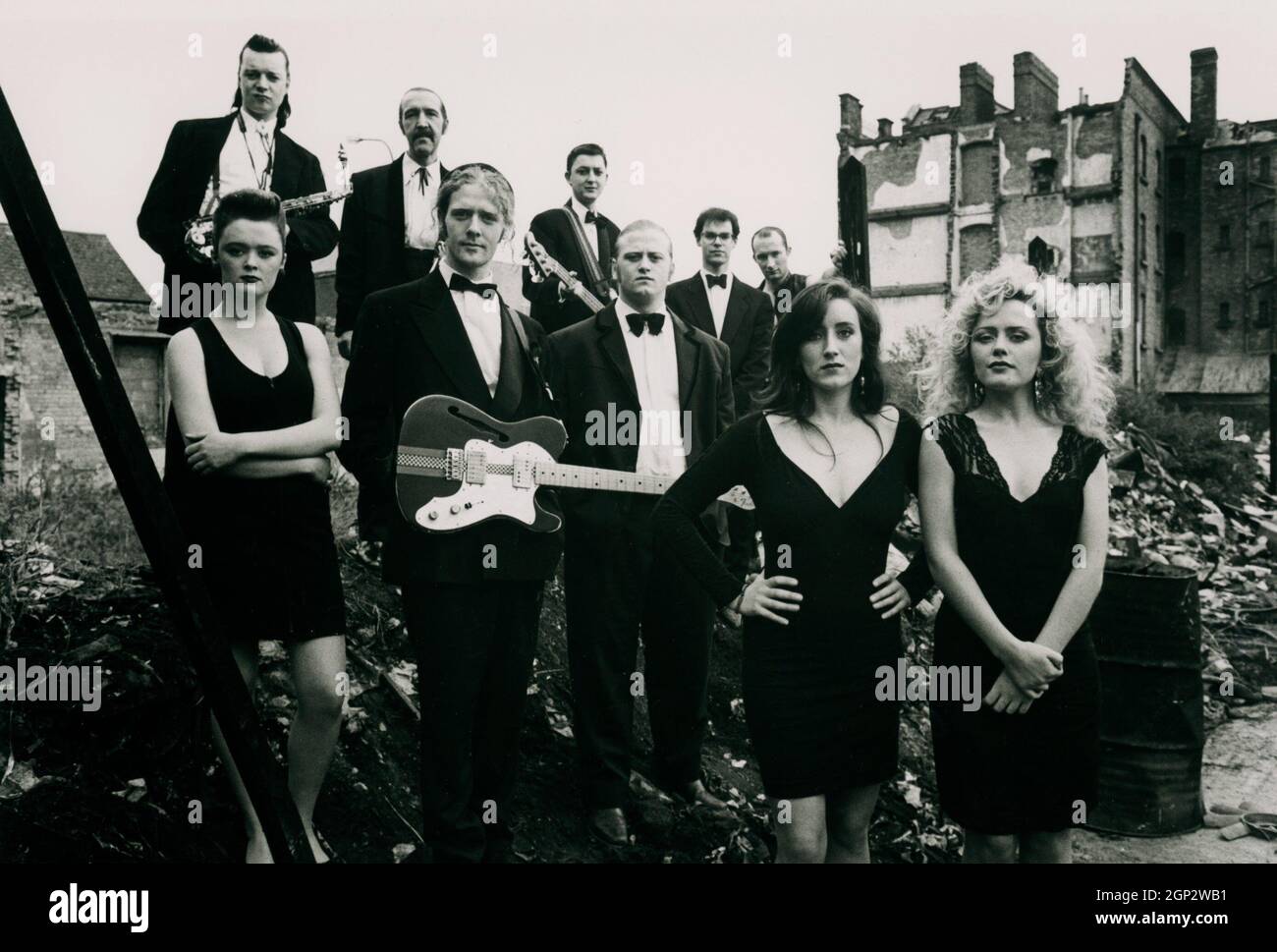
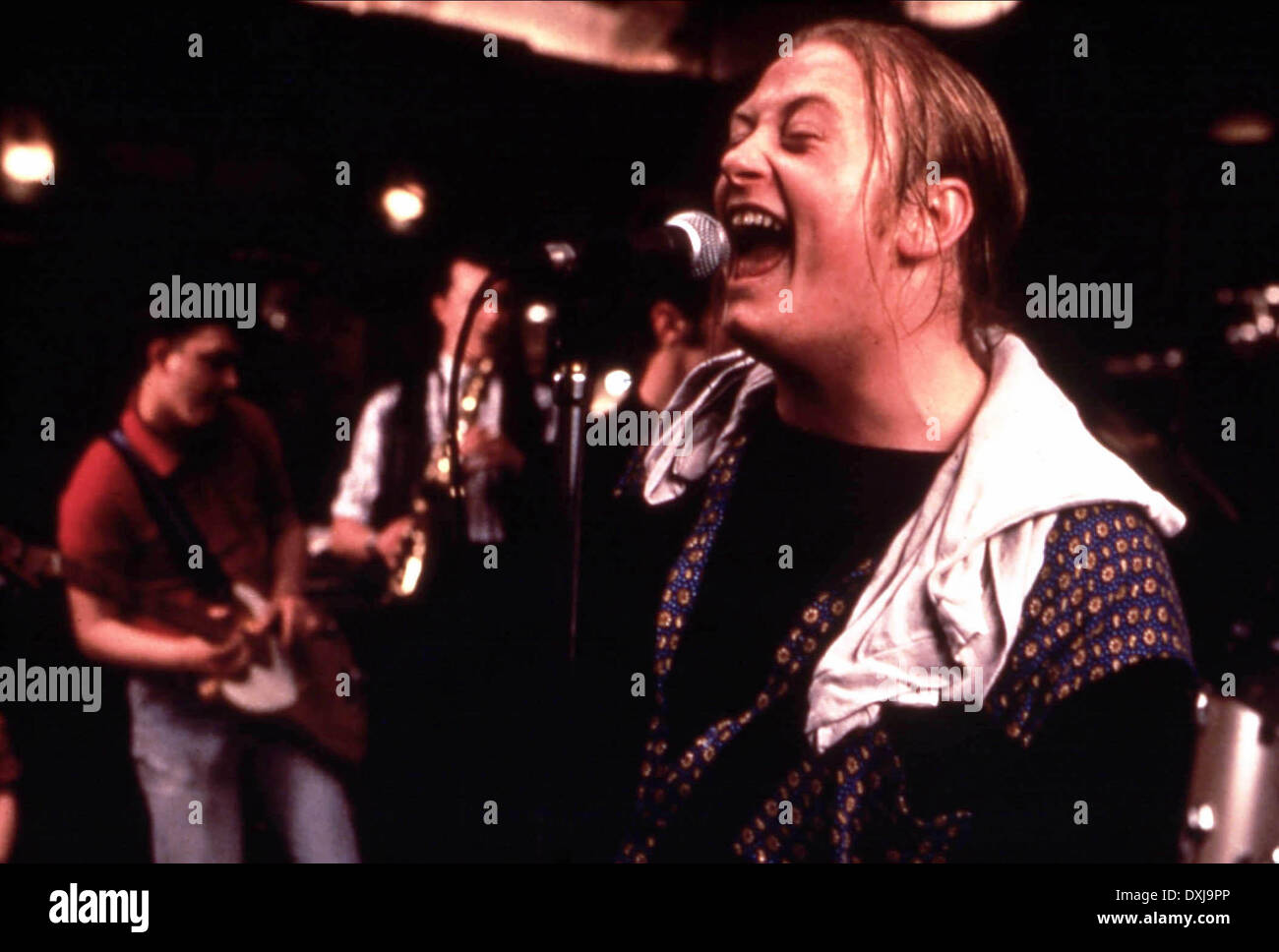
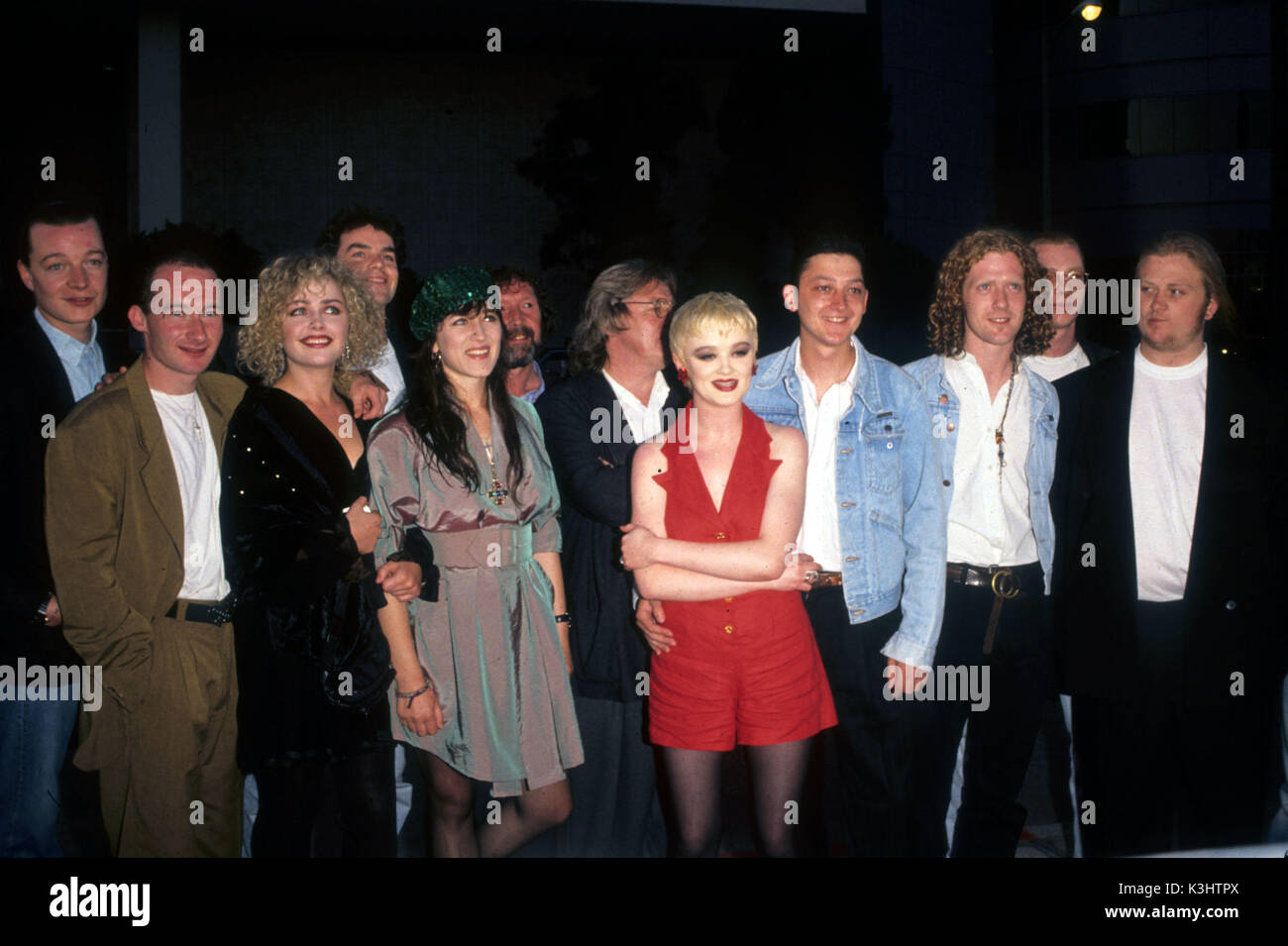
Andrew Strong remains inextricably linked to the 1991 film The Commitments, a cinematic phenomenon that redefined Irish soul music for a global audience. Directed by Alan Parker and based on Roddy Doyle’s novel, the film features Strong as the gravel-voiced lead singer Deco Cuffe. His raw, powerhouse vocal performance became the sonic identity of the movie, catapulting both the fictional band and the real-life actor into international stardom and establishing a lasting legacy in the rhythm and blues genre.
The Genesis of a Cinematic Phenomenon
To understand the impact of Andrew Strong, one must first look at the cultural environment of Dublin in the late 1980s and early 1990s. Roddy Doyle’s novel, The Commitments, provided a gritty, humorous, and deeply authentic look at the lives of working-class Dubliners attempting to form a soul band. When Alan Parker was tasked with bringing this to the screen, the central challenge was finding a lead singer who could credibly channel the spirit of Otis Redding, Wilson Pickett, and James Brown.
Andrew Strong was not a seasoned actor when he auditioned for the role of Deco Cuffe; he was a musician. His father, Rob Strong, was a well-known figure in the Irish music scene, and Andrew grew up steeped in the traditions of blues and soul. When he stepped into the audition room, he didn't perform a theatrical monologue; he sang. His raspy, mature vocal delivery—startlingly deep for someone of his young age—convinced the production team instantly.
The casting of Strong provided the film with its most essential element: sonic authenticity. Unlike many music-based films of the era that relied on over-polished studio production, The Commitments demanded a sound that felt earned, sweat-soaked, and urgent. Strong delivered this in spades, turning songs like "Mustang Sally" and "Try a Little Tenderness" into anthems that transcended the film's narrative.
The Vocal Signature of Deco Cuffe
Deco Cuffe is an abrasive, arrogant, and undeniably talented character. Strong’s performance is a masterclass in blending character acting with musical delivery. He played Deco not as a likable frontman, but as a force of nature that the band couldn't live with, yet couldn't succeed without. This friction was the engine of the film's plot, and Strong’s voice was the vehicle for its energy.
The technical requirements for the role were immense. The film’s soundtrack required the cast to perform live on set to capture the rawness of the music. Strong’s ability to sustain the vocal intensity required for these soul classics, take after take, under the pressure of a film set, is what elevates the movie above a standard musical drama. His voice is characterized by a specific grit—a "gravel" that suggests a lifetime of singing in dimly lit clubs, despite his actual youth at the time of filming.
Musical Comparison: The Commitments vs. Traditional Soul
It is helpful to analyze how Strong and the band bridged the gap between American soul and Irish working-class frustration.
| Feature | American Soul (1960s) | The Commitments (1991) |
|---|---|---|
| Primary Influence | Gospel/Blues/R&B | Soul/Blues/Irish Working Class |
| Vocal Style | Melismatic, emotive | Gritty, aggressive, punchy |
| Setting | Church/Urban Nightclubs | Dublin housing estates |
| Key Theme | Civil Rights/Romantic longing | Economic struggle/Self-invention |
The result was a sound that was not a mere imitation but a reinterpretation. By injecting the defiant energy of North Dublin into the arrangements of Southern American soul, Strong helped create a unique subgenre of "Irish Soul" that persists in musical memory today.
Beyond the Film: The Aftermath and Musical Career
The success of The Commitments was explosive. The soundtrack album topped the charts in multiple countries, and the band members, including Strong, found themselves suddenly thrust into the spotlight of international fame. For Andrew Strong, the challenge became defining himself as an artist independent of the character Deco Cuffe.
In the years following the film's release, Strong pursued a professional music career that leaned heavily into the blues-rock and soul influences that defined his early work. He released several solo albums, including Strong (1993) and Out of Time (1994), which showcased his powerful vocal range and songwriting capabilities. He toured extensively, sharing stages with legends such as The Rolling Stones, Elton John, and Prince.
While some actors in the film moved into other cinematic projects, Strong remained committed to the music. He understood that his voice was his primary instrument and that the "Deco" persona was just one expression of his vocal ability. His career demonstrates the difference between a character actor and a musician who happens to act; Strong’s longevity is rooted in his technical ability as a vocalist, which remains consistent even decades after the film's release.
Legacy and the 2026 Perspective
Looking back from the vantage point of 2026, the cultural footprint of The Commitments has only deepened. It is widely considered the definitive Irish music film. For a new generation of listeners discovering the film through streaming platforms, Andrew Strong’s voice serves as the entry point to the wider world of 1960s soul music.
The film's influence on the Irish music industry cannot be overstated. It proved that Irish artists could interpret American soul with a level of intensity that resonated globally. Strong’s performance remains the benchmark for any musician looking to blend acting and singing in a way that feels organic rather than performative. He didn't play a singer; he was a singer portraying a character, and that distinction is exactly why the performances in the film still hold up today.
Furthermore, the "Commitments sound" has become a staple of live performance in Dublin. Numerous tribute acts continue to operate, proving that the music remains a living, breathing part of the city’s nightlife. Strong’s original vocal takes from the soundtrack are still used as the gold standard for these performances, a testament to the quality of his initial output.
Essential Guidance for Fans and Musicians
For those interested in the music or the history of the film, here is how you can effectively engage with the legacy of Andrew Strong and the project:
- Listen to the Original Soundtrack: The 1991 soundtrack is a masterclass in band dynamics. Pay close attention to how the horn section interacts with Strong’s vocal phrasing.
- Explore the Blues Roots: To truly appreciate what Strong was doing, listen to the original versions of the tracks performed in the film (such as the Wilson Pickett catalog). You will notice that Strong honored the original arrangements while adding a distinct, raspy intensity that was uniquely his own.
- Analyze the "Live-on-Set" Production: Research how Alan Parker recorded the music. The decision to record live rather than relying on heavy studio post-production was a risk that paid off. Understanding this process helps explain why the movie feels so kinetic compared to other musicals.
- Distinguish Myth from Reality: Be aware that while the band members played their own instruments and sang their own parts, they were a curated group. Treat the film as a fictionalized drama rather than a documentary about a pre-existing band.
Frequently Asked Questions
Did Andrew Strong actually sing all the songs in The Commitments?
Yes. Unlike many musical films where actors lip-sync to studio recordings by professional session singers, Andrew Strong performed his vocals live on set during the filming process. This captures the raw, unpolished energy that gives the film its signature sound.
How old was Andrew Strong when the film was released?
Andrew Strong was born in 1973. When The Commitments was released in 1991, he was only 17 or 18 years old. His mature, gravelly vocal delivery shocked many viewers at the time, as it sounded more like a seasoned blues veteran than a teenager.
Is there a "Commitments" band still touring today?
While the original cast does not tour as a singular unit, the music remains highly popular. There are various touring acts that celebrate the music of the film. Andrew Strong has continued to perform his own music and occasionally participates in anniversary celebrations, but he maintains a solo career distinct from the "Commitments" label.
What is the primary reason the film is considered so successful?
The film’s success is attributed to its "gritty" authenticity. By casting musicians rather than just actors, and by recording the music live, the production avoided the artificial feel of traditional Hollywood musicals. This allowed the emotional intensity of the performances to match the harsh, working-class realities depicted in the script.
Where can I find more of Andrew Strong’s work?
Following his breakthrough, Strong released several solo studio albums through the 1990s and 2000s. These are available on most major digital music streaming platforms. His work in the decades following the film focused heavily on soul, blues, and rock, often showcasing a refined version of the powerhouse vocals he debuted on the Commitments soundtrack.
Next Actions for Music Enthusiasts
If you have been inspired by the vocal prowess of Andrew Strong, the best next step is to study the lineage of soul music he helped revitalize for 90s audiences. Start by building a playlist that contrasts the 1991 soundtrack with the original 1960s recordings of the same songs. Notice the tempo, the instrumental arrangement, and the vocal inflections.
Furthermore, if you are a musician, try to study the "breath support" and "raspy vocal technique" that Strong utilized. It is a high-impact style that requires careful management of the vocal cords. Finally, revisit the film with a focus on the cinematography and audio engineering. By understanding that what you are hearing is a live performance captured in a cramped room in Dublin, you gain a new appreciation for the technical mastery that went into making the film a classic of the genre.