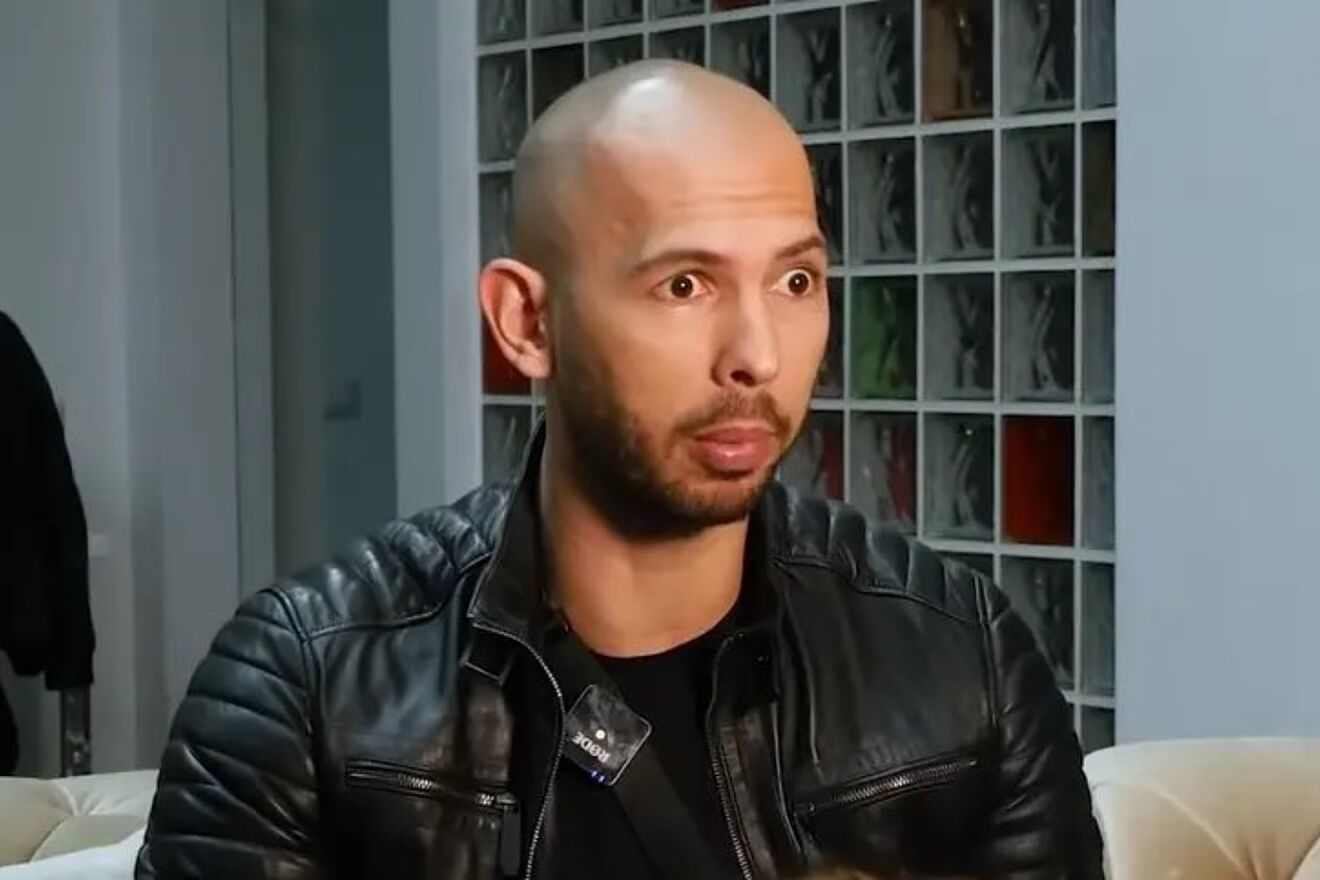
Andrew Tate remains wealthy in 2026, though his financial profile has undergone significant restructuring due to years of legal challenges in Romania. While authorities seized millions in physical assets—including luxury vehicles and real estate—his digital subscription businesses, cryptocurrency holdings, and strategic move to decentralized platforms continue to generate substantial revenue, keeping his net worth in the multi-million dollar range.
The question of whether Andrew Tate is "still rich" is not merely a matter of checking a bank balance; it is a complex study of modern asset protection, digital brand resilience, and the limitations of traditional legal seizures in an era of decentralized finance. Since his rise to extreme prominence in 2022 and the subsequent legal turmoil starting in late 2022 and 2023, Tate’s wealth has been a central theme of his public persona and a target for judicial authorities. In 2026, the data suggests that while his "visible" wealth has been heavily mitigated by the Romanian state, his "invisible" or digital wealth remains a potent force.
The Foundation of Resilience: The Real World and Digital Cash Flow
The primary driver behind Andrew Tate's continued wealth is his transition from traditional social media monetization to a closed-loop subscription model. When Tate was de-platformed from mainstream sites like Instagram, Facebook, and YouTube, many analysts predicted a total financial collapse. However, he successfully migrated his audience to "The Real World" (formerly Hustlers University), a platform that charges users a monthly fee (typically around $49) for access to courses on e-commerce, copywriting, and cryptocurrency trading.
As of 2026, this digital infrastructure remains his most significant "money printer." Unlike physical assets, digital subscriptions are difficult for foreign governments to seize if the payment processors and hosting servers are located in jurisdictions outside their immediate control. If the platform maintains even 100,000 active members—a conservative estimate compared to his peak numbers—the gross monthly revenue exceeds $4.9 million. Even after operational costs, affiliate payouts, and server maintenance, the net profit is staggering. This recurring revenue provides the liquidity necessary to fund high-priced legal teams and maintain a luxury lifestyle despite the freezing of specific bank accounts.
Physical Asset Seizures and the Romanian Legal Battle
To understand Tate's current financial standing, one must examine the 2023 and 2024 seizures orchestrated by Romania's DIICOT (Directorate for Investigating Organized Crime and Terrorism). During the initial phases of the investigation into allegations of human trafficking and organized crime, authorities seized a significant portion of Tate’s tangible wealth.
The seized assets included:
- Luxury Vehicles: Over 15 cars, including his famous copper-colored Bugatti Chiron Pur Sport (valued at approximately $5 million), several Ferraris, Lamborghinis, and a Rolls-Royce.
- Real Estate: The compound in Bucharest and other properties used for business operations.
- Luxury Goods: A collection of high-end watches (including Hublot and Audemars Piguet) and large quantities of cash in various currencies.
In 2026, the legal status of these assets remains a point of contention. Under Romanian law, seized assets can be sold by the state to cover potential damages or court costs even before a final verdict is reached, provided certain legal thresholds are met. Tate has consistently fought these seizures in the Bucharest Court of Appeal. While some assets were temporarily returned or re-evaluated, the "visible" wealth Tate once flaunted on social media is largely tied up in the Romanian judicial system. Therefore, while he is "rich" on paper, his access to these specific millions is restricted.
The Role of Cryptocurrency in Wealth Preservation
One of the most significant factors in Andrew Tate's ability to remain wealthy is his early adoption and public advocacy of cryptocurrency, specifically Bitcoin. For a high-net-worth individual facing international legal pressure, cryptocurrency offers a level of portability and censorship resistance that traditional fiat currency lacks.
In 2026, the valuation of Tate's crypto portfolio remains speculative, but he has previously claimed to hold tens of millions of dollars in Bitcoin. During the 2023 seizures, Romanian authorities reported seizing hardware wallets, but accessing the funds within those wallets requires private keys. Unless the keys are surrendered or the security is compromised, the funds remain inaccessible to the state. This decentralized wealth acts as a "black box" that likely constitutes the largest portion of his liquid net worth. For Tate, Bitcoin is not just an investment; it is a strategic tool for financial sovereignty in the face of what he describes as "The Matrix"—his term for the collective power of governments and media institutions.
Comparative Asset Analysis: 2022 vs. 2026
To visualize the shift in his financial structure, the following table compares his estimated asset distribution before his arrest and his current status in 2026.
| Asset Category | Pre-Arrest Status (2022) | Current Status (2026) | Accessibility/Liquidity |
|---|---|---|---|
| Luxury Car Fleet | 30+ Vehicles (Owned) | Majority Seized/Under Litigation | Low (Controlled by State) |
| Real Estate (Romania) | Multiple Properties | Seized/Restricted | Low (Legal Limbo) |
| Subscription Revenue | $5M+ per month (Estimated) | $2M - $5M per month | High (Digital/Direct) |
| Cryptocurrency | Undisclosed (High) | Undisclosed (Likely Primary Asset) | High (Decentralized) |
| Mainstream Ad Rev | High (YouTube/Meta) | Zero (De-platformed) | N/A |
| Alternative Media | Emerging (Rumble) | Established (Rumble/X) | Moderate (Platform Specific) |
The "War Room" and High-Ticket Networking
Beyond the mass-market "The Real World," Tate operates a more exclusive tier of wealth generation known as the "War Room." This is a private network with an entry fee that has historically been reported as high as $8,000, with ongoing annual dues. The War Room is marketed as a global network for high-achieving men to share business intelligence and "escape the matrix."
In 2026, this tier of his business is crucial because it targets high-net-worth individuals rather than the general public. High-ticket sales require fewer customers to generate the same revenue as mass-market subscriptions. This business model is also highly resistant to traditional advertising bans because it relies on word-of-mouth and private invitations. By cultivating a network of wealthy loyalists, Tate ensures a steady stream of capital that is largely divorced from the fluctuations of public opinion or mainstream advertising algorithms.
Operational Costs and Legal "Drain"
While Tate is undoubtedly still rich, he faces unprecedented operational costs that most multi-millionaires do not. Since 2023, his legal expenses have been astronomical. Defending against international human trafficking charges, tax evasion allegations, and asset forfeiture requires a rotating team of top-tier defense attorneys in both Romania and the United Kingdom.
Furthermore, the cost of security has risen. Living under judicial control or house arrest (at various points in the timeline) requires a private security detail, secure communications, and high-level logistics to move assets or personnel. It is estimated that Tate spends hundreds of thousands of dollars per month simply maintaining his defense and security infrastructure. This "legal drain" is a significant counterweight to his monthly income, preventing him from accumulating wealth as rapidly as he did during his 2022 peak.
How De-platforming Failed to Bankrupt the Tate Brand
The phenomenon of Andrew Tate's continued wealth in 2026 serves as a case study for the "anti-fragility" of digital brands. Usually, when a public figure is removed from YouTube and Instagram, their income vanishes as their reach collapses. Tate, however, utilized a "funnel" strategy. He used mainstream platforms to gain attention, then moved that attention to platforms he could better control or that were more aligned with "free speech" ideologies, such as Rumble and X (formerly Twitter).
Rumble, in particular, has been a financial lifeline. Reports of a multi-million dollar deal with the platform allowed him to maintain a high-production broadcast schedule. By 2026, this diversification has matured. He is no longer dependent on a single company’s terms of service. This structural independence is the foundation of his financial survival; as long as he has an internet connection and a way to accept payments (including crypto), he can generate wealth.
Frequently Asked Questions
Did the Romanian government take all of Andrew Tate's money?
No. While Romanian authorities (DIICOT) seized approximately $4 million worth of physical assets and frozen specific bank accounts within their jurisdiction, they have not been able to access his offshore accounts, decentralized cryptocurrency holdings, or the revenue from his international digital businesses. Much of his wealth exists outside of Romania's legal reach.
How does Andrew Tate make money in 2026?
His primary income sources are "The Real World" (a subscription-based educational platform), "The War Room" (a high-ticket networking club), sponsorships on alternative media platforms like Rumble, and returns on his cryptocurrency investments. He also earns through merchandise and various private business ventures.
Is the Bugatti still seized?
The status of the Bugatti Chiron Pur Sport has fluctuated due to legal appeals. While it was initially seized by DIICOT in early 2023, the Tate legal team has filed numerous motions to have the assets returned. In 2026, the vehicle is generally considered to be in state custody or restricted until the final conclusion of the trial.
What is Andrew Tate's estimated net worth in 2026?
Estimates vary wildly because a significant portion of his wealth is held in private companies and cryptocurrency. While Tate has claimed to be a billionaire, more grounded financial analysts estimate his net worth to be between $50 million and $150 million, accounting for seized assets and ongoing legal costs.
Can he still use his credit cards and bank accounts?
Tate has faced "de-banking" from several Western financial institutions. In 2026, he likely relies on a combination of Romanian bank accounts (subject to court monitoring), Dubai-based financial entities, and cryptocurrency-to-fiat gateways to manage his daily expenses and business operations.
Practical Considerations for Financial Observers
For those analyzing the "Andrew Tate" model of wealth, the key takeaway is the importance of asset diversification and platform independence. Tate’s ability to remain wealthy despite being "canceled" and arrested stems from his refusal to rely on a single point of failure.
If you are looking to understand the mechanics of his wealth for educational or analytical purposes, focus on the following:
- Subscription Models: Recurring revenue is more resilient than one-time sales or ad revenue.
- Jurisdictional Arbitrage: Holding assets in multiple countries (e.g., Romania, Dubai, and the UK) makes it harder for any single government to execute a total freeze.
- Decentralization: Cryptocurrency provides a final layer of protection that traditional banking cannot match.
While the legal battles are far from over, Andrew Tate's 2026 financial status proves that in the digital age, "rich" is as much about where your money is held as it is about how much you have.