Anal receptive intercourse is a sexual practice that involves the insertion of a penis, sex toy, or other objects into the rectum. Engaging in this activity safely and comfortably requires a clear understanding of pelvic anatomy, proper physical preparation, effective communication between partners, and the consistent use of barrier methods to protect sexual health.
Understanding Pelvic Anatomy and Physiology
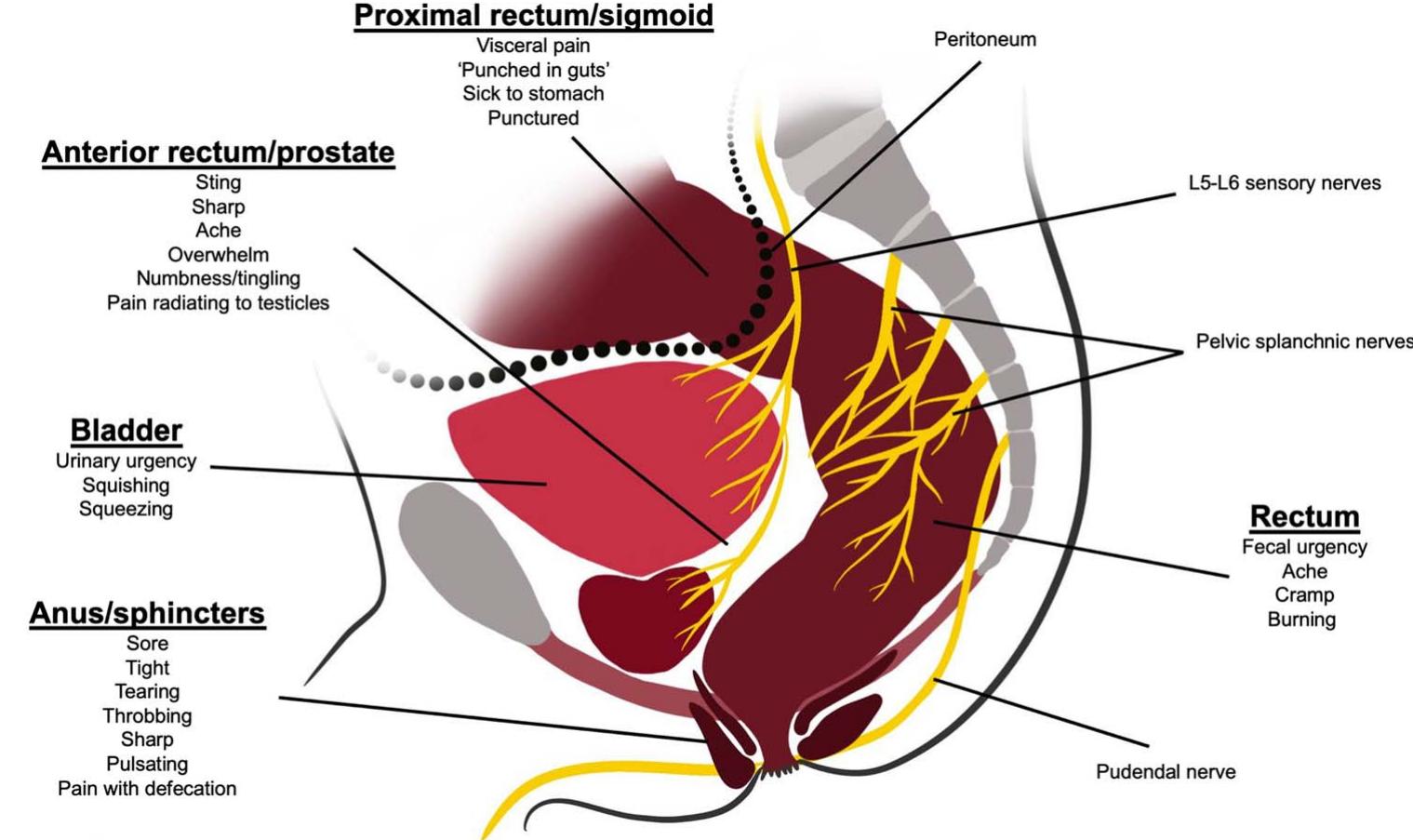
Engaging in anal receptive intercourse safely requires a foundational understanding of the physical structures involved. Unlike vaginal tissue, the rectum and anal canal do not self-lubricate, and the physiological response to penetration requires deliberate preparation.
The Anal Sphincters
The human anus is controlled by two primary ring-like muscles known as sphincters:
- Internal Anal Sphincter: This is an involuntary smooth muscle that remains contracted under autonomic nervous system control to maintain continence. When pressure or stimulus is applied, it gradually relaxes, but it requires time and gentle pacing to do so.
- External Anal Sphincter: This is a striated muscle under voluntary control. Tension, anxiety, or rushing can cause this muscle to involuntarily contract, making penetration difficult and potentially painful. Conscious relaxation and deep breathing are essential to help this muscle yield.
Mucosal Tissue and Sensitivity
The lining of the rectum consists of a delicate mucous membrane that is much thinner than the lining of the vagina. It contains a dense network of blood vessels and nerve endings, which can make the area highly sensitive to both pleasure and injury. Because the mucosal tissue lacks thick protective layers and natural lubrication, friction can easily cause micro-tears. Understanding this vulnerability underscores why high-quality lubrication and gradual pacing are absolute necessities rather than optional preferences.
Preparation and Hygiene
Proper preparation enhances comfort, minimizes risks, and reduces anxiety for individuals engaging in anal receptive intercourse. Establishing a routine that suits individual comfort levels is a cornerstone of a positive experience.
Communication and Consent
An open dialogue with sexual partners is vital. Because the anal region is rich in nerve endings and psychologically sensitive, establishing clear communication about pacing, comfort levels, and boundaries ensures mutual trust. Establishing a mutually understood safe word or physical signal allows the receptive partner to halt or slow down the activity immediately if discomfort arises.
Lubrication Management
Choosing the right lubricant is one of the most critical factors for a safe experience. Water-based or silicone-based lubricants are generally recommended.
- Water-Based Lubricants: Versatile, safe with all types of condoms and sex toys, and easy to clean up. However, they may absorb quickly and require reapplication.
- Silicone-Based Lubricants: Long-lasting and waterproof, making them durable during extended play. They should not be used with silicone sex toys, as they can degrade the material.
- Oil-Based Products: Oils (such as petroleum jelly or massage oils) should be avoided when using latex condoms, as they degrade latex rapidly and increase the risk of barrier failure.
Hygiene and Bowel Preparation
The rectum naturally holds stool, and navigating this aspect varies widely based on personal preference, diet, and routine. Many individuals find that maintaining a high-fiber diet naturally regulates bowel movements, making spontaneous activity comfortable. Others choose to use a gentle enema or douche shortly before activity.
If douching, it is important to use lukewarm water in small amounts, avoid harsh chemical additives, and allow adequate time for the bowel to settle. Over-douching or using excessive water pressure can disrupt the natural bacterial flora of the rectum and irritate the mucosal lining.
Step-by-Step Practical Guidance
Approaching anal receptive intercourse with a structured, patient methodology reduces the risk of physical strain and enhances overall enjoyment.
- Establish Psychological Readiness: Ensure you are in a relaxed environment and feeling fully enthusiastic about the activity. Anxiety and stress cause the pelvic floor muscles to tense up.
- Select Position and Leverage: Choose positions that grant the receptive partner maximum control over the depth, angle, and speed of penetration. Missionary variations, spooning, or positions where the receptive partner is on top are frequently recommended for beginners.
- Apply Ample Lubrication: Apply a generous amount of lubricant both externally and internally before any attempt at penetration. Reapply frequently as needed.
- Incorporate Warm-Up Stimulation: Begin with smaller objects, a single gloved finger, or specialized anal training plugs. Gradually increase the size and stimulus only as the internal muscles relax and adapt.
- Pace the Insertion: The inserting partner should advance very slowly, pausing frequently to allow the internal and external sphincters to adjust to the pressure.
- Monitor Sensations: Communication should remain active throughout. Any sharp pain indicates that the body is not ready, and the activity should pause or stop immediately.
Safety, Health Considerations, and Risk Reduction
Protecting physical health during anal receptive intercourse involves mitigating the transmission of sexually transmitted infections (STIs) and recognizing signs of physical trauma.
Barrier Methods and STI Prevention
The rectal mucosa is thin and fragile, which facilitates the efficient absorption of bodily fluids. This characteristic makes unprotected anal receptive intercourse one of the highest-risk sexual activities for the transmission of STIs, including HIV, human papillomavirus (HPV), chlamydia, gonorrhea, and syphilis.
- Condom Use: Consistent and correct use of male latex or polyurethane condoms significantly reduces the risk of STI transmission.
- Lubrication Compatibility: Always pair condoms with compatible lubricants (water-based or silicone-based) to prevent structural breakdown of the barrier.
- Regular Screening: Individuals engaging in regular anal intercourse should maintain a proactive routine of STI testing as recommended by public health guidance, such as the Centers for Disease Control and Prevention (CDC).
Recognizing and Preventing Physical Injury
Common physical issues range from temporary muscle soreness to minor fissures. If bright red blood appears on the tissue or condom, it typically indicates a minor mucosal scratch. Activities should cease immediately to allow the tissue to heal. Persistent pain, bleeding, or signs of infection warrant evaluation by a qualified healthcare professional.
Comparative Overview of Preparation Factors
The following table outlines key variables, considerations, and best practices associated with preparing for anal receptive intercourse.
| Factor | Recommended Approach | Key Consideration |
|---|---|---|
| Lubrication | Water-based or high-quality silicone | Reapply frequently; avoid oil-based products with latex. |
| Pacing | Gradual, finger-first warm-up | Allows the internal and external sphincters time to relax. |
| Positioning | Receptive partner-controlled angles | Spooning or modified missionary offers optimal control. |
| Hygiene | High-fiber diet or gentle, minimal douching | Avoid harsh chemicals or excessive water pressure to protect flora. |
| Protection | Latex or polyurethane barrier methods | Essential for reducing the risk of STI transmission. |
Frequently Asked Questions
Does anal receptive intercourse always hurt?
No. While discomfort or pain can occur if the practice is rushed, performed without adequate lubrication, or attempted while muscles are tense, it should not be inherently painful. Proper warm-up, slow pacing, and abundant lubrication generally yield pleasurable sensations.
How can I relax my muscles if I feel tense?
Conscious breathing exercises, changing positions to relieve physical pressure, and using smaller probes (such as fingers or small plugs) before full penetration help condition the pelvic floor muscles to relax. Emotional comfort and mutual trust with your partner are equally crucial.
Can I use regular lotion or Vaseline as a lubricant?
No. Petroleum-based products and standard body lotions can degrade latex condoms rapidly, leading to breakage. Furthermore, additives, fragrances, and oils can disrupt the sensitive rectal flora and cause irritation. Always use dedicated water- or silicone-based personal lubricants.
What should I do if I notice bleeding?
Stop the activity immediately. Minor bleeding is usually the result of a small mucosal scratch caused by friction. Clean the area gently with warm water, avoid further sexual activity until the tissue has completely healed, and consult a medical professional if bleeding is heavy or persistent.
How often should I get tested for STIs if I practice anal intercourse?
Health authorities generally recommend regular STI screenings every three to six months for sexually active individuals with multiple partners or those engaging in higher-risk practices like unprotected anal intercourse. Consult a healthcare provider to establish a personalized testing schedule.
Professional Advice Limitation and Next Steps
The information provided in this guide is for educational purposes only and does not substitute for professional medical advice, diagnosis, or treatment. Individuals experiencing chronic pain, persistent rectal bleeding, or other persistent pelvic symptoms should consult a qualified physician or sexual health specialist. For those looking to improve their safety and comfort, start by prioritizing open communication with partners, investing in high-quality compatible lubricants, and practicing patience during physical warm-up routines.