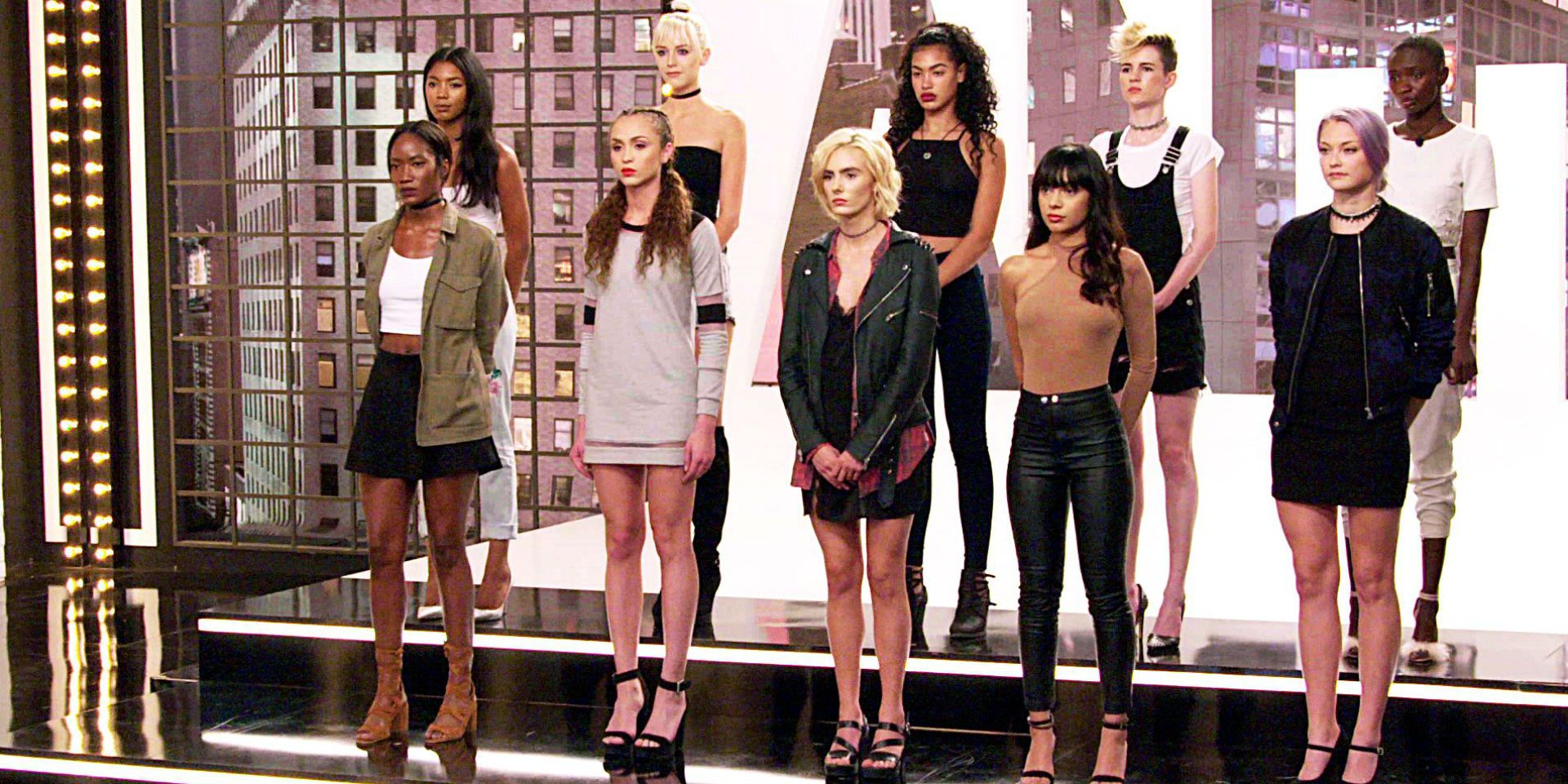
While America's Next Top Model (ANTM) dominated global reality television for over two decades, its contestants faced unique industry skepticism compared to alumni from traditional modeling contests like Elite Model Look or international spin-offs such as Australia's Next Top Model. ANTM prioritized television entertainment over fashion viability, yet several breakout stars successfully transcended the reality TV stigma to achieve lasting success across high fashion, acting, and commercial media.
The Reality TV Era: ANTM’s Cultural Phenomenon vs. Fashion Industry Standards
When executive producer Tyra Banks launched America's Next Top Model in 2003, it revolutionized fashion media by pull back the curtain on an industry historically shrouded in secrecy. The show demystified concepts like "smizing" (smiling with one's eyes), posing for severe lighting, and walking down unstable runways. However, the foundational goal of ANTM was fundamentally different from that of traditional modeling agencies. ANTM was designed primarily as an episodic television drama produced for prime-time ratings, whereas fashion modeling agencies operate on the subtle, long-term development of a model’s talent portfolio, runway presence, and commercial appeal.
The disconnect between reality television production and actual fashion industry operations created immediate tension for ANTM contestants. On television, extreme photo shoot concepts—such as posing underwater with live snakes, hanging from cranes, or portraying theatrical character archetypes—served as compelling entertainment. In contrast, major high-fashion brands like Chanel, Prada, and Steven Meisel-led shoots for Vogue required models to serve as uncluttered "blank canvases" capable of wearing designer garments without overshadowing the clothing.
Furthermore, traditional fashion modeling agencies prioritize precise physical dimensions, facial symmetry, youthful age brackets, and an elusive quality known as "editorial versatility." ANTM frequently cast contestants based on compelling personal narratives, dramatic interpersonal conflicts, or unconventional attributes that made for engaging television. While this inclusive casting approach was culturally progressive and expanded public definitions of beauty, it often placed contestants at odds with the rigid, conservative standards enforced by global fashion capitals in New York, Paris, Milan, and London.
Commercial Success vs. High Fashion Credibility: How ANTM Alumni Fare
The narrative that America's Next Top Model never produced successful models is an oversimplification. However, the nature of their success rarely mirrored the traditional high-fashion runway trajectory promised by the show’s title. Most successful ANTM alumni built flourishing careers by leveraging their television exposure to transition into commercial modeling, television hosting, acting, and personal brand building.
| High-Fashion & Couture | Commercial & Print | Acting & Television |
|---|---|---|
| Winnie Harlow | Leila Goldkuhl | Yaya DaCosta |
| Fatima Siad | Fo Porter | Lio Tipton |
| Patricia van der Vliet | Eugena Washington | Eva Marcille |
Notable ANTM Success Stories Across Industries
- Winnie Harlow (Chantelle Brown-Young, Season 21): Perhaps the most globally recognized high-fashion model to emerge from the ANTM franchise. Though eliminated relatively early in her season, Harlow utilized her distinct appearance (vitiligo) and social media presence to secure campaigns with Fendi, Marc Jacobs, and Tommy Hilfiger, eventually walking the Victoria’s Secret Fashion Show.
- Fatima Siad (Season 10): Achieved rare crossover success into genuine high fashion, landing major campaigns for Hervé Léger, Ralph Lauren, and Giorgio Armani, while walking runways for Dries Van Noten and Hermès.
- Leila Goldkuhl (Season 19): Despite placing third on her season, Goldkuhl was signed by Next Model Management and became an editorial powerhouse, booking campaigns for Givenchy, Alexander Wang, and Dolce & Gabbana, along with dozens of international Vogue covers.
- Yaya DaCosta (Season 3): Successfully parlayed her runner-up finish into a career as an actress, starring in critically acclaimed feature films like The Kids Are All Right and leading major television series such as Chicago Med and Our Kind of People.
- Lio Tipton (Analeigh Tipton, Season 11): Transitioned from third-place finisher to a successful Hollywood acting career, starring in studio films such as Crazy, Stupid, Love and various independent cinematic productions.
Despite these notable exceptions, winning the show was rarely a guarantee of high-fashion stardom. Winners were bound by rigid post-show sponsorship contracts with mainstream commercial brands such as CoverGirl, Seventeen Magazine, and cosmetics lines that paid well but distanced them from high-fashion prestige. High-fashion casting directors often viewed winner titles as "overexposed" or "too commercial," preferring fresh, unbranded faces over reality TV personalities.
ANTM vs. Other Modeling TV Shows (The Face, Australia's Next Top Model, Make Me a Supermodel)
The broadcast success of ANTM spawned numerous competitor modeling shows, each attempting to balance high-fashion authenticity against television drama with varying degrees of success.
| Show | Drama Level | Focus | Primary Target |
|---|---|---|---|
| ANTM | High Drama | Reality-focused | Commercial Focus |
| Australia's NTM | Med Drama | Industry-aligned | High-Fashion Focus |
| The Face | High Drama | Brand-focused | Commercial & Editorial |
| Make Me a Supermodel | Low Drama | Technical Skills | Runway & Commercial |
Australia’s Next Top Model (AusNTM)
Widely considered by industry insiders to be the most successful television franchise in producing legitimate high-fashion working models. Unlike its American counterpart, Australia's Next Top Model aligned itself directly with high-end publications like Vogue Australia and top-tier agencies such as Priscilla’s Model Management. The production value, styling, photography, and judging panels reflected actual luxury fashion standards rather than reality TV gimmicks.
- Key Alumni: Duckie Thot (Cycle 8) became a global supermodel, face of Fenty Beauty, and Victoria's Secret runway model; Montana Cox (Cycle 7) walked for Chanel, Dior, and Givenchy immediately after winning; Alice Burdeu (Cycle 3) achieved international high-fashion acclaim, walking for Louis Vuitton, Alexander McQueen, and Dolce & Gabbana.
The Face
Executive produced by supermodel Naomi Campbell, The Face ran for two seasons in the United States (alongside international editions in the UK and Australia). The premise placed three iconic supermodels (including Coco Rocha, Karolina Kurkova, and Anne Vyalitsyna) as team coaches who guided aspiring models through challenges directly commissioned by real commercial clients like Swarovski, Frédéric Fekkai, and Marshalls.
- Industry Footprint: Because actual client selection dictated weekly challenge winners, The Face provided contestants with real commercial portfolio credentials. However, the show struggled to generate the mainstream pop-culture viewer numbers of ANTM, limiting its long-term broadcast lifespan.
Make Me a Supermodel
A short-lived Bravo franchise that attempted a more technical, professional approach to modeling competitions. Hosted by supermodels Niki Taylor and Tyson Beckford, the show incorporated both male and female contestants and relied on viewer voting for eliminations. While it focused heavily on classic runway mechanics and professional polaroid shoots, it lacked the viral dramatic pacing necessary to sustain multi-season longevity in competitive television networks.
Reality TV Scouting vs. Traditional Modeling Competitions (Elite Model Look, Ford Supermodel of the World)
To understand why ANTM contestants faced uphill battles in Paris or Milan, one must contrast reality TV casting with traditional modeling competitions like Elite Model Look and the Ford Models Supermodel of the World contest.
Traditional modeling competitions are not television shows designed for public entertainment; they are corporate talent identification events operated directly by global modeling networks.
| Feature | ANTM & TV Competitions | Elite Model Look / Ford |
|---|---|---|
| Primary Objective | Television Viewer Ratings | Professional Talent Scouting |
| Winner Selection | TV Producers & Guest Judges | Agency Executives & Clients |
| Key Portfolio Output | Concept-heavy TV Photoshoots | Clean Polaroids & Test Runs |
| Primary Prize | Cash, Commercial Contracts | Long-term Agency Management |
| Industry Perception | Reality Star / Celebrity | Blank Canvas Professional |
Traditional contests like Elite Model Look act as direct talent pipelines into global agency boards. Winners and finalists are not expected to deliver theatrical soundbites or perform under emotional stress for cameras. Instead, agency bookers evaluate pure bone structure, height, body proportions, walk naturalness, and unretouched photographic potential.
Icons Discovered via Traditional Contests
- Elite Model Look: Gisele Bündchen, Cindy Crawford, Alessandra Ambrosio, Lara Stone, Stephanie Seymour, and Sigrid Agren.
- Ford Supermodel of the World: Chanel Iman, Monica Bellucci, Adriana Lima (Runner-up), and Renee Tener (1980s).
Because traditional competitions are judged entirely by agency agents, casting directors, and designers, finalists step directly onto runway schedules without carrying the perceived baggage of a televised reality personality.
Comparative Matrix: ANTM vs. Competitor Formats
The following structured breakdown compares the key operational metrics, agency alignment, and industry outcomes of major modeling competition formats across the fashion media landscape.
| Competition Name | Production Type | Primary Judging Criteria | High Fashion Acceptance | Top Notable Alumni | Primary Prize Package Structure |
|---|---|---|---|---|---|
| America's Next Top Model | Reality TV Drama | Entertainment value, personality, photogenic adaptability | Low to Moderate | Winnie Harlow, Fatima Siad, Leila Goldkuhl, Yaya DaCosta | Commercial cosmetics contract, magazine spread, agency contract |
| Australia's Next Top Model | Fashion-Focused Reality TV | High-fashion editorial suitability, runway mechanics | High | Duckie Thot, Montana Cox, Alice Burdeu | Vogue Australia cover, major agency representation, brand contracts |
| The Face | Reality Mentorship Competition | Real-world client satisfaction, commercial viability | Moderate | Devyn Abdullah, Tiana Zarlin | Major brand campaign spokeswoman contract, agency representation |
| Elite Model Look | Corporate Agency Scouting Event | Bone structure, height, editorial versatility, raw potential | Extremely High | Gisele Bündchen, Cindy Crawford, Lara Stone | Direct multi-year global agency contract and guaranteed financial advance |
| Ford Supermodel of the World | Corporate Agency Scouting Event | Classic beauty, proportion, commercial and high-fashion flexibility | Extremely High | Chanel Iman, Adriana Lima, Monica Bellucci | Major financial agency contract and international client introduction |
Why Traditional Fashion Agencies Historically Skeptical of ANTM
The dynamic between fashion agencies and reality TV contestants is rooted in how luxury brands manage image scarcity and exclusivity. The high-fashion ecosystem relies on an aura of unattainable luxury. When a model appears on a weekly television series watched by millions, several industry mechanisms work against them:
| Obstacle | Description |
|---|---|
| 1. Overexposure | Seen on TV weekly; loses "mystique" mandatory for high-fashion luxury positioning. |
| 2. Portfolio In-use | ANTM shoots featured wild props/costumes rather than high-fashion client-ready polaroids. |
| 3. Contract Conflicts | Mandatory post-show sponsors restricted model's availability for high-end luxury campaigns. |
| 4. Editing Stigmas | Public personality edits created conflict risk for conservative luxury design houses. |
The Overexposure Paradox
In high-fashion modeling, anonymity before a major debut is considered an asset. Designers like Steven Meisel or Nicolas Ghesquière often prefer to "break out" a completely unknown model exclusively on their runway or campaign. An ANTM contestant, having already revealed their personal life, tearful breakdowns, and unedited behavior on broadcast television, lacked the mysterious "blank slate" quality high fashion craves.
Portfolio vs. Reality TV Gimmicks
During early seasons of ANTM, contestants built portfolios filled with extreme high-concept imagery: models posed as dead bodies, dressed as different ethnicities, or submerged in milk vats. When these models presented these portfolios to high-end booking agents in Paris or Milan, the photographs were dismissed as unusable camp. Traditional agency bookers required simple, clean polaroids (plain black clothing, zero makeup, natural light) to show clients how the model actually looked without studio trickery.
The Instagram Era Shift
By the late 2010s and entering the 2020s, the line between social media stardom and high-fashion booking blurred significantly. The rise of Instagram transformed how agencies viewed public visibility. Models with built-in digital followings—such as Kendall Jenner, Gigi Hadid, and former ANTM contestant Winnie Harlow—proved that audience reach could be monetized directly for fashion brands. Consequently, the historical stigma surrounding reality TV models softened, allowing newer generations of digital-savvy models to cross between mass media and high-fashion catwalks more fluidly.
Key Lessons for Aspiring Models Navigating Competitions Today
For aspiring models considering entering a televised competition versus pursuing traditional agency scouting, understanding industry mechanics is essential for long-term career planning.
- PATH A: Traditional Agency Scouting
- Submit natural polaroids directly to reputable agencies (IMG, Elite, Next)
- Preserves exclusivity
- Builds high-fashion credibility
- Submit natural polaroids directly to reputable agencies (IMG, Elite, Next)
- PATH B: Reality Television / Media Competitions
- Audition for broadcast entertainment shows
- Builds immediate audience reach
- Leverages transition into commercial media
- Audition for broadcast entertainment shows
- Define Career Objectives Early: If the ultimate goal is walking for Paris Couture houses (such as Saint Laurent, Balenciaga, or Chanel), traditional open calls and direct polaroid submissions to established agencies (e.g., IMG Models, Elite Model Management, Next Management) remain the most direct path.
- Evaluate Prize Package Specifics: Examine whether a competition prize offers real, non-exclusive agency representation and guaranteed work, or if it locks winner earnings into specific commercial sponsor commitments that limit external bookings.
- Recognize the Value of Social Media: Modern agencies scout heavily on Instagram and TikTok. A strong, authentic personal brand can bypass historical television stigmas, as demonstrated by post-ANTM models who built independent followings.
- Understand Portfolio Requirements: Focus on building a clean portfolio of basic digitals (polaroids) showing unedited face structure, natural hair, and body proportions before attempting high-concept editorial shoots.
Frequently Asked Questions
Did any America's Next Top Model contestant become a successful supermodel?
Yes, though only a small percentage achieved traditional supermodel status. Winnie Harlow (Season 21) achieved international supermodel status, walking for Victoria's Secret and starring in major global campaigns. Leila Goldkuhl (Season 19) became an editorial supermodel, booking major high-fashion campaigns for Givenchy and walking top-tier international fashion weeks. Fatima Siad (Season 10) also achieved extensive high-fashion campaign success.
Why did Australia's Next Top Model produce more successful high-fashion models than ANTM?
Australia's Next Top Model prioritized actual fashion industry standards over reality TV drama. The show partnered directly with high-end publications like Vogue Australia and top-tier modeling agencies, utilizing real fashion photographers and styling teams. This focus ensured that contestants developed portfolios directly aligned with what international agencies in Paris and Milan demanded.
What is the primary difference between ANTM and Elite Model Look?
ANTM was an episodic television entertainment show produced for ratings, selecting contestants based on dramatic personality traits as well as looks. Elite Model Look is an official corporate talent search managed directly by Elite Model Management, focused strictly on finding models with the height, facial structure, and editorial potential required for professional agency contracts.
Did winning ANTM guarantee a successful modeling career?
No. Winning ANTM often proved more challenging for high-fashion careers than finishing as a runner-up. Winners were tied to commercial contracts with mass-market sponsors, which high-fashion houses often viewed as overexposed or incompatible with luxury branding. Several runners-up and non-winners (such as Yaya DaCosta, Lio Tipton, and Winnie Harlow) achieved higher career longevity by retaining greater flexibility after the show.
How did The Face differ from America's Next Top Model?
The Face featured active supermodels (such as Naomi Campbell and Coco Rocha) coaching teams of contestants through actual commercial assignments for real clients like Swarovski and Fekkai. The clients—not television producers—chose the challenge winners based on professional performance, making the competition much closer to real-world commercial modeling than ANTM's theatrical challenges.
Strategic Recommendations for Industry Analysis
For fashion researchers, media analysts, and aspiring industry professionals studying reality television's impact on modeling talent acquisition:
- Differentiate Between Media Channels: Distinguish between commercial celebrity branding (built through reality TV exposure and acting) and editorial prestige (built through selective runway bookings and couture campaigns).
- Study Regional Franchise Variations: Analyze international editions of fashion shows (such as Australia's Next Top Model or Britain's Next Top Model) to observe how stronger alignment with local fashion publications changes career outcomes for contestants.
- Monitor Digital Agency Scouting Practices: Track how global agencies utilize social media channels alongside traditional open calls, as direct digital discovery has largely replaced televised modeling competitions as the primary pathway for non-traditional model discovery.
EDIT: The following metadata lines complete the publication requirements.