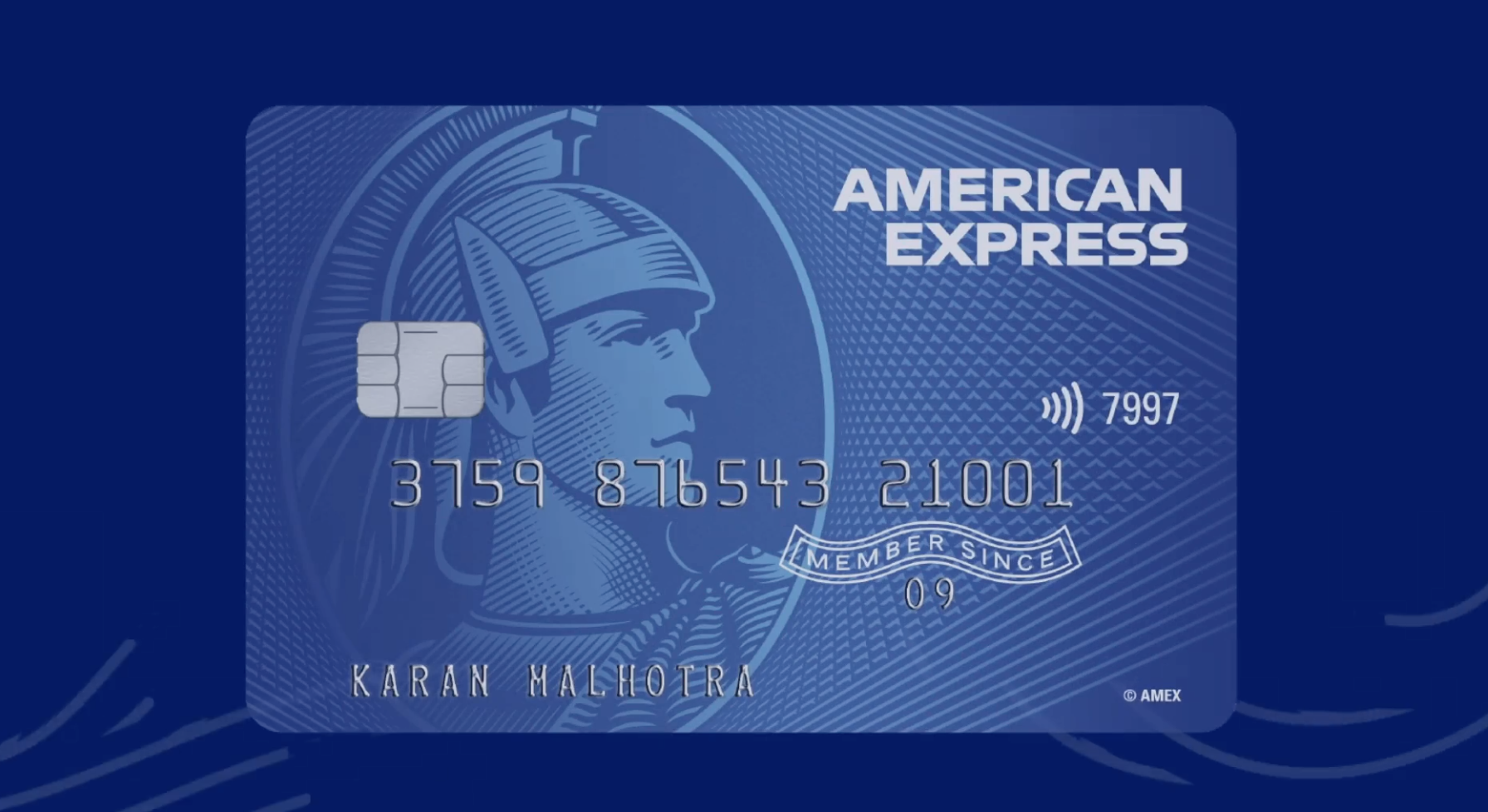
The color of an American Express card signifies its specific tier within the company's ecosystem, representing a distinct combination of annual fees, reward structures, and exclusive perks. From the entry-level Green to the prestigious invitation-only Black card, these colors serve as a visual shorthand for a cardholder's spending power and lifestyle preferences.
For decades, American Express has utilized a color-coded hierarchy to differentiate its products. While the aesthetic of the cards has evolved—shifting from embossed plastic to sleek, heavy precision-cut metal—the underlying significance of the colors remains a cornerstone of the brand’s identity. In 2026, understanding these distinctions is more important than ever, as the "Membership Rewards" ecosystem has become increasingly complex, with each color targeting a very specific consumer profile.
The Hierarchy of American Express Colors
The American Express hierarchy is generally viewed as a ladder, where moving "up" in color usually involves higher annual fees but offers greater rewards and luxury benefits. While the lines between "charge cards" (traditionally requiring payment in full) and "credit cards" (allowing balances to be carried) have blurred due to features like "Pay Over Time," the color-coded branding still dictates the core value proposition.
The primary consumer hierarchy consists of:
- The Centurion® Card (Black)
- The Platinum Card® (Silver/Platinum)
- The American Express® Gold Card (Gold/Rose Gold)
- The American Express® Green Card (Green)
- The Blue Cash® Suite (Blue)
Beyond these, there are specialized colors like Plum (for business cash flow) and various co-branded colors (such as Delta’s Blue, Gold, Platinum, and Reserve tiers). However, the "core" colors represent the heart of the American Express brand.
The American Express® Green Card: The Heritage Entry Point
The Green Card is the historical foundation of the American Express brand, first introduced in 1969. In 2026, it serves as the entry point for those who want to earn Membership Rewards points but are not yet ready for the high annual fees associated with the Gold or Platinum tiers.
Target Audience and Usage
The Green Card is designed for the "urban explorer" and the frequent commuter. Its reward structure is heavily weighted toward transit and travel, including subways, rideshares, ferries, and hotels. It is often the first "premium" card for young professionals who value flexibility over luxury airport lounges.
Key Benefits and Fees
As of 2026, the Green Card maintains a moderate annual fee, making it accessible while still providing significant value. Key features include:
- 3x Points on travel, transit, and dining at restaurants worldwide.
- CLEAR® Plus Credit: An annual credit that offsets the cost of CLEAR® membership, facilitating faster airport security.
- LoungeBuddy Credit: A specific dollar amount per year to purchase single-use airport lounge passes, providing a "pay-as-you-go" luxury experience without the Platinum price tag.
Why Green?
The color green was originally chosen to evoke the look of U.S. currency, positioning the card as a direct substitute for cash. Today, it represents a "sustainable" and "versatile" choice for those who are highly mobile but budget-conscious regarding fixed annual costs.
The American Express® Gold Card: The Lifestyle Powerhouse
Often cited as the "sweet spot" of the American Express lineup, the Gold Card is tailored for domestic life and high-frequency spending on essentials. In 2026, it remains the dominant choice for foodies and families.
The Rose Gold Variant
In recent years, American Express introduced the Rose Gold version of the Gold Card. While the color is different, the benefits, fees, and rewards are identical to the classic Gold Card. This was a strategic move to appeal to a broader demographic that values personalized aesthetics alongside financial utility.
Reward Structure and Credits
The Gold Card is engineered to maximize points on everyday purchases. Its primary strengths are:
- 4x Points at restaurants worldwide and at U.S. supermarkets (up to a specific annual cap).
- 3x Points on flights booked directly with airlines or on amextravel.com.
- Dining Credits: Monthly credits for specific delivery services and participating restaurant chains.
- Uber Cash: Monthly credits that can be used for Uber Eats or Uber rides in the U.S.
The Value Proposition
The Gold Card is essentially a "rewards multiplier." For a consumer who spends $800 a month on groceries and dining, the points generated often far outweigh the annual fee. It bridges the gap between the utilitarian Green Card and the luxury-focused Platinum Card.
The Platinum Card®: The Luxury Travel Standard
The Platinum Card is perhaps the most recognizable status symbol in the credit card world, short of the Centurion. Since its debut in 1984, it has transitioned from a high-limit payment tool to a comprehensive "lifestyle concierge" service.
Design and Construction
The card is made of heavy metal, designed to provide a tactile sense of prestige. In 2026, the design remains minimalist, emphasizing the "Platinum" finish that has become synonymous with elite travel.
Premium Benefits and Lounges
The Platinum Card is defined by its "Global Lounge Collection." Cardholders gain access to:
- Centurion Lounges: Exclusive, high-end lounges owned and operated by American Express.
- Delta Sky Clubs: Accessible when flying Delta.
- Priority Pass Select: Access to over 1,400 lounges globally (enrollment required).
Extensive Credits
The Platinum Card carries a high annual fee, but it "pays for itself" through a series of credits that target the high-end consumer. These typically include:
- Annual Hotel Credit: For bookings through the Fine Hotels + Resorts® or The Hotel Collection.
- Digital Entertainment Credit: Offsetting costs for services like Disney+, Hulu, or The New York Times.
- Airline Fee Credit: For incidental fees like baggage or in-flight meals.
- Saks Fifth Avenue Credit: Biannual credits for luxury retail.
The Platinum Card is not for the "average" spender. It is designed for those who travel internationally multiple times a year and can utilize the disparate credits to offset the high cost of ownership.
The Centurion® Card: The Legendary "Black Card"
The Centurion Card, universally known as the "Black Card," is the pinnacle of the American Express hierarchy. Unlike the other colors, you cannot apply for this card; you must be invited.
Myths and Realities
The Black Card is made of anodized titanium and is shrouded in exclusivity. While the exact requirements for an invitation are not public, it is generally accepted that an individual must spend (and pay off) upwards of $250,000 to $500,000 annually across their other American Express cards to be considered.
Exclusive Services
The benefits of the Centurion Card go far beyond points. They include:
- Personal Concierge: A dedicated individual or team available 24/7 to handle everything from travel bookings to sourcing sold-out luxury goods.
- Equinox Destination Access: Complimentary membership to elite fitness clubs.
- Elite Status: Immediate top-tier status with multiple hotel chains and car rental agencies.
- Private Airport Transfers: In some regions, Centurion members are met at the aircraft door and expedited through customs.
The Centurion Card is less about a return on spend and more about the "frictionless life" it provides to the ultra-high-net-worth individual.
The Blue Suite: Cash Back and Entry Points
The Blue cards (Blue Cash Everyday® and Blue Cash Preferred®) represent a different branch of the American Express family. Unlike the Green, Gold, and Platinum cards, which earn Membership Rewards points, the Blue cards are primarily focused on Cash Back.
- Blue Cash Everyday: A no-annual-fee card that offers modest cash back on groceries, online retail, and gas.
- Blue Cash Preferred: Features a higher cash-back rate on U.S. supermarkets and streaming services, justified by a small annual fee.
The "Blue" color signifies a more modern, transparent financial product. These cards are ideal for consumers who prefer the simplicity of dollars-off-their-statement rather than navigating the complexities of airline transfer partners.
Comparative Summary of American Express Colors
The following table summarizes the core differences between the primary American Express color tiers as they stand in 2026.
| Card Color | Primary Tier Name | Primary Reward Type | Best For | Estimated 2026 Fee |
|---|---|---|---|---|
| Green | American Express Green | Membership Rewards | Transit & Commuting | Low/Moderate |
| Gold | American Express Gold | Membership Rewards | Dining & Groceries | Moderate |
| Platinum | The Platinum Card | Membership Rewards | Luxury Travel & Lounges | High |
| Black | The Centurion Card | Membership Rewards | Ultra-High-Net-Worth | Very High + Initiation |
| Blue | Blue Cash Preferred | Cash Back | Everyday Domestic Spend | Low/None |
How to Choose the Right Color for Your Needs
Selecting the right American Express card color requires a candid assessment of your spending habits and travel frequency. Many consumers make the mistake of "over-carding," paying for a Platinum Card when their lifestyle more closely aligns with the Gold Card's benefits.
Step 1: Identify Your Largest Spending Category
If you spend most of your money on rent and dining, the Gold Card is the mathematically superior choice due to its 4x multiplier on restaurants. If you are a digital nomad or a frequent traveler who spends thousands on flights and hotels, the Platinum Card becomes the better option because of its 5x earn rate on travel and its extensive lounge access.
Step 2: Evaluate the "Coupon Book" Effect
The Platinum and Gold cards offer hundreds of dollars in credits. However, these only provide value if you were already going to spend money on those services. If you don't use Uber, don't shop at Saks, and don't subscribe to the specific digital platforms Amex partners with, the high annual fees of the "higher" colors may not be justifiable.
Step 3: Consider the Credit vs. Charge Distinction
While most Amex cards now offer "Pay Over Time," the Green, Gold, and Platinum cards are still technically categorized differently than the Blue Cash cards. If you need a traditional credit card with a fixed limit and a clear interest rate structure, the Blue suite is often more appropriate.
Frequently Asked Questions
Can I change my card color (upgrade/downgrade)?
Yes, American Express allows for "product changes" within the same card family. For example, you can upgrade from a Green Card to a Gold Card or downgrade from a Platinum to a Gold. However, you generally cannot switch from a Membership Rewards card (like Gold) to a Cash Back card (like Blue Cash Preferred) without closing the account and opening a new one. Always check if an upgrade offer is available, as these often come with "bonus points" for the transition.
Does the color of my card affect my credit score?
The color itself does not affect your score, but the type of card might. The Green, Gold, and Platinum cards are often reported to credit bureaus differently than traditional credit cards. In some cases, they do not factor into your "credit utilization" ratio because they do not have a pre-set spending limit. This can be beneficial for your score if you carry large balances that you pay off every month.
Is the Rose Gold card different from the Gold card?
No. The Rose Gold card is simply an aesthetic variant of the American Express Gold Card. The annual fee, point multipliers, and benefits are identical. When applying, you are usually given the choice between the classic Gold finish or the Rose Gold finish.
Why are some American Express cards metal and others plastic?
As of 2026, the Platinum, Gold, and Centurion cards are made of metal to signify their premium status. The Green and Blue cards are typically made from recycled plastics (often reclaimed ocean plastic). The weight and material are part of the brand's sensory marketing, intended to make the card feel more "valuable" in the hand of the consumer.
What is the rarest American Express card color?
Beyond the invitation-only Black (Centurion) card, there are specialized colors like the Plum Card® for Business. The Plum card is unique because it focuses on "buying power" and flexible payment terms (a discount for paying early or extra time to pay) rather than a traditional points-based rewards system.
Final Recommendation: Navigating the Spectrum
The "best" American Express card color is rarely the most expensive one. For the vast majority of consumers, the American Express Gold Card provides the most functional value due to its heavy weighting toward groceries and dining. However, if you travel more than four times a year and value the comfort of airport lounges, the Platinum Card is the gold standard of travel.
Before committing to a color, use a rewards calculator to input your monthly expenses. If the points generated plus the utilized credits do not exceed the annual fee by at least 50%, you should consider moving "down" the ladder to a more sustainable color for your financial profile.
For more information on credit card terms and consumer rights, visit the Consumer Financial Protection Bureau. To explore current card offers and terms, visit the official American Express website.