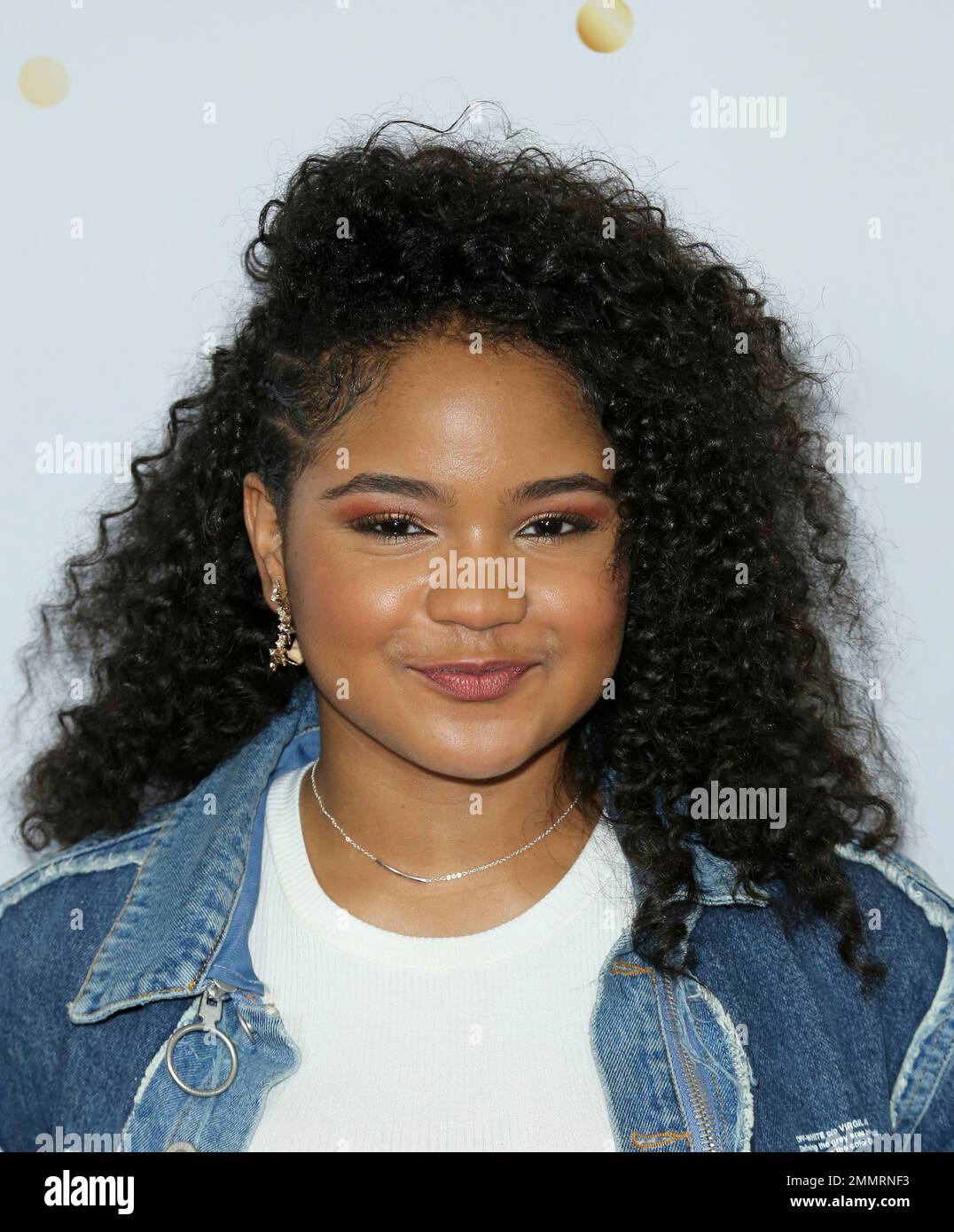
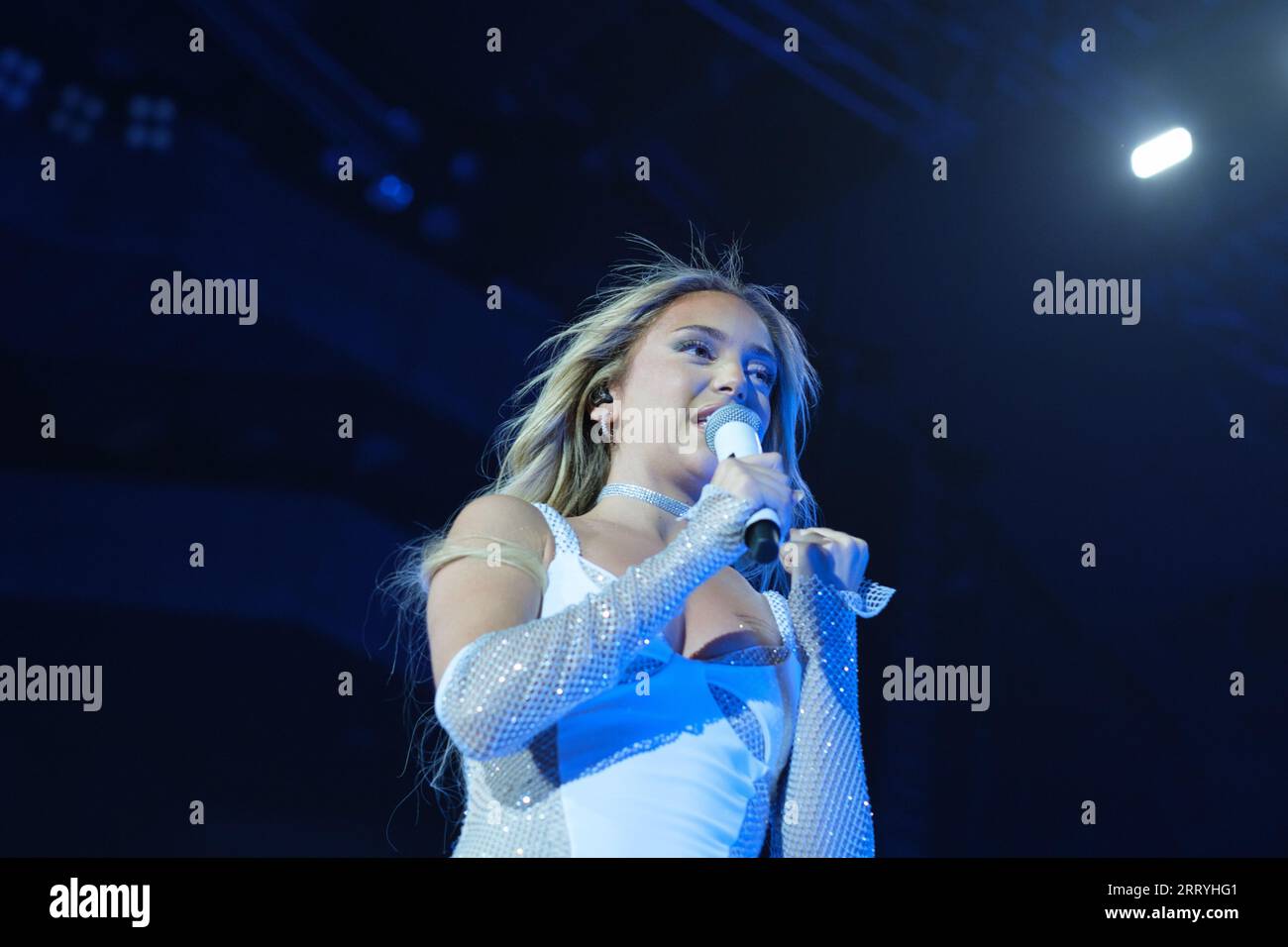
Amanda Mena is a distinguished Dominican-American singer who gained significant national recognition for her powerful vocal abilities and stage presence on major televised talent competitions. Born into a heritage that bridges the Dominican Republic and the United States, she has leveraged her bicultural background to develop a unique musical identity characterized by vocal maturity, emotional depth, and a commitment to storytelling through song.
The trajectory of Amanda Mena’s career serves as a case study in the modern transition from television-based discovery to independent artistic development. While her initial rise to prominence was fueled by appearances on high-profile platforms like America's Got Talent, her long-term professional narrative is defined by the technical challenges of maintaining a professional voice during adolescence, the pursuit of formal musical education, and the strategic navigation of the music industry. As of 2026, she represents a new generation of performers who must balance the demands of early fame with the necessity of authentic, sustainable creative evolution.
Early Life and Cultural Foundations
Amanda Mena’s artistic identity is deeply rooted in her upbringing. Growing up in a household where Dominican culture was integrated into her American daily life, she was exposed to a diverse array of musical influences. This environment encouraged a bilingual approach to her craft, which has become a hallmark of her performance style.
For many young artists in the United States, balancing heritage with mainstream expectations can be a complex process. In Mena’s case, her ability to transition between English and Spanish repertoire is not merely a linguistic choice but a reflection of her identity. Her early training focused on mastering vocal techniques that allowed her to deliver complex melodies with clarity, a prerequisite for the high-pressure environments of televised competitions. This foundation enabled her to handle the rigors of competitive singing, where technical precision is often the primary metric for advancement.
The Role of Televised Competition in Career Development
The path to professional music in the 21st century often relies on exposure gained through reality television. For Amanda Mena, the most notable platform was America’s Got Talent. Participating in such a competition requires more than just raw talent; it demands extreme psychological resilience and the ability to perform consistently under intense scrutiny.
Technical Demands of Competitive Performance
Competitive singing on a televised scale imposes specific technical constraints:
- Vocal Consistency: Performers must deliver high-quality, pitch-perfect vocals while managing physical movement and lighting conditions that can disrupt breath control.
- Song Selection Strategy: Choosing material that demonstrates versatility while remaining within the artist's current vocal comfort zone is critical to survival in a tournament format.
- Performance Artistry: Beyond pitch, judges evaluate emotional delivery, stage presence, and the ability to connect with an international audience.
Mena’s success in these arenas was characterized by her ability to interpret songs that exceeded the typical complexity expected of a performer her age. This "vocal maturity" became a recurring theme in her televised reviews, establishing her reputation as a formidable talent capable of holding the stage alongside established acts.
Transitioning from Competition to Independent Artist
One of the most significant challenges for a performer known primarily for a television appearance is the shift toward long-term artistic sustainability. Once the competition concludes, the artist must pivot from being a "contestant" to being an "independent creator." This transition involves several operational requirements that are often overlooked by observers of the entertainment industry.
Key Operational Milestones for Independent Singers
- Songwriting and Originality: Moving away from cover songs allows an artist to cultivate a distinct brand and retain a larger percentage of mechanical royalties.
- Developing a Sound: This involves identifying producers and collaborators who understand the artist’s vision, moving beyond the homogenized sound often forced by reality show production teams.
- Audience Retention: Maintaining the interest of a fan base that was acquired during a momentary spike in popularity requires consistent content output, from social media engagement to regular performance schedules.
In the years leading up to 2026, Amanda Mena has navigated this space by balancing her performance history with the hard work of studio development. This requires a shift in focus from the "live moment" to the "recorded legacy," ensuring that her music is available through streaming platforms and reaches a global audience without the mediation of a television network.
Comparison of Performance Environments
The following table highlights the differences between the environments in which an artist like Amanda Mena must operate to maintain a professional career.
| Feature | Televised Competition | Independent Studio Work |
|---|---|---|
| Objective | Elimination-based advancement | Brand building and artistic expression |
| Control | Limited (Production determines set) | High (Artist dictates creative direction) |
| Audience | Broad, casual, mass-market | Niche, dedicated, community-based |
| Primary Metric | Judge/Public vote count | Streaming data and tour attendance |
| Technical Focus | Real-time live execution | Multi-track layering and production polish |
The Impact of Biculturalism on Contemporary Music
Amanda Mena represents a demographic of artists who use their dual-cultural identity as a core strength. The current landscape of 2026 shows a clear trend toward the globalization of music, where Spanish-language content frequently tops charts in traditionally English-speaking markets.
By embracing her Dominican-American roots, Mena connects with a vast, diverse audience that seeks authentic representation. This is not just a cultural advantage; it is a strategic business decision. By bridging the gap between Latin pop sensibilities and American R&B and soul, she is able to diversify her listener base and participate in multiple sub-genres of the music industry. The challenge for her, as with any artist in this position, is to ensure that this duality remains an organic part of her creative process rather than a marketing gimmick.
Challenges of Maintaining Longevity
A frequent point of concern for young artists who achieve early success is the risk of "burnout" or the difficulty of evolving past the public’s initial perception. As 2026 progresses, the music industry continues to change rapidly. The shift toward social media-driven stardom means that artists are expected to be content creators, stylists, and business managers, in addition to being singers.
For Mena, the primary focus is long-term vocal health and professional development. The industry landscape of the mid-2020s demands constant interaction, yet the most enduring artists are those who take the time to refine their skills away from the public eye. Understanding the business of music—including copyright management, performance rights, and the nuances of digital distribution—is essential for any singer who intends to have a career spanning multiple decades.
Frequently Asked Questions
1. How did Amanda Mena first gain widespread attention?
Amanda Mena gained national prominence primarily through her appearances on America's Got Talent. Her performances were noted for her vocal maturity and emotional resonance, which allowed her to stand out in a highly competitive field.
2. Is Amanda Mena still active in the music industry?
As of 2026, Amanda Mena continues to engage with her craft. Her career has evolved from a competition-based model to a more independent approach, focusing on original songwriting and performance.
3. What makes the Dominican-American background important to her music?
Her background allows for a unique fusion of cultural influences, enabling her to incorporate both English and Spanish in her work. This bilingual capability is a significant asset in the modern, globalized music market where Latin-influenced sounds hold high cultural value.
4. What are the common challenges for singers who emerge from talent shows?
The most common challenges include transitioning from being a "contestant" to an independent artist, developing a unique sound that is separate from the television show's brand, and maintaining audience interest in the absence of a prime-time television platform.
5. How does a professional singer manage vocal health for a long career?
Maintaining vocal health requires a combination of proper training, adequate rest, and consistent technique. Singers must avoid vocal strain by working with vocal coaches who understand the physiology of the voice and by pacing their performance schedules to allow for recovery time.
Recommendation for Listeners and Industry Followers
To truly appreciate the evolution of a talent like Amanda Mena, listeners should look beyond the highlights of televised performances. By following her current releases on verified music streaming platforms and keeping track of her independent project announcements, followers can witness the deliberate steps an artist takes to define their own legacy. For those interested in the industry side, observe how she utilizes social media to maintain a direct line of communication with her audience, bypassing traditional PR gatekeepers to foster a more authentic fan connection. Supporting independent artists directly through official streaming channels and attending live venues provides the necessary financial and moral support for performers to continue their creative journey in a competitive landscape.