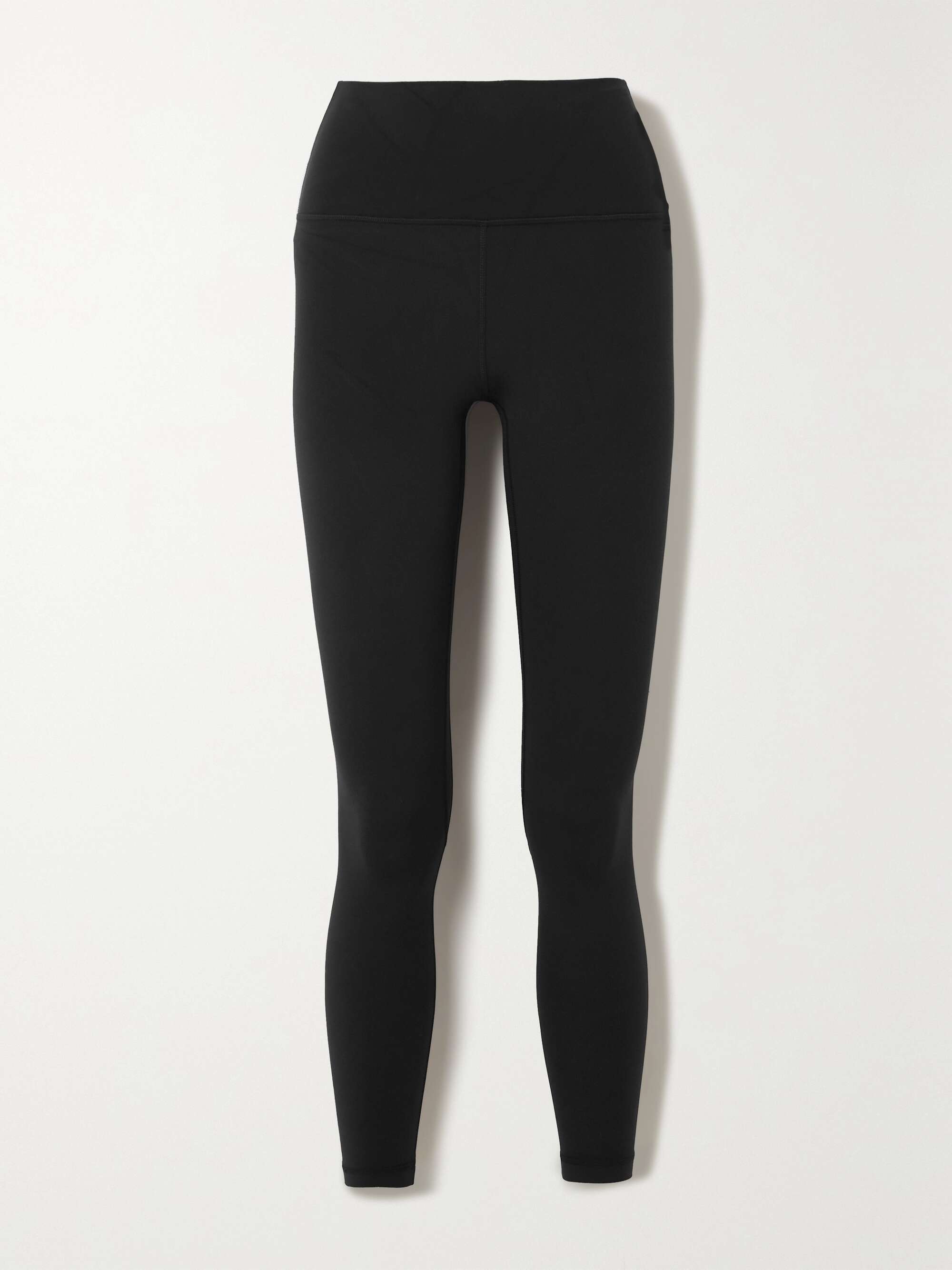
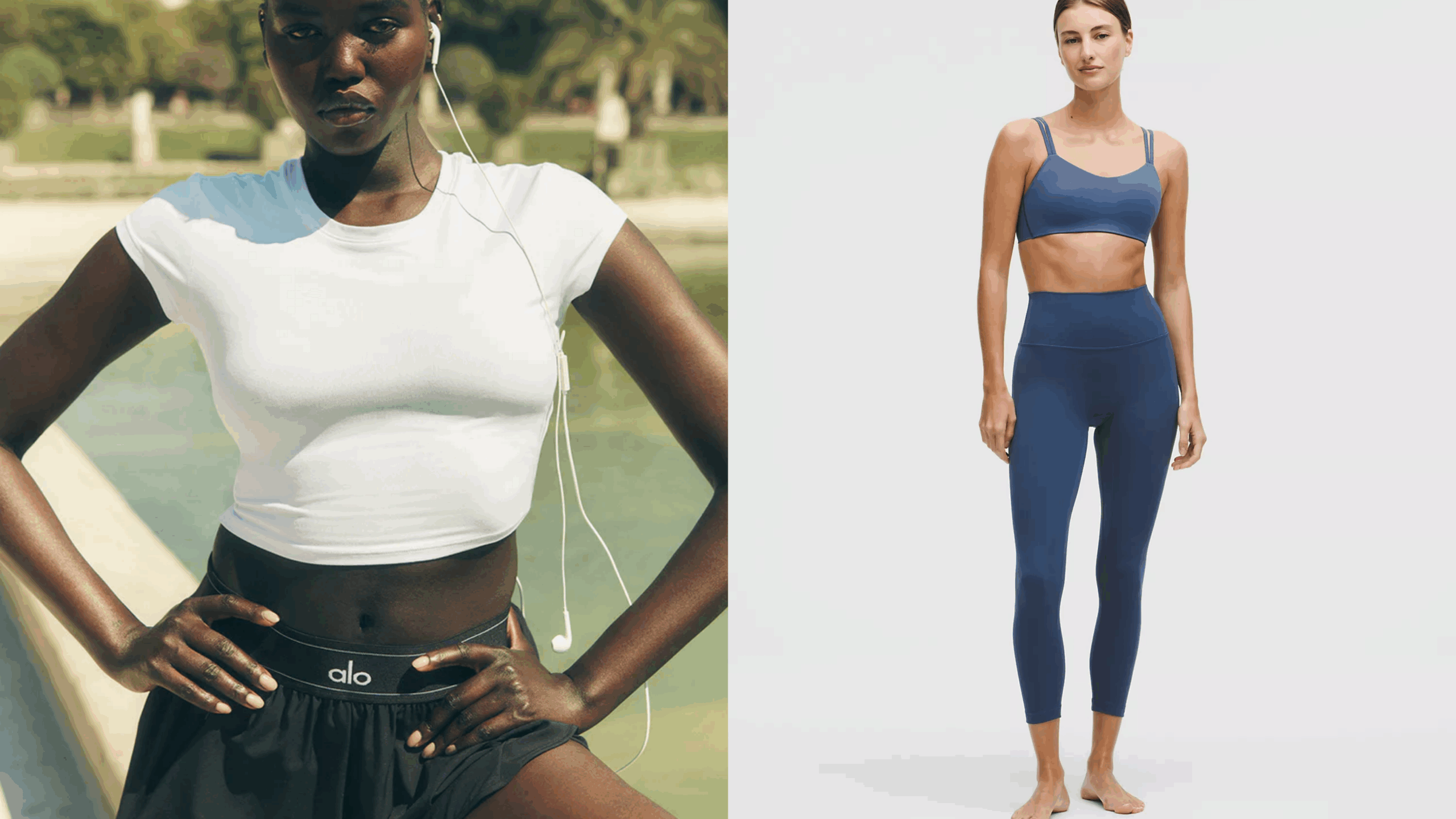
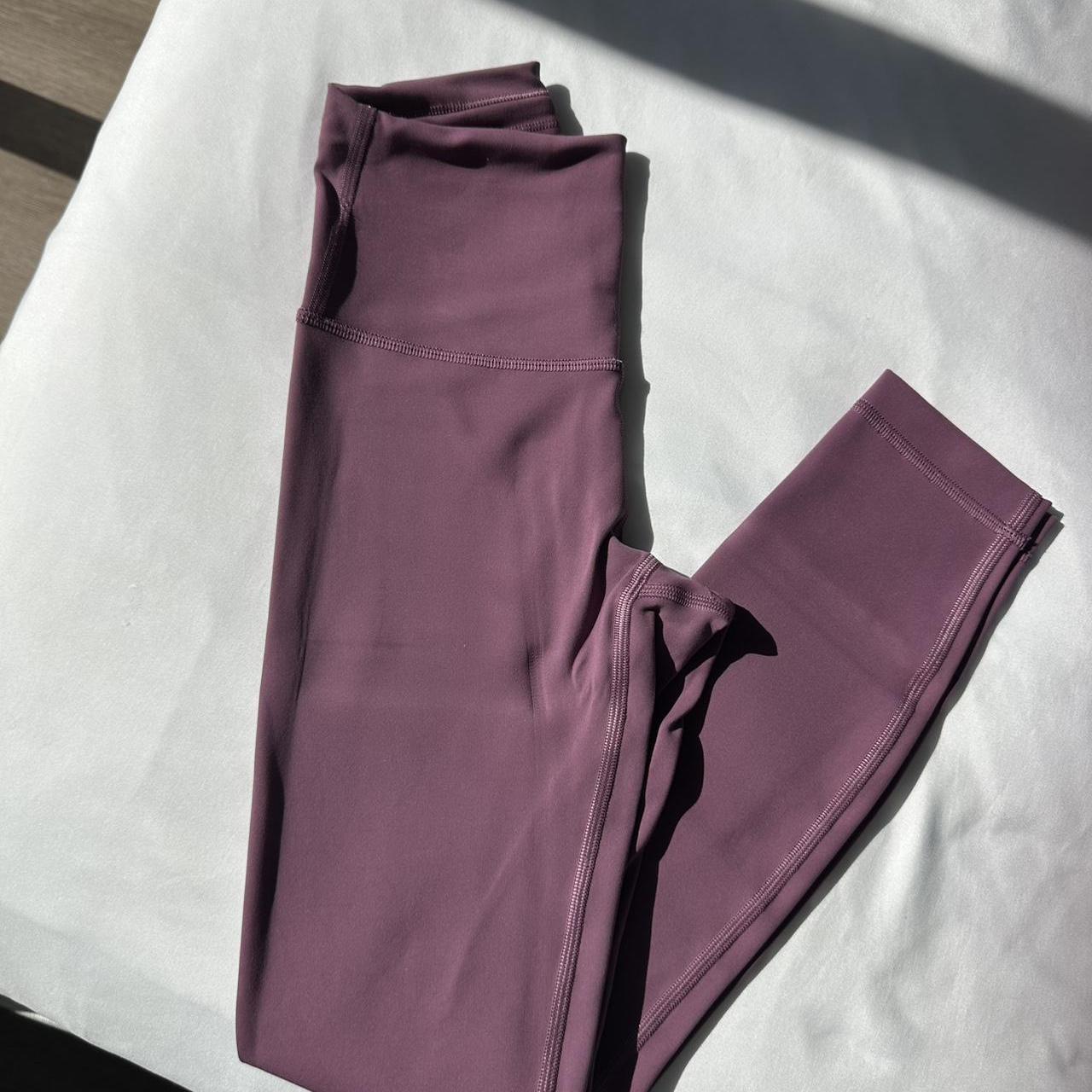
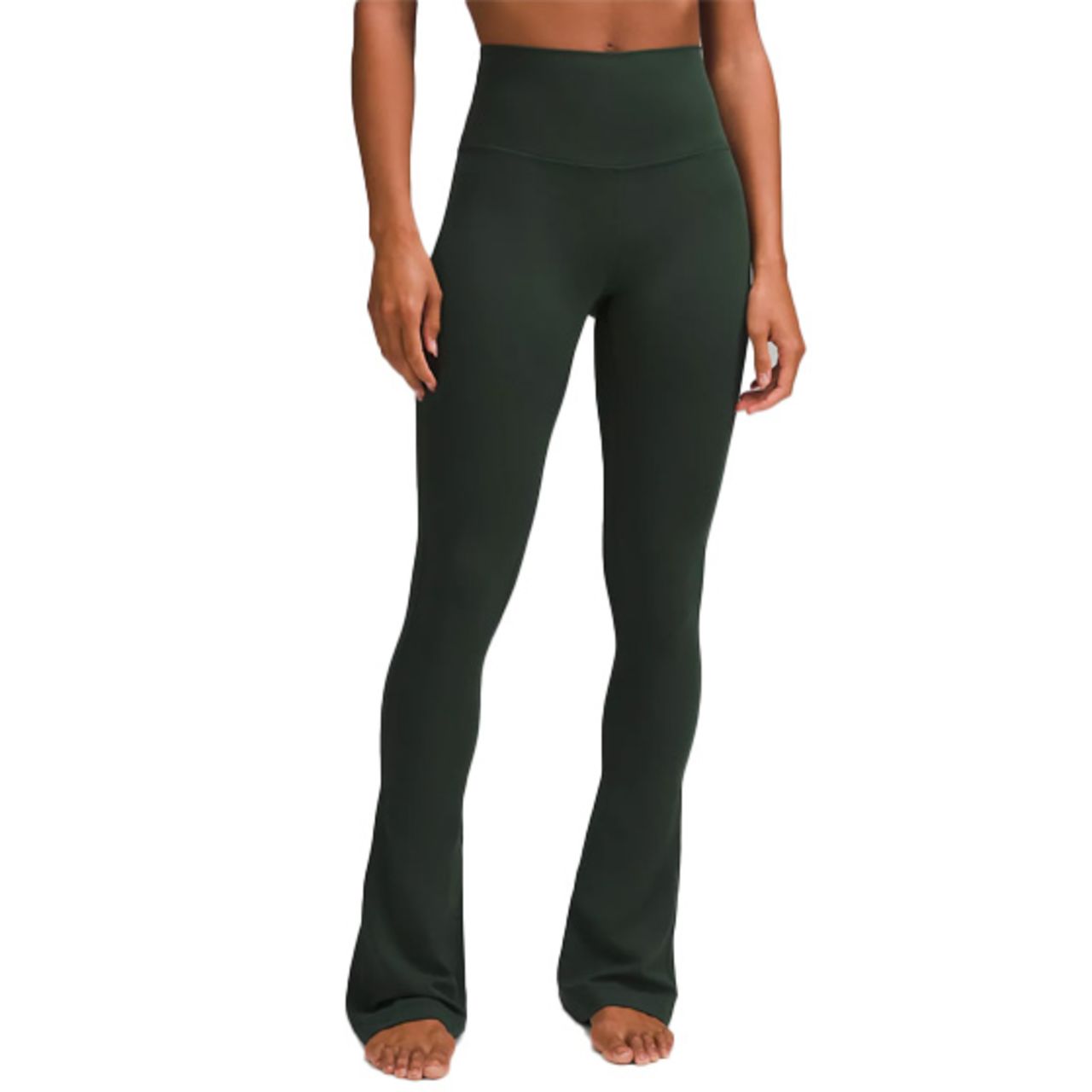
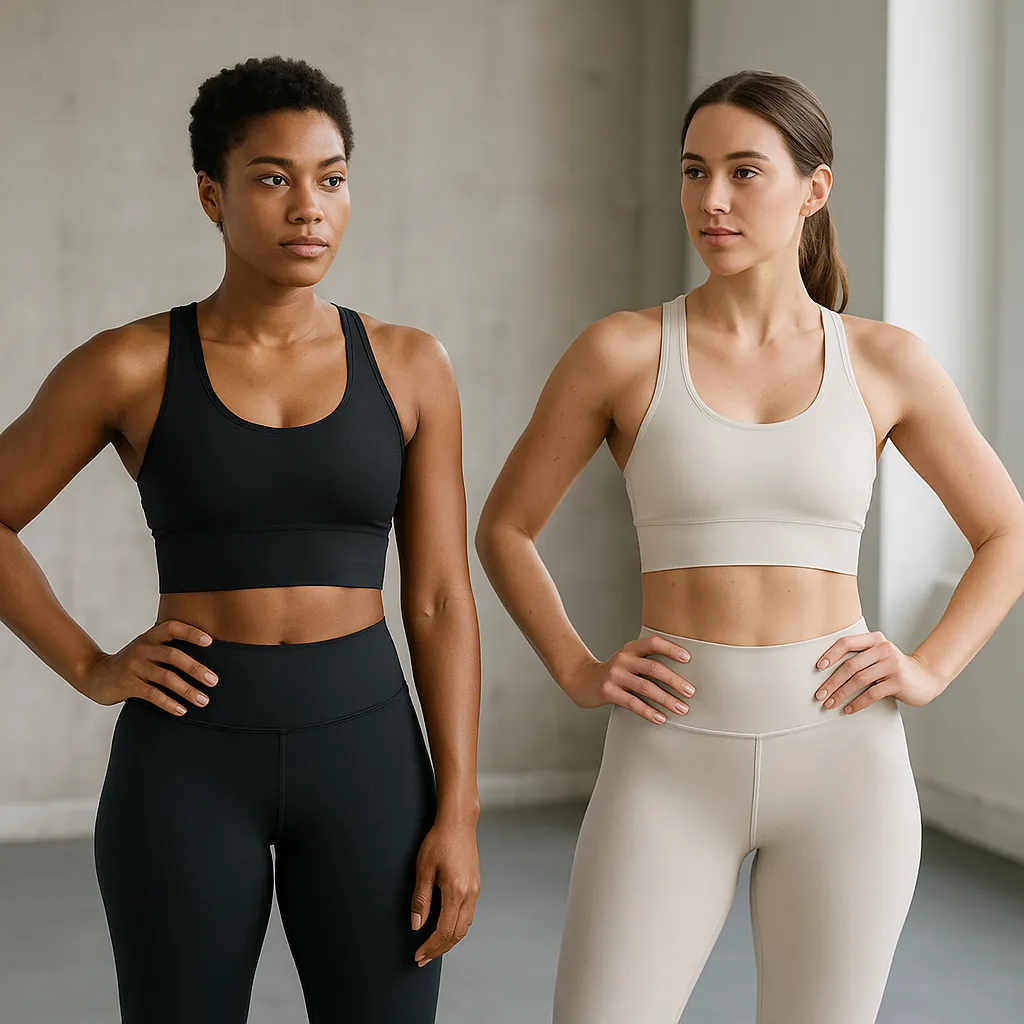
Choosing between Alo Yoga leggings and Lululemon Align leggings often comes down to personal preference regarding fabric texture, compression levels, and intended activity. While the Lululemon Align is celebrated for its signature "naked sensation" Nulu fabric designed for yoga, Alo’s Airbrush and Alosoft collections offer varying degrees of structure and plush comfort that appeal to those seeking a balance between studio performance and streetwear aesthetics.
Understanding the Core Philosophy of Each Brand
To understand how these leggings compare, it is essential to first recognize the distinct brand identities. Lululemon has historically positioned itself as the pioneer of the "athleisure" category, focusing on technical innovation and specific textile engineering for low-impact movement. Their Align series remains a benchmark in the industry, specifically designed to minimize distractions during yoga practice by using lightweight, sweat-wicking materials that mimic a second-skin feel.
Alo Yoga, by contrast, emerged from a high-fashion lens. While the brand is deeply rooted in yoga, its product design frequently overlaps with lifestyle and luxury fashion trends. Alo leggings are often constructed with a thicker, more opaque fabric composition, providing a higher degree of compression and smoothing capabilities. Where Lululemon focuses on weightlessness, Alo often leans into sculpting and durability.
Material Science: Nulu versus Airbrush and Alosoft
The most significant point of divergence between the two brands is their proprietary fabric technology.
Lululemon Align (Nulu Fabric): The Align collection is synonymous with Nulu. This fabric is a proprietary blend of nylon and Lycra elastane. It is characterized by its brushed, buttery-soft hand feel and exceptional four-way stretch. Its primary technical advantage is its lack of weight—it is designed to feel almost imperceptible against the skin. However, this focus on softness comes with a trade-off: the fabric is more prone to "pilling" when subjected to friction, such as walking with inner thighs touching or using heavy-duty gym equipment.
Alo Yoga (Airbrush and Alosoft Fabrics): Alo’s primary offerings, the Airlift and Airbrush lines, utilize different synthetic compositions. The Airbrush fabric is a performance-knit material known for its high opacity and sculpting fit. It provides a more robust, "sucked-in" sensation compared to the Nulu fabric. The Alosoft line is the closest competitor to the Align series in terms of comfort, utilizing a brushed knit that mimics the soft feel of cotton while retaining the moisture-wicking properties of technical synthetic fibers.
Practical Performance and Durability Comparison
When evaluating these leggings for functional use, consider the environment of your workout.
- Yoga and Pilates: The Lululemon Align is the industry standard for these practices. Because they offer zero restriction, they are ideal for deep stretches and inversions. Alo’s Alosoft is a strong alternative here, providing similar comfort but with a slightly thicker drape that some practitioners prefer for modesty.
- Weight Training and HIIT: Alo’s Airbrush collection is generally superior for high-intensity movement. The heavier weight of the fabric provides more support and resistance to tearing or snagging on equipment. Lululemon’s Align is generally discouraged for heavy-duty gym workouts because the delicate Nulu fabric can wear down quickly under high-friction conditions.
- Everyday Wear: Alo’s aesthetic often incorporates high-waisted designs and subtle contouring seams that transition well into a street-style outfit. Lululemon’s Aligns are popular for loungewear due to their supreme comfort, though they may look more "athletic" than "fashion-forward."
Comparison Matrix: Key Considerations
| Feature | Lululemon Align (Nulu) | Alo Airbrush | Alo Alosoft |
|---|---|---|---|
| Compression | Minimal / None | High / Sculpting | Moderate |
| Texture | Buttery, smooth | Sleek, matte | Brushed, soft |
| Primary Use | Yoga, lounging | HIIT, gym, street | Yoga, lounging |
| Opacity | High (but can sheer if sized down) | Very High | High |
| Durability | Prone to pilling | High resilience | Moderate |
Sizing and Fit Nuances
Both brands operate on standard US sizing, but their fit profiles differ slightly. Lululemon Align leggings are designed to be extremely stretchy. As a result, many users prefer to size down or stay true to their size to maintain the "naked" feel without the fabric bunching at the knees or ankles.
Alo leggings tend to run more "true to size" but often feel tighter due to the increased compression in their fabric weaves. If you are between sizes, it is often recommended to size up in Alo if you prefer a less restrictive fit, or stay true to your size if you want the intended sculpting effect. Additionally, Alo offers a wider range of inseam lengths, which can be advantageous for users who struggle with standard legging lengths being too short or too long.
Addressing Common Maintenance Challenges
One of the most frequent complaints regarding the Lululemon Align is the "pilling" that occurs in the crotch area or where the fabric rubs against itself. To mitigate this, manufacturers and enthusiasts recommend washing these items inside out in a mesh laundry bag, using cold water, and avoiding fabric softeners, which can break down the integrity of the synthetic fibers.
Alo’s Airbrush fabric is significantly more resistant to pilling, making it a better "low-maintenance" option for those who do not wish to be overly precious with their workout gear. Regardless of the brand, avoiding the dryer is the most effective way to extend the lifespan of performance leggings, as high heat degrades the elastic properties of the Lycra and elastane used in these garments.
Frequently Asked Questions
Which leggings are better for hiding texture or cellulite? Alo Airbrush leggings are generally better at smoothing the silhouette. Their denser, more structural fabric provides a level of compression that evens out the skin surface, whereas the thinner Nulu fabric of the Lululemon Align is designed for comfort and may show more natural texture.
Do both brands offer a warranty? Lululemon is known for its "Quality Promise," which evaluates products on a case-by-case basis if they fail to perform as intended. Alo Yoga has a return policy for defective items, but it is less centered on long-term wear-and-tear guarantees than Lululemon’s traditional customer service approach.
Are these leggings suitable for outdoor running? The Lululemon Align is generally not recommended for outdoor running because it lacks pockets and the fabric can slip during high-motion activity. Alo’s Airbrush fabric stays in place better, but neither is specifically designed as a technical running legging. For running, both brands offer specific "Speed" or "Running" collections that include secure waistbands and pockets.
Which brand is more sustainable? Both brands operate large-scale global supply chains. Lululemon has invested heavily in "Earth-dye" processes and recycled polyester initiatives. Alo emphasizes "sweatshop-free" production and maintains a heavy focus on vertical integration within their Los Angeles headquarters, though both brands are categorized as mainstream commercial athletic retailers rather than purely circular or sustainable fashion brands.
Next Steps for Your Selection
To determine the best path forward, identify the specific activity for which you need the leggings. If your priority is absolute comfort during low-impact yoga or working from home, the Lululemon Align remains the industry leader for a reason; the sensory experience of the fabric is difficult to replicate.
However, if your fitness routine involves a variety of activities including gym sessions, or if you prefer a legging that offers more support and holds its shape over years of use, the Alo Airbrush line offers superior durability and versatility. Visit a physical retail location for both brands if possible, as the difference in fabric "hand-feel" is best understood through tactile experience before finalizing your purchase.